



Starting a Rugby Fives society at your Australian university
Rugby Fives has long been a niche but cherished court sport, originating in the United Kingdom in the 1850s and named after the public school where it was first played. While the game remains relatively unfamiliar across Australia, the country's strong tradition of court and ball sports makes it a natural fit for university campuses looking to diversify their sporting offerings. Starting a Rugby Fives university society is achievable with careful planning, a small group of committed students, and the right institutional support.
This guide walks through the practical steps of establishing a society, from laying the groundwork with your student union to hosting your first competitive fixture. Whether you are based in Sydney, Melbourne, Brisbane, or a regional campus, the core principles remain the same, and the rewards for your student community can be significant.
Understanding the sport and its heritage
Rugby Fives is a handball game played on a four-wall court, where players use only their hands to strike a small, hard ball against the front wall. The objective is to make shots that the opponent cannot return, similar in spirit to squash but with distinct court markings, unique cut-throat rules, and a rich tactical depth. The sport is governed internationally by the Rugby Fives Association, which oversees rules, rankings, and historic records.
For Australian students, understanding the heritage of the game helps when explaining it to curious newcomers. The sport has been played in schools and universities for generations, and many Australians who encountered it during exchange years in the UK have brought enthusiasm home. The Australia Day public holiday in late January often coincides with the end of summer break, making February a natural moment to launch a new society at the start of Semester 1.
Building a founding committee
A successful society starts with a small core of motivated individuals who can share the workload. Typical roles include president, secretary, treasurer, and a fixtures or events officer. At Australian universities, these positions are often formalised through the student guild or student association, and elections usually take place during the first month of semester.
It helps to recruit committee members from a range of faculties and year levels so that knowledge is not lost when senior students graduate. Many successful groups at the University of Sydney and the University of Melbourne have drawn members from law, science, engineering, and arts backgrounds. Skills in marketing, finance, and event management are just as valuable as on-court ability, and a balanced committee will give the society credibility when approaching university administration.
Securing university recognition and funding
Most Australian universities require new clubs to register with their student union or student services arm, which involves submitting a constitution, a list of committee members, and a basic budget. This process is regulated under the relevant state associations act and the university's own club policies. Once recognised, the society can apply for grants, claim venue access, and access insurance coverage.
Funding often comes from a combination of student union allocations, university sport department budgets, and small sponsorship from local businesses. Some groups have successfully applied for grants through the Australian Sports Commission's participation programs, particularly when emphasising inclusive access. Keeping clear financial records from the outset will make annual reporting far easier and demonstrates to funders that the society is well managed.
Finding a venue and equipment
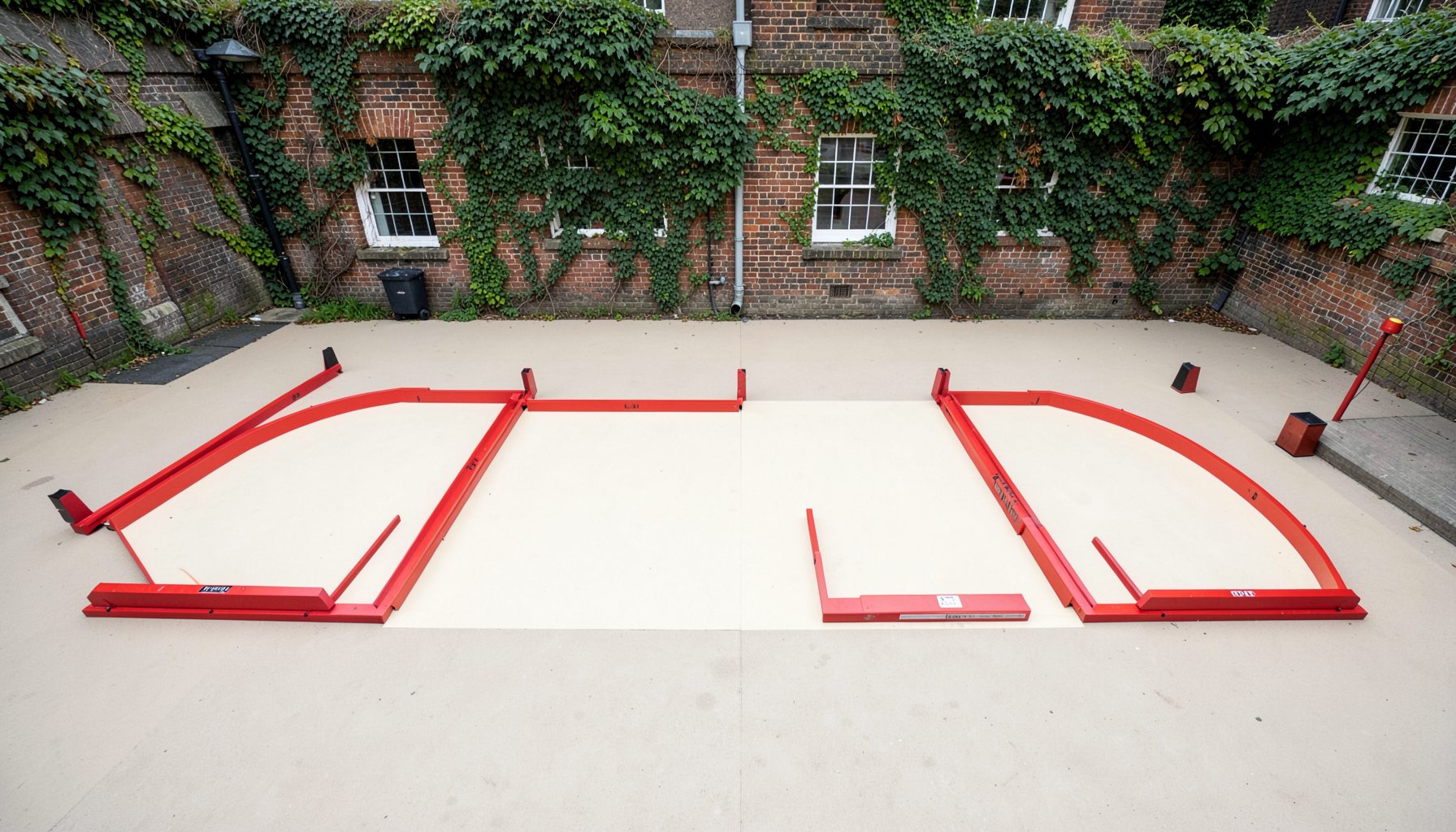
The unique challenge of Rugby Fives is the specialised court. A regulation court is roughly the size of a small squash court, with specific wall markings, ledges, and a step. In Australia, dedicated courts are rare outside of a handful of historic schools, so many university societies initially use modified squash courts or simply meet on available indoor walls to teach the basics.
The RFA offers technical guidance for new societies and can advise on low-cost court-marking solutions for temporary setups. Essential equipment includes handballs (typically supplied in sets), gloves, and knee pads for beginners. A practical first step is to contact a local squash club or university gym to negotiate trial access, then scale up as interest grows.
Recruiting members and promoting the society
Orientation Week, or O-Week as it is universally called across Australian campuses, is the single most important recruitment opportunity. Setting up a stall, running a free "come and try" session, and showing video highlights of professional play can convert curious passers-by into committed members. Social media is equally vital, with Instagram and Facebook the dominant platforms for university sport groups in Australia.
Pairing promotion with broader wellness themes can broaden appeal. Some societies have successfully linked introductory sessions with flexibility and mindfulness activities, drawing inspiration from initiatives like the global movement around International Yoga Day, which promotes physical literacy and balance. Cross-promotion with other clubs, particularly squash, tennis, and handball groups, also helps reach students who already enjoy racquet or court sports.
Organising matches and leagues
Friendly matches are the lifeblood of any new society. Begin with internal ladders and round-robin evenings, then progress to inter-club fixtures once a steady membership base is established. Australia's geography means that travel between campuses can be costly, so many groups start by forming local rivalries within the same city before aiming for national events.
The University of Queensland, Monash University, and the Australian National University have all hosted or attended exhibition matches in recent years, demonstrating the appetite for the sport at the highest academic level. When you are ready to formalise results or seek guidance, contact us through the Rugby Fives Association for advice on rankings, fixtures, and connecting with established clubs interstate.
Sustaining growth and inclusivity
A society thrives when it welcomes players of all skill levels, backgrounds, and gender identities. Rugby Fives is particularly well suited to mixed-ability play because matches can be structured as singles, doubles, or cut-throat, allowing weaker players to support stronger ones. This inclusive format is a strength worth emphasising in recruitment materials and aligns with the equity policies of most Australian universities under the Disability Discrimination Act 1992 and the Sex Discrimination Act 1984.
Long-term sustainability also depends on knowledge transfer. Documenting coaching drills, fixture schedules, and administrative procedures in a shared online folder protects the society from the disruption caused by graduating cohorts. Annual reviews, regular social events, and engagement with alumni networks will keep the group vibrant well beyond its founding year.
| Society activity | Suggested term | Estimated cost (AUD) | Key benefit |
|---|---|---|---|
| O-Week stall and promotion | Semester 1, Week 1 | 150–300 | Recruit 20–40 new members |
| Internal ladder competition | Semester 1, Weeks 4–8 | 50–100 | Build skills and rivalry |
| Inter-university friendly | Mid-year break | 400–800 | Establish external profile |
| Social and coaching clinic | Semester 2, Week 2 | 100–200 | Retain members and develop new players |
| End-of-year tournament | Semester 2, Week 12 | 300–600 | Showcase the society to the wider community |
Ready to get started? Register your interest with your student association, gather a few friends, and reach out to experienced players who can help you launch your first session. With persistence and a clear plan, your university society can become a lasting part of Australia's growing Rugby Fives community.