


How To Teach Rugby Fives Serving Technique To Beginners
A good Rugby Fives serve gives a beginner a clear first task: strike the ball cleanly, send it to the front wall, and make the receiver work without losing control of the rally. The movement is compact, but it combines balance, timing, hand position, judgement and recovery. Teaching those elements in the right order makes the sport easier to understand and safer to enjoy.
For players in Australia, Rugby Fives may be unfamiliar compared with tennis, squash, AFL or touch football. A coach may be introducing the game in a school gym in Melbourne, a community facility in Sydney or an indoor sports centre in Brisbane. The court, ball and local rules should be explained before practice begins, while the teaching approach should remain simple, active and encouraging.
Understand The Court And The Purpose Of The Serve
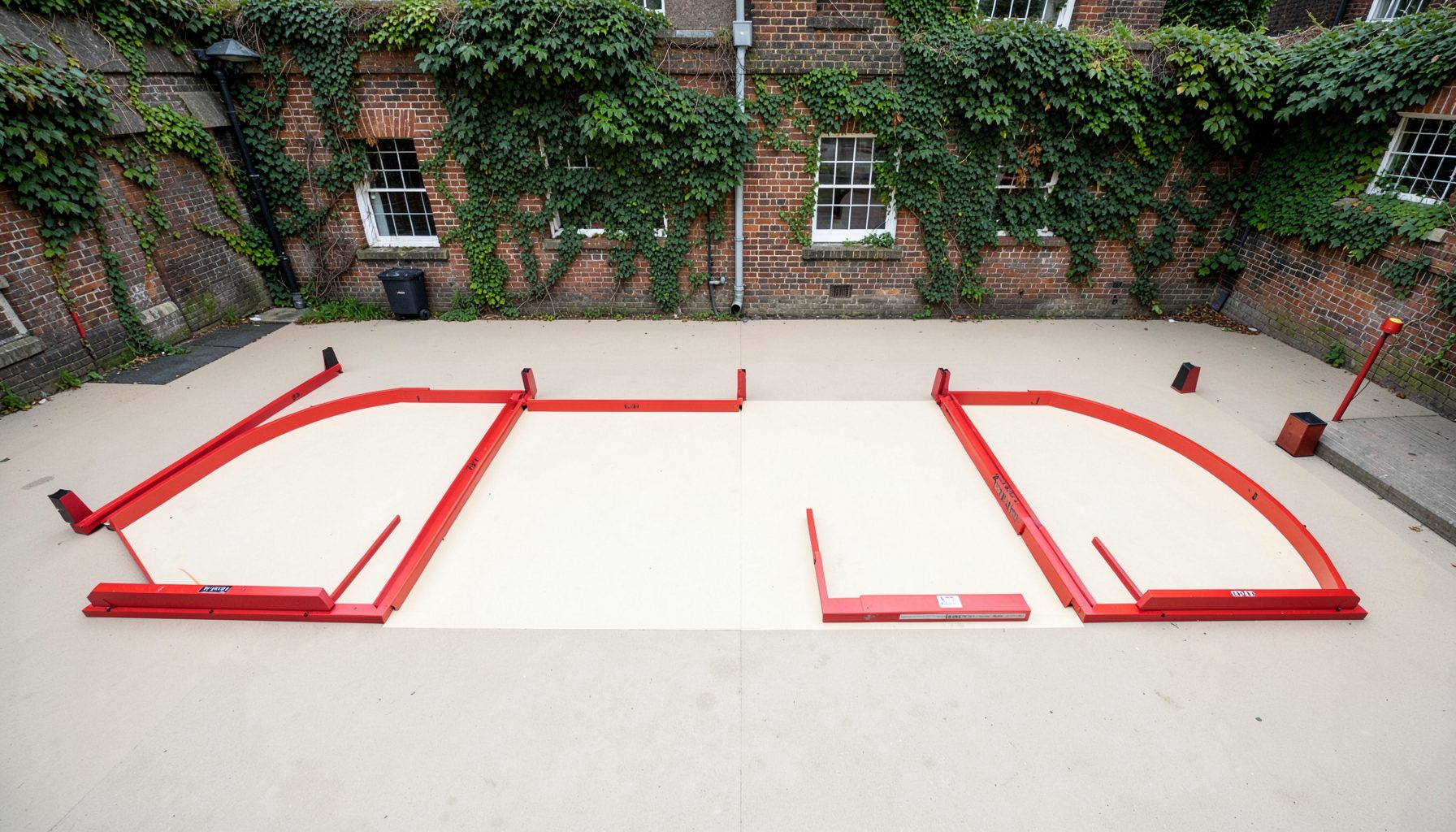
Start by walking beginners around the court. Show the front wall, side walls, floor markings, service area and receiving area used by your club or competition. Rugby Fives rules can vary slightly in how local sessions organise service, so players should know where the server stands, where the ball must travel and what makes a legal delivery before they begin hitting.
Explain that the serve starts the rally; it is not an attempt to win every point immediately. A reliable serve gives the striker time to recover and places the receiver under pressure. Beginners should aim for a legal, repeatable ball that reaches the intended area rather than trying to hit with maximum force.
Use a demonstration from the side and from behind the server. Speak aloud while showing the sequence: settle, look, swing, contact, finish and recover. This verbal rhythm helps young players remember the order without becoming distracted by too many technical instructions.
Build A Balanced Ready Position
The starting stance should be comfortable and athletic. Ask the player to stand with feet approximately shoulder-width apart, knees softly bent and weight balanced on the balls of the feet. The non-playing shoulder should generally face the front wall, allowing the striking arm to move freely while the body remains stable.
The ball should be held in the non-striking hand at a manageable height. Encourage a calm pause before the swing rather than a rushed drop. The player’s eyes should follow the ball from release to contact. A short routine, such as one breath and one look at the target, can make the serve more consistent.
Avoid asking beginners to copy an exaggerated backswing. A compact preparation is easier to control in a confined court and reduces the temptation to swing across the body. The free arm can assist with balance, while the head stays relatively still and the chest remains directed towards the intended line of play.
Teach The Basic Striking Action
For a basic forehand serve, the player releases the ball slightly in front of the body and lets it descend into the path of the hand. The hand should be firm but relaxed, with the contact area presented clearly to the ball. The aim is a clean, flat strike rather than a slap produced by a tense wrist.
The movement begins with a small rotation of the shoulders and hips, followed by the arm moving forward. Contact should occur in front of the striking-side hip, where the player can see the ball and maintain balance. The hand continues towards the target after impact; this follow-through helps direct the ball and prevents a sudden stopping motion.
Introduce pace only after the player can repeat the action. Start with gentle feeds against the front wall, then add the service line and legal target. If the ball repeatedly hits too low, check the contact point and body position before telling the player to swing harder. If it flies too high, reduce the upward angle of the hand and encourage a more level finish.
Develop Placement And Control
Once the basic action is secure, teach three simple targets: a safe central service, a wider service and a deeper service. Mark targets with cones placed outside the playing path or use strips of removable floor tape. Players should learn that direction and height can create pressure even when the ball is not struck forcefully.
A useful exercise is the “three in a row” challenge. The player serves three legal balls towards the same target, collects them, then changes direction. Count successful placement rather than speed. This gives beginners an immediate measure of control and keeps practice suitable for a school class or a small community group.
Pair the server with a receiver who calls the result using neutral language: “short”, “wide”, “high” or “comfortable”. The coach can then connect the outcome to one technical adjustment. A serve that lands short may need a firmer strike or better contact position; one that drifts wide may need a quieter shoulder rotation.
Use Australian sporting language familiar to the group without turning the lesson into a comparison with tennis or cricket. Players accustomed to serving in tennis may want to toss the ball high, while those coming from AFL or rugby may overuse the shoulder. Rugby Fives rewards a shorter, more measured action.
Correct Common Beginner Errors
A frequent error is dropping the ball too close to the body. This leaves no room for the hand to travel and often produces a weak, cramped strike. Move the release a little forward and ask the player to finish towards the target. Another common problem is watching the wall instead of the ball; remind the player that accurate contact comes before tactical awareness.
Beginners may also stand upright, plant both feet rigidly or fall away after impact. Use a simple cue such as “soft knees and finish balanced”. If a player steps across the body, place a floor marker beside the front foot and ask them to finish with the chest still facing the target area.
Do not correct five faults at once. Choose the error that most affects legality, safety or control, then let the player repeat the serve several times. Positive feedback should identify an observable action: “Your contact was in front” is more useful than “That was better.”
For larger groups, rotate roles between server, receiver, ball collector and observer. The observer can watch one feature, such as balance or contact height. This keeps players engaged while reducing queues, especially when an Australian school has only one suitable indoor court available.
Practise Safely And Track Progress
Warm up with light movement, shoulder circles, wrist mobility and gentle practice swings. After a session, coaches can direct players towards the Rugby Fives Association’s guidance on post-game stretches, especially when beginners are not yet used to repeated hand and shoulder actions.
The ball should be introduced progressively. Begin with cooperative front-wall hitting, then practice service targets, and only later add a competitive receiver. Keep the court clear, establish a retrieval signal and make sure players wait until the previous rally has finished before entering the hitting area.
Track progress with a small record: legal serves out of ten, target hits out of ten and one technical focus for the next session. A player who makes seven legal serves but only two target hits needs placement work, while a player with good placement and poor legality needs a clearer understanding of the service rules.
| Practice Stage | Main Aim | Coach’s Cue | Suitable Progress Measure |
|---|---|---|---|
| Stationary shadow swing | Learn the sequence | “Set, swing, finish” | Smooth movement without a ball |
| Gentle front-wall hit | Find clean contact | “See the ball” | Five controlled strikes |
| Target serving | Improve direction | “Finish at the target” | Three accurate serves in a row |
| Receiver practice | Apply pressure safely | “Recover after contact” | Legal serve followed by ready position |
| Conditioned rally | Transfer the skill | “Control before power” | Consistent serve under light pressure |
A supportive sporting culture matters as much as technical detail. Stories about charity sporting events can help coaches show beginners that racket and handball sports are connected to community participation, volunteering and service beyond the court. That message fits well with school programs, local clubs and inclusive sessions.
Teach one clear serving habit at a time, give players many safe repetitions and celebrate reliable improvement. Clubs, schools and community coaches across Australia can use short target games to introduce Rugby Fives without requiring expensive equipment or advanced tactical knowledge. Invite beginners to attend a coached session, learn the local rules and build their first dependable serve through regular practice.