


How to Teach Rugby Fives to Children with Special Needs
Rugby Fives can give children a lively, rewarding way to develop movement, coordination, confidence and social connection. The game takes place in a four-walled court, with players striking a ball against the front wall using a gloved or bare hand. Its adaptable format makes it suitable for different ages, abilities and learning styles when activities are carefully planned.
Teaching children with special educational needs and disabilities begins with the individual rather than the standard rules. A child may need extra processing time, a quieter environment, a softer ball, physical access support, or a different way to communicate. These adjustments do not reduce the value of the sport; they create a fairer route into it.
A successful session should feel predictable, active and encouraging. Coaches, teachers, families and support staff can work together to identify what helps each child participate comfortably. The aim is to build genuine involvement, whether that means learning a complete rally, returning one ball, moving safely in the court, or enjoying a shared activity with peers.
Begin With The Child’s Strengths
Before the first session, gather practical information from the child, family, school and relevant support staff. Find out how the child communicates, what situations may cause distress, whether they have mobility or sensory considerations, and which activities already interest them. Avoid making assumptions based on a diagnosis or support plan.
Use strengths as the starting point. A child who enjoys rhythm may respond well to repeated bouncing and striking patterns. Someone fascinated by targets may enjoy aiming at marked sections of the wall. A player who prefers watching before joining in can begin as a ball feeder, scorekeeper or partner observing a demonstration.
Set one or two clear, achievable aims for each session. These might include tracking the ball, making contact with an open hand, moving towards a target, or taking turns for thirty seconds. Small successes provide useful evidence about the child’s readiness for the next challenge.
Make The Court Predictable And Accessible
A clear routine can reduce anxiety and help children understand what will happen next. Display or explain a simple sequence such as arrival, warm-up, skill game, rest, rally activity and cool-down. Use pictures, gestures, written words or a visual timetable according to the child’s communication preference.
Keep instructions short and demonstrate whenever possible. Rather than explaining several rules at once, show one action, let the child try it, and give specific feedback. Phrases such as “watch the ball,” “soft hands” and “step to the line” are easier to process than lengthy technical descriptions.
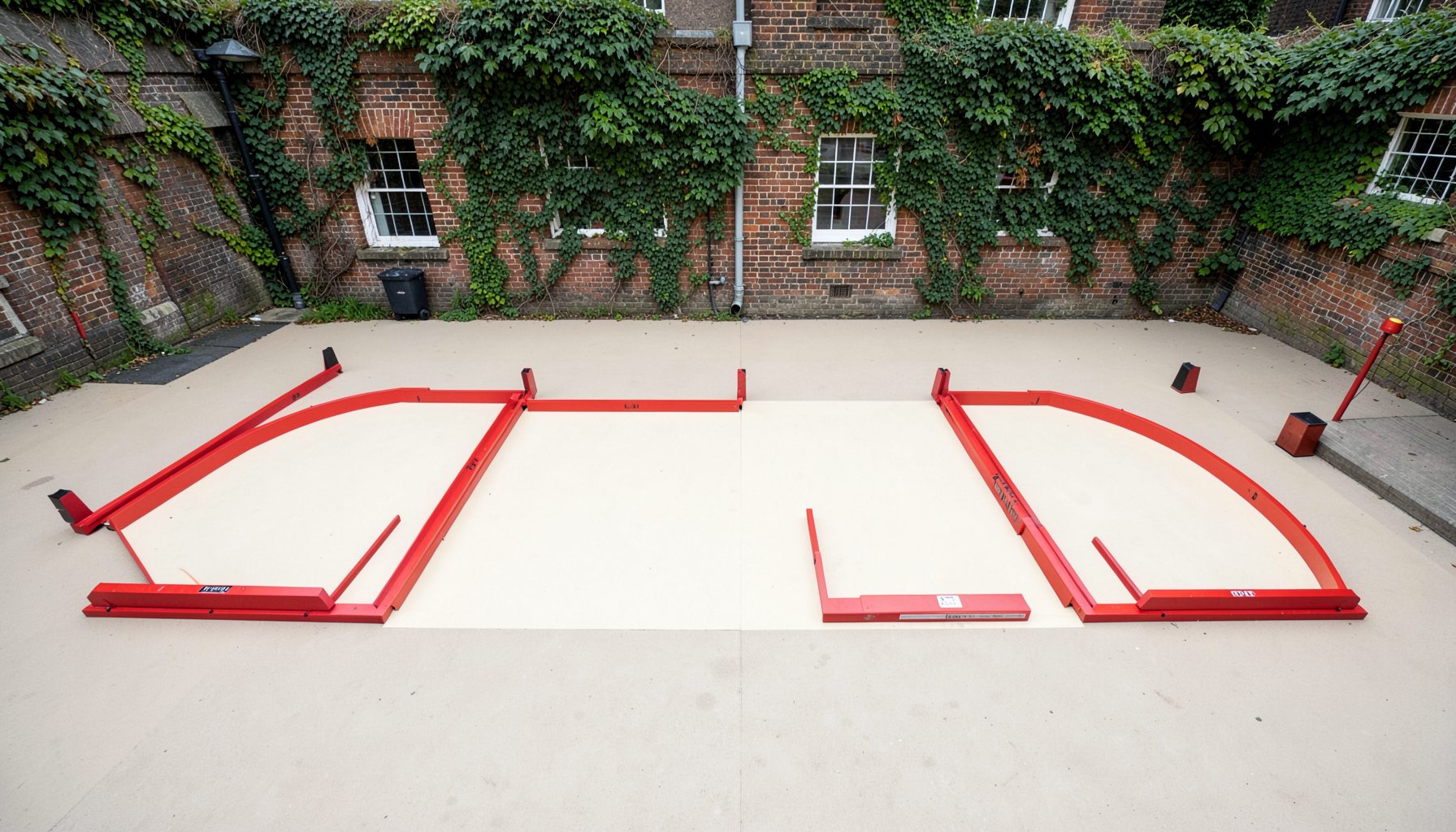
Check the physical environment before playing. Keep walkways clear, identify boundaries with high-contrast tape, and allow enough space between groups. Some children may be sensitive to echoes, bright lighting, noise or unexpected contact. A quieter court, reduced group size, ear defenders during explanations, or access to a calm area can make participation more comfortable.
Adapt Equipment, Rules And Progression
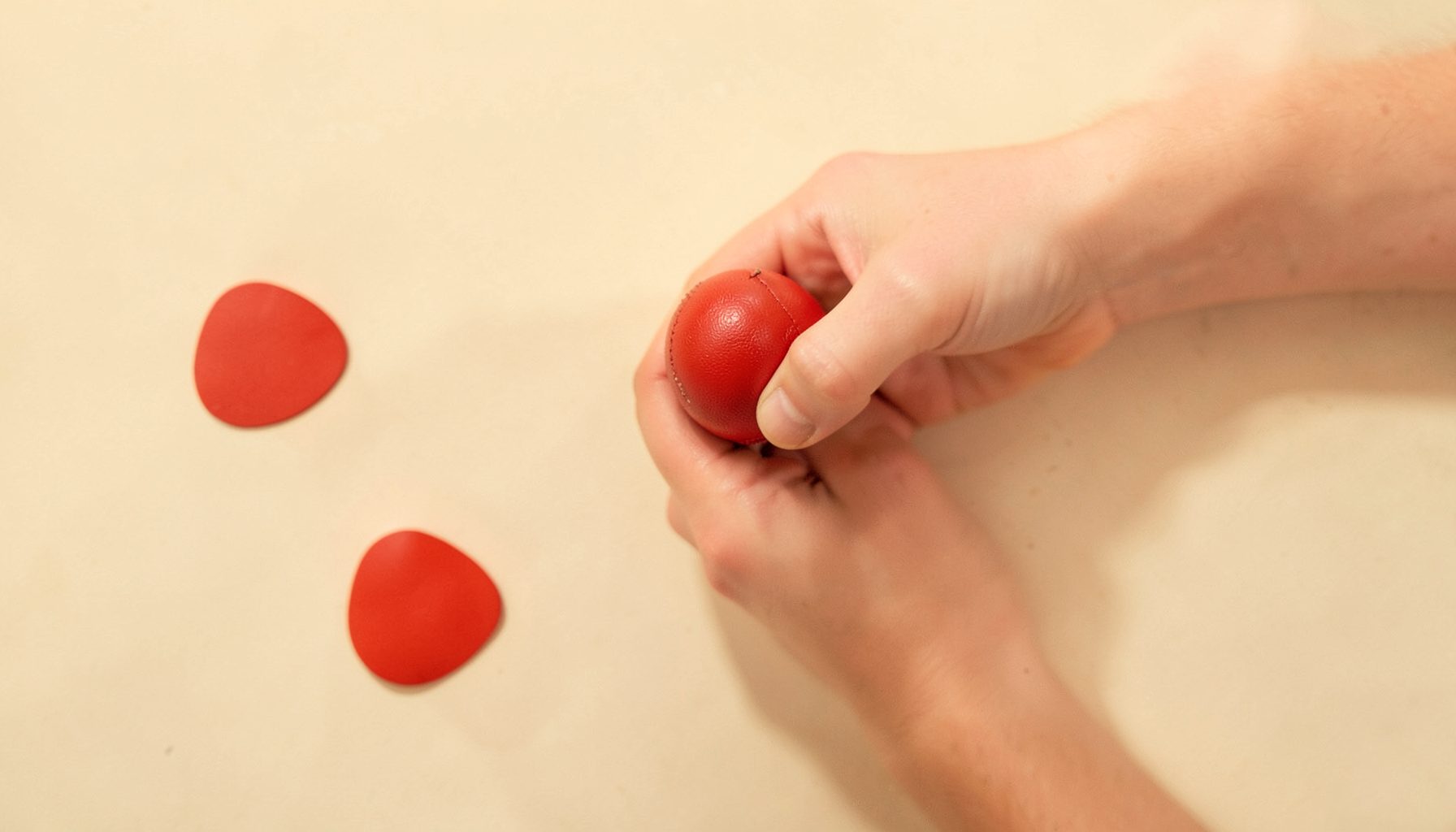
Equipment changes can make the first experience more manageable. A larger foam ball travels more slowly and is easier to catch or strike. A balloon or beach ball may help a child learn tracking and timing before progressing to a Rugby Fives ball. Coloured tape on the ball, wall or floor can also improve visual focus.
The height and distance of the target can be adjusted. Begin close to the wall with a marked hitting zone, then gradually move back or introduce a higher target. A player might be allowed to catch and release the ball, use two hands, let the ball bounce more than once, or receive a gentle feed from a coach.
Rules should support learning rather than create unnecessary failure. Allow extra time, simplify scoring, or use cooperative goals such as completing five shared contacts. When the child is ready, introduce formal Rugby Fives rules in small stages. The underlying game remains recognisable while the route towards independence stays flexible.
| Teaching need | Useful adaptation | Skill being developed |
|---|---|---|
| Difficulty tracking a fast ball | Use a balloon, foam ball or slower feed | Visual attention and timing |
| Limited striking confidence | Permit a catch-and-release action first | Hand-eye coordination |
| Sensory sensitivity | Reduce noise, offer breaks and preview sounds | Regulation and participation |
| Communication differences | Use demonstrations, symbols and consistent gestures | Understanding and choice-making |
| Mobility limitations | Adjust court position, target height and movement demands | Accessible striking and positioning |
| Anxiety about competition | Use cooperative rallies and personal goals | Confidence and social interaction |
Teach Through Short, Repeated Games
Children often learn more effectively through brief games than through long technical explanations. Start with activities such as rolling the ball to a wall target, catching a rebound, or striking from a stationary position. Give frequent opportunities to repeat the same action without making the session feel repetitive.
Partner work can develop both skill and social confidence. One child may feed the ball while the other strikes, then they can change roles when ready. Cooperative challenges—such as keeping a ball moving between a pair or reaching a shared number of successful returns—place emphasis on communication and teamwork rather than winning.
Build progression gradually. A useful sequence may move from stationary contact, to a self-feed, to a coach feed, to a partner rally, and finally to a modified game. Only change one major element at a time, such as distance, speed, target size or movement. This makes it easier to identify what is helping or causing difficulty.
Support Communication, Regulation And Confidence
Use consistent language and visual cues throughout the session. A picture of a hand can represent “strike,” a coloured cone can show where to stand, and a stop signal can communicate when play ends. Offer choices where possible: “foam ball or beach ball?” and “near target or far target?” Meaningful choices give children control without making the session unpredictable.
Allow processing time after an instruction. Some children need several seconds before responding, particularly in a noisy or unfamiliar setting. Praise the action or effort specifically: “You moved into position,” “You waited for your turn,” or “You watched the rebound.” Feedback should describe progress rather than compare one child with another.
Regulation breaks should be planned rather than treated as a failure. A child may need water, quiet time, movement away from the court, or a familiar sensory activity. Agree in advance how the child can signal discomfort or request a pause. Safeguarding, dignity and consent remain central, especially when a child needs physical guidance or close support.
Build Inclusive Sessions With Peer Support
Peers can help create a welcoming environment when their role is explained carefully. Teach children to take turns, give space, use encouraging language and respect a partner’s communication style. Pairing should be based on temperament, safety and shared interests, not simply on age or ability.
Avoid making a disabled child a permanent demonstration or assigning a peer the role of helper in every activity. Both players should have meaningful turns to strike, feed, choose targets and contribute ideas. Adaptations can be offered to the whole group so that inclusion feels natural rather than singling out one participant.
Families and schools can reinforce learning by sharing simple activities that work outside formal sessions. A child might practise striking a soft ball towards a taped target, tracking a balloon, or taking turns with a sibling. Consistent language across home, school and club settings helps skills transfer while keeping practice enjoyable.
Recommendations For Coaches And Teachers
- Complete an individual participation profile covering communication, sensory needs, mobility, medical considerations and preferred motivators.
- Use a predictable visual routine, short demonstrations and one instruction at a time.
- Keep foam balls, balloons, floor markers, coloured targets and quiet-break equipment available.
- Measure progress through personal goals such as contact, movement, turn-taking and confidence.
- Review adaptations regularly with the child, family and support team, and change them when they no longer help.
A Rugby Fives session can be adapted without losing its identity or ambition. With thoughtful coaching, children with additional needs can learn the rhythm of the wall, discover their own ways to strike and experience the satisfaction of a rally. Clubs, schools and families can contact the Rugby Fives Association to explore inclusive coaching, local opportunities and pathways into regular participation.