



Teaching Reliable Serves in Rugby Fives
A serve is the first complete skill a new Rugby Fives player can learn. It gives them control of the opening exchange, establishes a rhythm before rallies become faster, and teaches several fundamentals at once: balance, timing, accuracy, court awareness, and recovery.
For beginners, the goal is not to hit the hardest possible ball. A successful serve reaches the correct area, gives the receiver a difficult but fair return, and leaves the server ready for the next shot. Clear demonstrations and short, repeatable practices help new players build confidence without becoming overwhelmed by rules or tactics.
Start with the court and the purpose of the serve
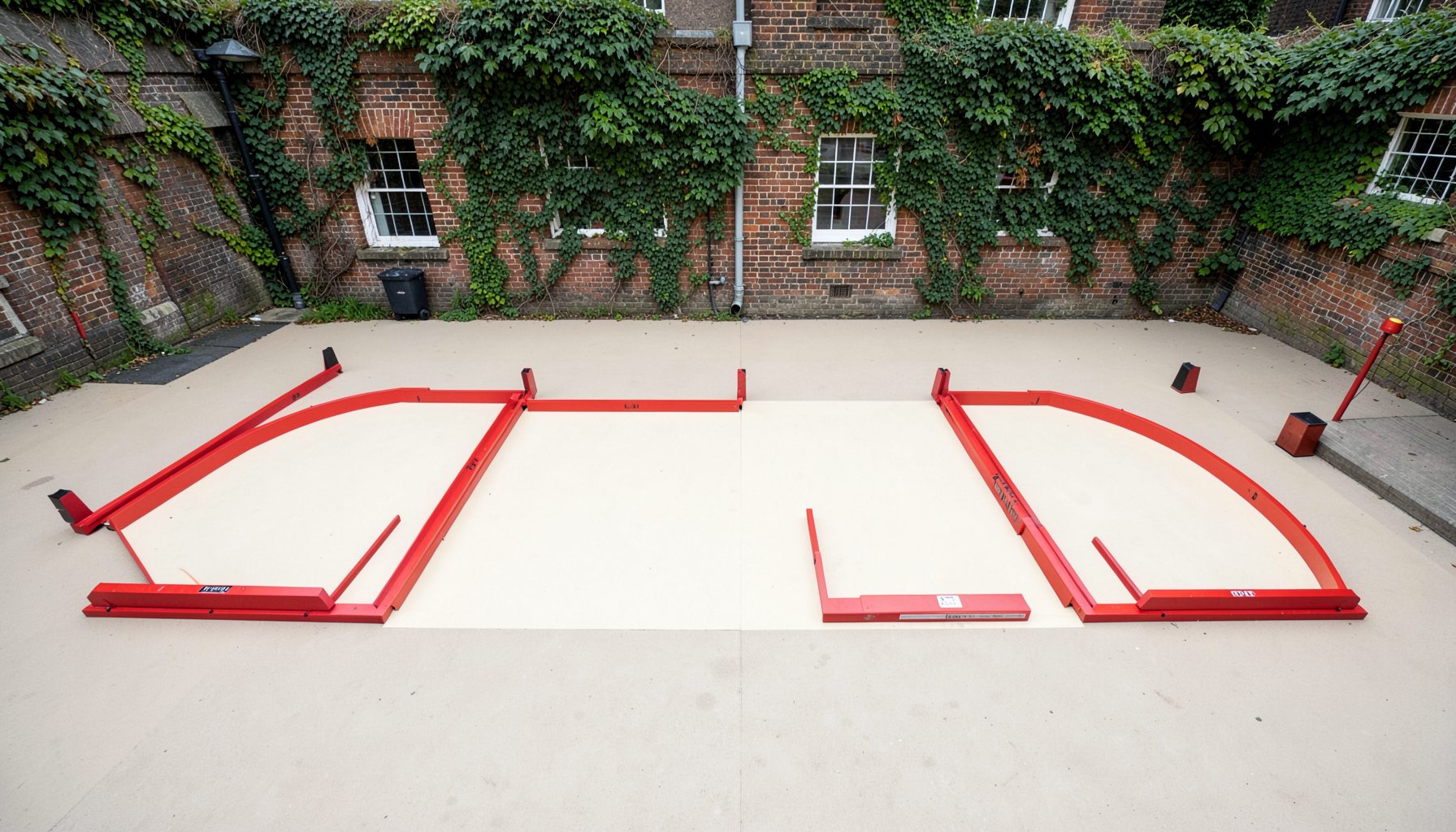
Before anyone strikes a ball, walk through the court markings and explain the service area, front wall, and receiver’s court. The precise requirements can vary slightly between formats or competitions, so coaches should teach the current Rugby Fives Association rules used by their club or school. A beginner needs to know where to stand, what part of the front wall may be used, and where the ball must land.
Explain that the serve begins the rally but does not finish the point. After striking the front wall, the player should recover immediately into a balanced position. New players often watch their shot instead of preparing for the return, so make “serve, move, see” a simple routine: play the ball, take recovery steps, and track the opponent.
Use a large target at first, such as a marked landing zone on the floor or a strip of tape on the wall. Accuracy is easier to understand when players can see the intended route. It also makes improvement measurable without focusing only on whether the server won the rally.
Build the serving action from simple positions
Begin with the player standing side-on, feet comfortable and slightly apart, with the non-hitting shoulder directed towards the front wall. The ball should be held in the non-dominant hand and released rather than tossed high. A low, predictable release helps beginners contact the ball in front of the body and reduces mistimed swings.
The hitting arm should travel smoothly towards the target, with the hand striking through the centre or slightly underneath the ball according to the intended height. Encourage a relaxed wrist and a controlled follow-through. Gripping too tightly usually reduces touch and makes the ball fly unpredictably.
A useful progression is shadow swing, drop-and-hit, then movement into the service position. In the first stage, the player rehearses the shape without a ball. In the second, they focus on clean contact. In the third, they walk into position, serve, recover, and prepare for a return. This sequence separates technique from pressure while keeping every practice connected to match play.
Introduce the main serve variations
The high lob serve is often the most suitable starting point. It travels high on the front wall and drops deeper into the receiver’s court, giving the server time to recover. The player should use a controlled upward swing and enough height to make the ball difficult to attack immediately. The priority is depth and consistency rather than extreme pace.
A flatter, faster serve can be introduced once the player can land the lob reliably. This ball reaches the receiver more quickly and may force a hurried return, but it requires greater accuracy. Beginners should learn to direct it towards a safe target rather than attempting to strike close to the limits of the legal area.
A body or shoulder-directed serve can add variety when players understand positioning. Its purpose is to challenge the receiver’s preparation and reduce comfortable swing space. It should remain controlled and clearly within the rules. Coaches should stress that variation comes from changing height, speed, and placement—not from making an unnecessarily risky or aggressive action.
| Serve type | Main purpose | Key technical cue | Common beginner error |
|---|---|---|---|
| High lob | Create time and depth | Swing upward through the ball | Hitting too softly or too low |
| Fast flat serve | Rush the receiver | Contact in front and finish towards target | Over-swinging and losing accuracy |
| Body-directed serve | Challenge preparation | Aim at a controlled receiving zone | Aiming vaguely instead of choosing a target |
| Change-of-pace serve | Disrupt rhythm | Keep the same setup and vary speed | Signalling the intention too early |
Teach placement before power
A simple target practice can make serve placement engaging. Divide the receiver’s court into deep, middle, and body zones. Award one point for landing in the selected zone and two for landing in a smaller target. Keep the scoring cooperative at first, allowing players to beat their own previous score before introducing competition.
Coaches should also teach players to observe the receiver. If the receiver stands deep, a shorter legal serve may bring them forward. If they crowd the front, a deeper ball may create more space. Beginners do not need a complex tactical system, but they should learn that a serve is chosen in relation to the opponent.
Vary the practice by asking for two consecutive serves to the same area, followed by a change of direction or speed. This develops control rather than random hitting. It also prepares players for the reality that a reliable serve can be valuable even when it does not immediately win the rally.
Correct the faults that limit consistency
The most common fault is an unstable starting position. Players may stand too close to the wall, drift outside the service area, or begin moving before contact. Marking the feet with temporary floor spots can help. Once the stance is reliable, remove the markers gradually so the player learns to find the position independently.
Another frequent problem is a high or inconsistent ball release. A large toss gives timing too many variables, while releasing the ball behind the body often causes a cramped swing. Ask the player to release it near the intended contact point and keep the head still through impact.
Over-hitting deserves careful correction. Beginners may believe that power proves improvement, but a fast fault is less useful than a controlled legal serve. Reduce the swing, lower the target, and ask for a sequence of successful serves. Once the player can repeat the action, speed can be added without sacrificing direction.
Turn practice into a complete routine
A productive beginner session can start with five minutes of movement and shadow swings, followed by ten controlled serves aimed at a large target. Next, the player can practise a high lob and a flatter serve in alternating sets. Finish with a conditioned game in which the server earns an extra point for landing in the called target and recovering before the return.
Use short feedback statements. “Release lower,” “finish towards the target,” and “recover after contact” are easier to apply than several technical instructions at once. Give the player time to repeat the correction before offering another. Video can be useful, especially when showing the difference between a balanced finish and a falling-away swing.
Progress should include more than successful contacts. Record legal serves, target accuracy, recovery position, and the quality of the next shot. This wider view supports long-term development and helps players see that serving is part of a rally pattern rather than an isolated trick.
Accessible coaching also helps the sport grow beyond established clubs. Clear demonstrations, school sessions, and welcoming beginner competitions can show how much skill and variety Rugby Fives offers; wider public understanding matters too, as discussed in the case for greater media coverage.
Give beginners a practical learning pathway
A coach can introduce the skills in stages rather than expecting every serve immediately:
- Learn the service position, legal target, and recovery route.
- Practise a controlled high lob until contact and landing are repeatable.
- Add a flatter serve while keeping the same balanced setup.
- Use target games to develop placement, depth, and change of pace.
- Apply the serves in conditioned rallies before moving into full matches.
Keep the atmosphere positive and purposeful. New players should understand what they are trying to improve, see frequent evidence of progress, and experience the serve in a realistic rally. Partner work can add variety: one player serves, the other returns safely, and both change roles after a set number of attempts.
A well-taught serve gives beginners an immediate role in the game. It develops touch without demanding advanced strength, encourages tactical thinking, and creates a clear bridge from practice to competition. Clubs, schools, and community coaches can use these progressions to give every new player a confident first step onto the Rugby Fives court.
Set aside a regular part of each training session for serving, track a small number of measurable goals, and invite players to test their developing skills in friendly fixtures or beginner tournaments. With consistent practice and supportive coaching, a reliable serve soon becomes the foundation for more confident rallies.