


From Squash Court To Fives Court
Moving from squash to Rugby Fives is a natural step for many court-sport players. Both games demand fast reactions, controlled movement, sharp anticipation, and the ability to use walls as part of an attack. A squash background gives you a strong foundation, but the change from racket to hand creates a very different technical challenge.
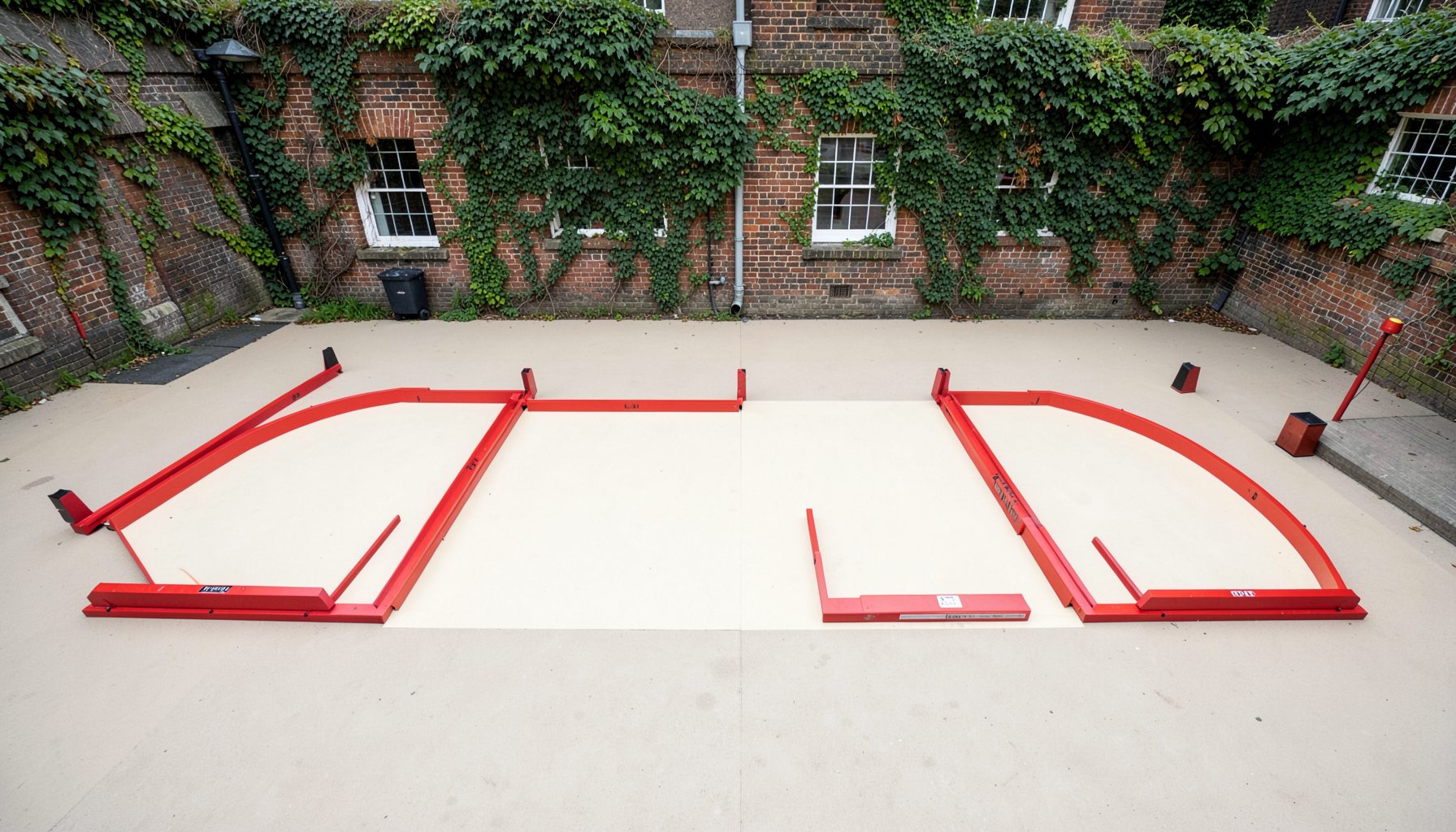
Rugby Fives is played in an enclosed court with a small ball struck directly with the hands. The ball can travel quickly, rebounds arrive at unfamiliar angles, and players must solve each exchange without the reach or power of a racket. Your existing fitness and court awareness will help, while touch, hand protection, and positioning will need focused practice.
The best transition happens gradually. Treat your squash experience as a collection of useful skills rather than a complete blueprint. Keep your movement intelligence, competitive discipline, and reading of the court, then rebuild your striking technique around the demands of Rugby Fives.
What Changes On The Court
The most obvious difference is the striking surface. In squash, the racket gives you an extended reach and a large hitting area. In Rugby Fives, the ball is played with the hand, so timing and precision become more important. Small changes in wrist position, contact point, or hand shape can turn a controlled shot into a loose ball.
The court also changes the way you judge space. A squash player often protects the central “T” and uses the side walls to move an opponent. Rugby Fives requires similar awareness of court position, but the ball’s rebound from the front and side walls may be lower, shorter, or more abrupt than expected. You will need to watch the ball closely after contact and adjust your feet before committing to a shot.
There is less time to recover from a poor decision. A racket can sometimes rescue a ball that has passed the ideal contact point. Your hand cannot cover the same area, so early movement and balanced preparation become central parts of every rally.
Build Your Fives Footwork
Your squash movement is a valuable asset, especially your ability to lunge, recover, and change direction. However, avoid carrying too much weight onto the front foot when reaching for the ball. Rugby Fives rewards a compact, stable base that allows you to strike and recover quickly rather than a long, dramatic stretch.
Use short adjustment steps as the ball approaches. Position your body so that the hitting hand can move through the ball without forcing the shoulder or wrist. When the ball is close to the wall, bend through the knees and hips instead of reaching down with a straight back. This creates better control and reduces unnecessary strain.
Recovery should begin as soon as the ball leaves your hand. Experienced players do not admire a good shot; they move immediately into a position that covers likely replies. A useful early goal is to finish every stroke balanced, facing the relevant wall, and ready to take the next ball.
Learn The Ball And Wall
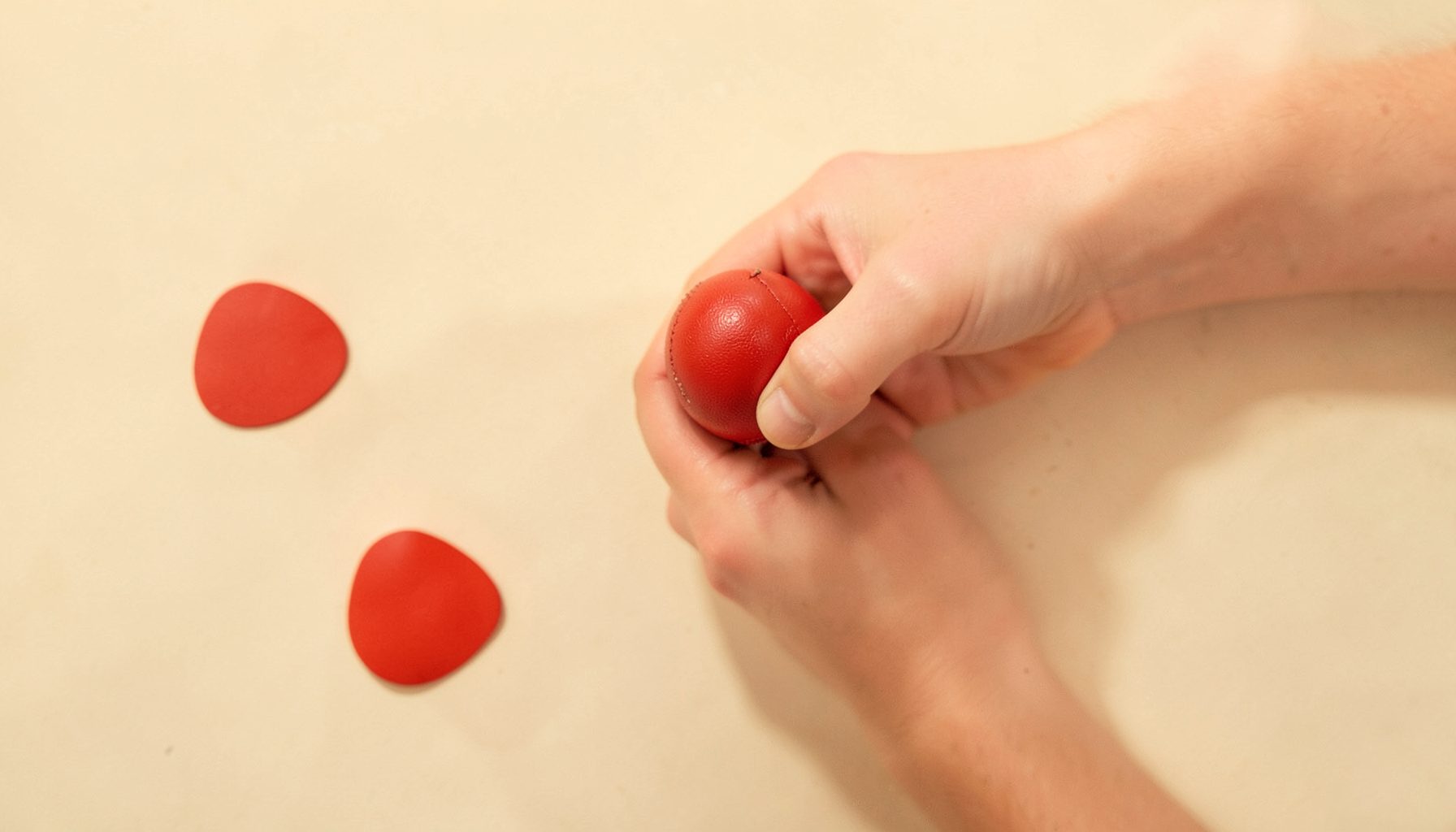
The Rugby Fives ball has a distinct feel and demands gradual familiarisation. Start with simple wall exercises before attempting full rallies. Strike the ball at a comfortable height, focus on a clean contact, and notice how different hand positions affect pace and direction. Both hands should be trained, even if one quickly becomes your preferred striking hand.
Squash players often try to generate power too early. In Rugby Fives, a firm, accurate shot is usually more useful than a hard but unpredictable one. Practise sending the ball to reliable areas of the wall, then add variation through height, angle, and pace. Your objective is to make the ball difficult to read while keeping your own recovery position secure.
Protecting the hand is part of responsible training. Begin with shorter sessions, allow the skin to adapt, and stop if pain becomes sharp or persistent. Clubs and coaches can advise on suitable taping, gloves, or other practical measures, especially when you are learning how the ball behaves in cold conditions or during intensive play.
Translate Your Tactical Awareness
Squash teaches you to construct rallies, change direction, and recognise when an opponent is out of position. Those skills transfer well. In Rugby Fives, however, the absence of a racket means that shot selection must account for your hand position, the ball’s height, and how quickly you can recover after striking.
Look for safe patterns first. A shot that keeps the ball under control and forces movement can be more valuable than an ambitious attempt at a winning angle. As your confidence grows, use changes of pace and direction to disturb your opponent’s rhythm. The best attacking opportunities often come after several disciplined exchanges.
| Squash habit | Rugby Fives adjustment | Training focus |
|---|---|---|
| Relying on racket reach | Move earlier and prepare the hand sooner | Compact footwork drills |
| Hitting with a large racket face | Use a firm, controlled hand shape | Short wall repetitions |
| Protecting the T position | Recover according to likely rebounds | Positioning games |
| Creating length through racket power | Combine height, angle, and pace | Target practice |
| Reading side-wall movement | Track the ball after every rebound | Observation and reaction drills |
A squash player may initially judge every shot through the logic of racket technique. Replace that instinct with a simple sequence: read the rebound, set the feet, choose a safe target, strike cleanly, and recover. Repeating this sequence will make your decisions faster without making them rushed.
Create A Practical Training Bridge
A structured transition programme can combine familiar squash conditioning with specific Fives practice. Keep some aerobic and movement work from your existing routine, but give priority to hand-eye coordination, short reactions, balance, and repeated low-position efforts. You do not need to abandon squash; use it to maintain fitness while Rugby Fives develops new technical habits.
Solo practice is useful, but coached and partner sessions reveal details that are difficult to identify alone. A coach can show you how to shape the hand, judge the ball off the wall, and select a better recovery position. Partner drills should begin with predictable feeds before progressing to open rallies and competitive points.
A useful weekly structure might include one technique session, one movement or conditioning session, and one relaxed game with a club or training partner. Keep the first sessions short enough to preserve quality. Recording a few rallies can also help you identify recurring errors, such as standing too close to the wall or striking while off balance.
Prepare For Your First Games
Your first competitive session should be treated as an opportunity to learn the rhythm of the sport. Arrive early enough to become familiar with the court, warm up the shoulders and hands, and practise gentle contacts before playing at full speed. Ask about local rules, scoring, court etiquette, and any equipment expected at the venue.
These recommendations can make the change more comfortable:
- Spend regular time on basic wall striking before entering intense games.
- Practise with both hands to improve balance, recovery, and defensive options.
- Focus on clean contact and court position before trying to hit winners.
- Increase session length gradually while monitoring hand and wrist soreness.
- Join a Rugby Fives club or coached session to learn the sport’s accepted techniques and etiquette.
Expect your first matches to feel unfamiliar. You may misread rebounds that would be routine in squash, mistime straightforward balls, or discover that your strongest squash shots do not transfer directly. These experiences are normal. Each rally teaches you more about the ball, the walls, and the positions that create time.
Find Your Place In Rugby Fives
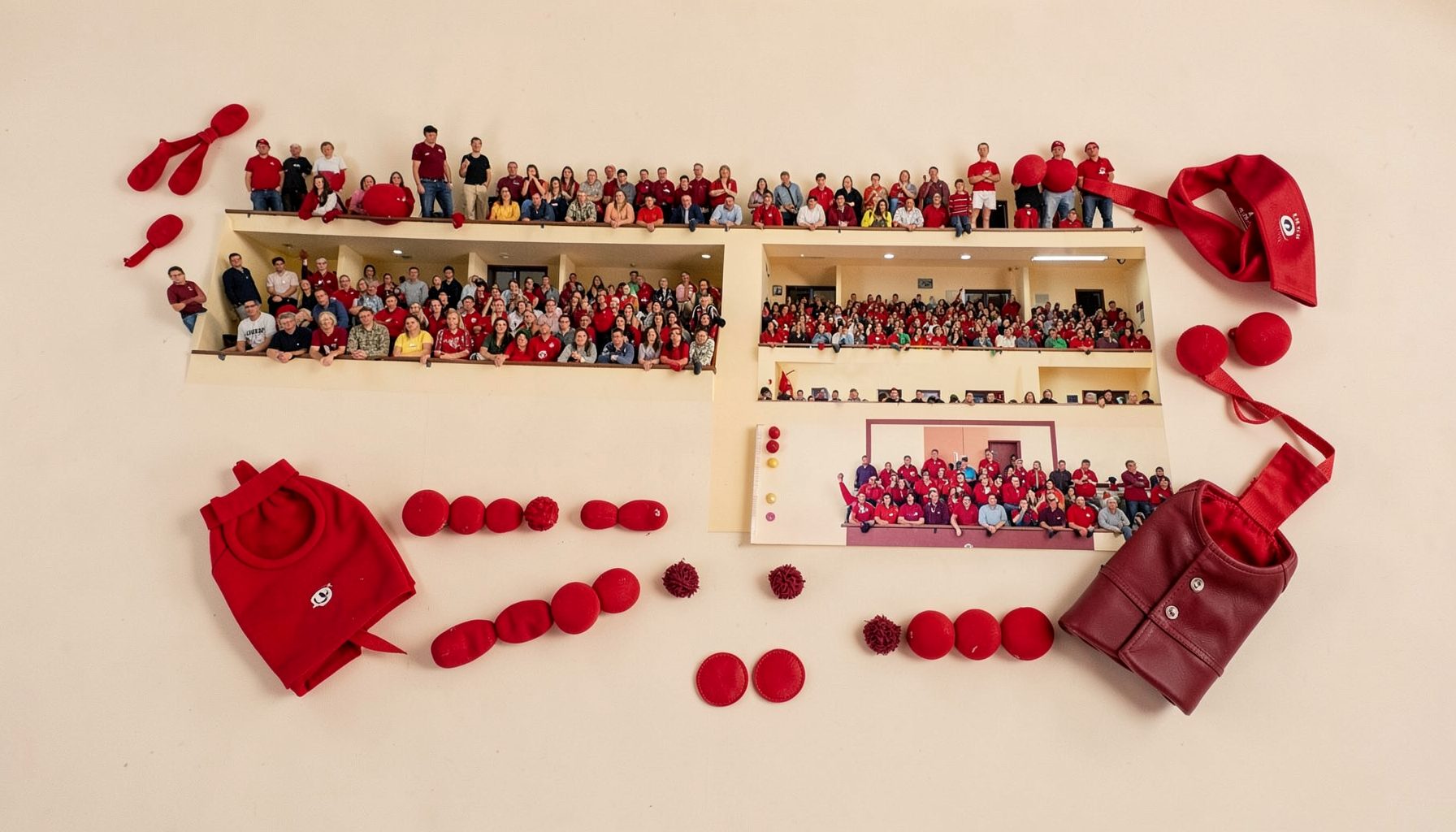
The fastest route to improvement is regular contact with experienced players. A club environment gives you access to practice partners, fixtures, coaching, tournaments, and advice on court-specific details. It also introduces the social side of the game, where players of different ages and abilities can train together and develop through competition.
The Rugby Fives Association supports the sport across the UK through clubs, schools, competitions, coaching, and community activity. Its resources can help new players locate opportunities, understand the wider playing network, and progress from casual practice to organised matches.
Bring your squash strengths with you: fitness, anticipation, resilience, and a willingness to construct a rally. Then give yourself time to develop the hand skills that make Rugby Fives distinctive. Find a nearby club or contact the Rugby Fives Association to arrange an introduction, book a coaching session, and begin building your first season on the Fives court.