

How to transport and store your Rugby Fives equipment properly
Good equipment care helps Rugby Fives players arrive ready for training, protect shared resources, and extend the useful life of essential kit. A ball that has been left damp, gloves crushed in a bag, or court shoes stored with muddy clothing can all affect comfort, grip, hygiene, and performance.
Whether equipment belongs to an individual, a school, a club, or a tournament organiser, a simple routine makes a significant difference. Transport should prevent impact and contamination, while storage should control moisture, heat, pressure, and clutter.
The best system is practical enough to follow after every session. It should also make it easy to identify missing items before travelling to a fixture, championship, coaching session, or school programme.
Prepare equipment before leaving the court
Begin by separating used equipment from clean items. Place worn clothing, damp socks, and sweatbands in a ventilated laundry bag rather than sealing them immediately inside the main kit bag. Trapped moisture creates an unpleasant smell and encourages bacterial growth.
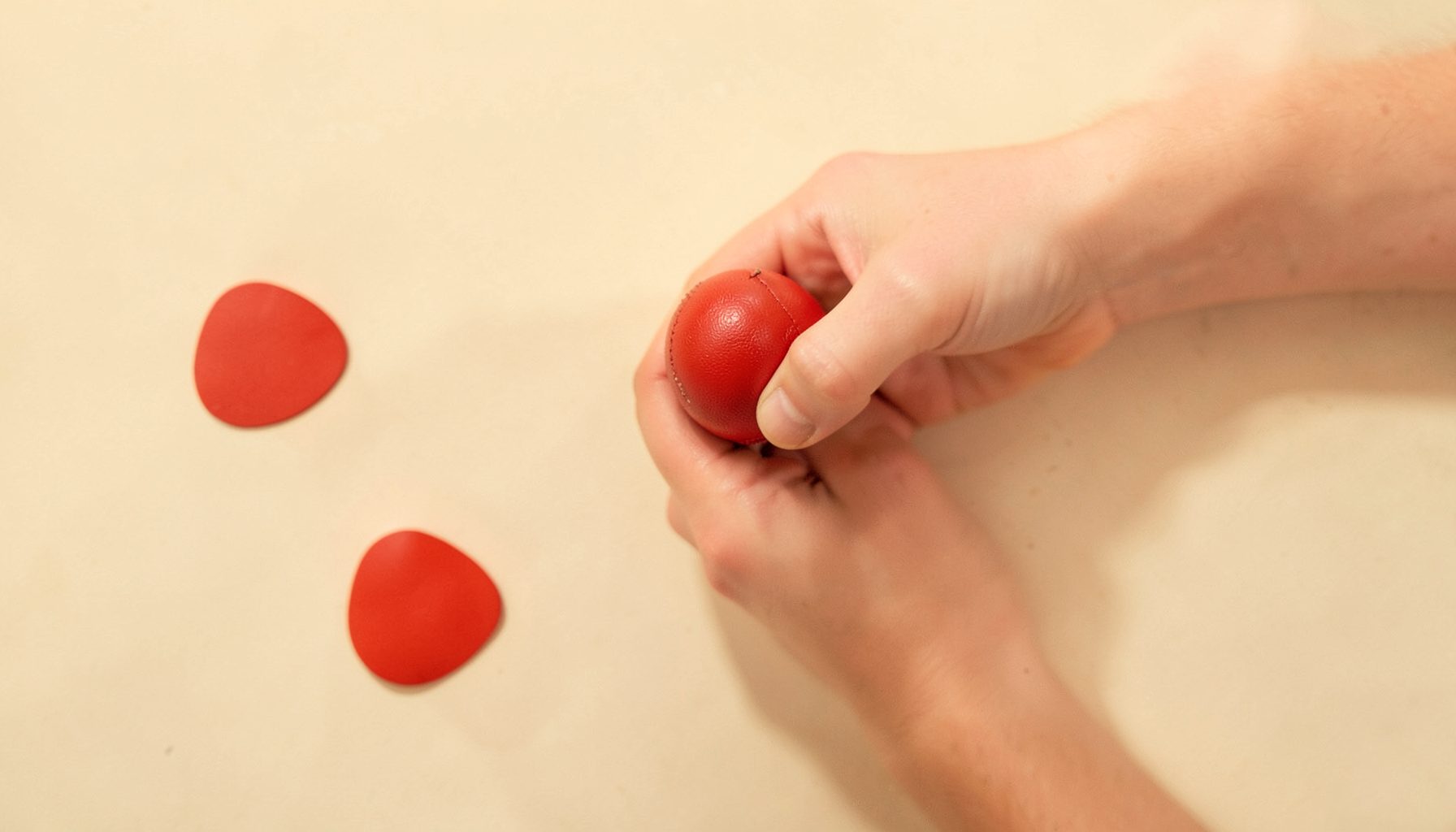
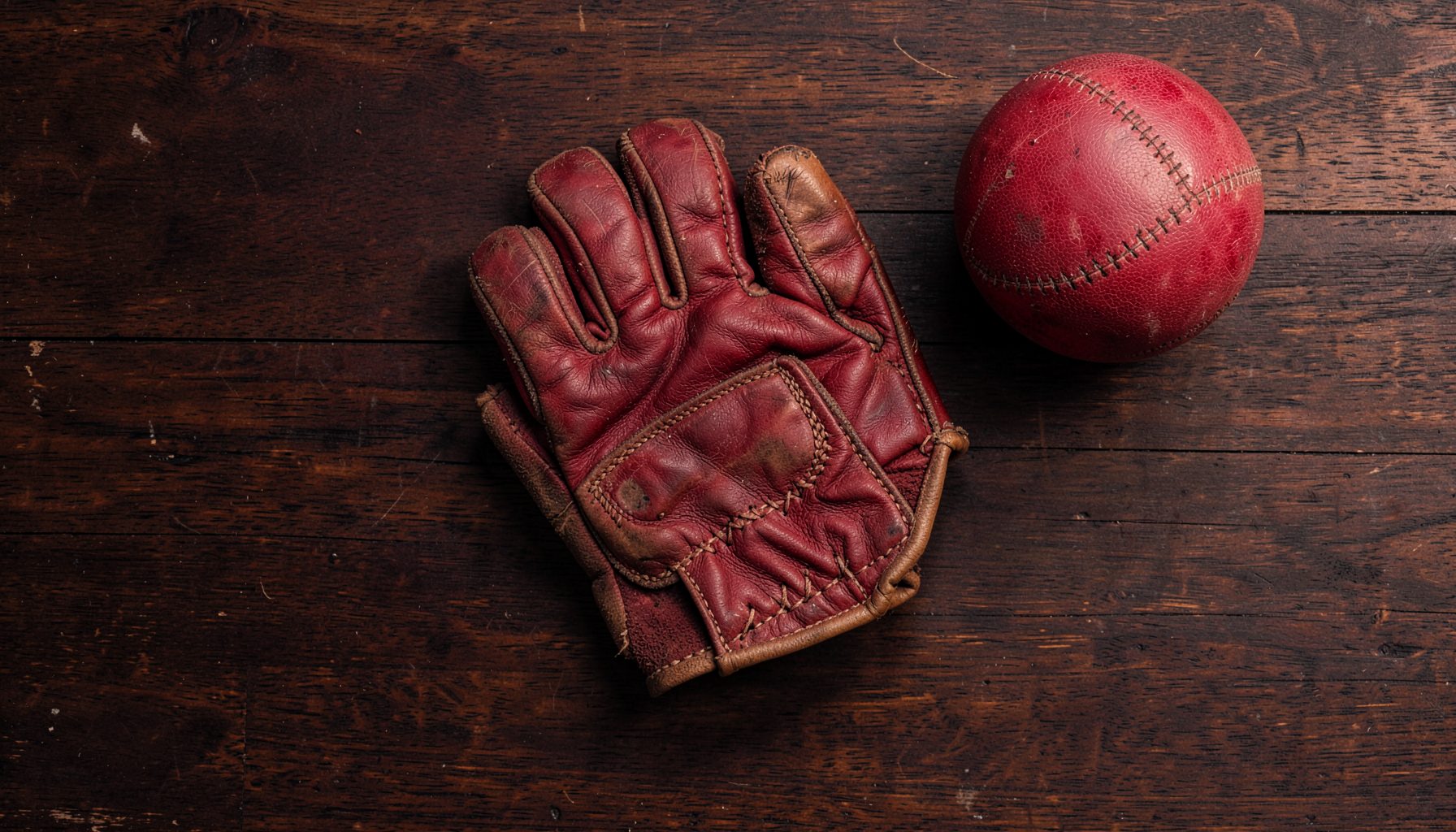
Wipe the Rugby Fives ball with a soft, slightly damp cloth if it has picked up dust or residue from the court. Avoid soaking leather or synthetic surfaces. Allow the ball to dry naturally before placing it in a protective compartment, and check for unusual wear, loosened stitching, or a loss of shape.
Gloves deserve particular attention. Brush away surface dust and let perspiration evaporate before storing them. Do not fold them tightly or leave them beneath heavy shoes, water bottles, or protective equipment. Keeping their shape helps preserve fit and hand movement.
Choose a suitable kit bag
A durable sports bag with separate compartments is usually more useful than a single large holdall. Look for strong handles, secure zips, a washable lining, and a ventilated section for footwear or damp clothing. A dedicated ball compartment can stop the ball from being compressed by harder objects.
Use lightweight pouches for smaller items such as hand tape, spare laces, plasters, grip aids, and personal hygiene products. Clear pouches make stock checks quicker when several players share equipment. Labelled bags are especially helpful for school groups and clubs that transport kit between venues.
Avoid overfilling the bag. Excess pressure can deform a ball, crease gloves, damage zips, and make the bag harder to carry safely. Place heavier objects at the base, keep fragile items towards the top, and use a separate bottle pocket to reduce the risk of leaks.
Protect equipment during travel
For short journeys, keep the bag upright and secure it so that it cannot slide around in a vehicle. Do not leave equipment loose in a boot where it may be crushed by other luggage. If several players’ possessions are being transported together, use labelled containers or numbered kit bags to prevent mix-ups.
Longer journeys require extra care. Never leave a kit bag in direct sunlight or in a hot vehicle for extended periods. High temperatures can soften adhesives, affect synthetic materials, and create a humid environment inside the bag. In cold conditions, allow equipment to return gradually to room temperature before aggressive cleaning or use.
When travelling by public transport, retain essential personal items in a compact day bag. Balls, gloves, and shoes should remain protected from rain, dirt, and contact with hard surfaces. A waterproof outer cover is useful in wet weather, but it should be removed once indoors so moisture can escape.
| Equipment | Transport method | Storage practice | Routine check |
|---|---|---|---|
| Rugby Fives ball | Separate padded compartment or protective sleeve | Cool, dry shelf away from sharp objects | Shape, surface, seams, cleanliness |
| Gloves | Flat pouch or breathable compartment | Air-dry fully and keep free from pressure | Fit, grip, odour, worn areas |
| Court shoes | Ventilated shoe section | Dry naturally, then store with laces loosened | Soles, tread, dampness, damage |
| Clothing and towels | Washable laundry bag | Remove promptly and wash after use | Moisture, stains, fabric condition |
| Tape and small accessories | Sealed labelled pouch | Dry drawer or equipment box | Quantity, packaging, expiry dates |
| Shared club kit | Numbered container or inventory bag | Shelved by category and ownership | Missing items, cleanliness, replacement needs |
Dry, clean, and inspect after every session
A reliable post-session routine should take only a few minutes. Empty the bag, remove rubbish, open every damp compartment, and hang clothing separately. Clean footwear soles with a soft brush and allow them to dry away from radiators, heaters, and direct sunlight.
Do not use a tumble dryer or high heat on gloves, technical fabrics, or shoe components unless the manufacturer specifically permits it. Heat may shrink materials, weaken bonding, and alter the fit. Air circulation is safer and usually sufficient.
Inspect equipment while cleaning it. Look for cracked soles, loose stitching, peeling layers, damaged fasteners, and changes in the ball’s shape or surface. Early repairs are generally cheaper and reduce the chance of equipment failing during a match or coaching session.
Store equipment in the right environment
The ideal storage area is cool, dry, clean, and well ventilated. A shelf, locker, or lidded equipment cupboard is preferable to a damp garage floor or an enclosed space beside a radiator. Keep bags raised from the ground to reduce exposure to spills, dust, and cold condensation.
Avoid storing equipment in sealed plastic boxes while it is still damp. Airtight containers are useful for clean accessories, but they can hold moisture against fabric and leather. For regular club use, open shelving or ventilated crates allow staff and volunteers to inspect kit quickly.
Shared equipment should have a clear home. Store balls together, separate clean gloves from used ones, and keep first-aid supplies and consumables in a marked section. A basic inventory record can track quantities, condition, cleaning dates, and the person responsible for returning items.
Manage shared and competition equipment
Clubs, schools, and tournament organisers often move equipment between courts, halls, and storage rooms. Assigning one person to check kit in and out prevents small losses from becoming repeated costs. A simple checklist should include balls, gloves, footwear, clothing, cleaning materials, first-aid supplies, and spare accessories.
Use durable labels that can withstand handling and occasional cleaning. Colour coding can distinguish school sets, club property, coaching equipment, and personal belongings. When equipment is loaned to players, record its condition before and after use, particularly for higher-value or specialist items.
At competitions and championships, keep a transport inventory with the event documents. Separate reserve items from active match equipment so that spare balls and supplies are easy to locate. After the event, complete the return check before loading vehicles, rather than relying on memory after a long day.
Build a simple care routine
A consistent routine is more valuable than expensive storage products. These practices help players and organisations keep Rugby Fives equipment ready for use:
- Use a ventilated kit bag with separate sections for balls, footwear, clothing, and accessories.
- Air-dry gloves, shoes, and clothing before placing them in long-term storage.
- Keep the ball away from sharp objects, heavy pressure, extreme heat, and damp conditions.
- Label shared equipment and maintain a basic inventory after training and fixtures.
- Replace damaged or unhygienic items before they affect safety, comfort, or participation.
Good storage also supports inclusive participation. Players should be able to find clean, functional equipment without embarrassment or delay, while coaches and volunteers need a system that works across busy sessions. Clear routines reduce preparation time and help schools and clubs make better use of their resources.
The Rugby Fives Association supports the sport through clubs, schools, competitions, coaching, and community activity. Players and organisers can strengthen that work by caring for equipment between sessions and sharing sensible maintenance habits with teammates. Pack carefully, store responsibly, and keep your kit ready for the next court, fixture, or training opportunity.