

How to Use a Practice Wall for Solo Rugby Fives Training
A practice wall can turn a quiet corner of a sports centre, school, or club into a useful Rugby Fives training space. With one player, one ball, and a clear target, you can develop reliable hand skills, sharper movement, and better concentration without waiting for a partner or booking a full court.
Solo training is especially valuable between matches and coached sessions. It allows you to repeat a specific shot many times, notice technical flaws, and build confidence at a controlled pace. The aim is not simply to hit the ball hard. Effective wall work should resemble the decisions, positioning, and rhythm required during a rally.
Choose exercises that match your current ability, then increase speed and variation gradually. A few focused sessions each week can improve consistency more effectively than an occasional, exhausting session with no clear purpose.
Choose A Safe And Useful Wall
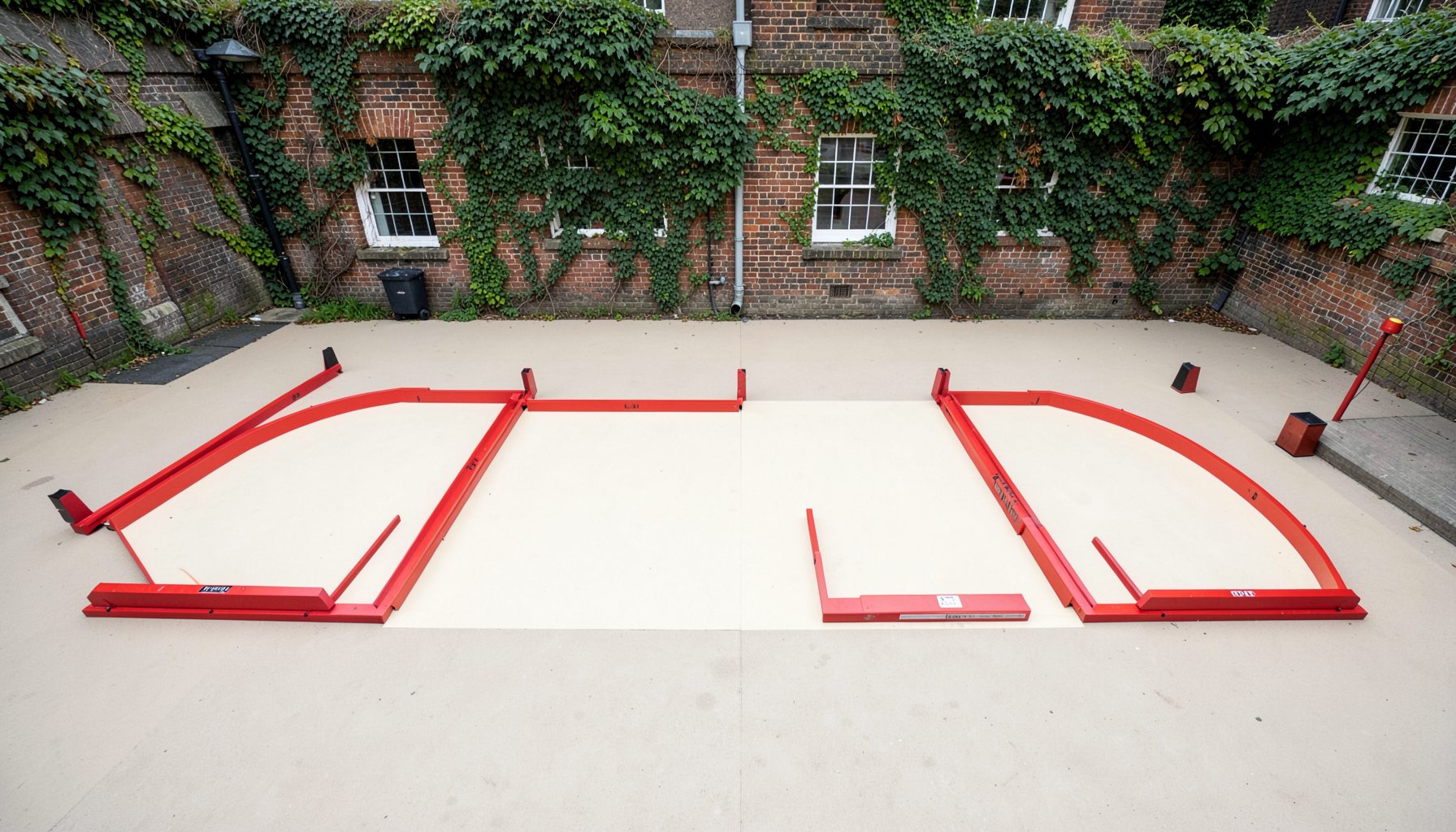
The best practice surface is a solid, smooth wall with enough height and width for the ball to rebound predictably. A squash or Fives front wall is ideal, but a suitable sports hall wall can work if it has no loose panels, sharp edges, windows, or nearby obstacles. Check the floor as well; dust, moisture, and uneven surfaces make quick changes of direction unsafe.
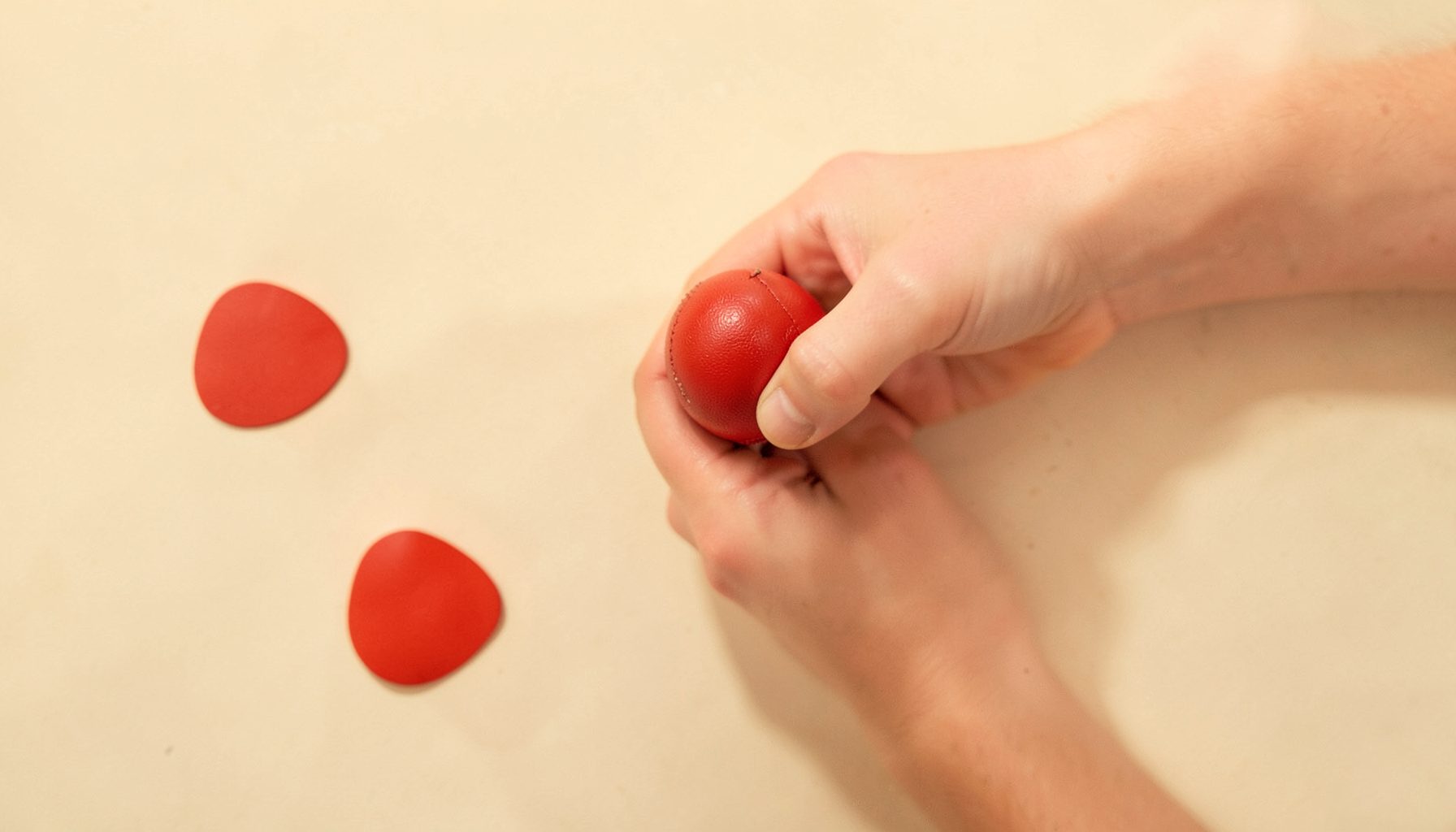
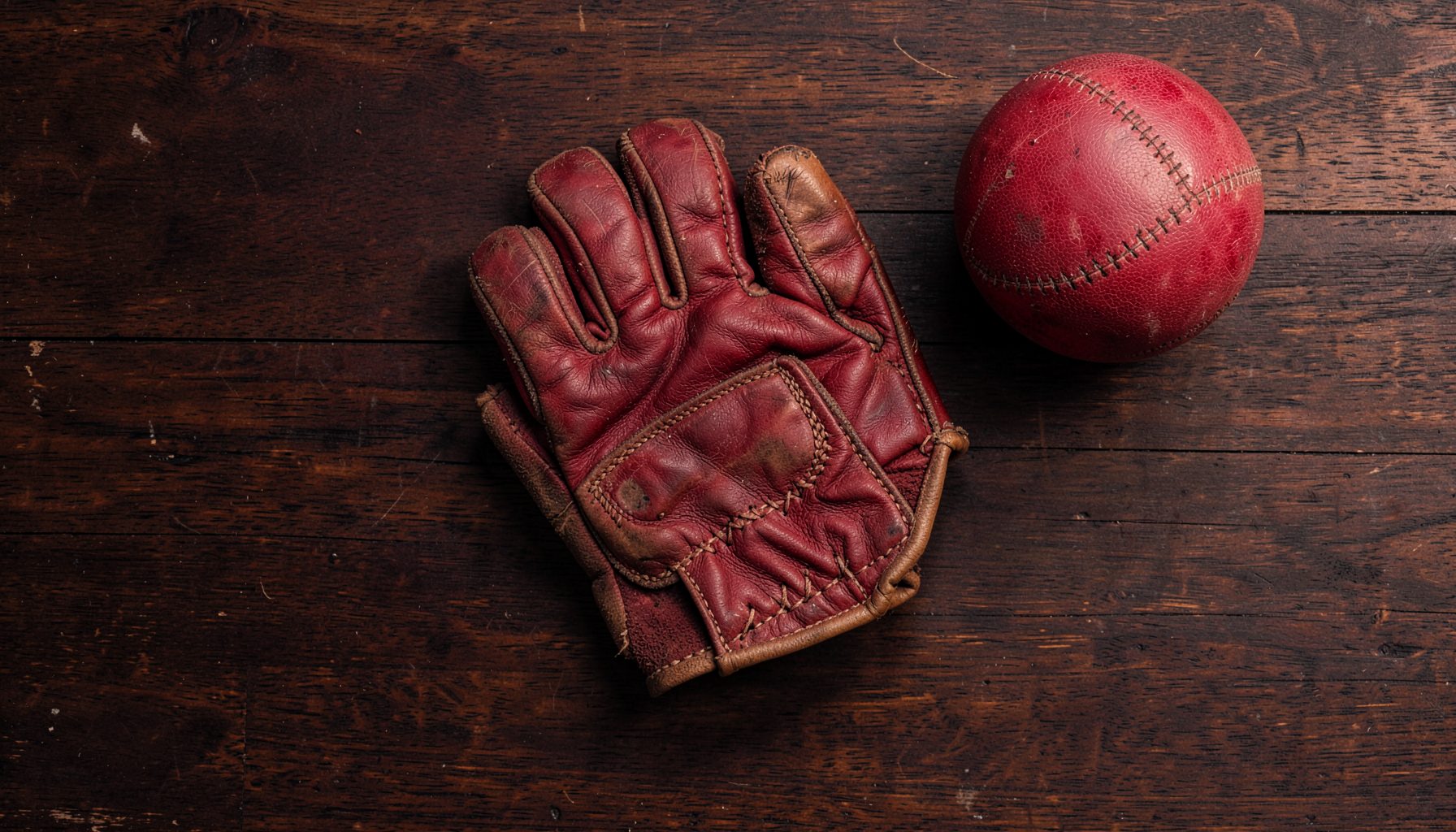
Use an approved Rugby Fives ball and wear court shoes with good grip. Hand protection is usually unnecessary for light technical practice, though players should follow their club or coach’s guidance. Leave plenty of space behind and beside you, since a rebound can travel away from the intended line.
Stand far enough from the wall to react comfortably. A distance of roughly two to four metres gives most players time to prepare, although the right position depends on the rebound speed and the exercise. Begin with controlled pace before moving closer or striking harder.
Build A Simple Solo Session
Start with five minutes of general movement. Jog lightly, circle the shoulders, loosen the wrists, and perform gentle side steps. The hands and forearms should be warm before repeated ball contact begins. A short preparation routine also helps you arrive mentally ready to concentrate.
The first technical block should use easy forehand strikes. Send the ball to a consistent area of the wall, allow it to return, and play it again before it drops too low. Focus on a relaxed open hand, a stable wrist, and a compact swing. Accuracy matters more than force.
After a few minutes, change the challenge rather than immediately increasing power. Aim at different wall zones, alternate heights, or take one step sideways after every strike. Finish with a short period of free rallying, keeping the ball alive for as long as possible. Rest before your technique becomes hurried or careless.
Improve Control With Clear Targets
A practice wall becomes more productive when every exercise has a target. Mark imaginary or temporary zones on the wall: low, middle, and high; left, centre, and right. Try to hit one zone repeatedly, then call the next zone before making the shot. This develops precision and encourages you to prepare early.
Work through forehand and backhand contacts separately before combining them. For a forehand, turn the body slightly, keep the non-playing hand balanced, and meet the ball in front of the body. On the backhand side, avoid reaching across too late. Move the feet first so the ball stays within a comfortable hitting range.
Control the height and pace of the rebound. A high, soft return gives you time to recover, while a lower, faster ball demands quicker preparation. Practise both. Match play can change rapidly, and players who only train at one speed may struggle when an opponent alters the rhythm.
Add Footwork And Recovery
Good wall practice should include movement between contacts. Start in a balanced ready position with the knees relaxed and weight centred on the balls of the feet. After striking, recover to a position from which you can reach either side. This habit prevents the common mistake of admiring a shot instead of preparing for the next one.
Use simple patterns first. Play a forehand, shuffle two steps left, play the next ball, then shuffle back. Repeat on the opposite side. Another option is to move forward after a softer strike and retreat after a higher rebound. Keep the steps short and controlled rather than crossing the feet at speed.
You can also practise a split-step rhythm. As the ball leaves the wall, make a small bounce so both feet are ready to push in either direction. This movement is subtle, but it improves reaction time and makes changes of direction more efficient. Stop the drill if your feet begin to tangle or your posture collapses.
Connect Wall Drills To Match Play
The wall cannot reproduce every feature of a Rugby Fives court, but it can rehearse several important match skills. Imagine an opponent’s position and choose a shot that would make their next return difficult. A controlled ball to one side, followed by recovery to the centre, is more useful than random hitting.
Use the following progression to organise a focused practice block:
| Practice Focus | Drill Method | Main Skill |
|---|---|---|
| Straight forehand | Hit the same central zone for 20 contacts | Clean contact and balance |
| Straight backhand | Repeat on the opposite side | Preparation and footwork |
| Alternating sides | Change forehand and backhand each rebound | Recovery and coordination |
| Target changes | Call high, middle, or low zones before striking | Accuracy and decision-making |
| Pressure rally | Count consecutive returns with a reset after an error | Concentration and consistency |
Include service-related movement where appropriate by beginning each sequence from a realistic starting position. You can rehearse the body turn, first step, and controlled delivery without trying to imitate a complete competitive service in a restricted space. The purpose is to connect the opening movement with the first rally contact.
Create pressure by setting a target such as 15 clean returns or three successful sequences to each wall zone. If you miss, record the reason: poor footwork, late preparation, excessive force, or an inaccurate target. This makes solo practice more like purposeful coaching and less like repetitive exercise.
Track Progress And Protect Quality
Keep a brief training record after each session. Note the duration, the longest controlled rally, the drills completed, and one technical point to revisit. Over time, these records show whether improvement comes from better accuracy, longer concentration, or increased movement speed.
Video can provide useful feedback when a phone can be placed safely away from the playing area. Review whether the feet remain active, whether the hitting hand finishes under control, and whether you recover after every shot. Avoid changing several technical details at once; choose one priority for the next session.
Use short intervals to protect quality. For example, work for four minutes, rest for one minute, and repeat three or four times. Stop when pain appears, especially in the wrist, elbow, shoulder, or hand. Normal fatigue is different from sharp or persistent discomfort and should not be ignored.
Make Every Session Count
Solo wall work is most effective when it supports regular club play, coaching, and competitive experience. A wall can sharpen technique, but partners and opponents teach you to read angles, manage pressure, and respond to unpredictable choices. Combine both forms of practice whenever possible.
Use these principles to keep your training focused:
- Set one technical goal before you begin, such as cleaner backhand contact or faster recovery.
- Start slowly enough to maintain correct posture and control.
- Use targets and rally counts so improvement can be measured.
- Include both sides of the body and move after every strike.
- Finish with a successful, controlled sequence rather than training until technique breaks down.
A well-planned practice wall session can fit into a lunch break, a school sports period, or the final part of a club evening. It builds the habits that support confident play: early preparation, accurate hands, active feet, and calm recovery.
Take these drills to your nearest suitable wall, record your first benchmark, and repeat the session regularly. Then bring the improvements to a Rugby Fives club, coaching session, or competition through the Rugby Fives Association network, where solo preparation can become stronger court play with other players.