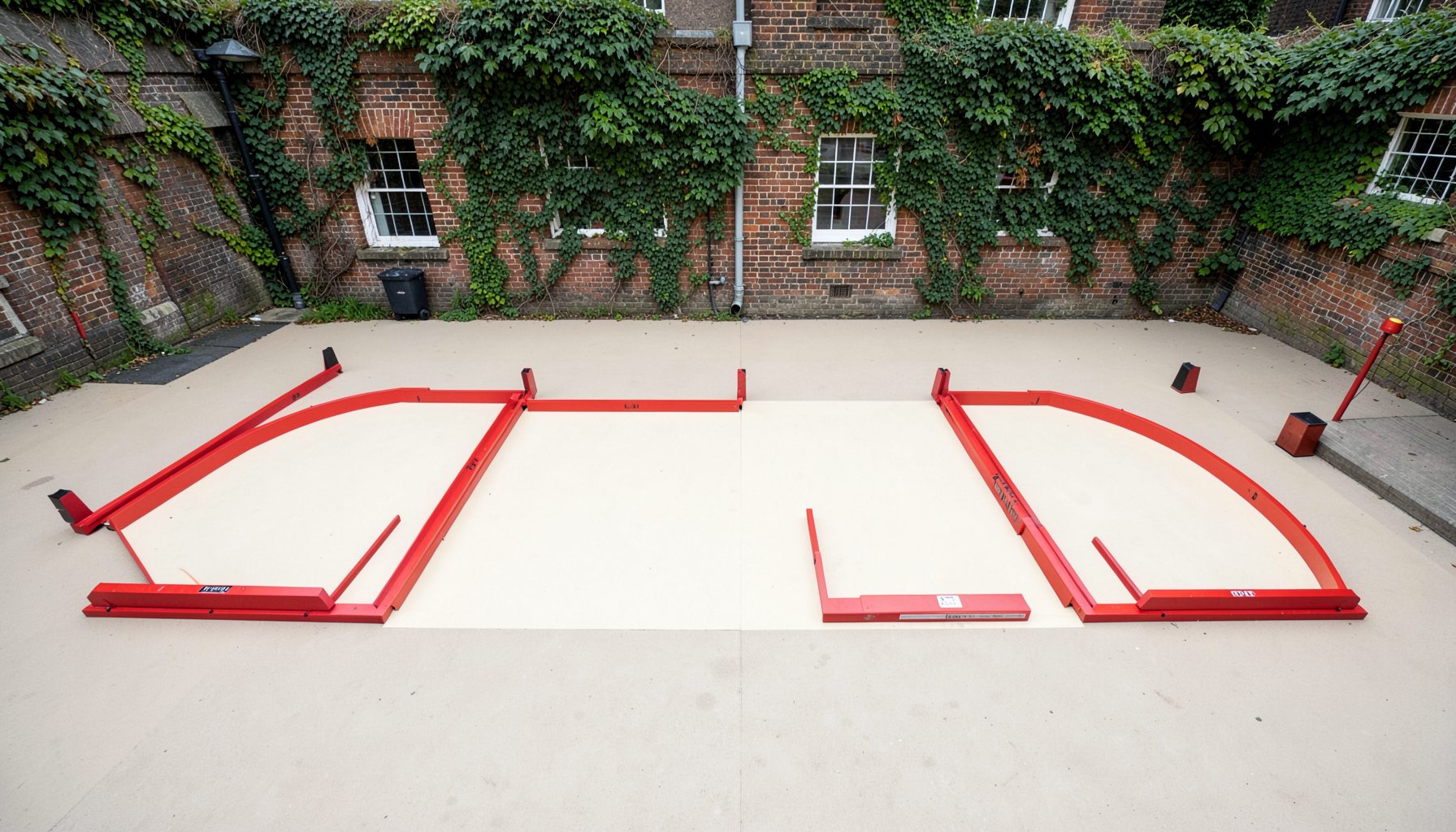




How to Volunteer as a Rugby Fives Official
Volunteering as a Rugby Fives official is a practical way to support matches, meet people across the sport, and develop a deeper understanding of the game. Officials help competitions run fairly and efficiently, whether they are overseeing a match, recording results, assisting with fixtures, or supporting players at a tournament.
The role can suit experienced players, former competitors, coaches, teachers, parents, students, and anyone interested in contributing to the Rugby Fives community. You do not necessarily need years of playing experience to begin. Reliability, concentration, good communication, and a willingness to learn are often just as important.
The Rugby Fives Association brings together clubs, schools, players, coaches, and volunteers throughout the UK. By contacting the association or a nearby club, you can discover suitable opportunities and find out which responsibilities require training or previous experience.
Learn What Match Officials Do
A Rugby Fives official may have several responsibilities depending on the venue and competition. The central duties can include applying the rules, making decisions during play, managing the score, recording results, checking court arrangements, and helping players understand match procedures.
At a local fixture, one volunteer might oversee the match while another records the score or helps coordinate the running order. Larger championships and tournaments may need people to welcome teams, update draws, manage timing, assist with rankings, and communicate results to the organisers.
The work demands calm judgement. Decisions should be consistent, clearly explained, and made without favouring either player or team. Officials also need to understand when to seek assistance from a tournament director or safeguarding lead rather than attempting to handle an unfamiliar issue alone.
Find Your Entry Point
The easiest way to begin is to contact the Rugby Fives Association, a local club, or the organiser of a school or community event. Explain your interests and experience, then ask which volunteer roles are currently available. A first assignment may involve supporting the scoring desk or observing an experienced official before taking responsibility for a match.
Players who want to become officials can benefit from discussing court positioning, rules interpretation, and match management with coaches. If you are still developing your own game, resources such as find a local coach can help you build the playing knowledge that supports confident officiating.
Schools and clubs can also be useful entry points for younger volunteers. Teachers, club officers, and senior players may offer supervised opportunities at junior fixtures. This arrangement lets new officials practise communication and decision-making in a supportive setting.
Choose A Role That Fits
There is no single route into officiating. Some volunteers prefer the concentration required at court side, while others enjoy the organisation and teamwork involved in running a tournament. Consider the responsibilities below before committing to your first event.
| Volunteer role | Typical responsibilities | Useful qualities | Suitable starting point |
|---|---|---|---|
| Match official | Apply rules, manage play, communicate decisions | Focus, fairness, confidence | Club fixture with mentoring |
| Scorer or results recorder | Track points, verify scores, submit results | Accuracy, organisation | School or local competition |
| Tournament assistant | Help with draws, schedules, arrivals, and court allocation | Teamwork, flexibility | One-day tournament |
| Court or venue steward | Prepare courts, guide participants, report practical issues | Reliability, awareness | Club event |
| Junior competition helper | Support young players and organisers under supervision | Patience, safeguarding awareness | School programme |
Starting with a supporting role can be a sensible way to understand how an event works. You can then move into match officiating when you feel comfortable with the rules and the pace of live play.
Some volunteers eventually specialise. Others combine roles, officiating on court during fixtures and helping with administration at championships. The important point is to communicate your availability honestly so organisers can assign responsibilities safely and effectively.
Prepare Before Your First Fixture
Before an event, read the relevant rules and ask the organiser how decisions are expected to be made. Clarify the match format, scoring system, schedule, court allocation, reporting process, and procedure for disputes. If the competition has specific regulations, learn those in advance rather than relying on assumptions from another event.
Arrive early enough to inspect the court and confirm where players, officials, equipment, and spectators should be located. Check that scoring materials, timing devices, result forms, and contact details are available. Small preparation tasks can prevent confusion once matches begin.
Wear suitable clothing and footwear for the venue, carry a pen and notebook, and keep your phone available for event communication when appropriate. You should also know who the lead organiser is and how to escalate a concern. Safeguarding, injury, conduct, or facility problems should be reported promptly through the event’s agreed process.
Build Confidence Through Mentoring
New officials improve quickly when they observe experienced people and receive specific feedback. Ask whether you can shadow a referee, scorer, or tournament director. Watch how they prepare, where they stand, how they communicate decisions, and how they keep the match moving without creating unnecessary tension.
During your first matches, focus on a few fundamentals: follow the play carefully, make decisions promptly, use clear language, and keep accurate records. You do not need to sound dramatic or dominate the court. A composed and consistent manner usually earns greater trust than excessive commentary.
After the fixture, review what happened with the lead official. Discuss any uncertain calls, moments when the score became difficult to track, and ways to improve communication. Keeping brief notes after each assignment can reveal patterns in your development and identify areas for further rules study.
Follow Standards Of Fairness
An official’s credibility depends on impartiality. Declare any close personal connection to a player or team before accepting an assignment, and follow the organiser’s guidance if a conflict of interest exists. Treat every participant with the same level of courtesy, regardless of age, ranking, club, or experience.
Good officiating also includes respectful communication. Give explanations when they are helpful, but avoid lengthy arguments during active play. If a player challenges a decision, listen briefly, restate the ruling if needed, and refer persistent disputes to the appropriate competition authority.
Inclusive volunteering matters across Rugby Fives. Officials help create an environment where newcomers, juniors, women and girls, disabled participants, and players from different backgrounds can take part with confidence. Learn the event’s safeguarding expectations and report concerns through the correct channel rather than attempting an informal resolution.
Make Volunteering A Regular Contribution
Once you have completed an initial assignment, tell the association or club what you enjoyed and what you would like to learn next. Regular availability can help organisers plan fixtures, tournaments, school sessions, and championship support more effectively.
A useful development path might include:
- Observe an experienced official at a club or school fixture.
- Volunteer as a scorer, results assistant, or court steward.
- Study the current competition rules and event procedures.
- Take responsibility for a supervised match or section of a tournament.
- Request feedback and keep a record of completed officiating duties.
Consistency is valuable. Arriving prepared, completing result paperwork accurately, and communicating promptly can make you a trusted member of the volunteer network. Over time, you may be invited to support higher-level competitions or help train other newcomers.
Volunteering can also strengthen your own playing knowledge. Seeing different styles, tactics, and match situations from court side often improves awareness of movement, timing, and decision-making. For coaches and teachers, officiating provides a clearer understanding of the challenges players face during competition.
Contact the Rugby Fives Association or your nearest club to register your interest in volunteering. Begin with a supervised role, learn from experienced officials, and take part in the fixtures and tournaments that keep Rugby Fives active across the UK. Your time and attention can help create fairer matches, better events, and a stronger future for the sport.