



How to Watch Rugby Fives And Enjoy Every Rally
Rugby Fives is a fast, compact wall-ball sport in which players use gloved hands instead of rackets. A match can look mysterious at first: the ball travels at sharp angles, rallies may finish in seconds, and much of the action happens close to the walls. Once you know what to watch for, however, the court becomes remarkably easy to read.
The spectator experience is built around anticipation. Players create openings by changing pace, height, direction, and depth, then react instantly when an opponent sends the ball back. Watching well means following the tactical contest as much as the ball itself.
Whether you are attending a school fixture, club competition, county event, or national championship, a little preparation makes the occasion more rewarding. Understanding the court, the scoring, player movement, and match etiquette will help you appreciate the skill behind each successful rally.
Recognising The Court And Equipment
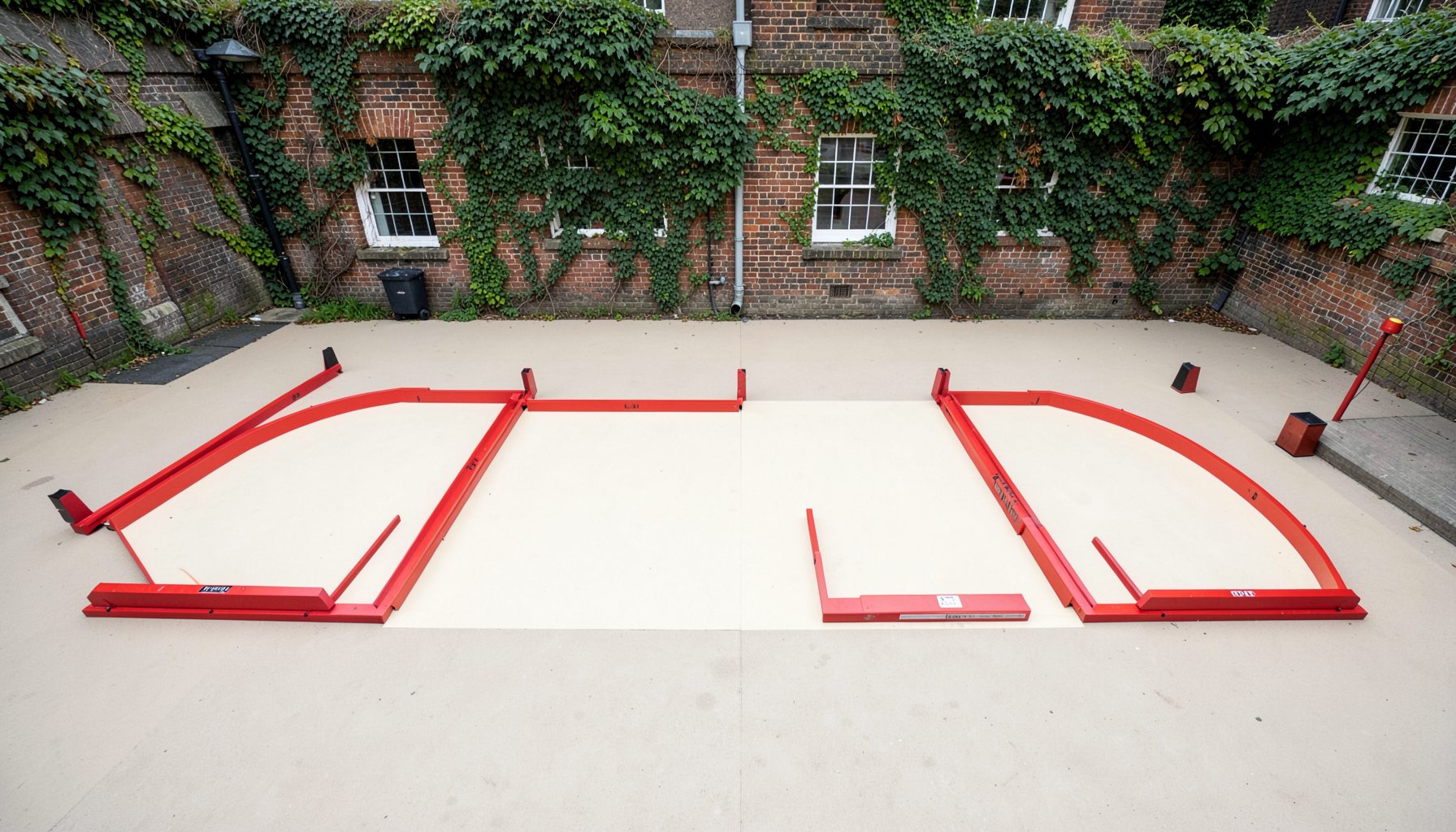
A Rugby Fives court has four walls, with the front wall serving as the primary target. Players strike the ball so it reaches the front wall above the required line and lands in a way that makes the next return difficult. The side walls and back wall are active parts of the rally, so the ball may rebound in several directions before a point ends.
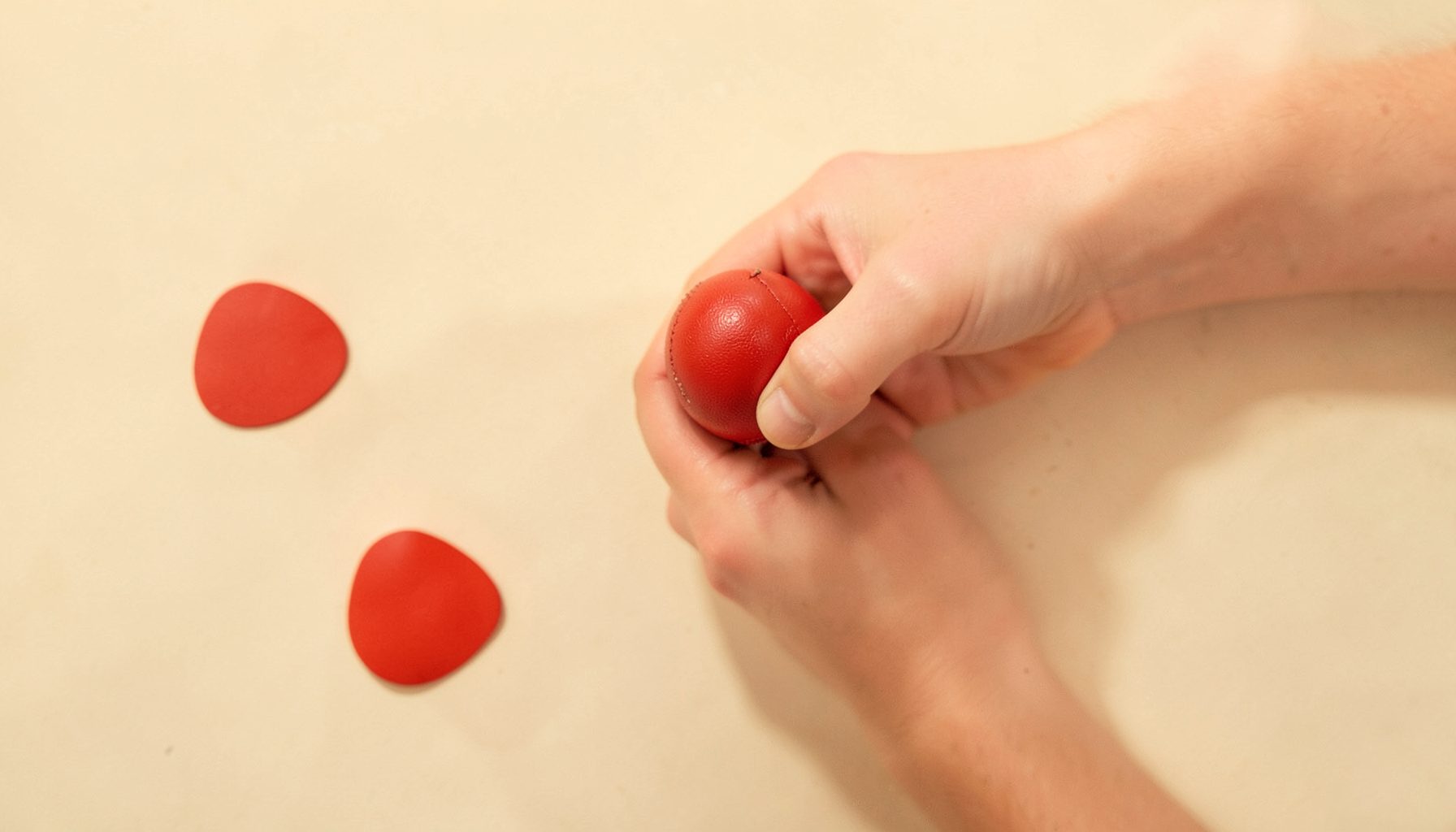
The ball is small and hard, and players generally wear protective gloves designed to cushion repeated impacts while preserving control. Unlike squash or tennis, there is no racket to extend a player’s reach. Watch the hand position, body shape, and footwork: a controlled strike often begins with a small adjustment that places the player in the best position for the next shot.
The court’s enclosed design creates an intimate atmosphere. Spectators are close to the action, but the speed of the ball means that safe viewing areas and event instructions should always be respected. At larger venues, officials may guide spectators to specific positions or ask them to remain still during a rally.
Following A Rally In Real Time
New spectators often try to watch the ball continuously, but its pace can make that difficult. A better approach is to track the player who has just struck it, then shift your attention toward the likely landing area. The opponent’s stance usually reveals the intended return zone before the ball arrives.
Look for the height and angle of each shot. A high ball may give a player time to recover or push an opponent away from the strongest position. A lower, faster shot can put immediate pressure on the receiver. Shots directed into corners or along the side walls are especially valuable because they reduce the available space for a response.
Rallies also contain a rhythm of attack and defence. One player may appear to be retreating, yet be deliberately waiting for a loose ball. A sudden change from defensive lifting to an aggressive drive can turn the point around. Once you begin identifying these phases, individual rallies become short tactical stories rather than a blur of movement.
Understanding Scoring And Match Flow
Match formats can vary according to the competition, age group, and event regulations, so spectators should check the programme or ask an official about the specific rules in use. Generally, points are won through errors, successful pressure, or a return that the opponent cannot play legally. Service order and court procedures may also differ between formats.
The score matters because it changes risk-taking. Early in a game, players may build rallies patiently and test weaknesses. Near game point, a competitor might attempt a sharper angle or faster attack, while the player under pressure may choose a safer return. Notice how the same shot can have a different purpose depending on the score.
| Match Feature | What To Watch For | Why It Matters |
|---|---|---|
| Serve or opening play | Placement, height, and immediate recovery | Starts the rally and can shape the first attacking opportunity |
| Rally construction | Changes in pace, angle, and depth | Reveals how a player creates space |
| Defensive response | High returns, blocks, and recovery steps | Shows how pressure is absorbed or redirected |
| Finishing shot | A difficult angle or fast drive | Ends the rally when the opponent has limited options |
| Score situation | Safer play or increased risk near game point | Explains tactical changes late in a game |
Between games, players may take a brief break, receive coaching where permitted, and reset their strategy. Use these pauses to review what has changed. Has one player begun targeting a particular wall? Is the opponent standing farther forward? Small adjustments can explain the next run of points.
Reading Movement And Tactics
Footwork is one of the clearest signs of quality play. Strong players recover quickly after every strike, returning toward a useful central position rather than admiring a good shot. Their aim is to arrive early enough to choose between several returns, while forcing the opponent to reach from an awkward position.
Pay attention to court positioning before the ball reaches the front wall. A player close to the front may be preparing to attack but risks being caught by a deep return. Someone farther back may have more time to react, yet can lose control of the rally if the opponent keeps the ball low. The best position changes constantly according to the ball’s speed and angle.
In doubles, communication and spacing become especially important. Partners must avoid occupying the same area, cover likely rebounds, and decide who will take a difficult ball. A successful pair often appears calm because each player understands the other’s movement. Watch for verbal calls, gestures, and quick changes of position between shots.
Choosing A Good Viewing Position
The best place to watch depends on the venue and the event layout. A central position usually offers a balanced view of both players and the front wall. Standing too close to one corner can make rebounds harder to follow, while sitting directly behind a player may obscure the ball at the point of contact.
If you are attending a major competition, arrive early enough to learn the building. Look for seating, accessible entrances, toilets, refreshment areas, and any designated quiet or family-friendly spaces. Some venues have limited spectator capacity, so advance event information can be useful, especially for finals or popular tournaments.
A community competition can offer an equally engaging experience. Local fixtures often allow spectators to see several playing standards in one day and speak with volunteers or coaches between matches. Organisers planning their own fundraising event can use this community tournament guide to understand how competition and community participation can work together.
Spectator Etiquette And Event Atmosphere
Rugby Fives rewards concentration, so spectators should keep noise to a minimum while a rally is in progress. Applause between points is welcome, and supportive encouragement can add energy, but shouting during a player’s preparation or movement may distract competitors. Follow instructions from officials, stewards, and event organisers.
Avoid moving across the viewing area during a rally. If you need to leave, wait until the point has ended and move carefully. Photography and video policies vary, particularly at junior events, so check before recording. Flash photography should never be used near active play.
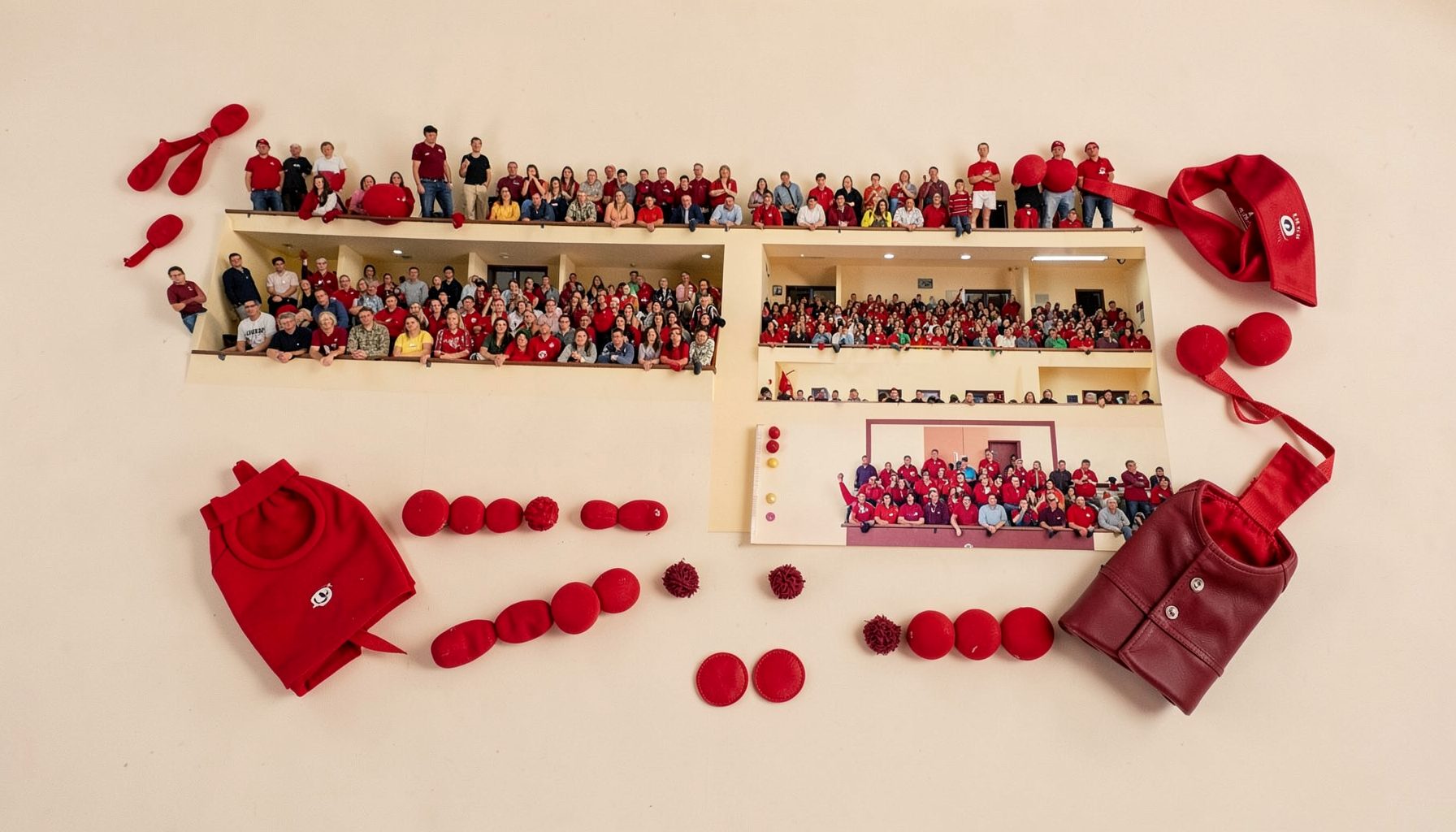
A respectful audience helps create an inclusive sporting environment. Cheer skill, effort, recovery, and fair play from both sides rather than focusing only on the result. At youth, school, and community events, positive support can make the sport more welcoming for first-time players and families.
Practical Ways To Get More From A Match
Before attending, read the fixture details and learn whether the event is singles, doubles, junior, open, or handicap competition. Arriving with a basic sense of the format makes it easier to compare tactics without assuming every match follows identical rules.
During play, choose one or two details to follow instead of trying to analyse everything. You might watch how a player serves, how quickly they recover, or how often they use the side walls. After a few rallies, patterns will begin to emerge.
Useful habits for new spectators include:
- Watch the player’s recovery position immediately after each shot.
- Notice whether attacks are aimed at space, corners, or the opponent’s weaker side.
- Listen for the score before deciding how aggressively a player is taking risks.
- Observe how doubles partners communicate and divide the court.
- Applaud good rallies from both players and remain quiet during active points.
The more live matches you see, the easier it becomes to recognise control, deception, pressure, and stamina. Watching a skilled player can also reveal details that are difficult to learn from a written rules summary, such as the timing of a recovery step or the difference between a defensive lift and an attacking lob.
Rugby Fives offers spectators a close view of speed, precision, and decision-making in a distinctive court setting. Check fixtures and championship information through the Rugby Fives Association, attend a local match, and give yourself time to watch several rallies before judging the sport. The first visit may be intriguing; the next can become an informed and deeply rewarding part of following the game.