



Interviewing a Rugby Fives Legend: Lessons from a Lifetime in the Sport
A lifetime in Rugby Fives is measured in more than championships won. It is found in early mornings at school courts, long journeys to fixtures, close matches decided by a single hand, and friendships that continue well beyond a player’s competitive years. Speaking with a veteran of the sport can reveal how technique, character, and community shape a lasting sporting career.
The best conversations go beyond statistics. They explore how a player first discovered the court, which opponents changed their game, how the sport has evolved, and why people continue to return to Rugby Fives after decades of competition. These stories help newer players understand the traditions behind the game while giving experienced members an opportunity to preserve the sport’s history.
For the Rugby Fives Association, that oral history has particular value. Fixtures, rankings, results, and championship records document what happened, but personal memories explain what those moments felt like. A thoughtful interview can connect past achievements with the next generation of players, coaches, schools, clubs, and volunteers.
The first encounter with the court
Many Rugby Fives careers begin unexpectedly. A pupil may find the game through a school lesson, a friend may invite someone to a club session, or a family connection may open the door to a sport they have never seen before. Asking a legend about that first experience often produces a more revealing answer than asking about their greatest win.
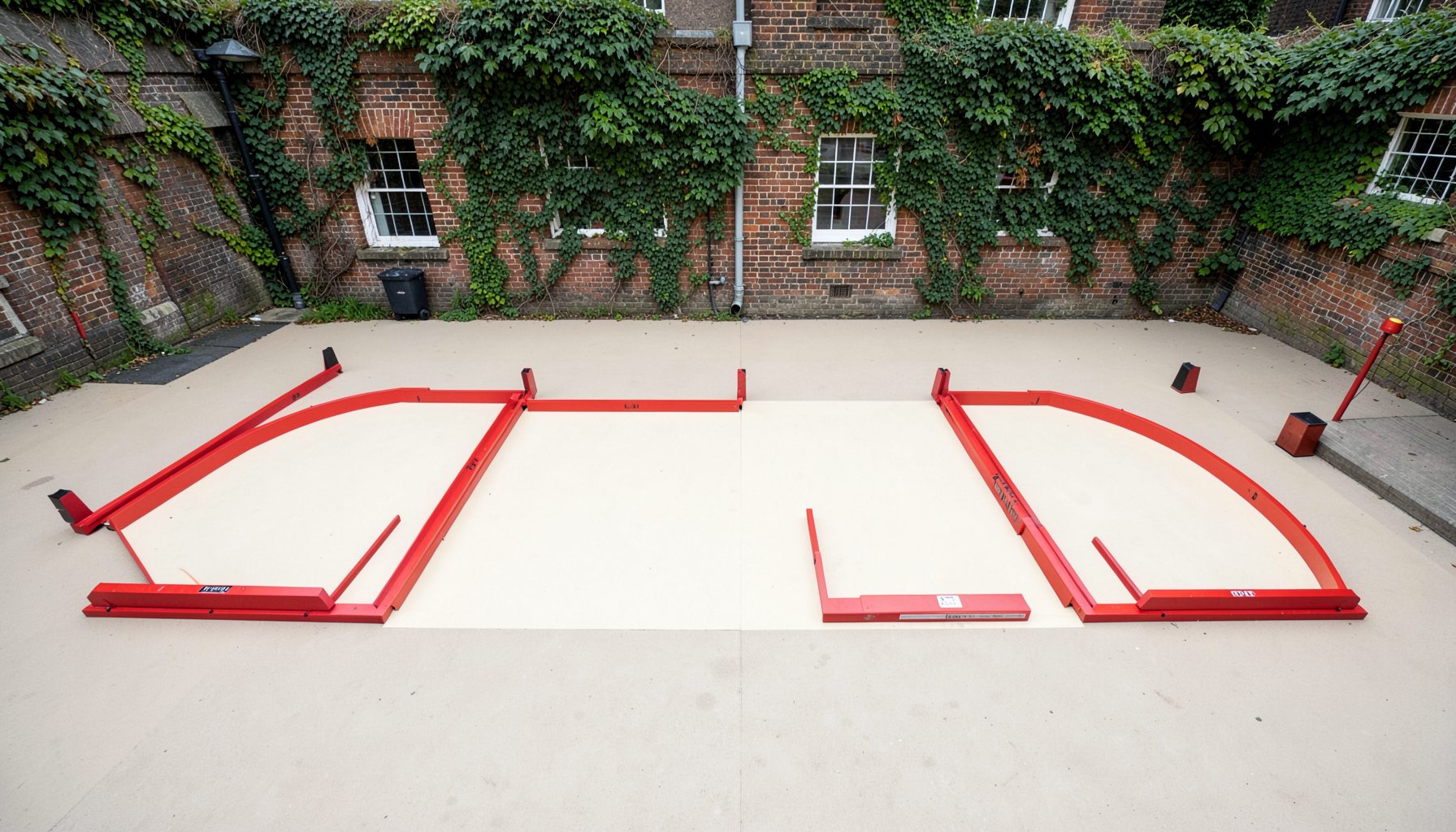
The early story can show what makes the game distinctive. The enclosed court, rapid exchanges, changing angles, and demand for quick reactions create an immediate challenge. Players must learn to read the ball from the rebound, control space, and make decisions with very little time. A veteran can describe the first lesson that made the game feel understandable.
It is also worth asking who offered encouragement at the beginning. A school teacher, club captain, coach, parent, or older player may have made the difference between a brief experiment and a lifelong commitment. Their contribution reflects the wider network that keeps Rugby Fives active across the country.
Skill built through repetition
An experienced player usually describes improvement as a gradual process rather than a sudden discovery. Repeated practice develops reliable hand skills, balance, footwork, positioning, and the ability to anticipate an opponent’s next shot. Training may appear simple from the outside, yet every session adds a small layer of control.
A useful interview asks which habits mattered most. Did the player practise serving under pressure, work on returning difficult balls, or spend time learning how to use the walls and ledges? Did they focus on court movement in singles or communication and positioning in doubles? These details turn a personal story into practical insight for developing players.
The veteran’s answer may also challenge popular assumptions. Natural talent can help, but discipline often determines how far a player progresses. Turning up consistently, learning from stronger opponents, and remaining patient through periods of slow improvement are lessons that apply throughout a sporting life.
Rivalry, partnership, and sporting character
Rivalries provide some of the most memorable stories in any sport, but they should be treated as relationships rather than simple contests. A respected opponent can expose weaknesses, raise standards, and encourage a player to prepare more carefully. Asking which rival was hardest to face—and why—can uncover lessons about tactics, temperament, and respect.
Doubles partnerships reveal a different side of Rugby Fives. Successful pairs need trust, communication, and a shared understanding of space. Partners must recover from mistakes quickly and make decisions that support the team rather than individual statistics. A long-standing partnership may teach as much about listening and responsibility as it does about competition.
A legend’s account of difficult matches can also show how character develops. Pressure, an unfavourable score, a noisy tournament, or an unexpected change in conditions can test concentration. The most valuable lesson may be learning to stay composed, accept a poor decision, and focus on the next exchange.
What a career can teach
| Career moment | Lesson for developing players | Wider value to the sport |
|---|---|---|
| Discovering Rugby Fives at school | Try unfamiliar opportunities and ask for guidance | Strong school programmes create future club members |
| Losing a close match | Review performance without losing confidence | Honest reflection strengthens competition |
| Playing with a trusted partner | Communicate clearly and share responsibility | Doubles builds social connections across clubs |
| Returning after injury or time away | Progress can continue at a different pace | Inclusive pathways keep players involved |
| Coaching younger participants | Knowledge grows when it is shared | Mentoring protects the sport’s traditions |
| Retiring from regular competition | A sporting identity can evolve | Volunteers, officials, and organisers remain essential |
The transition from player to mentor is often a central theme in a lifetime interview. A former champion may discover that explaining a basic movement to a beginner requires a deeper understanding than performing it at speed. Coaching encourages patience and makes technical knowledge available to people who have not yet developed their own instincts.
Many veterans also speak about changing expectations. Training methods, tournament structures, equipment, and access to courts may develop over time, while the essential qualities of the sport remain familiar. Comparing different eras should not become an argument about which generation was better. It can instead reveal how Rugby Fives adapts while retaining its identity.
Preserving memories for the next generation
A strong interview records more than a player’s personal achievements. It can capture the history of clubs, schools, competitions, tours, court renovations, and community events. Names that might otherwise disappear from official records can be linked to the moments when they contributed time, knowledge, or enthusiasm.
The interviewer should ask for details that bring memories to life: what a tournament morning felt like, how players travelled to fixtures, which courts had distinctive features, and what traditions were shared after a match. Such details help younger audiences imagine the sport’s past and recognise that its history was built by ordinary people doing extraordinary amounts of voluntary work.
The Rugby Fives Association is well placed to preserve these accounts alongside formal results and rankings. A recorded conversation, written profile, or archive feature can become a resource for schools, clubs, researchers, and families. It can also demonstrate that participation takes many forms, from elite competition to coaching, officiating, administration, and social play.
Making the conversation meaningful
Interviewing a celebrated player requires preparation, but it should not feel like an examination. Begin with open prompts and allow the speaker to follow memories that matter to them. A question about one championship may lead to a story about a coach, a court, or a teammate, and that unexpected direction may contain the most valuable material.
The interviewer should distinguish achievement from influence. Ask who helped the player, whom they helped in return, and what they hope the sport will become. Questions about access, gender, age, disability, school provision, and regional development can bring the conversation into the present without diminishing the speaker’s past.
Useful prompts include:
- What first made Rugby Fives memorable for you?
- Which skill took the longest to develop?
- What did your toughest opponent teach you?
- How did a coach, teammate, or volunteer shape your career?
- What would you tell someone attending their first club session?
The tone matters as much as the questions. Listen carefully, avoid interrupting, and check names, dates, and competition details before publication. If photographs, scorecards, or old programmes are available, they can add context, but the person’s voice should remain at the centre of the story.
A lifetime in Rugby Fives offers lessons in resilience, friendship, preparation, and service. The veteran’s greatest contribution may not be a medal or record, but the example they set for others: practise with purpose, compete with integrity, welcome new players, and leave the court stronger for having shared it.
The Rugby Fives Association invites players, clubs, schools, coaches, and volunteers to help keep these stories alive. Read the association’s historical records, take part in a local session, support a school programme, or share the memories of someone who has shaped the game. Every conversation adds another thread to the living history of Rugby Fives.