



Inside the rise of a new Rugby Fives talent
At a busy junior tournament, the most promising player is not always the one making the loudest celebration. Often, it is the competitor who resets quickly after a mistake, studies the opponent’s position, and chooses the right moment to change the pace. Those qualities are becoming increasingly visible in Maya Patel, a young player making steady progress through the Rugby Fives youth circuit.
Maya’s development has been shaped by school competitions, regular club sessions, and the patient guidance of coaches who value decision-making as much as athletic ability. Her progress offers a useful view of what it takes to move from enthusiastic beginner to confident junior competitor.
Rugby Fives rewards subtle skills. Players need speed and coordination, but they also need to read rebounds, manage space, disguise intention, and remain composed when a rally becomes unpredictable. For Maya, each fixture has become part of that learning process.
Early signs of a competitor
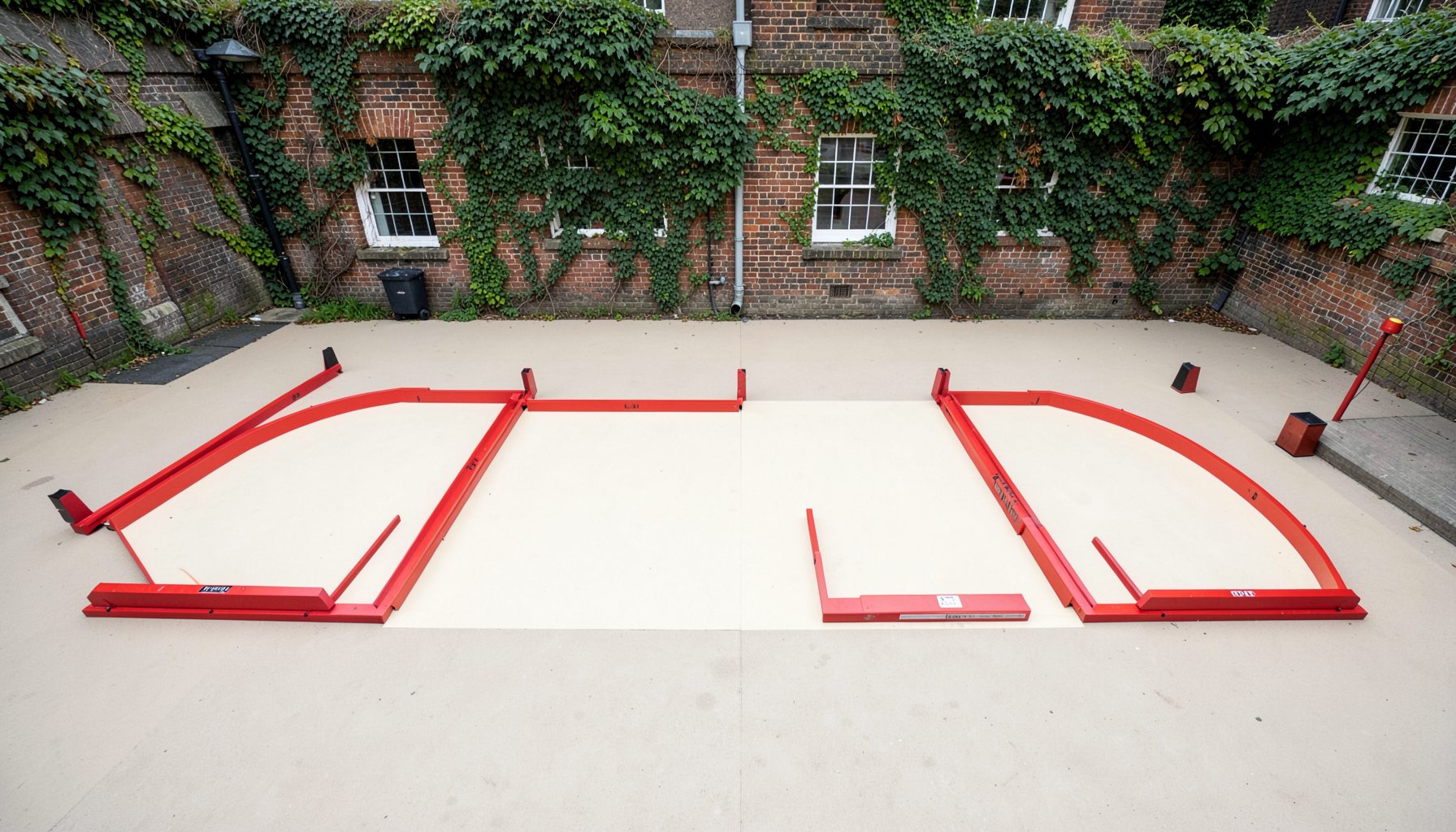
Maya first encountered Rugby Fives through a school activity session. The enclosed court immediately appealed to her because every shot created a new problem. A ball could return at an awkward angle from the front wall, clip a side wall, or force a player to move backwards while preparing the next strike.
Her early sessions were energetic rather than polished. She chased almost every ball and often tried to finish rallies too quickly. That enthusiasm, however, gave coaches something valuable to develop. Maya was willing to repeat difficult drills, listen to corrections, and return to the court after a disappointing result.
One of her earliest breakthroughs came when she stopped treating every rally as a race. By taking a half-second longer to assess the ball, she began to place shots with greater purpose. That change improved her court coverage and helped her understand that control can be more effective than power.
Building a game around movement
Maya’s strongest improvement has come through footwork. In Rugby Fives, reaching the ball is only part of the challenge. A player must arrive balanced, create room for the hand, and recover quickly enough to cover the next possible return.
Her coach has introduced movement patterns that begin away from the ball. Maya practises recovering to a central position, closing down angles, and moving laterally without crossing her feet. These exercises have made her less dependent on instinct and more capable of anticipating where the rally may go.
She is also learning to vary her attacking choices. A hard strike can put pressure on an opponent, but a controlled shot into space may create a better opening. Maya now looks for gaps near the side wall and uses changes of height to disrupt an opponent’s rhythm. Her game is becoming more patient without losing its natural aggression.
A season of measured progress
The current season has given Maya opportunities to test those improvements against a range of playing styles. Some opponents attack early, while others extend rallies and wait for an error. Junior fixtures, school matches, and training tournaments have helped her understand that the same tactics do not work in every contest.
Rather than focusing only on wins and losses, her support team tracks smaller indicators: the quality of her service return, recovery after a stretched shot, ability to keep a rally alive, and response to pressure at the end of a game. This approach gives her practical goals between competitions.
| Development area | Earlier habit | Current focus | Benefit in competition |
|---|---|---|---|
| Footwork | Chasing the ball directly | Recovering through the centre | Better court coverage |
| Shot selection | Choosing power first | Mixing pace, height, and placement | More varied attacks |
| Rally control | Rushing after a strong return | Building pressure patiently | Fewer unforced errors |
| Match mindset | Dwelling on mistakes | Resetting between points | Greater consistency |
| Preparation | Relying on natural energy | Using a repeatable warm-up | More confident starts |
The results are visible in the way Maya handles difficult passages. She still makes errors, as every developing player does, but those errors now lead to adjustments rather than frustration. A missed shot may prompt her to change her position, shorten her backswing, or select a safer option next time.
The people behind the player
No young athlete develops alone. Maya’s progress depends on a network that includes her family, school staff, club volunteers, coaches, training partners, and tournament organisers. Each plays a different role in making regular participation possible.
Her school has provided early access and encouraged her to compete beyond weekly sessions. The local club has supplied consistent court time and a welcoming group of players at different levels. Training with more experienced juniors has raised the standard of her practice while giving her examples of how disciplined competitors prepare.
Coaching has been especially important in keeping development balanced. Sessions include technical work, match play, and time for reflection. Maya is encouraged to identify what she noticed during a rally, not simply to wait for an adult to explain the answer. That habit is helping her become a more independent competitor.
The wider Rugby Fives community also contributes through fixtures, rankings, championships, and volunteer-led events. These connections give young players a sense that their progress belongs to a national sport with a strong history and an active future.
Why youth competition matters
Youth competition offers more than a route towards medals. It teaches players how to manage nerves, respect opponents, accept decisions, and perform when the outcome is uncertain. These lessons are valuable whether a young person eventually competes at elite level or continues through club and social play.
For Maya, tournaments have also broadened her understanding of the sport. She has encountered different coaching styles, court environments, and tactical approaches. Each event adds to her match experience and makes training more purposeful.
A healthy youth circuit should give ambitious players room to stretch while keeping entry points open for newcomers. That means well-organised fixtures, clear guidance for families, supportive officials, and opportunities for players to compete at an appropriate level. Inclusive programmes are especially important because talent can emerge wherever young people are given access, encouragement, and time on court.
The pathway also benefits from celebrating progress that may not appear in a results list. A first complete match, a stronger return, or the confidence to enter a new competition can represent a major step. Recognising these moments helps young players remain connected to the sport.
How clubs can help talent grow
Maya’s story highlights practical actions that clubs, schools, and volunteers can take to support the next generation:
- Offer regular beginner sessions before introducing players to formal competition.
- Pair developing juniors with suitable training partners who provide challenge without unnecessary pressure.
- Teach movement, positioning, and decision-making alongside basic striking technique.
- Use simple progress goals so players can measure improvement beyond match results.
- Create welcoming events that include families, first-time competitors, and players from different backgrounds.
Clubs can also help young athletes understand the wider opportunities within Rugby Fives. Coaching, officiating, volunteering, and event organisation allow juniors to remain involved even when they are not playing. These roles build confidence and strengthen the community that makes competition possible.
For coaches, the central lesson is to protect curiosity. Maya continues to improve because she is encouraged to experiment, review her choices, and enjoy the challenge of solving rallies. A demanding training environment can still be positive when young players feel respected and understand the purpose behind each exercise.
Maya’s rise is still in progress. There will be difficult tournaments, new opponents, and technical weaknesses to address. Her most important quality may be the willingness to keep learning. In a sport where a single rebound can change the direction of a rally, adaptability remains one of the strongest advantages a player can build.
The Rugby Fives Association supports the clubs, schools, coaches, volunteers, and young competitors who make that journey possible. Explore upcoming fixtures and championships, connect with a local programme, or help introduce a new player to the court. Every practice session and welcoming competition can help shape the next rising star.