



The Advantages of Rugby Fives for Busy Adults
Modern working life leaves little room for complicated fitness routines. Long commutes, family responsibilities, shift work and full calendars can make regular exercise feel like another appointment to manage. Rugby Fives offers a practical alternative: a fast, social court sport that can deliver a rewarding workout in a compact session.
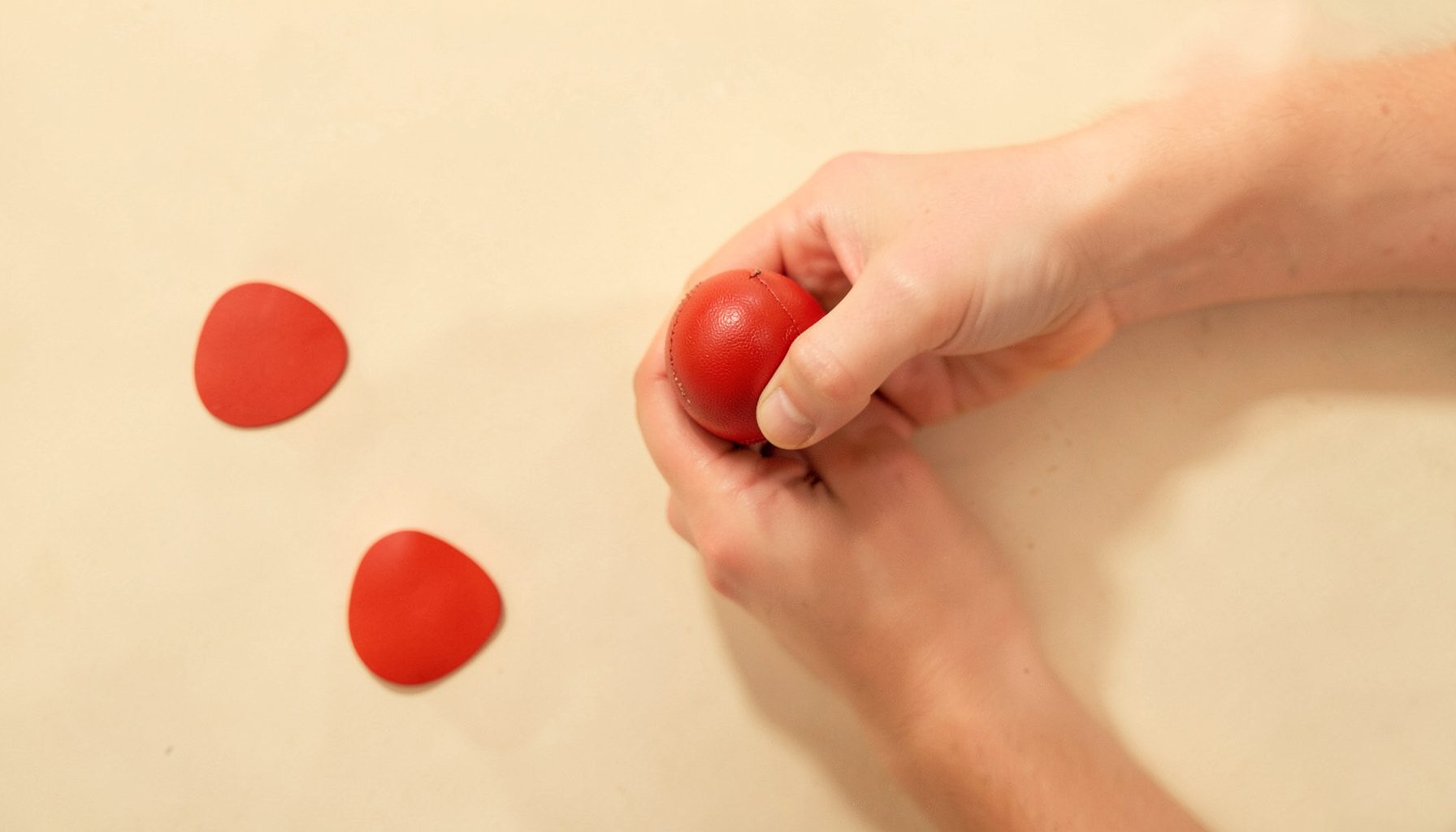
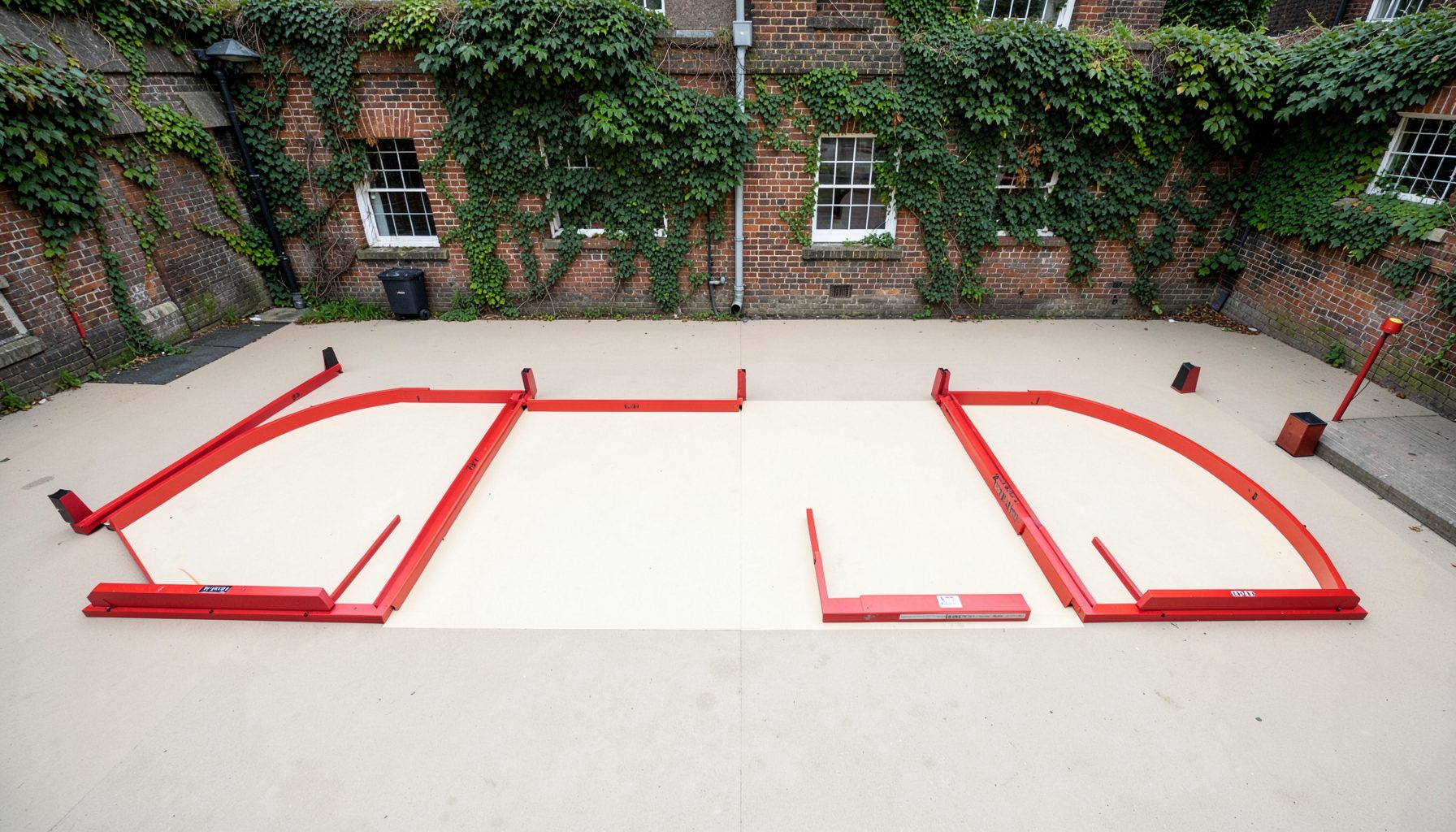
Players use their hands to strike a small ball against the walls of a four-sided court, combining movement, timing, accuracy and tactical judgement. The basic idea is easy to understand, while the skills continue to develop over years. That balance makes the game suitable for adults who want variety without spending months learning a complex system.
For people in Australia, Rugby Fives can also provide a refreshing change from the usual gym, running track or weekend footy routine. Whether you are based in Melbourne, Sydney, Brisbane or a regional centre, the sport can fit around work and family life when a suitable court, club or coaching opportunity is available.
Efficient Exercise For A Crowded Schedule
A Rugby Fives session can be short while still feeling substantial. Players are constantly adjusting their position, lunging towards the ball, recovering to the centre and preparing for the next shot. This creates a mixture of cardiovascular work, agility training and muscular endurance without requiring a lengthy workout.
The format is especially useful for adults who struggle to protect two hours for exercise. A focused session before work, during a lunch break or after the school run can provide meaningful activity. Unlike a solo gym programme, a match also gives the session a clear purpose, which can make it easier to turn up consistently.
The sport suits Australia’s practical approach to fitting exercise around the day. A player might schedule a game before an early start in Melbourne, use an indoor facility during a hot Brisbane afternoon or organise an evening hit after commuting across Sydney. The court-based format also avoids dependence on good weather.
A Full-Body Fitness Challenge
Rugby Fives develops several physical qualities at once. Quick changes of direction challenge the legs, while repeated reaching and striking engage the shoulders, arms and upper body. Players also use their core to stay balanced when stretching for low or awkward shots.
The stop-start rhythm produces varied intensity rather than a monotonous pace. A rally may involve calm positioning followed by a sudden sprint, twist or dive. Over time, this can improve footwork, reaction speed and coordination, all of which support everyday movement as well as sporting performance.
Adults returning to exercise can regulate the intensity by choosing suitable opponents, taking breaks and focusing on technique. More experienced players can increase the challenge through faster rallies, competitive matches and demanding shot selection. This natural progression helps create a sustainable fitness habit rather than an all-or-nothing routine.
Mental Sharpness On Every Rally
Physical movement is only part of the appeal. Players must read the ball, anticipate an opponent’s intentions and decide where to place the next shot. Each rally creates a small problem to solve, encouraging concentration and quick decision-making.
That mental engagement can make Rugby Fives feel more absorbing than repetitive exercise. The mind stays active because the ball can travel at different angles and speeds, while wall rebounds create opportunities that change from one moment to the next. Players learn to recognise patterns, manage risk and stay composed after an error.
A match can also provide a useful break from screens and work-related thinking. For an office worker, healthcare professional or tradie, an hour on court offers a clear shift into movement and focus. The result is exercise that refreshes attention instead of adding another passive form of downtime.
Social Connection Without A Major Time Commitment
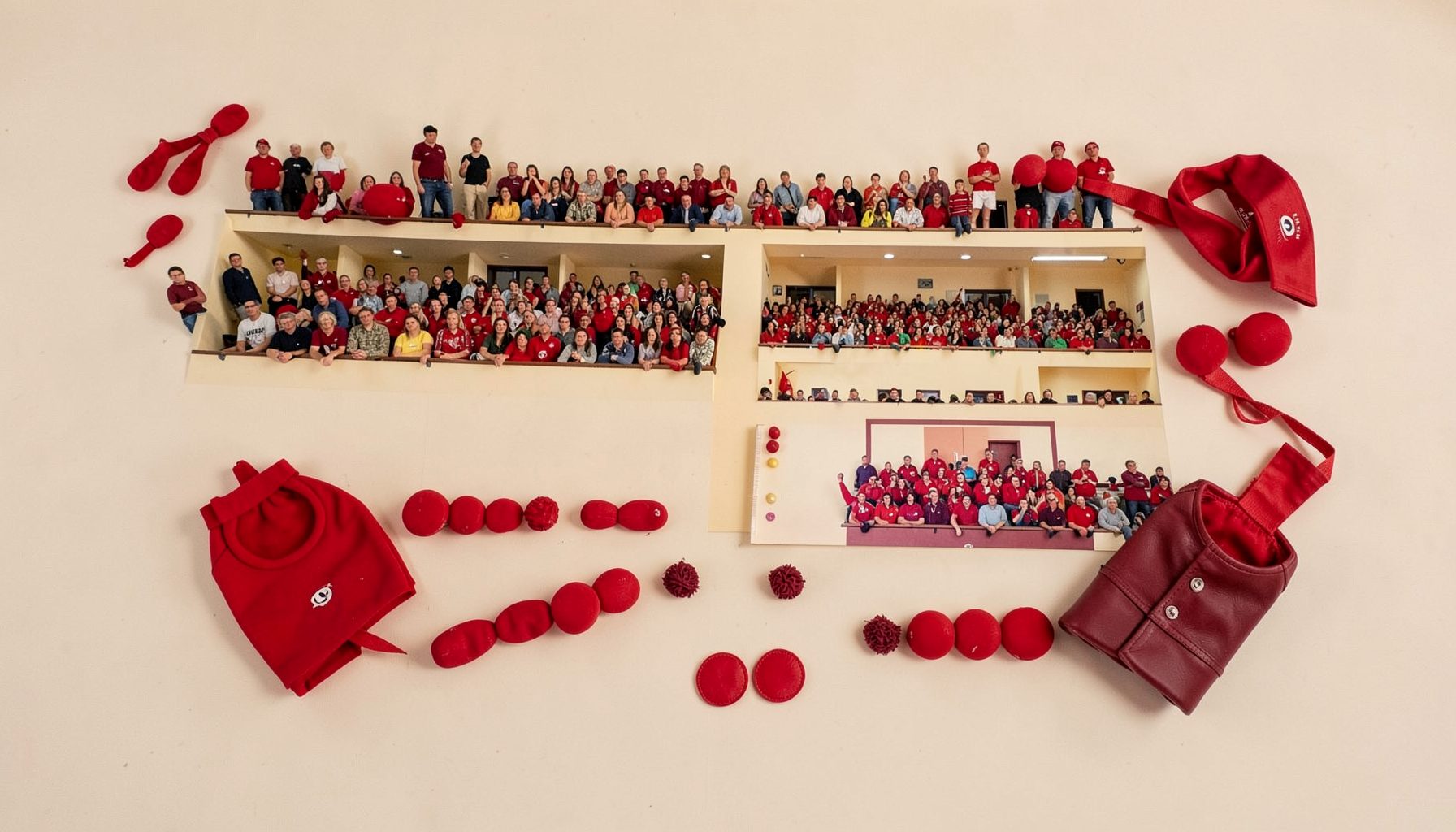
Many busy adults want the social benefits of sport but cannot commit to a full weekend league. Rugby Fives can meet that need through casual games, coaching sessions, club nights, competitions and short-format events. The shared court creates conversation and connection without requiring an entire day away from home.
The sport welcomes different levels of experience. A newcomer can learn basic striking and court movement, then gradually take part in rallies with more confident players. This makes it easier to join a community without feeling that every session must be intensely competitive.
For Australians accustomed to meeting mates for a hit, a club session can become a reliable weekly routine. It may be a relaxed after-work activity, a Saturday morning fixture or a school-court gathering arranged through local contacts. Families seeking broader junior activity ideas may also find that a shared interest in sport makes it easier for adults and children to maintain active routines together.
A Flexible Path To Long-Term Participation
Rugby Fives can remain rewarding as goals change. A new player may begin with general fitness, while a regular competitor may focus on rankings, championships or tournament preparation. Others may become coaches, officials, volunteers or organisers, staying involved even when their playing schedule changes.
This range is valuable for adults whose circumstances shift over time. Work transfers, parenting, injury recovery and changing fitness levels do not have to end participation. Players can adjust the frequency, intensity or role they take within the sport and still remain connected to its community.
The Rugby Fives Association supports this wider pathway through competitions, coaching, school programmes, community outreach, fixtures, rankings, results and historical records. For people in Australia who are discovering the sport or looking for a structured way to develop, learning from an established national governing body can provide useful context and inspiration.
Making The Most Of A First Session
Preparation does not need to be complicated. Comfortable court shoes, breathable clothing and water are usually the essentials. In warmer Australian conditions, indoor venues can be especially valuable, although players should still allow time to cool down and rehydrate after an energetic game.
Beginners benefit from concentrating on movement before trying ambitious shots. Returning to a central position, watching the ball closely and making controlled contact are more useful than attempting to hit with maximum force. A coach or experienced player can explain the court, scoring and safe technique in a short period.
Busy adults should also choose a realistic rhythm. One regular session each week is a strong starting point, with occasional competitions or extra practices added when time allows. The aim is to build a habit that works alongside employment, family commitments and the realities of Australian travel distances.
| Benefit | How Rugby Fives Delivers It | Why It Matters For Busy Adults |
|---|---|---|
| Time-efficient fitness | Fast rallies combine movement, agility and conditioning | A short session can still feel like a complete workout |
| Mental stimulation | Players read rebounds, predict shots and make quick decisions | Exercise remains engaging rather than repetitive |
| Social connection | Club sessions, matches and coaching bring players together | Adults can meet people without committing to a full-day activity |
| Flexible progression | Casual play, competition, coaching and volunteering are all possible | Participation can adapt to work, family and fitness changes |
| Indoor activity | Court play can continue through heat, rain or poor air quality | Plans are less dependent on Australian weather |
| Skill development | Timing, balance, footwork and accuracy improve with practice | Progress creates motivation for long-term participation |
Rugby Fives gives busy adults a way to combine exercise, competition and community in one focused activity. It can support physical conditioning, sharper concentration and stronger social ties without demanding a large weekly commitment.
The Rugby Fives Association is a useful starting point for discovering the sport, locating opportunities and understanding its wider community. Explore its competitions, coaching and development work, then take the next step towards a court session that fits your schedule.