



The Benefits Of Rugby Fives For Older Adults
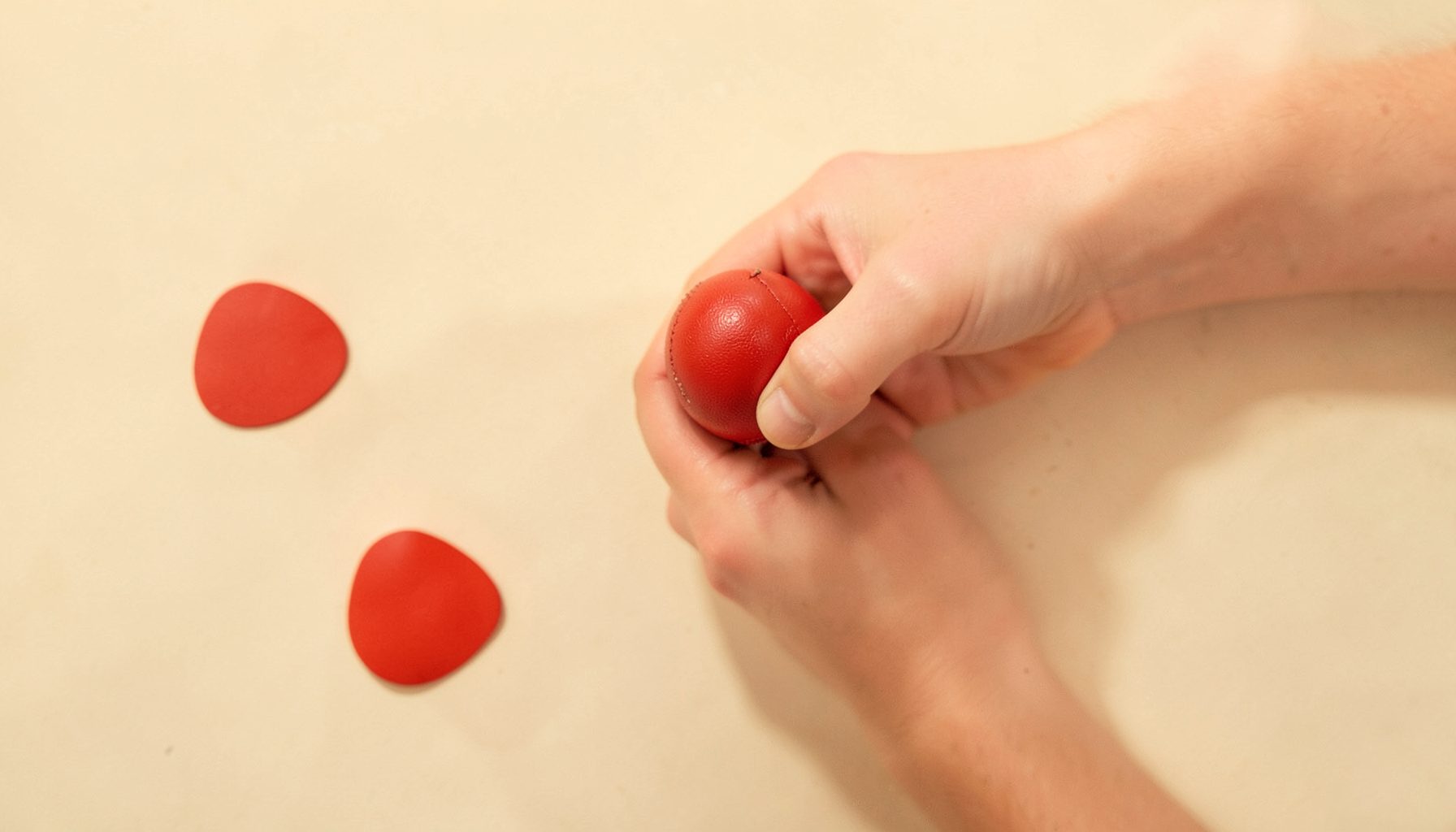
Rugby Fives is a fast, indoor wall-ball game played with the hands rather than a bat or racquet. Players strike a small ball against the walls of a court, aiming to make it difficult for an opponent to return. Singles and doubles formats allow the game to suit different abilities, fitness levels and social preferences.
For older adults, the sport offers a useful blend of movement, concentration and companionship. A session can involve short bursts of activity, changes of direction and repeated hand movements without requiring long-distance running. Players can build intensity gradually, making Rugby Fives suitable for people returning to exercise or looking for a new active hobby.
The sport has a particularly interesting place for Australians. Indoor courts can provide a practical alternative during Brisbane humidity, Melbourne winter rain or Perth’s hotter summer days. While Rugby Fives is more established in the United Kingdom, the Rugby Fives Association can connect interested players, coaches and organisers with information about clubs, facilities and development opportunities.
What Rugby Fives Involves
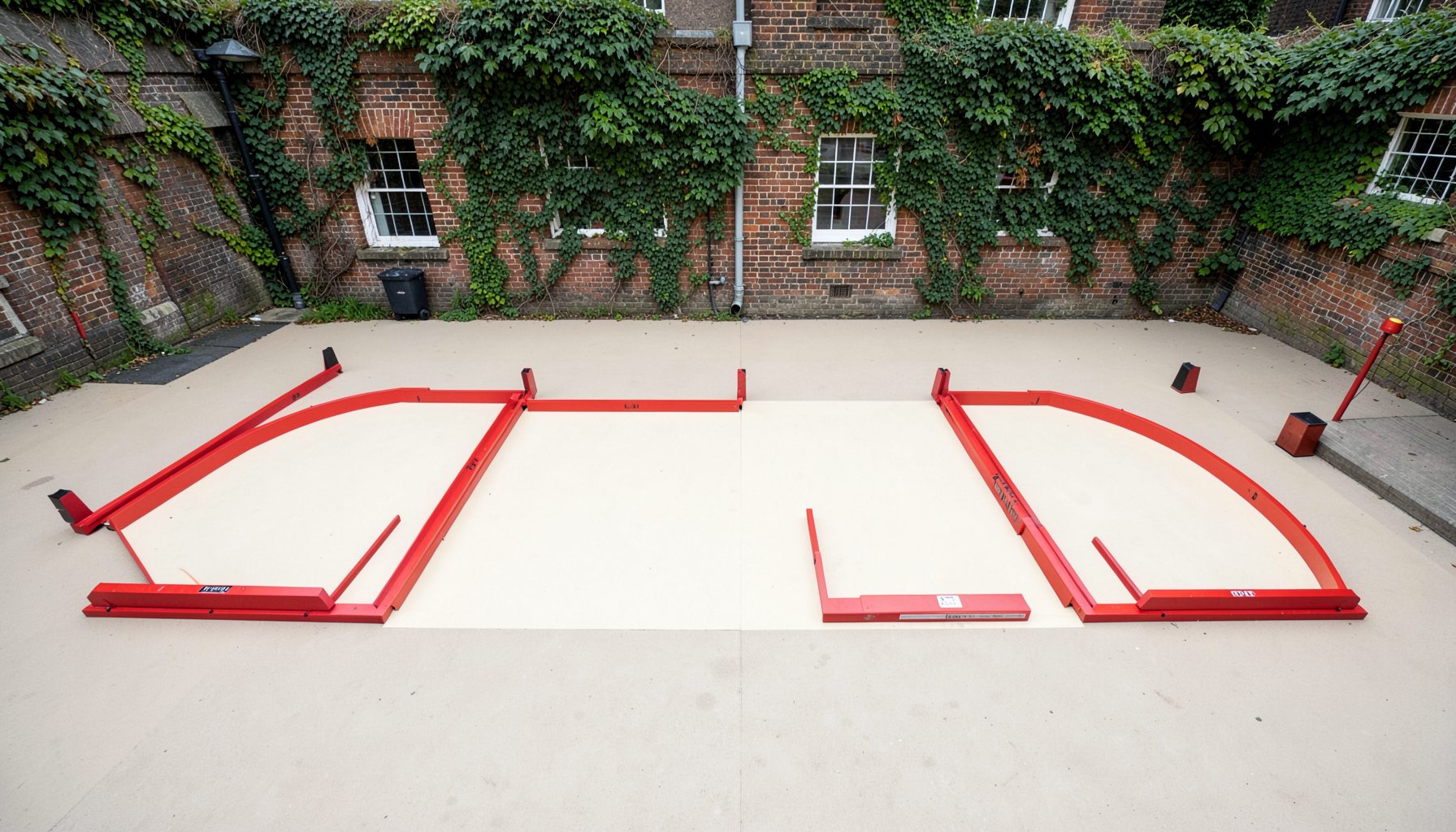
A Rugby Fives court has four walls and a playable floor, with the ball kept in motion by striking it with a gloved or bare hand, depending on local rules and player preference. The compact playing area means that rallies can be energetic without demanding the distances associated with running, field sports or court-based games such as tennis.
Older beginners can learn the essential actions in stages: watching the ball, moving into position, making controlled contact and recovering for the next shot. A coach or experienced player can adjust rally speed and positioning, helping new participants gain confidence before they play competitive games.
This makes the sport adaptable across a broad range of experience. A player might begin with gentle wall rallies, progress to doubles and later enter a friendly tournament. The competitive pathway can remain open without making every session feel like a test of maximum fitness.
A Joint-Friendly Way To Stay Active
Regular movement supports strength, mobility, cardiovascular health and independence in later life. Rugby Fives encourages repeated steps, lunges, reaches and rotations, which can help maintain practical movement skills used in everyday activities such as climbing stairs, carrying groceries or turning quickly to respond to a hazard.
The intensity is easy to moderate when rallies are controlled. Players can take breaks between points, use doubles to reduce court coverage and choose a pace that matches their current conditioning. This flexibility can be valuable for someone managing stiff joints, a previous injury or a gradual return to activity.
Rugby Fives is still a physical sport, so preparation matters. A warm-up should include easy walking, shoulder movements, gentle leg exercises and practice swings. Supportive footwear, adequate hydration and a clear agreement about the pace of play can make sessions safer and more enjoyable. Anyone with a significant medical condition or recent injury should seek appropriate health advice before starting.
Balance, Coordination And Brain Health
The ball can rebound at different angles and speeds, requiring players to judge distance, anticipate movement and respond promptly. These actions challenge hand-eye coordination, balance and spatial awareness. The mental demand is engaging because each rally presents a slightly different problem rather than repeating one fixed exercise.
Learning serves, returns and court positioning also gives older adults a reason to practise. Skill development can support confidence, especially when progress is visible from week to week. Remembering rules, keeping score and making tactical decisions add a cognitive element that complements the physical work.
The benefits can be compared with other popular activities, though each option serves a different purpose:
| Activity | Main Physical Benefits | Social And Mental Features | Adaptability For Older Adults |
|---|---|---|---|
| Rugby Fives | Coordination, agility, mobility and moderate cardiovascular activity | Rallies, tactics and partner play | Pace, court coverage and doubles format can be adjusted |
| Walking | Endurance, leg strength and general mobility | Conversation and outdoor connection | Distance and speed are easy to vary |
| Strength Training | Muscle strength, bone loading and functional capacity | Goal setting and structured progression | Exercises, weights and repetitions can be individually selected |
| Swimming | Whole-body conditioning with low impact on joints | Classes and lane-based social contact | Stroke, duration and intensity can be modified |
| Tai Chi | Balance, controlled movement and body awareness | Group routine and concentration | Gentle sessions are widely available |
Rugby Fives can sit alongside these activities rather than replace them. Walking may build a useful aerobic base, strength work can support stability, and mobility exercises can improve readiness for play. A balanced weekly routine gives older adults more ways to stay active when weather, travel or energy levels change.
Social Connection In Every Session
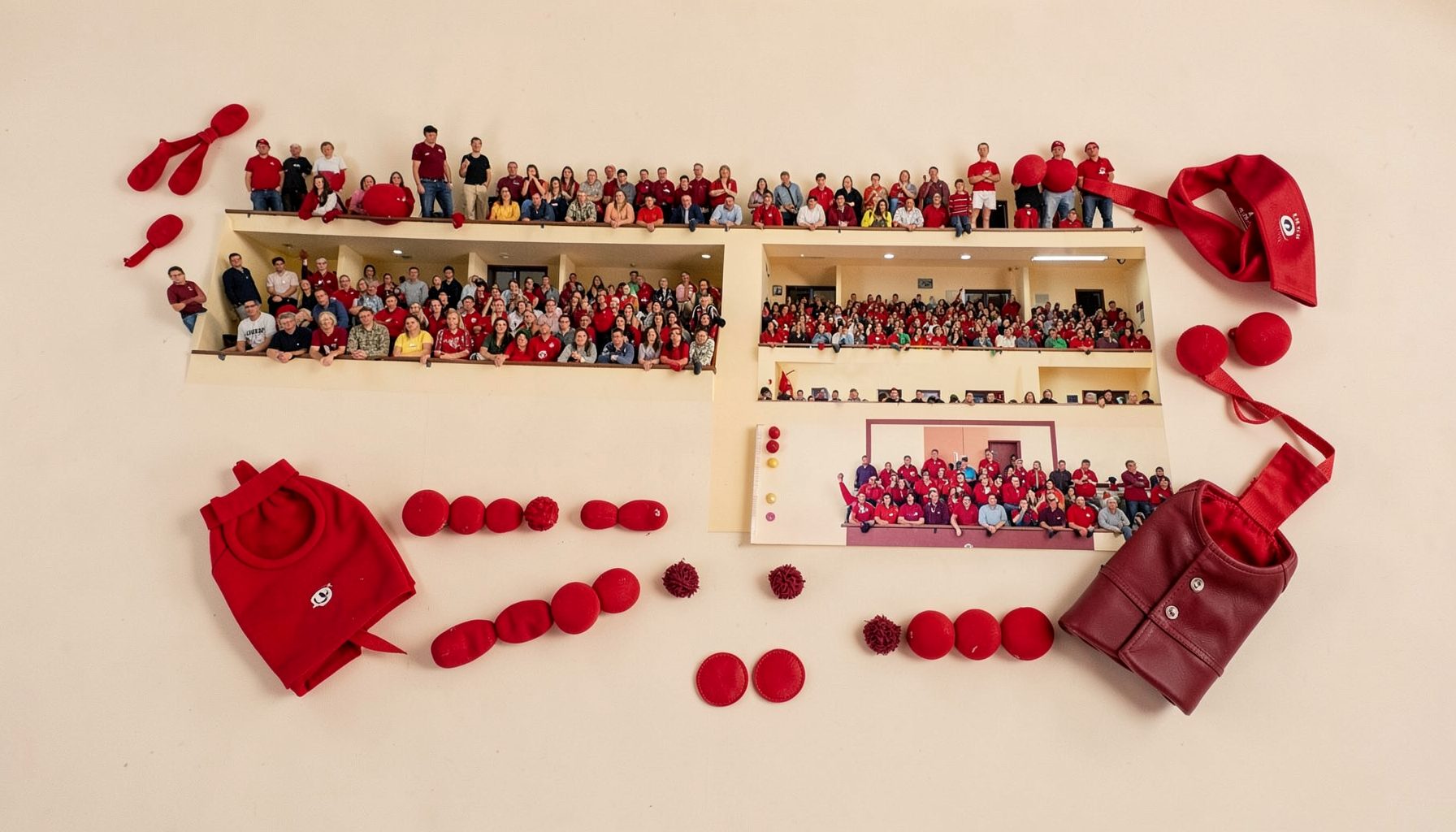
A regular game creates natural opportunities to meet people. Doubles partners communicate during rallies, players share advice between points and clubs often develop traditions around fixtures, tournaments or informal refreshments. For someone who has retired, moved suburb or lost a familiar workplace network, this social rhythm can be as valuable as the exercise.
The format also supports intergenerational participation. Older adults can play with younger club members, family members or school and university players, provided the pace and rules are managed appropriately. Shared activity can make age less important than teamwork, sportsmanship and improvement.
In Australia, community connection often grows through local leisure centres, school facilities, university clubs and council-run recreation programs. Availability will vary by city, and Rugby Fives courts are less common than tennis, squash or basketball venues. An interested group may need to contact nearby schools, independent schools with historic courts, universities or indoor-sport operators to identify a suitable facility.
Adapting Play For Australian Older Adults
Climate is a practical consideration. Indoor play avoids the strongest ultraviolet exposure during Australian summer and provides a reliable option during heatwaves, tropical humidity and sudden storms. In Sydney or Melbourne, an indoor session can be easier to maintain through wet winter periods; in Adelaide or Perth, it can offer a cooler alternative during very hot weather.
Local transport and access should shape the session design. A venue near public transport, with accessible parking, toilets, seating and clear lighting, will be more welcoming. Older players may also prefer daytime bookings, especially where driving at night or travelling long distances is difficult. Council leisure centres and community hubs can be useful places to investigate, even when a dedicated Rugby Fives club is not nearby.
The Australian market has a strong appetite for social fitness, masters sport and flexible recreation, but new participants need a clear entry point. A short beginners’ clinic, loan equipment, simple rules and a no-pressure doubles session can reduce uncertainty. A qualified coach should demonstrate safe striking technique and explain how to manage contact with walls, floors and other players.
The Rugby Fives Association provides a useful national connection in the United Kingdom through its competitions, coaching, clubs, records and development work. Australian players, volunteers and facility managers can contact the association to learn more about the game, locate experienced contacts or explore ways to establish a local activity. Any Australian programme should be shaped around local access, insurance, venue requirements and the needs of its participants.
Rugby Fives can give older adults a fresh reason to move, practise, concentrate and spend time with other people. It rewards steady learning rather than youthful speed, and its indoor format makes it adaptable to many Australian conditions. With sensible preparation and an encouraging playing group, the sport can become part of a long-term active lifestyle.
If you are an older player, coach, club organiser or Australian facility manager, connect with the Rugby Fives Association to explore the rules, coaching resources and possible pathways for bringing Rugby Fives to your community. Gather a small group, identify an accessible indoor venue and begin with a relaxed skills session that lets everyone enjoy the game at their own pace.