


Rugby Fives and Mental Health: The Quiet Rewards Players Talk About
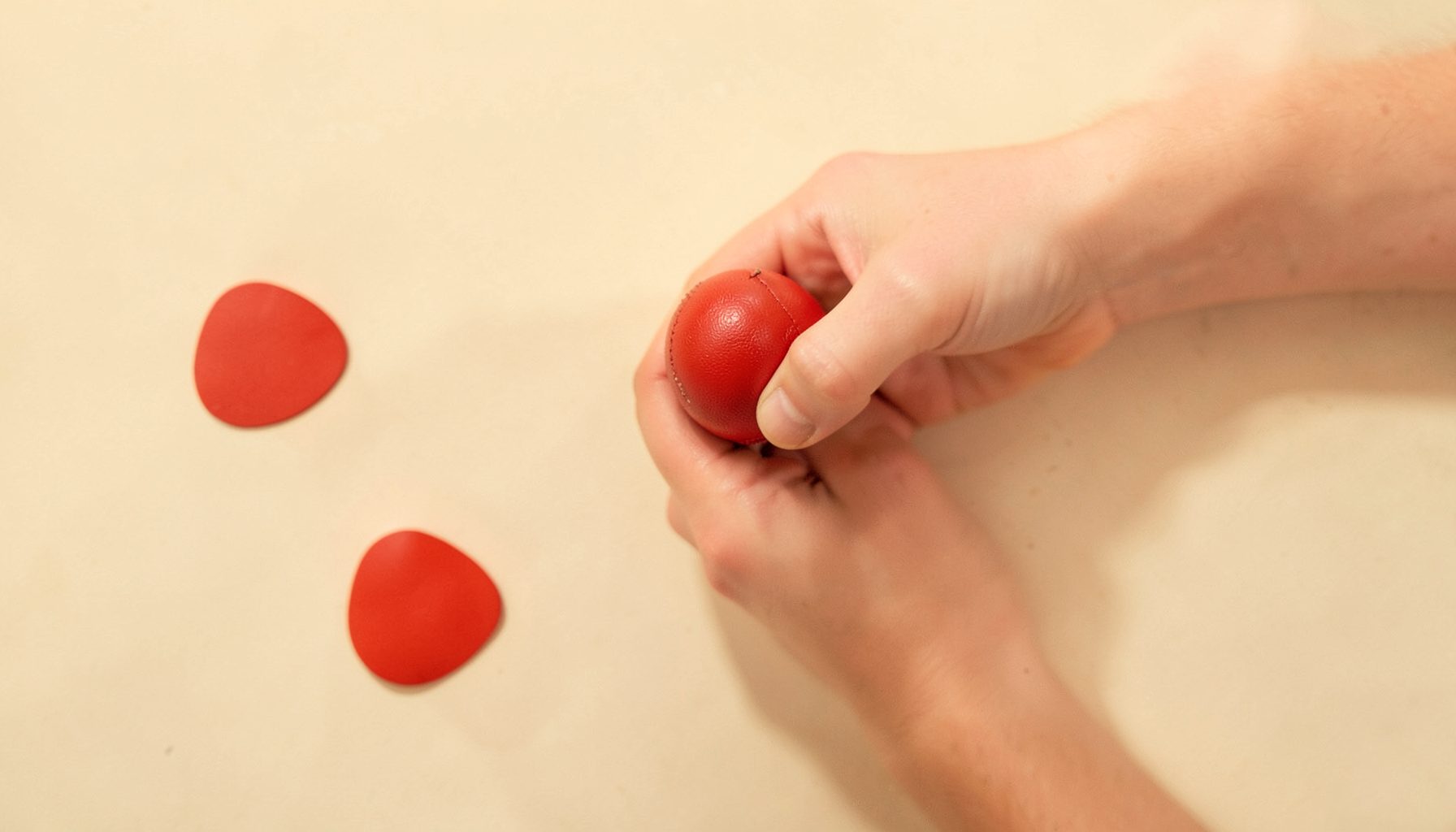
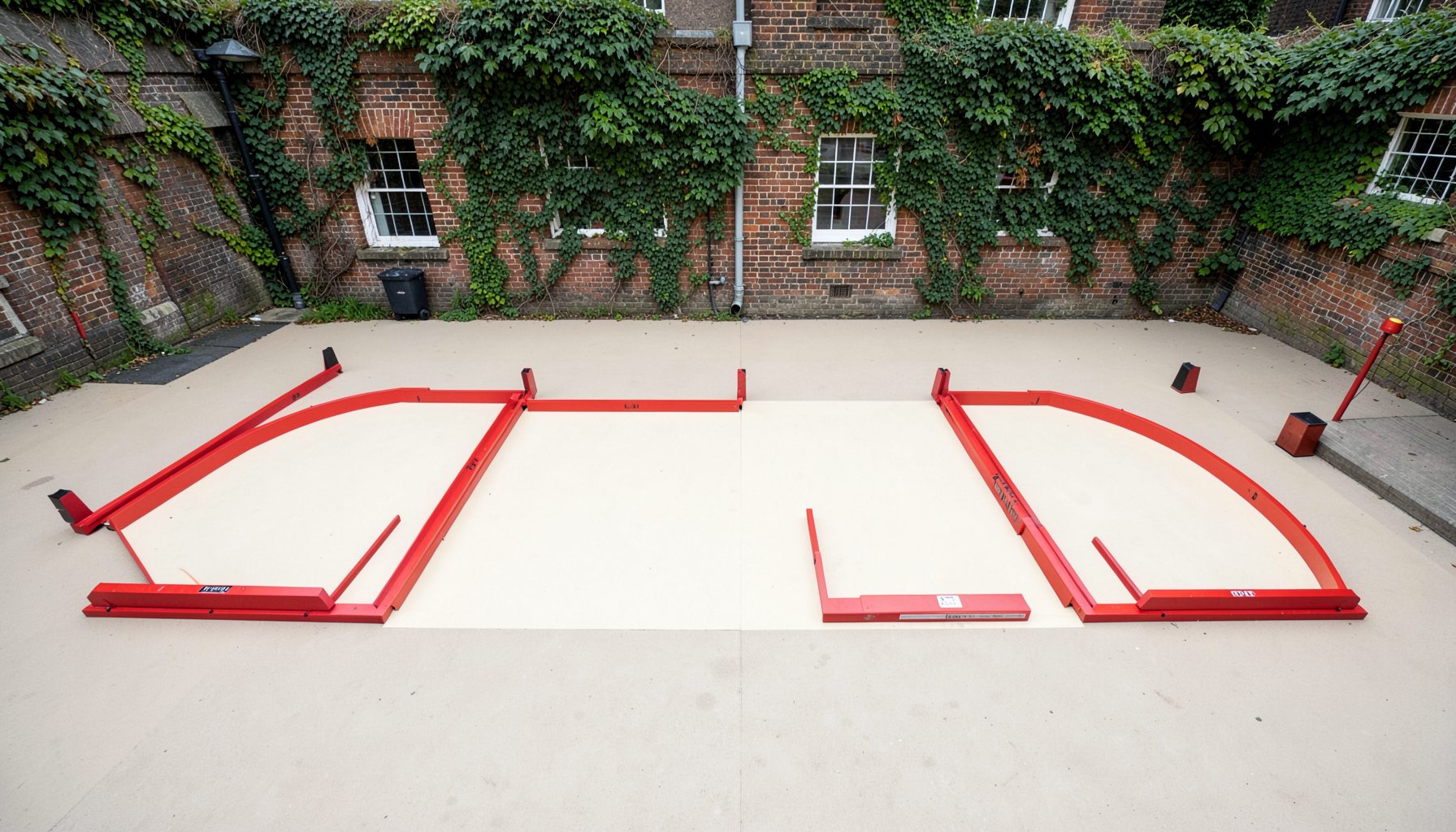
Rugby Fives looks unusual from the outside. A small, three-walled court, a hard leather ball, and players throwing it at angled walls with bare or gloved hands. Yet the sport has a devoted following in Australia, anchored mostly around Melbourne and a growing crew in Sydney and Brisbane. The conversation about Rugby Fives and mental health has grown louder in recent years, and not because anyone is shouting about it. Players, coaches, and parents keep coming back to the same idea: this is a sport that steadies the mind, not just the body.
For Australians juggling long work hours, family commitments, and the usual grind, the appeal is obvious. The game is short, intense, and social. You do not need an oval or a pack of teammates. You just need a court, an opponent, and the willingness to chase a tricky hand until you finally return it well. That simplicity has real psychological value in a country where most sports demand a hefty time and travel commitment.
What the Game Does to Your Brain Chemistry
Most rallies in Rugby Fives are short, intense bursts of movement separated by brief rests. That pattern triggers the release of endorphins and other mood-lifting neurotransmitters, the same biological mechanism behind a runner's high. Players often walk off the court after a tough match feeling calmer than when they walked on, even if they spent an hour frustrated by a hard-to-reach shot.
| Activity | Physical Intensity | Social Interaction | Mental Focus | Accessibility in Australia |
|---|---|---|---|---|
| Rugby Fives | High bursts, short rests | One-on-one or doubles | Sustained attention, pattern recognition | Limited courts, growing community |
| Running | Steady, aerobic | Mostly solo | Low to moderate | Universal |
| Touch Rugby | Moderate, team-based | Large group | Tactical but interrupted | Widespread |
| Squash | High bursts, similar pattern | One-on-one | Similar demands | Limited Australian venues |
| Gym Training | Variable | Often solo | Low | Universal |
The sport also demands quick reactions and constant change of direction. Research into racquet and hand sports has repeatedly shown this kind of attention-intensive activity supports cognitive health, particularly reducing risks linked with depression and anxiety. New players in Melbourne often say their first session was when they realised how tiring concentration can be. That focus on reaction is what gives the sport its mental health edge over slower forms of exercise, and most clubs run weekly sessions or Saturday arvo fixtures that pull people out of the house on a regular cadence.
A Court That Doubles as a Stress Release Valve
Stress relief is one of the first things people mention when they talk about how the sport helps them mentally. Rugby Fives does not ask you to think about your email inbox, your mortgage, or the long trip home from Melbourne Airport. For the duration of a match, only the ball matters. That narrow focus creates what psychologists call a flow state, closely linked with reduced anxiety and improved mood.
The enclosed nature of the court also matters. Many players talk about the way the three walls create a feeling of containment, almost like a private space. This is the opposite of the openness and chaos of a football oval. Players who find large team sports overwhelming often discover that Rugby Fives gives them physical challenge and contact without the noise.
Australian players have a habit of describing this in plain terms. They say they walk in feeling crook, leave feeling right, and cannot always explain the difference. Coaches at Melbourne Grammar and Geelong Grammar, where the sport has a long history, often hear this from teenagers who were reluctant to try it in the first place.
The Quiet Power of a Small, Tight Community
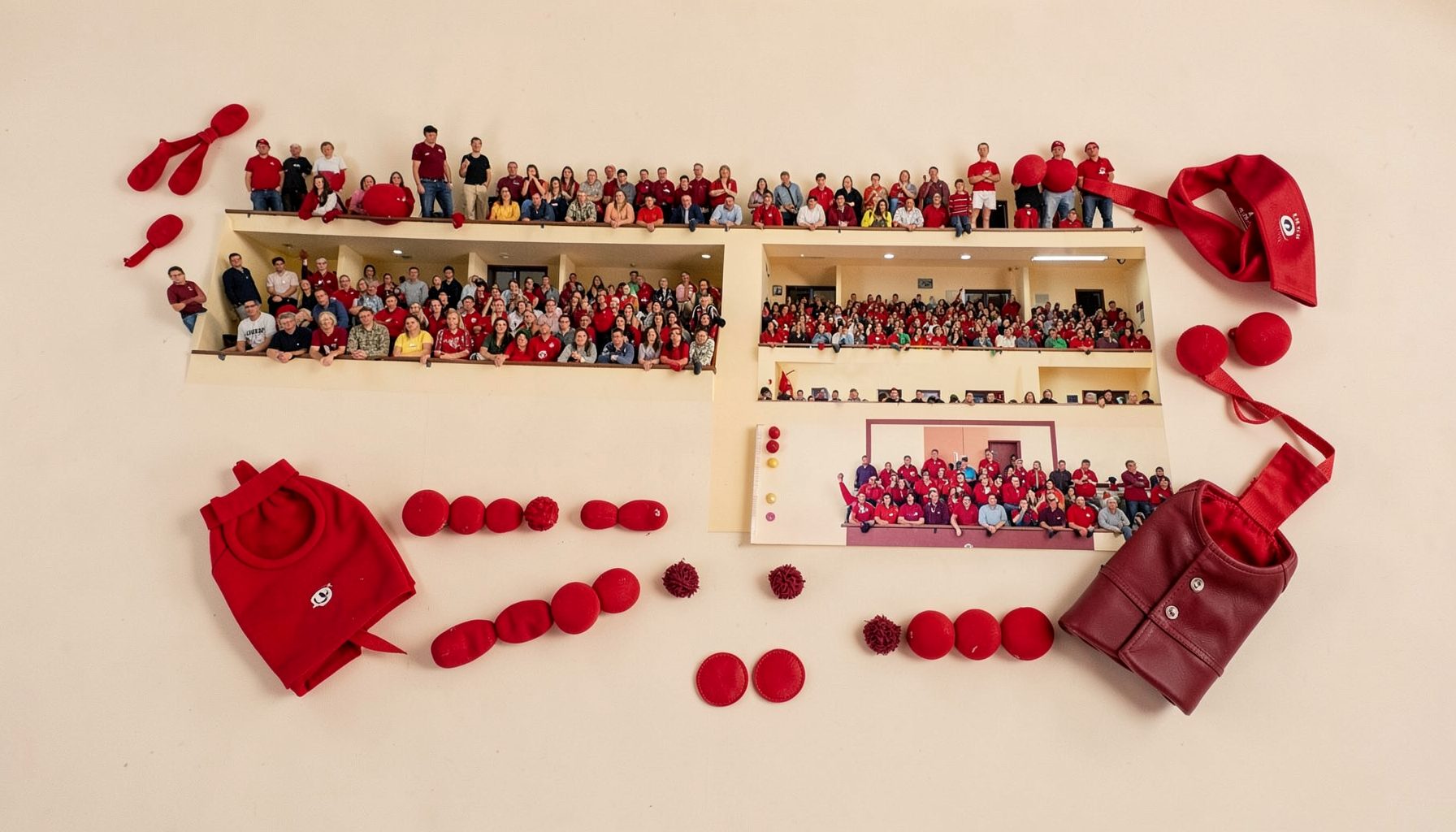
Community is where Rugby Fives quietly outperforms bigger sports. The player base in Australia is modest, which means clubs, schools, and university groups tend to know each other personally. New players arriving at a session in Brisbane or Sydney are rarely treated as strangers for long. Within a couple of weeks, they are usually being invited to local tournaments, training camps, or trips to the more established courts in Melbourne.
That density of connection matters for mental health. Loneliness is a major contributing factor to depression across all age groups, and being part of a small, welcoming group provides the kind of meaningful relationships that buffer against it. The friendships formed over hand-fives games often last for decades, partly because the sport is rare enough that anyone who plays it feels part of something a bit special.
Volunteers report similar effects from the other side. Coaching juniors, helping organise a derby at the Royal Melbourne Tennis Club courts, or setting up a session at a regional school gives people a sense of purpose that is genuinely protective against low mood. The sport rewards giving back, both mentally and socially.
Sharpening the Mind Through Patterns and Problem-Solving
Rugby Fives is not just physical. The ball bounces off walls at angles you cannot always predict, and your opponent will deliberately place shots to break up your rhythm. Every rally is a small puzzle, and the more you play, the more patterns you start to recognise. This kind of cognitive engagement has been linked to better mental health outcomes, particularly in older adults.
Players often describe the strategic side of the game as quietly addictive. Rather than feeling like exercise, it feels like a conversation played out with a ball. Exercise that feels like problem-solving tends to be exercise people stick with, which in a country where gym memberships routinely go unused matters more than it sounds.
Hand-eye coordination and quick decision-making also create what some exercise scientists call dual-task training. The brain is forced to manage movement and strategy at the same time, strengthening pathways associated with attention and emotional regulation. Both are useful long-term mental health assets.
Inclusivity and a Lower Barrier Than Most Hand Sports
One of the most underrated mental health benefits of Rugby Fives in Australia is its inclusivity. The sport does not demand a particular body type, athletic background, or expensive gear. You can play in shorts and a t-shirt, and most clubs loan gloves and balls to beginners. People who have felt excluded from other sports can step straight onto the court without a long onboarding process.
There are now programs aimed at women, older adults, and juniors at schools across Victoria and New South Wales, partly because the sport is so easy to introduce. Adaptive versions have begun to appear, with players and coaches adapting the rules for those with physical disabilities. Each doorway is another pathway to better mental health, because exercise that does not feel exclusive carries fewer psychological barriers.
Cost is another factor. Rugby Fives requires only a court, a ball, and a pair of gloves. Compared to the equipment overhead of cricket or the football codes, the price of entry is refreshingly low for families and older players.
Resilience Built Over Seasons, Not Single Sessions
Mental health benefits from sport tend to compound rather than arrive in a single burst. Rugby Fives is structured perfectly for that. Players enter competitions, climb rankings, work toward titles, and come back from injuries. Each cycle teaches something about persistence and self-belief.
Australian players who travel to the United Kingdom for major tournaments often describe the trip as a turning point in their confidence. Competing at venues like the Royal Automobile Club in London, taking on players who have spent a lifetime on the circuit, and coming away with results is genuinely transformative. The same growth happens locally, just at a smaller scale, through club championships and inter-school fixtures.
Over months and years, the habit of showing up, losing well, and coming back stronger rewires how players respond to setbacks off the court. That is perhaps the deepest and most lasting mental health benefit Rugby Fives offers, and the one that stays with people long after they stop playing competitively.
If you have read this far and the sport is starting to sound like something you or your circle could use, the next step is closer than you might think. The Rugby Fives Association in Australia lists upcoming open sessions, beginner-friendly clubs in Melbourne, Sydney, and Brisbane, and a network of coaches ready to put a ball in your hand on your first visit. Drop into a local court, say g'day to whoever is setting up, and see what a quiet Saturday arvo on the fives court can do for your head as well as your hands. Whether you turn up chasing a game, a community, or simply a better week, the door is open.