The Best Drills to Improve Your Rugby Fives Serve
A strong Rugby Fives serve is built through repeatable movement, accurate contact, and intelligent placement. The objective is not simply to hit the ball hard. A good server controls height, depth, pace, and angle while staying balanced enough to prepare for the next shot.
Because the front wall and court shape reward precision, small technical errors can quickly become lost points. A serve that sits too high may give the receiver an easy attack, while a rushed swing can send the ball into the side wall or out of reach of the intended target.
The drills below develop the key parts of an effective serve: preparation, contact, recovery, accuracy, variation, and decision-making. They can be used by beginners learning the basic motion and by experienced players sharpening their competitive routine.
Establish A Consistent Serving Motion
Begin with a shadow-swing drill away from the ball. Stand in your normal serving position, rehearse the preparation, rotate through the hips and shoulders, and finish with the racket moving towards the target. Repeat the motion slowly ten times, then perform ten quicker repetitions without losing balance.
The purpose is to make the serve feel like one connected action. Avoid lifting the shoulder or relying entirely on the arm. The legs create a stable base, the torso adds rotation, and the arm transfers that energy into the ball. A relaxed grip helps the racket move freely and reduces tension at contact.
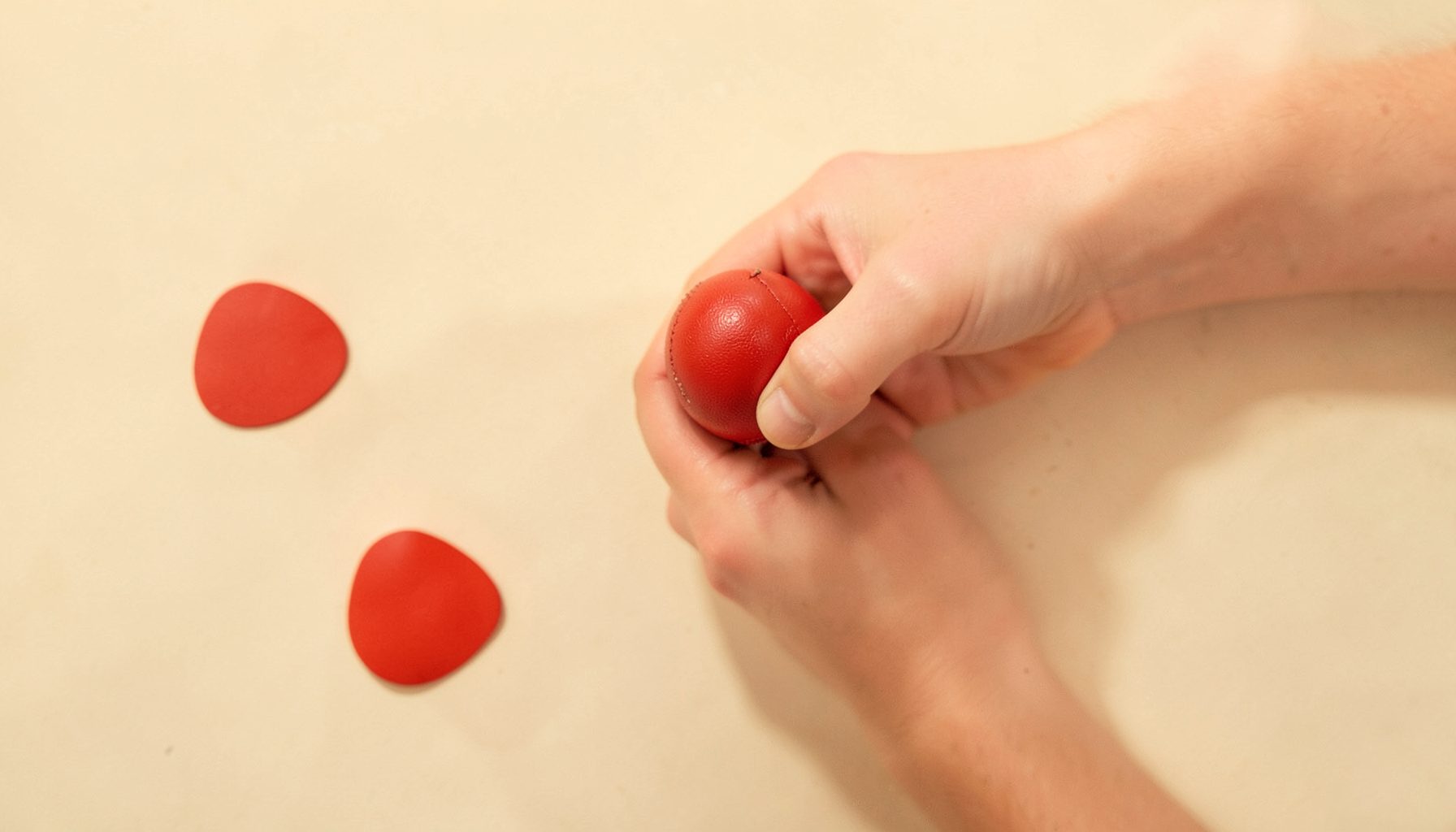
Next, add a drop-and-hit exercise. Hold the ball at a comfortable height, release it slightly in front of the leading foot, and strike it at the same contact point each time. Focus on a controlled swing rather than maximum power. Record where the ball travels and whether your body remains inside the court after the follow-through.
Train Your Contact Point And Footwork
The contact point determines the serve’s direction and trajectory. Place a small marker on the floor to show where the ball should be released, then use a second marker to indicate where your front foot should land. Practise the release and step without hitting, checking that the ball remains in front of your body rather than drifting across it.
Once the footwork feels reliable, complete sets of ten serves with a specific contact target. For a flatter serve, contact the ball slightly in front with a firm, level racket face. For a higher defensive serve, allow a little more upward movement while keeping the strike controlled. The exact height will vary by player, but consistency matters more than forcing a particular style.
A useful variation is the three-position serving drill. Serve from your usual position, then move a half-step wider and a half-step closer to the centre before repeating the sequence. This teaches your feet to adjust while preserving the same swing. It also helps prevent opponents from predicting your target based on your starting position.
Improve Accuracy With Target Practice
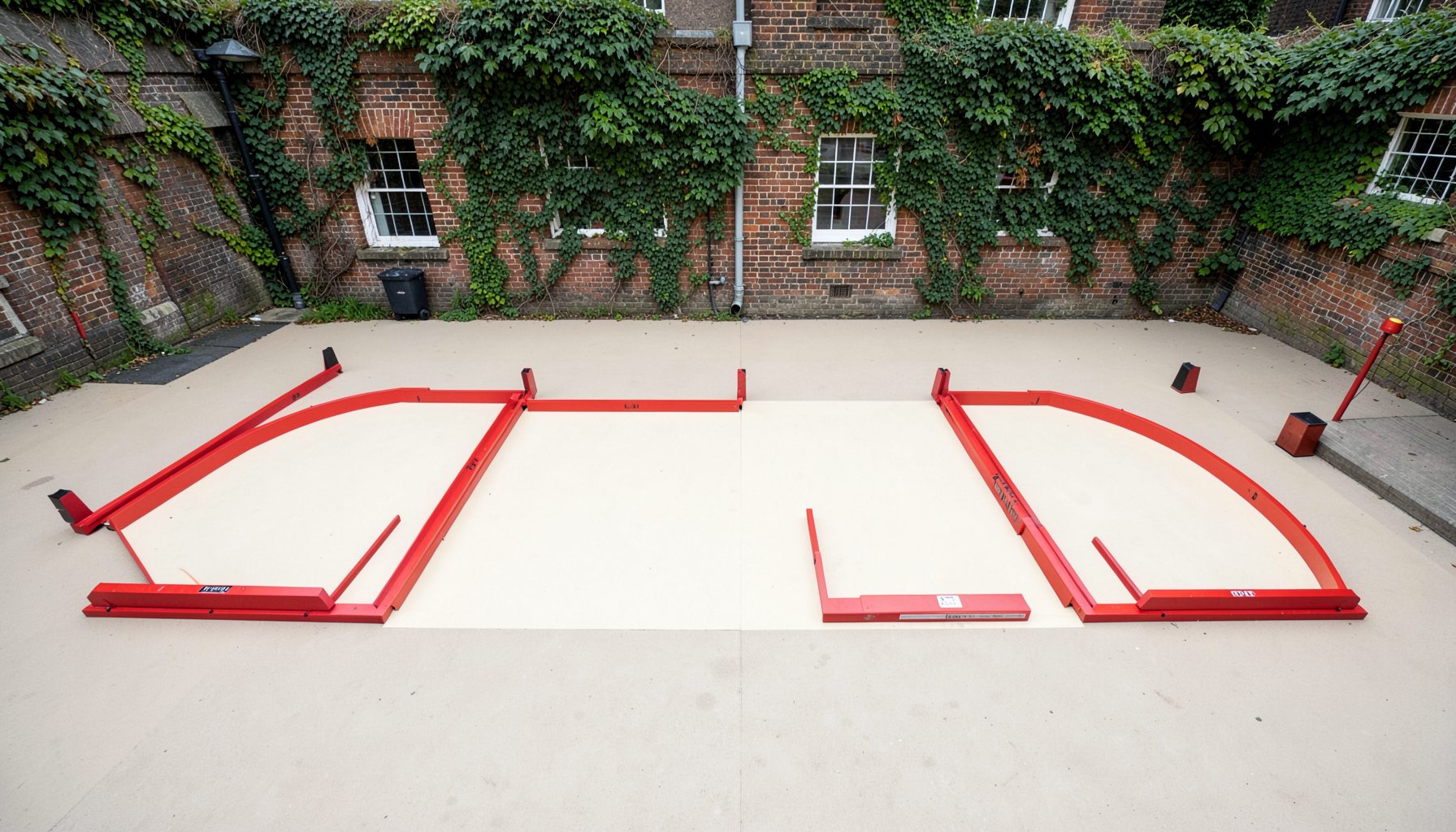
Accuracy drills turn a general serving motion into a dependable scoring tool. Mark three target zones on the front wall or use visual reference points already available in the court. Begin with a large target, such as the area above the service line, and gradually reduce its size as control improves.
Use a scoring system to create purpose. Award one point for reaching the correct height, two for reaching the intended width, and three for combining the target with a good recovery position. This approach rewards a complete serve rather than a lucky strike. Keep the score for each session so progress can be measured over several weeks.
Practise both the safest target and the most ambitious one. A reliable serve to a difficult return area should be your foundation, while a sharper angle or deeper placement can become a variation. Players studying the sport’s competitive standards can also find useful inspiration in this junior champion interview, particularly when considering how young athletes build confidence through repetition.
| Drill | Main Skill | Suggested Set | Key Check |
|---|---|---|---|
| Shadow swings | Smooth mechanics | 3 x 10 | Balanced finish |
| Drop-and-hit | Contact point | 4 x 10 | Ball released in front |
| Three-position serve | Footwork adjustment | 3 x 9 | Same swing from each position |
| Target zones | Accuracy | 5 x 8 | Ball reaches intended area |
| Serve and recover | Match readiness | 4 x 6 | Ready before the return |
| Pressure ladder | Decision-making | 3 rounds | Routine holds under stress |
Add Pace, Height, And Placement
Once basic accuracy is established, practise changing one serving variable at a time. Hit five serves with a higher arc, five with a flatter trajectory, and five aimed towards a different area of the wall. Do not change speed, height, and direction simultaneously at first; separating the variables makes the cause of each result easier to understand.
The pace-change drill develops tactical awareness. Alternate between a controlled serve and a firmer serve while keeping the preparation identical. Your opponent should not be able to read the intended speed from your early movement. The racket may accelerate differently, but the stance, ball release, and initial rhythm should remain similar.
Placement matters as much as power. A serve aimed away from the receiver’s preferred striking side can create a weaker return, while a serve close to the side wall may reduce their available angles. Use a partner to identify which locations produce awkward returns, then repeat those serves under gradually increasing pressure.
Practise The Serve And Recovery
A serve does not finish when the ball leaves the racket. The next priority is recovering into a position that allows you to respond to the return. The serve-and-recover drill makes this sequence automatic: serve, complete the follow-through, take the shortest safe route into a ready position, and pause before the partner returns.
Ask your partner to vary the return rather than feeding the ball to a predictable location. Some returns should be soft, some deep, and some directed towards the side wall. Your task is to maintain balance and read the ball without crossing your feet or turning too slowly.
You can also use a two-ball pattern. After the first serve and return, play one controlled shot, then reset immediately for the next serve. This links technical work with rally awareness and prevents the serving practice from becoming disconnected from match conditions. Keep the early rounds at moderate intensity, then increase speed when your movement remains efficient.
Build Pressure Into Serving Practice
Many players serve well during technical exercises but lose control when a game becomes close. The pressure ladder addresses this weakness. Start by requiring two successful serves in a row, then four, then six. If the target is missed, return to the previous level rather than abandoning the drill.
A second option is the consequence game. The server chooses a target before each attempt and earns a point for reaching it. Missing the target gives the receiver a point or requires the server to complete a short conditioning task. The consequence should create concentration without encouraging reckless hitting.
Include a realistic pre-serve routine throughout these exercises. Take the same number of breaths, check the target, settle the feet, and begin the motion. A repeatable routine gives the mind a clear sequence to follow when the score is tight. Coaches and club partners can make this more effective by recording successful first serves and unforced serving errors separately.
Build A Reliable Practice Routine
A short, focused session is usually more useful than a long period of unfocused hitting. Organise practice around one technical priority and one tactical priority, such as improving contact while serving away from the receiver’s strong side. Finish with competitive serves so the new skill is tested in a realistic setting.
A practical weekly routine can include:
- Ten minutes of shadow swings and ball-release work
- Fifteen minutes of target serving from three starting positions
- Ten minutes of pace and height changes
- Fifteen minutes of serve-and-recover rallies
- Ten minutes of pressure serving with a score
Keep a simple training record. Note the target, number of successful serves, common misses, and how quickly you recovered after contact. If most errors go long, review the racket angle and follow-through. If serves drift sideways, check the release point, stance, and shoulder alignment before trying to add power.
Refine Your Serve With Feedback
Video provides valuable evidence because serving errors often feel different from how they look. Film from the side and from behind, then review the ball release, contact point, body position, and recovery step. Look for one change at a time; trying to correct every detail in one session can make the motion tense and unnatural.
A qualified coach or experienced club player can also identify patterns that are difficult to spot alone. Ask for feedback on the serve’s effectiveness, not just its appearance. The best technical adjustment is the one that improves accuracy, limits easy returns, and remains comfortable when fatigue appears.
Make the serve part of regular Rugby Fives training rather than an occasional warm-up. Work with a local club, attend coaching sessions, and test different placements against players with varied styles. Set a clear target for your next block of practice, track the results, and take your improved serve into competition with confidence.