Stronger shoulders for better Rugby Fives performance
Rugby Fives rewards players who can generate serious force through their arms and shoulders, particularly when delivering the trademark overhead serve or driving a cut shot into the top corner. Because the ball rebounds unpredictably from buttresses and ledges, rallies demand repeatability, accuracy, and power from the shoulder complex. Without a structured strength programme, even naturally strong players find their accuracy drifting late in a long match, and the risk of rotator cuff strain rises sharply.
Australian players, whether training at suburban clubs in Brisbane or squeezing gym sessions in before work in Melbourne, can build these qualities with relatively modest equipment. The sport still has a small footprint in Australia, with most Rugby Fives activity concentrated in expat communities, university clubs in Sydney and Adelaide, and a handful of community courts. That scarcity makes self-directed shoulder preparation especially valuable for anyone wanting to compete confidently when fixtures do come around.
Why shoulders take a beating in Rugby Fives
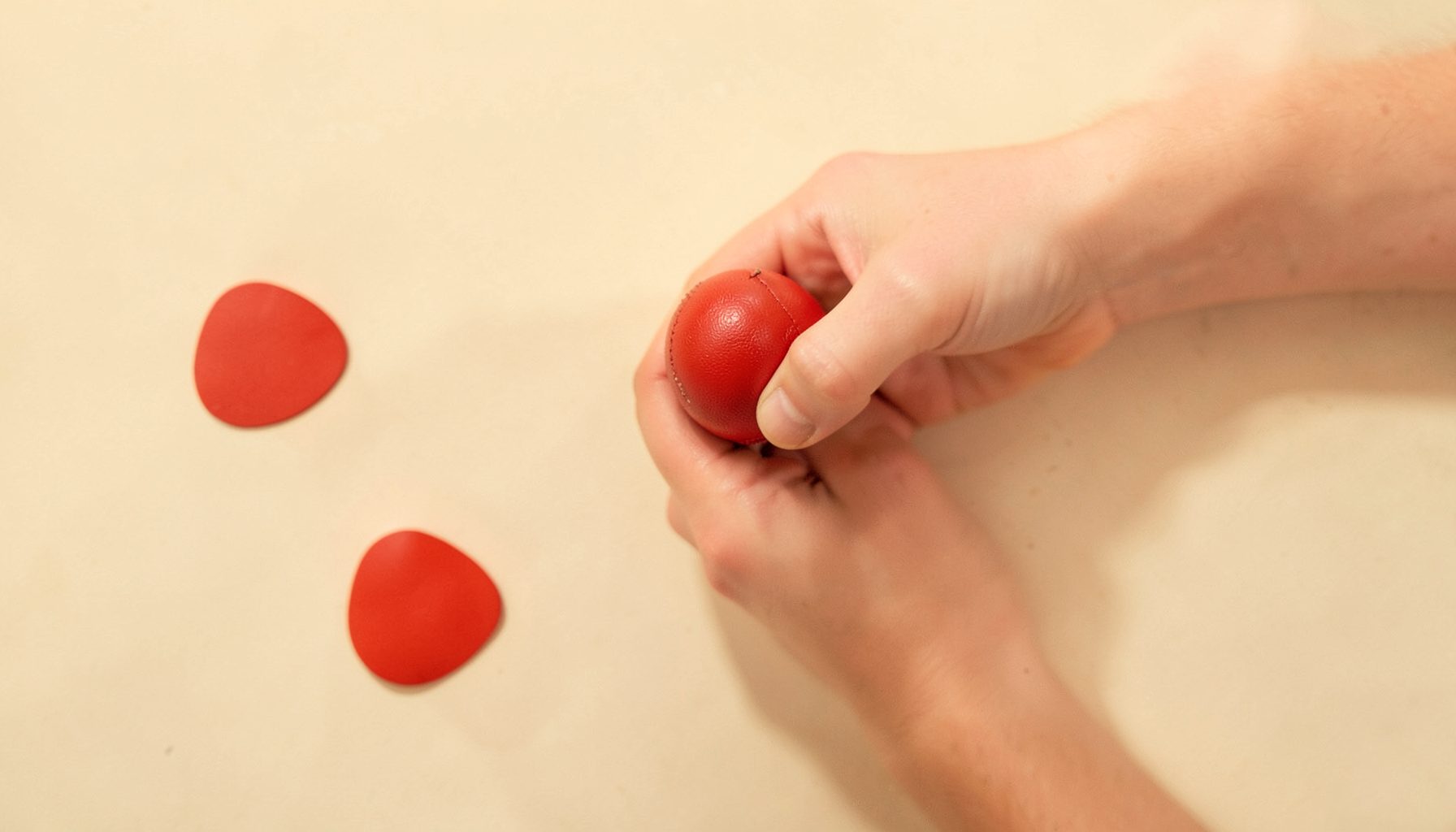
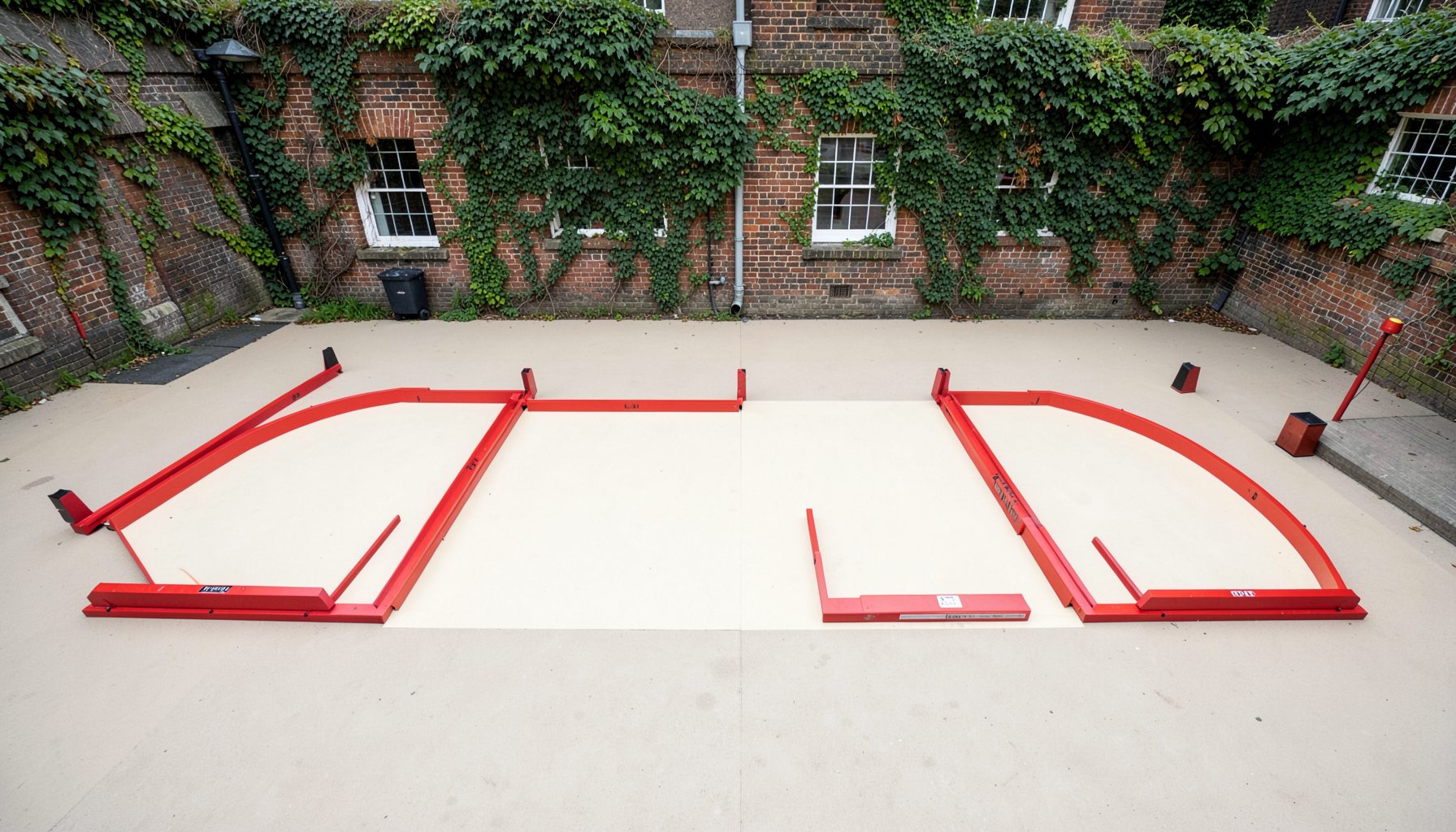
A Rugby Fives ball weighs about 90 grams and travels fast. When you strike it from above your head, the acceleration phase alone places enormous demand on the deltoids, the rotator cuff, the lats, and the serratus anterior. The court geometry amplifies the problem: balls come back at varied angles and speeds, so the shoulder must stabilise the arm in countless positions each match. A player who has only trained pushing straight ahead will struggle when forced to twist through the kinetic chain to retrieve a low volley.
The Australian Institute of Health and Welfare regularly reports that resistance training reduces the risk of musculoskeletal injury across the population. While the data is not sport-specific, the principle holds: building tissues to handle load reduces the chance of strains and impingements on court. For Rugby Fives, where matches can run past an hour in summer heat, durability matters as much as peak power.
Foundational pressing strength
The bedrock of any shoulder programme is a strong press. The standing overhead press, performed with a barbell or pair of dumbbells, develops the deltoids and triceps in a movement pattern that mirrors the Rugby Fives serve. Australian lifters often train this movement early in the week, when energy is highest, using a 5x5 or 4x6 rep scheme. Beginners should start with dumbbells to balance each side independently, which is closer to the unilateral demands of the game.
For variety, the landmine press changes the angle of force production and reduces stress on the shoulder joint at the bottom range. It also encourages rotation through the torso, which helps develop the kind of cross-body force a player generates when cutting a forehand across court. Push presses, where the legs assist a small amount, train the rate of force development through the shoulders and translate well to serves hit at speed.
Aim to progress these movements across an eight to twelve week cycle, adding load gradually. The Australian Government's physical activity guidelines suggest adults complete muscle-strengthening activities on at least two days per week, which slots neatly alongside any court-specific work.
Rotator cuff and scapular control
Power without control breaks down quickly. Rotator cuff exercises such as the dumbbell external rotation, the cable external rotation at 90 degrees abduction, and the prone Y-T-W raise build the smaller stabilising muscles that keep the humeral head centred in the socket. Face pulls using a rope attachment target the rear delts and upper traps, both of which become overstretched during repeated overhead serving.
Many Australian strength coaches prescribe two sets of each accessory exercise, performed for 12 to 20 reps, after the main lifts. Light bands work well for warm-ups: a few minutes of banded external rotations and pull-aparts before stepping onto court prepares the shoulder for the unusual angles of Fives play. Players in warmer climates like Perth and Brisbane can complete this routine outdoors at local ovals, since the exercises require almost no equipment.
Single-arm dumbbell rows and chest-supported rows complete the picture by strengthening the upper back and pulling the shoulders into a healthier posture. After hours of desk work or commuting along Sydney's M2 corridor, these pulling movements offset the forward shoulder posture that contributes to injury risk on court.
Power, plyometrics and reactive strength
Rugby Fives rewards players who can put pace on the ball. Power-focused work transfers raw strength into useful speed. Medicine ball overhead throws, performed for 3 to 5 sets of 5 reps, train the triple extension that underpins a hard serve. Rotational throws against a wall, with a 4 to 6 kilogram ball, develop the trunk-to-shoulder force transfer needed for cut shots.
Plyometric upper-body work has its limits, but push-up variations such as the plyometric push-up, the clap push-up, or the medicine ball push-up build elastic capacity in the chest and shoulders. Keep volume low — 3 sets of 4 to 6 reps — and rest fully between sets. Beginners can use an elevated surface to reduce impact while still training the stretch-shortening cycle.
Battle ropes and sledgehammer work, both popular in functional training facilities from Adelaide to the Gold Coast, offer another way to build shoulder endurance and rotational power without heavy axial loading. These sessions also tend to be more enjoyable in groups, fitting well with the club culture that underpins Australian sport.
Programming and recovery in Australian conditions
A typical week might pair two gym sessions with two or three Rugby Fives sessions. On gym days, lead with pressing strength, follow with accessories, and finish with power work. On court days, perform only a short banded warm-up. Off days, focus on mobility: thoracic extensions, doorway pec stretches, and scapular controlled articular rotations keep the shoulder moving freely.
Heat is a real consideration across the country. Training outdoors in summer, particularly in western Sydney or inland Queensland, demands fluid intake and shorter sessions. Most strength work tolerates heat reasonably, but power sessions suffer when core temperature climbs. Early morning or late evening training, combined with air-conditioned gyms in larger centres, keeps the quality of work high.
Sleep and nutrition complete the picture. The Australian Dietary Guidelines emphasise adequate protein for active adults, around 1.2 to 1.6 grams per kilogram of bodyweight, which supports the recovery needed for shoulder adaptation. Players juggling work, family and training — a familiar reality around cities like Canberra and Hobart — benefit from keeping sessions short and consistent rather than chasing long workouts they cannot sustain.
| Exercise type | Primary benefit | Sample rep range | Best timing |
|---|---|---|---|
| Overhead press (barbell or dumbbells) | Pressing strength and serve power | 4–6 reps across 4–5 sets | Start of session |
| Landmine press | Angled pressing and torso drive | 8–10 reps across 3 sets | After main lift |
| External rotation (dumbbell or cable) | Rotator cuff stability | 12–20 reps across 2–3 sets | After main lift |
| Face pull | Rear delt and upper back health | 12–20 reps across 2–3 sets | After main lift |
| Medicine ball overhead throw | Serve speed and rate of force development | 4–6 reps across 3–5 sets | Mid-session |
| Plyometric push-up variation | Elastic shoulder capacity | 4–6 reps across 3 sets | End of session |
| Banded warm-up routine | Joint preparation and blood flow | 10–15 reps each movement | Pre-training |
If shoulder strength is the limiting factor in your game, start by booking an assessment with a coach through the Rugby Fives Association directory, then commit to twelve weeks of structured pressing, accessory and power work. Combine that with regular match play, sensible recovery, and the kind of patience any long-term strength project demands. Your serves will travel faster, your volleys will feel sharper, and your shoulders will hold up when fixtures stretch into the back end of the season.