The Best Gear for Rugby Fives: A Buyer’s Guide for Every Level
Rugby Fives needs far less equipment than many court sports, yet the right choices can make a significant difference to comfort, confidence, and performance. A suitable pair of indoor shoes, a well-made ball, and sensible hand protection will help a new player enjoy sessions while giving experienced competitors the consistency they need.
The sport is played at speed in an enclosed court, with players striking the ball against the front wall and reacting to unpredictable rebounds. That places particular demands on grip, movement, touch, and hand comfort. Equipment should support those demands without restricting natural technique.
A beginner may be able to borrow a ball and play in ordinary trainers, while a regular club player will benefit from more specialised equipment. Competitive players should also consider durability, court regulations, personal fit, and the conditions in which they train. The most expensive option is rarely the best choice for every stage of development.
Start With Court-Safe Footwear
Shoes are the most important purchase for most Rugby Fives players. Look for indoor court footwear with a non-marking gum or clear rubber sole, firm lateral support, and enough flexibility for rapid changes of direction. A running shoe is designed for forward movement and usually lacks the side-to-side stability required on a Fives court.
A secure heel and close-fitting midfoot can reduce sliding inside the shoe during lunges and sudden stops. The toe box should allow natural movement without letting the foot shift. Try shoes with the socks you normally wear for training, and leave a small amount of room at the toes without choosing a loose fit.
Sole grip matters, but excessive softness can make a shoe feel slow or unstable. If possible, test the footwear on a clean indoor surface before committing to a pair. Keep court shoes separate from outdoor trainers so their soles remain free from grit, which can damage the floor and reduce traction.
Choose A Ball That Suits Your Stage
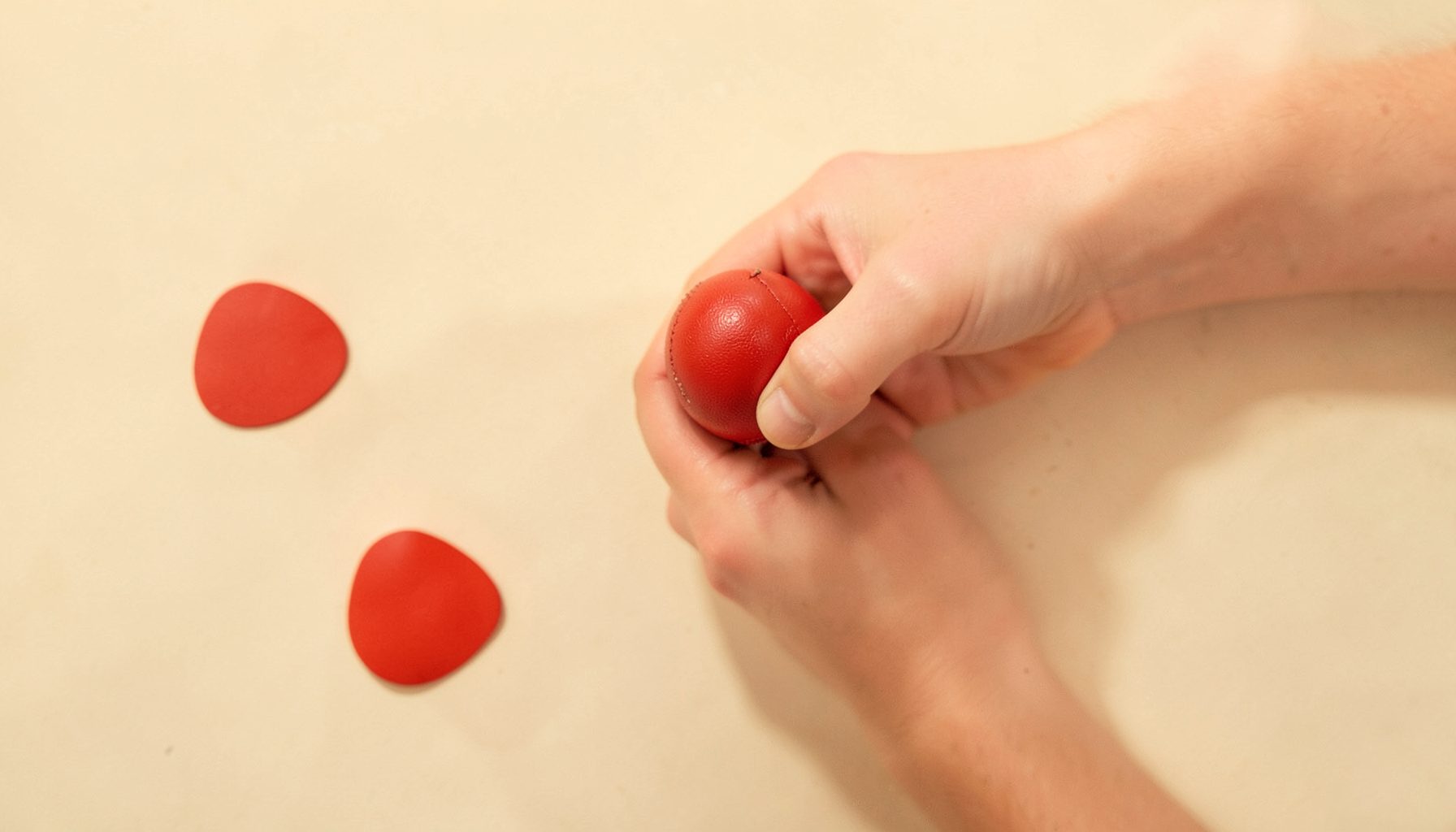
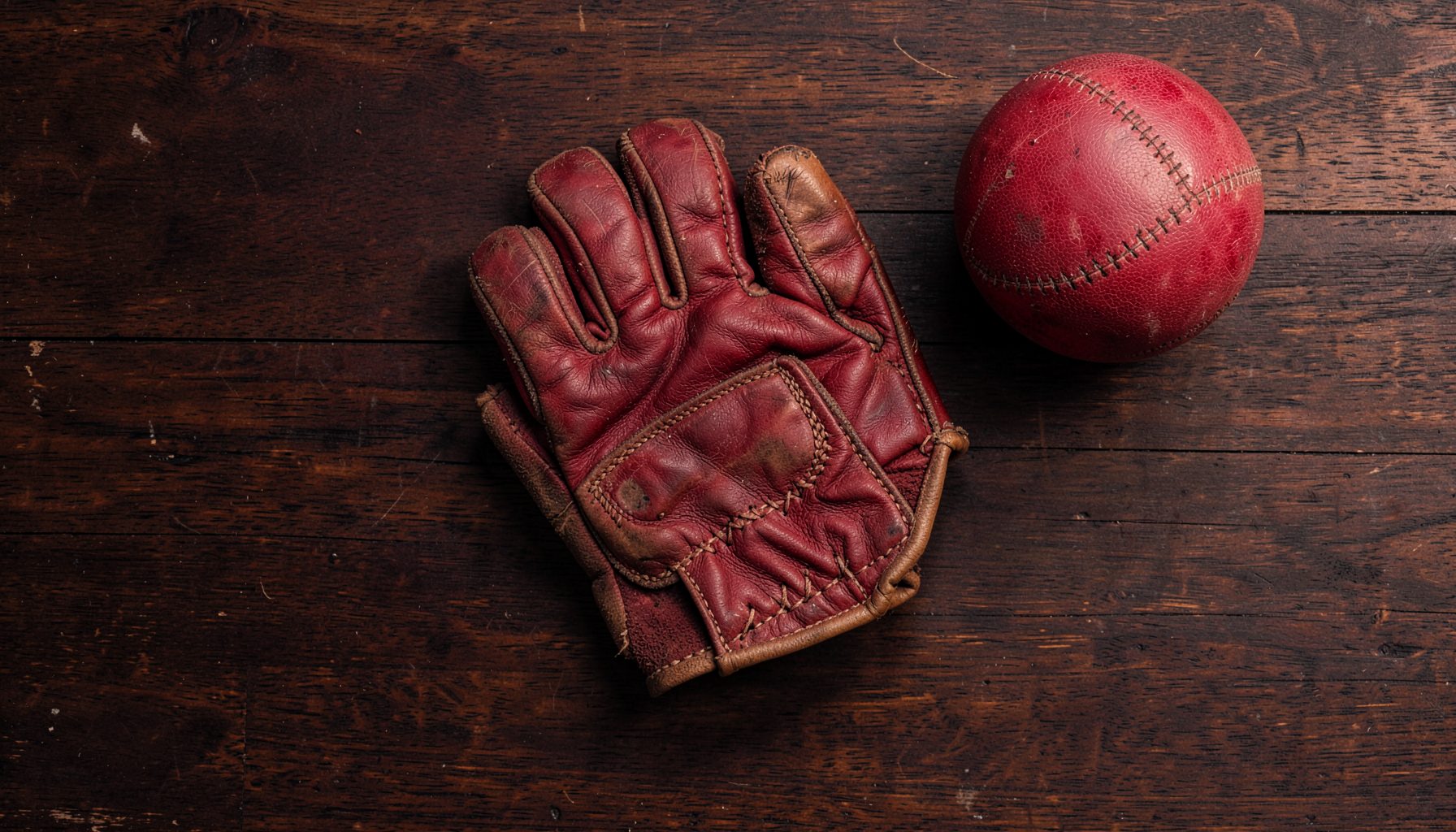
The ball has a direct effect on timing and technique. Rugby Fives is traditionally played with a small leather ball, and the surface, firmness, and weight can alter how it travels from the wall. Beginners often benefit from a ball that feels manageable in the hand and provides predictable rebounds while they learn basic positioning.
A club-approved or association-recommended ball is a sensible choice for regular play. Quality construction helps the ball retain its shape and reduces changes in bounce over time. A very cheap ball may seem suitable for casual use, but inconsistent panels or poor stitching can make it frustrating during practice.
Players moving towards competition should train with the type of ball used at their club or event. Ask a coach or experienced player about current specifications before buying several balls. Different venues may have established preferences, and using familiar equipment helps players focus on reading the game rather than adapting to a new feel.
Protect Your Hands Without Losing Feel
Rugby Fives places repeated impact on the hands, so comfort and skin care deserve attention. Some players use light sports tape on vulnerable fingers, thumbs, or areas that become irritated. Tape should support a minor problem without restricting circulation or movement. It should never be used to disguise a significant injury.
Specialist gloves are not essential for every player and can change grip and touch. Many players prefer bare hands because they offer direct contact with the ball. Others may choose thin, close-fitting hand protection during practice, particularly in cold conditions or when managing sensitive skin. Any glove should be tested carefully before competitive use.
A small kit containing athletic tape, plasters, blister treatment, and hand moisturiser can be useful for training days. Moisturiser is best applied after play rather than immediately before handling the ball, since a slippery palm can affect control. Persistent pain, swelling, or broken skin calls for rest and suitable medical advice rather than additional equipment.
Wear Clothing That Supports Movement
Rugby Fives clothing should be light, breathable, and comfortable through repeated bursts of movement. A technical shirt or close-fitting sports top can reduce distraction, while flexible shorts or training trousers allow deep lunges and quick recovery steps. Avoid loose garments that can catch on walls or interfere with vision.
Indoor courts can vary in temperature, so a removable warm-up layer is useful. Players who train early in the morning or in colder halls may appreciate a long-sleeve base layer before play, followed by lighter clothing once they warm up. Moisture-wicking fabrics are generally more comfortable than heavy cotton during long sessions.
Eye protection may be appropriate in some training environments, especially for younger players or sessions involving several people close to the front wall. Use only sports eyewear that fits securely and does not obstruct peripheral vision. Check club guidance and event rules before relying on protective equipment in formal matches.
Match Equipment By Playing Level
The best buying decision depends on how often you play, whether you compete, and what your club already supplies. New participants should avoid purchasing a complete collection before attending a session. Clubs, schools, coaches, and the Rugby Fives Association network can often help players borrow equipment and understand local expectations.
The following guide gives a practical starting point. Prices vary by brand and retailer, while some items may be available through club stock or shared coaching equipment.
| Playing level | Essential equipment | Useful additions | Buying priority |
|---|---|---|---|
| First session | Indoor trainers, comfortable sports clothing | Borrowed ball, small towel | Safety and fit |
| Beginner | Dedicated court shoes, suitable ball, water bottle | Sports tape, warm-up layer | Reliable basics |
| Regular club player | Durable court shoes, personal training ball, kit bag | Spare laces, hand-care kit, protective eyewear where suitable | Comfort and consistency |
| Competitive player | Match-suitable shoes and ball, compliant clothing | Backup ball, spare shirt, recovery supplies | Performance and reliability |
| Coach or school programme | Several balls, cones or markers, first-aid supplies | Storage bag, bibs, age-appropriate protective equipment | Durability and shared use |
A dedicated kit bag becomes increasingly useful as training becomes more frequent. Choose one with a ventilated shoe compartment, room for wet clothing, and a separate pocket for tape or personal items. Good organisation prevents damp kit from being left with clean clothing and makes it easier to arrive prepared for fixtures.
Buy For Durability And Court Etiquette
Equipment should be judged by its useful life rather than its initial price. A well-constructed shoe that remains stable for a full season may represent better value than a cheaper pair that loses grip quickly. Inspect the outsole, stitching, heel support, and internal lining regularly, particularly if you play several times each week.
Balls should be stored dry and away from direct heat. Do not leave them in a hot car or press them beneath heavy kit, as this can affect shape and surface quality. Wipe shoes after use and allow them to air naturally. Replacing worn laces or insoles can extend the life of good footwear, but a smooth sole or weakened structure means the shoes should be retired.
Respect for the court is part of responsible equipment use. Non-marking soles help protect playing surfaces, while clean footwear reduces dirt and slipping risks. Follow the venue’s rules on food, drinks, bags, and protective equipment. Shared facilities depend on players leaving the court ready for the next session.
A Practical Buying Checklist
Before spending money, match each purchase to your playing habits and ask whether it solves a real problem. Advice from a coach or club player can be more valuable than a generic online rating, especially when choosing a ball or deciding whether hand protection is necessary.
- Prioritise non-marking indoor shoes with reliable lateral support.
- Choose a quality ball that matches your club or competition standards.
- Use tape or thin hand protection only when it improves comfort without affecting control.
- Keep a separate kit bag with water, a towel, spare clothing, and basic first-aid items.
- Replace footwear when grip, cushioning, or structural support has clearly deteriorated.
Try equipment during coached sessions whenever possible. A short test can reveal pressure points, slipping, poor visibility, or an unsuitable ball feel before those issues become expensive mistakes. Schools and community programmes can also benefit from buying robust shared equipment rather than asking every new player to provide everything immediately.
Build Your Kit As Your Game Develops
Your first Rugby Fives kit can be simple: safe court shoes, comfortable clothing, access to a suitable ball, and a way to manage minor hand irritation. As your movement improves and your schedule becomes more regular, invest in durability and consistency rather than decorative extras.
Competitive players should make sure personal preferences fit the rules and customs of their venue or event. The Rugby Fives Association, affiliated clubs, coaches, and tournament organisers are useful sources of current guidance on equipment, fixtures, and participation. Their experience can help players select gear that works in real courts and real matches.
A sensible kit supports learning without replacing it. Footwork, positioning, striking technique, and match awareness remain central to progress, while reliable equipment allows those skills to develop with fewer distractions. Choose carefully, look after what you own, and take your completed kit to a club session, coaching programme, or local tournament.