



The Best Rugby Fives Matches of the Last Decade
The past decade has given Rugby Fives a compelling collection of contests: long singles rallies, tactical doubles exchanges, school finals decided by tiny margins, and club matches in which composure mattered as much as power. The finest games were rarely simple displays of athletic ability. They were tests of anticipation, touch, movement and patience.
For followers in Australia, these matches offer a useful way to understand a sport that remains small but deeply established in Britain. Rugby Fives rewards intelligent positioning rather than brute force, making it attractive to players from squash, racquetball, tennis and other wall-court sports. Its compact court also creates a distinctive visual rhythm, with every shot capable of changing the rally.
The decade from 2015 to 2025 also showed how the sport is being preserved and modernised. Championships, school programmes, club fixtures, coaching and recorded results have helped connect generations of players. The strongest matches sit within that wider story: they reveal the standard of play while showing why Rugby Fives continues to depend on committed clubs, schools, officials and volunteers.
What makes a modern classic
A memorable Rugby Fives match usually has a clear tactical argument. One player may try to keep the ball low and force awkward returns, while the opponent uses height, disguise and changes of pace to regain control. Since the front wall and side walls all influence the bounce, a rally can turn on a few centimetres of placement.
The best matches of the last decade also shared competitive balance. A dominant performance can be impressive, but a close final gives spectators a better view of decision-making under pressure. Players must manage fatigue, recover quickly after a poor shot and remain patient when a rally seems to offer no opening.
The singles rallies that defined the period
Singles matches produced some of the decade’s clearest examples of technical excellence. The leading players combined a reliable service with precise returns into the corners, then waited for an opponent to reach too far or leave the centre of the court. Long exchanges became battles of concentration, with changes in tempo proving as important as hard hitting.
Several championship singles contests stood out because momentum shifted repeatedly. A player could appear to control the match before a sequence of defensive returns brought the score level. In these games, the decisive moment was often an ordinary-looking shot taken early and directed into space, rather than a spectacular winner.
For Australian audiences, the singles game may feel familiar through its relationship with squash. The court is smaller and the ball behaves differently, yet the same habits matter: split-step movement, economical swings and the ability to recover to a strong central position. A regular lunchtime squash player in Melbourne or Brisbane would recognise the physical demands quickly, even if the tactics require adjustment.
Doubles matches full of movement
Doubles brought a different kind of drama. Partners had to communicate without slowing the rally, cover different areas of the court and avoid leaving a gap between them. The most effective pairs rotated naturally, allowing one player to attack while the other anticipated the next angle.
The finest doubles matches of the decade were often decided by defensive discipline. A pair could survive sustained pressure by returning the ball safely and rebuilding their formation. When the opening finally appeared, the attacking team had to act immediately, because a hesitant volley usually handed control back.
These contests also showed why Rugby Fives is an excellent team sport for schools and clubs. Players learn to trust a partner, make quick decisions and respond constructively after mistakes. Those qualities support the wider work of the club welfare officer, particularly when clubs are creating welcoming environments for juniors and new participants.
School finals that shaped future champions
School matches remained central to the decade. Fixtures between established Rugby Fives schools carried a strong sense of tradition, yet they also provided a pathway for players who might later compete at club and national level. A school final could feature a technically polished senior player facing an opponent with less experience but exceptional speed and courage.
The most engaging school contests were those in which the scoreline stayed close and the players adapted throughout the match. Coaches could influence tactics between games, but the action on court still depended on a young player’s ability to recognise patterns and stay composed. A change from high defensive shots to fast, low returns could transform the entire contest.
Australian schools interested in developing a similar pathway would face practical differences. Court access is limited outside a small number of specialist venues, and school sport often competes with cricket, swimming, tennis and Australian Rules football for time and facilities. A portable coaching programme, shared regional fixtures and links with existing racquet clubs could provide a realistic starting point.
Club rivalries and the value of close scores
Club championships supplied many of the decade’s most meaningful matches because they brought together players with different backgrounds. Some had developed through school competition, while others found the sport later through a local club. That mixture made club fixtures unpredictable and gave experienced competitors a chance to mentor emerging talent.
A close club match also depends on the people around the court. Referees, scorers, coaches and volunteers help maintain standards and preserve accurate results. Their work may be less visible than a winning shot, but it allows rivalries to continue across seasons and gives players a reliable competitive structure.
In Australia, a club would also need to consider state-based child-safety requirements when juniors take part. Working with Children Checks and Child Safe Standards differ between jurisdictions such as New South Wales, Victoria and Queensland. Clear supervision, transport policies and incident reporting are practical parts of running a healthy programme, especially when players travel between cities.
Why these matches matter in Australia
Rugby Fives has natural appeal in Australian urban areas because it can fit around busy routines. A short training session before work, an evening fixture after school or a weekend tournament can offer meaningful exercise without requiring a large field. Sydney, Melbourne, Brisbane and Canberra already have communities familiar with court sports and structured club competition.
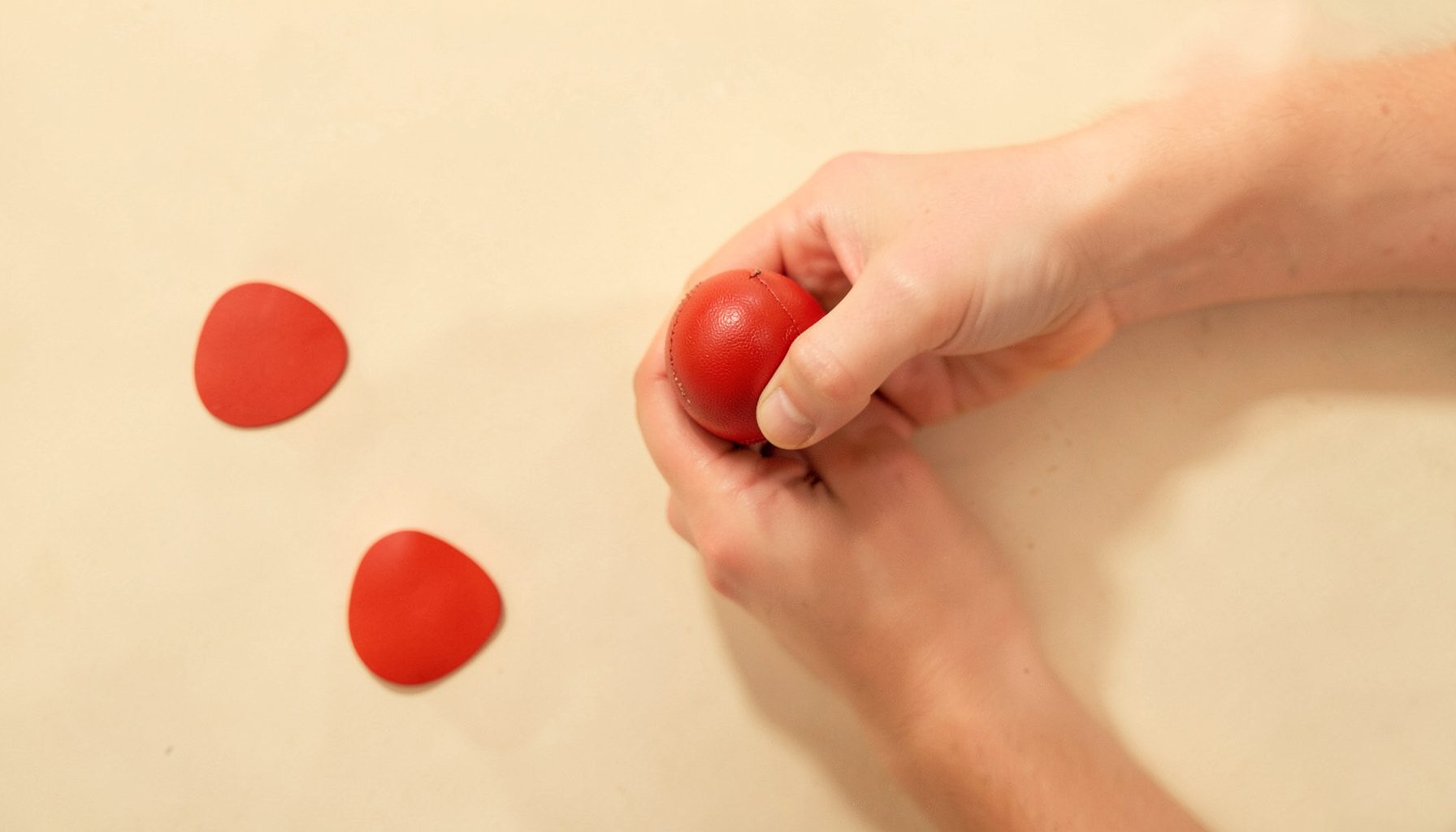
The local market does present obstacles. Specialist balls, gloves and footwear may need to be imported, increasing delivery costs and exposing clubs to exchange-rate changes and GST on eligible purchases. Shared equipment orders, partnerships with squash retailers and second-hand gear networks could make entry more affordable for new players.
The sport’s values also fit Australian community sport policy. Inclusive participation, respectful conduct and sensible safeguarding are important to schools, councils and grant providers. A Rugby Fives programme that documents coaching standards, volunteer responsibilities and player welfare will be better placed to build trust with venue operators and parents.
How to revisit the decade’s finest contests
The best way to study the period is to combine match results with context. A scoreline shows who won, but it does not reveal whether the match turned on service pressure, defensive patience, an injury, a tactical change or a late burst of confidence. Championship archives, club records and video clips can be read together to create a fuller picture.
Viewers should watch for a few recurring features: where each player stands after serving, how quickly they recover to the centre, whether they favour the front or side wall, and how often they choose safety over aggression. In doubles, observe how partners exchange positions and whether they protect the weaker side of the court.
| Match type | Defining quality | What to watch | Australian relevance |
|---|---|---|---|
| Championship singles | Patience under pressure | Early returns and central recovery | Useful for squash and racquetball players |
| National doubles | Communication and coverage | Rotation after each shot | Suits team-based club programmes |
| School final | Adaptability and nerve | Tactical changes between games | Supports youth development |
| Club fixture | Depth and resilience | Performance across a full team | Fits regional competition models |
| Community tournament | Accessibility and atmosphere | Variety of playing styles | Helps grow participation |
The decade’s strongest Rugby Fives matches show that the sport does not depend on spectacle alone. Its drama comes from accumulated decisions: a safer return, a cleverly disguised angle, a partner’s covering movement or the discipline to keep playing the right shot late in a match. That detail rewards close viewing and gives coaches plenty to discuss.
Clubs, schools and community groups can help carry that standard forward by introducing newcomers to recorded matches, arranging beginner sessions and supporting local competitions. Australian players who want to explore the sport can start through a nearby racquet venue, a school partnership or an association contact, then build towards regular fixtures and championship participation. Discover the game, support its people and help create the next memorable Rugby Fives match.