



The Best Ways to String a Rugby Fives Racquet
Rugby Fives does not use a racquet. Players strike the ball with a gloved or protected hand against the walls of a four-sided court, so there are no strings, grommets, tension settings or replacement grips in the conventional racquet-sport sense. That distinction matters when buying equipment, booking a coaching session or searching for a restringing service in Australia.
The confusion is understandable because Rugby Fives sits close to squash, racquetball and other fast indoor games. A player in Sydney or Melbourne may hear “Fives” and assume a small racquet is involved, while an online shop may return squash strings or tennis accessories. The right approach is to identify the sport first, then choose hand protection and footwear suited to the court.
Rugby Fives equipment is hand-based
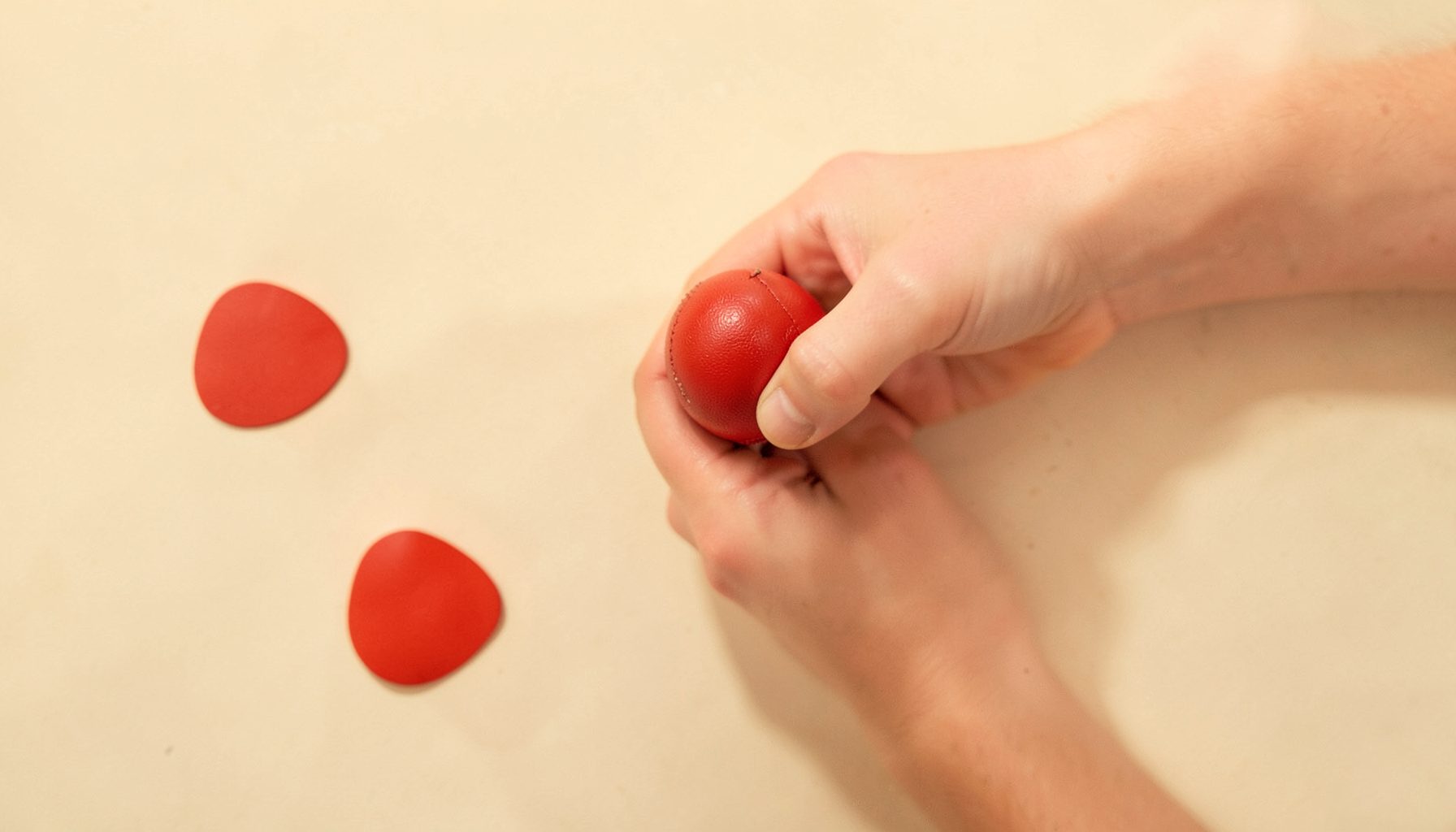
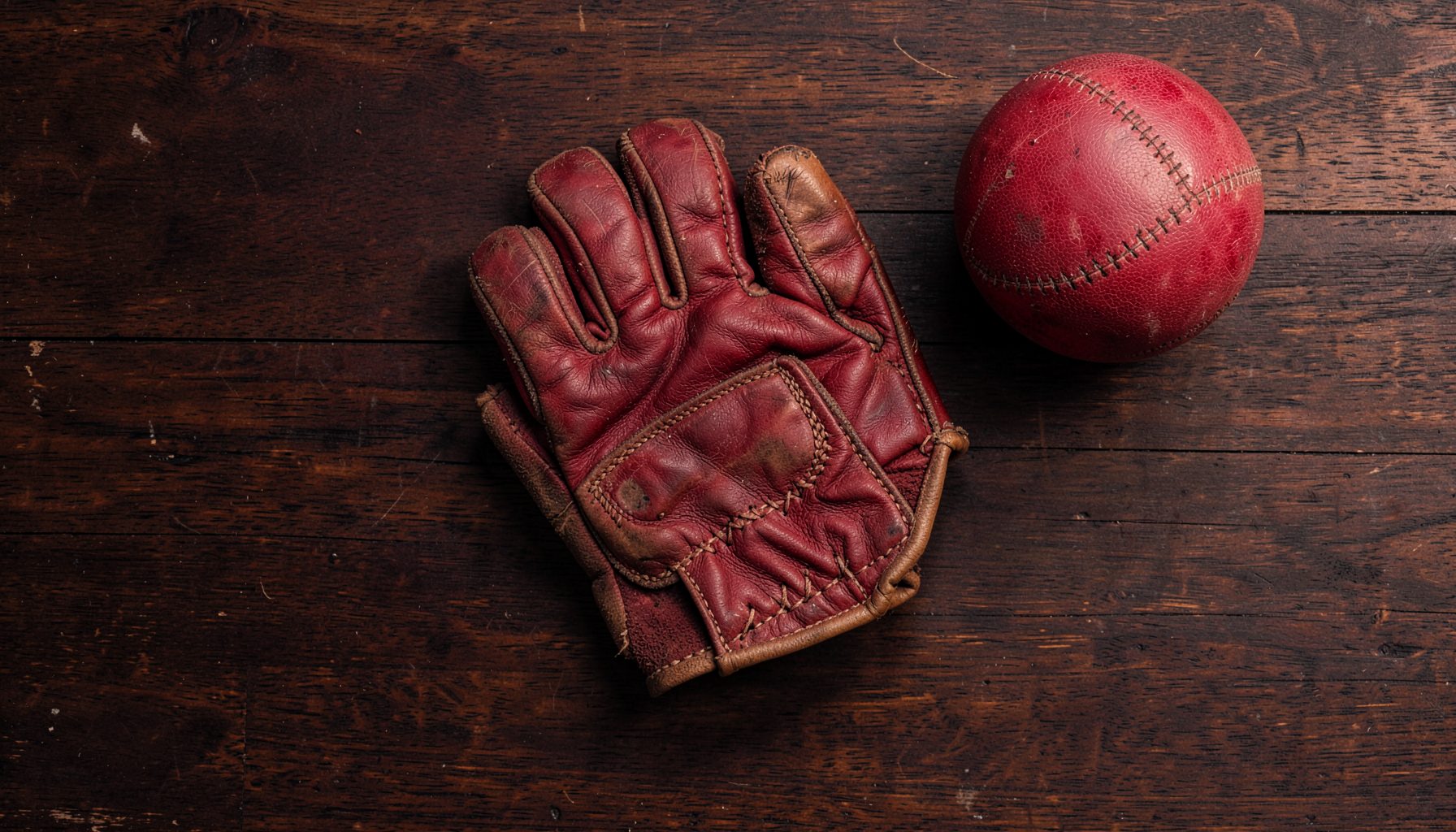
The defining piece of Rugby Fives equipment is the player’s hand, not a framed racquet. A suitable glove or hand covering helps protect the knuckles and palm while allowing enough feel to control pace, angle and placement. Players need to be able to close the hand naturally and present a firm, reliable striking surface.
Because the ball is hit directly with the hand, string tension has no role in performance. Power comes from timing, wrist position, body rotation and the quality of contact. A well-fitting glove can support those skills, but it cannot compensate for a loose technique or poor footwork.
This is especially useful for Australian beginners joining a school, university or community session. Rather than asking a sports retailer to restring a “Rugby Fives racquet”, ask about protective gloves, indoor court shoes and the type of ball used by the local club. That wording will usually prevent an unhelpful recommendation.
Why racquet stringing advice can be misleading
Search results often mix Rugby Fives with squash and racquetball because all three involve enclosed courts, rapid rebounds and short reaction times. Squash players select strings by material, gauge and tension, whereas Rugby Fives players select protection, fit and hand comfort. Advice written for a squash racquet should not be applied to a Rugby Fives glove.
A tennis or squash racquet also changes the way force reaches the ball. Strings create a responsive hitting surface, while a Rugby Fives player must build that response through the hand and arm. The sensation of impact is therefore more immediate, and an unsuitable glove may cause rubbing, bruising or loss of confidence.
If a shop in Brisbane or Perth offers to string your equipment, show them a photograph or describe the four-wall handball format before ordering anything. “Rugby Fives glove” and “hand protection for Fives” are more precise search terms than “Rugby Fives racquet string”.
Choose the right protection for your hand
A good glove should fit closely without restricting finger movement. Excess material can catch during a quick exchange, while a glove that is too tight may create pressure points across the knuckles. Check that the palm remains secure when the hand is opened and closed, and inspect the seams around the thumb and index finger.
Players differ in how much padding they prefer. New participants may appreciate additional protection while their hands adapt to repeated impacts. Experienced players often favour a thinner covering that preserves touch. The best choice depends on playing frequency, ball speed, court surface and personal comfort rather than a universal specification.
Sweat management is important in Australia, particularly during a humid summer session in Brisbane or after an evening game in Darwin. Keep a spare glove available, allow used equipment to dry fully and avoid sealing damp fabric in a sports bag. A small towel and a breathable kit bag can be as practical as any specialist accessory.
Match the equipment to your playing conditions
Indoor court shoes with reliable grip are more important than a racquet-shaped item that does not belong to the sport. Look for lateral stability, a secure heel and a non-marking sole. Running shoes can feel comfortable at first but may not provide the side-to-side support needed for lunges and sudden changes of direction.
Court access also influences preparation. In Australia, Rugby Fives may be offered through a school, university, private venue or a club with limited weekly sessions. A player travelling from regional New South Wales may need to plan equipment care around occasional fixtures, while someone in inner Melbourne may have more opportunities to compare coaching and playing groups.
| If you are playing… | The equipment to check | What to avoid |
|---|---|---|
| Rugby Fives | Protective glove, indoor court shoes, approved ball | Racquet strings and tennis overgrips |
| Squash | Racquet, strings, replacement grip, indoor shoes | Rugby Fives hand gloves as a racquet substitute |
| Racquetball | Racquet, suitable string setup, eye protection | Assuming squash tension is automatically suitable |
| Eton Fives | Hand protection and court-appropriate footwear | Treating it as a racquet sport |
The table also helps when comparing online listings. A product described as a “Rugby Fives racquet” may actually be a squash racquet, a training aid or a poorly categorised item. Check the sport’s rules and confirm with a coach before spending money.
Build a reliable hand-care routine
Hand care should begin before soreness appears. Trim nails, keep skin moisturised but not slippery, and check for small splits or blisters after each session. A glove that rubs in one place can turn a minor irritation into an injury when matches are played on consecutive days.
Warm-up exercises can prepare the wrists, forearms and shoulders for repeated strikes. Start with gentle mobility, then progress to controlled practice hits rather than immediately attempting maximum pace. Coaches can also help adjust contact point and follow-through, reducing unnecessary force through the fingers and wrist.
If pain persists, stop playing and seek qualified medical advice. Do not use thicker padding to disguise an injury or tighten a glove to keep it from moving. In a sport with frequent hand contact, comfort and movement quality are central to both performance and safety.
Use coaching and club knowledge
The quickest way to settle equipment questions is to speak with people who play Rugby Fives regularly. A coach can identify whether a glove is suitable, explain how much protection is customary and recommend an appropriate ball. Clubs can also clarify local court rules and whether beginners should bring their own equipment.
The Rugby Fives Association supports competitions, coaching, school programmes and community participation, making it a useful starting point for finding accurate information. Its historical coverage also shows how the sport has developed through memorable contests, including these notable Fives matches.
That community connection is valuable in Australia, where the sport may be less familiar than tennis, squash or Australian Rules football. A local school coordinator, university sports office or club volunteer may know where courts are available and which gloves suit the surface. In everyday Australian terms, getting the right advice before buying is the best way to avoid wasting a few hundred dollars on gear that will sit unused.
For anyone who actually meant squash or racquetball, the process is different: identify the racquet model, inspect the grommets, select a string type and choose a tension recommended for that frame. A professional stringer in Adelaide, Canberra or another local centre can then assess wear and restring it safely. That service belongs to the racquet sport, not Rugby Fives.
Choose hand protection that fits, court shoes that grip and equipment advice that matches the rules of Rugby Fives. Connect with the Rugby Fives Association, a nearby school or an established club to find coaching, fixtures and suitable playing opportunities, then step onto the court prepared to play the sport as it is meant to be played.