

The Best Ways to Use a Practice Wall for Rugby Fives
A practice wall can turn a quiet corner of a sports centre, schoolyard or backyard into a reliable Rugby Fives training space. It gives players repeated contact with the ball, helps develop clean striking technique and makes it possible to train alone when a full court or partner is unavailable.
For Australian players, a wall is especially useful when club sessions are separated by long distances or busy schedules. A player in Melbourne may have limited winter daylight, while someone in Brisbane may need to work around heat and storms. A well-planned solo session keeps skills moving forward in any season.
Build A Wall Session Around The Target
Start by treating the wall as a target rather than simply a surface to hit. Stand at a distance that allows the ball to return comfortably, then aim for a consistent height and position. Your first goal is control: strike the ball cleanly, stay balanced and prepare early for the rebound.
Use chalk or removable tape to create visual targets if the facility permits it. A central square can represent a safe return, while smaller targets encourage accuracy. Avoid permanent markings on school or council property, and check venue rules before attaching anything to a wall.
Begin with ten controlled forehand strikes, followed by ten backhand strikes. Keep the movement compact and focus on meeting the ball in front of the body. As consistency improves, alternate sides and vary the height of the return without sacrificing footwork.
Improve Hand Position And Contact
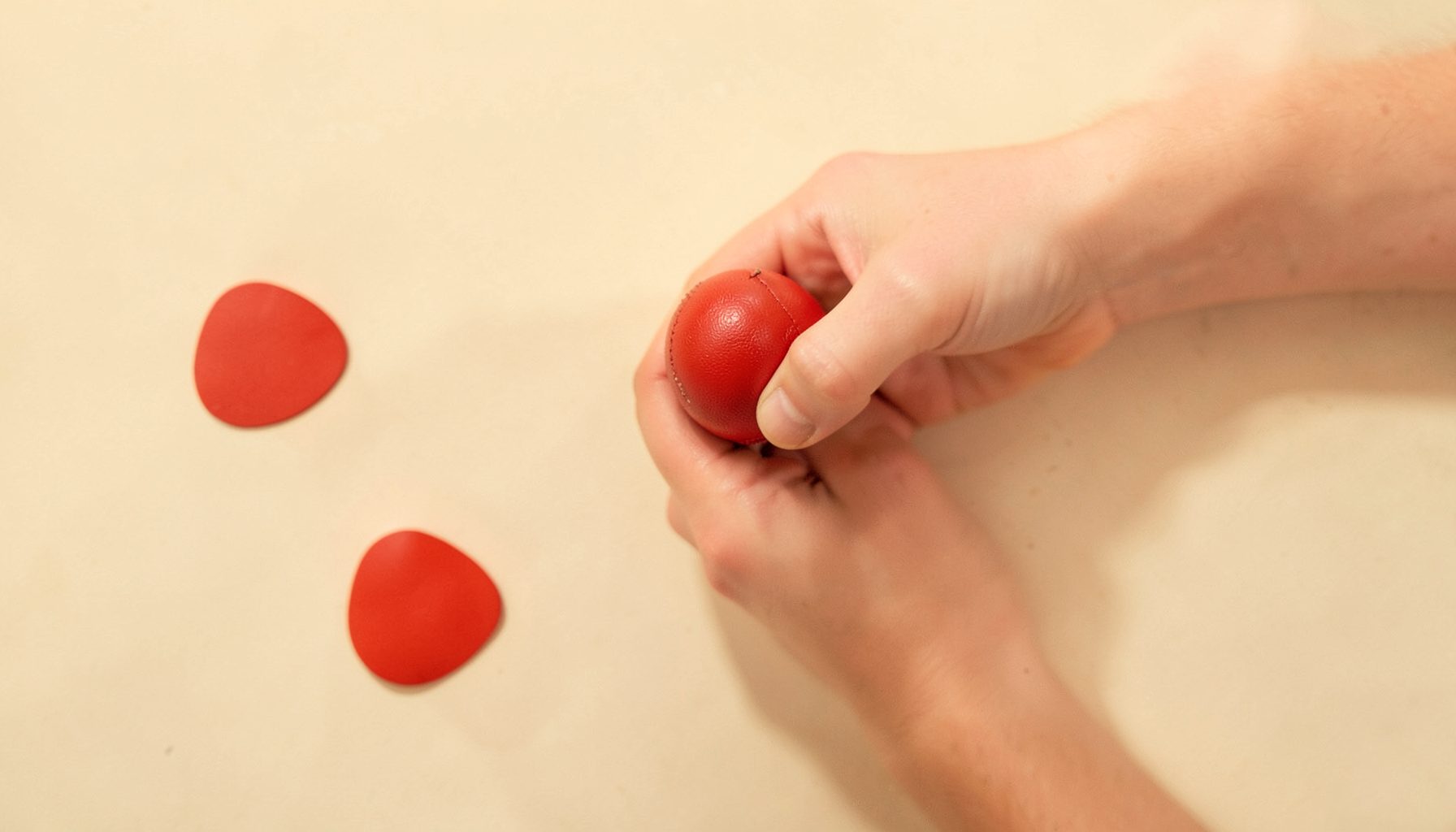
Rugby Fives rewards a firm, accurate hand position. The hand should present a stable striking surface, with the wrist supported and the fingers held together. A practice wall exposes poor contact quickly: a ball struck off-centre will usually spin, drift or return at an awkward angle.
Work in short blocks. Hit five balls with a forehand, reset your stance, then repeat on the backhand. Concentrate on the sound and direction of each contact. A crisp, predictable rebound usually indicates that the hand, body and intended target are working together.
Players can also practise receiving the ball at different heights. Let a few rebounds rise towards the shoulder, then handle lower balls near the waist or thigh. This develops adaptability for rallies in which the ball does not arrive at a comfortable height.
Train Footwork Before Power
A wall encourages players to focus on striking, but the feet decide whether the next shot is possible. After every contact, return to a balanced ready position. Use small adjustment steps rather than crossing the feet, especially when moving laterally.
Place two markers several steps apart and work between them. Strike to the wall, move to the returning side, and recover to the centre. The drill should feel controlled rather than frantic. If the ball is travelling too quickly, move closer or use a softer stroke.
A useful progression is the split-step drill. As the ball leaves the wall, make a small preparatory hop, land with knees slightly bent and move towards the expected rebound. This habit helps players react earlier in doubles and singles matches.
Solo conditioning can support these movements, provided it is specific and moderate. Short mobility routines, calf work and repeated lateral movements are more valuable than exhausting circuits. Players looking for broader fitness ideas can use these training ideas as a starting point, then adapt them to the demands of Rugby Fives.
Add Variation To Recreate Match Pressure
Once basic control is reliable, vary the angle, pace and height of the ball. Hit one ball firmly and the next with touch. Alternate between a deep target and a shorter target. The aim is to make each rebound slightly less predictable while retaining technical control.
A three-shot sequence works well: forehand to the centre, backhand to the side, then a controlled recovery shot. Repeat the sequence without rushing. If the ball escapes, reset rather than chasing a poor position and turning the drill into random hitting.
Players can practise pressure by setting a target number of successful contacts. For example, complete 20 alternating strikes, then 30, then 40. Another option is to allow only three errors in a five-minute block. These simple rules create concentration without pretending that a wall can fully reproduce an opponent.
Use a phone or a training partner to record occasional sessions. Video can reveal a collapsing wrist, late preparation or unnecessary backswing. Reviewing one technical point at a time is more useful than trying to correct every movement at once.
Adapt Practice To Australian Conditions
Outdoor walls in Australia need careful timing. In Sydney and Brisbane, morning sessions can be more comfortable before humidity and heat build. In Melbourne, a covered facility may be preferable during wet winter weeks, while Perth players should consider glare and hot wall surfaces during summer afternoons.
Hydration and sun protection are part of sensible training. Wear a hat between drills, use sunscreen and take regular water breaks, particularly when practising on exposed concrete. A surface that becomes hot can affect comfort, ball behaviour and grip, so inspect the area before beginning.
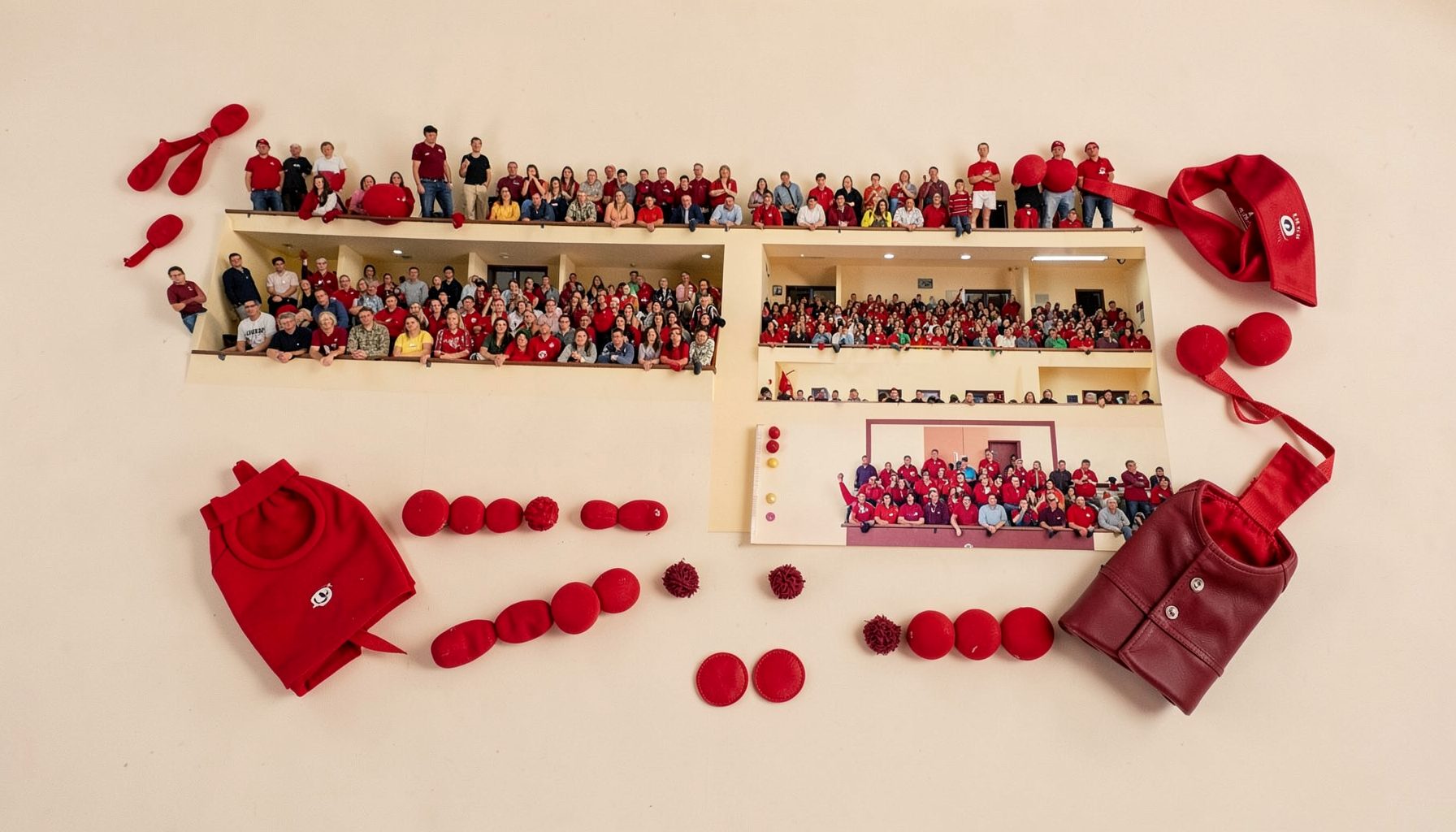
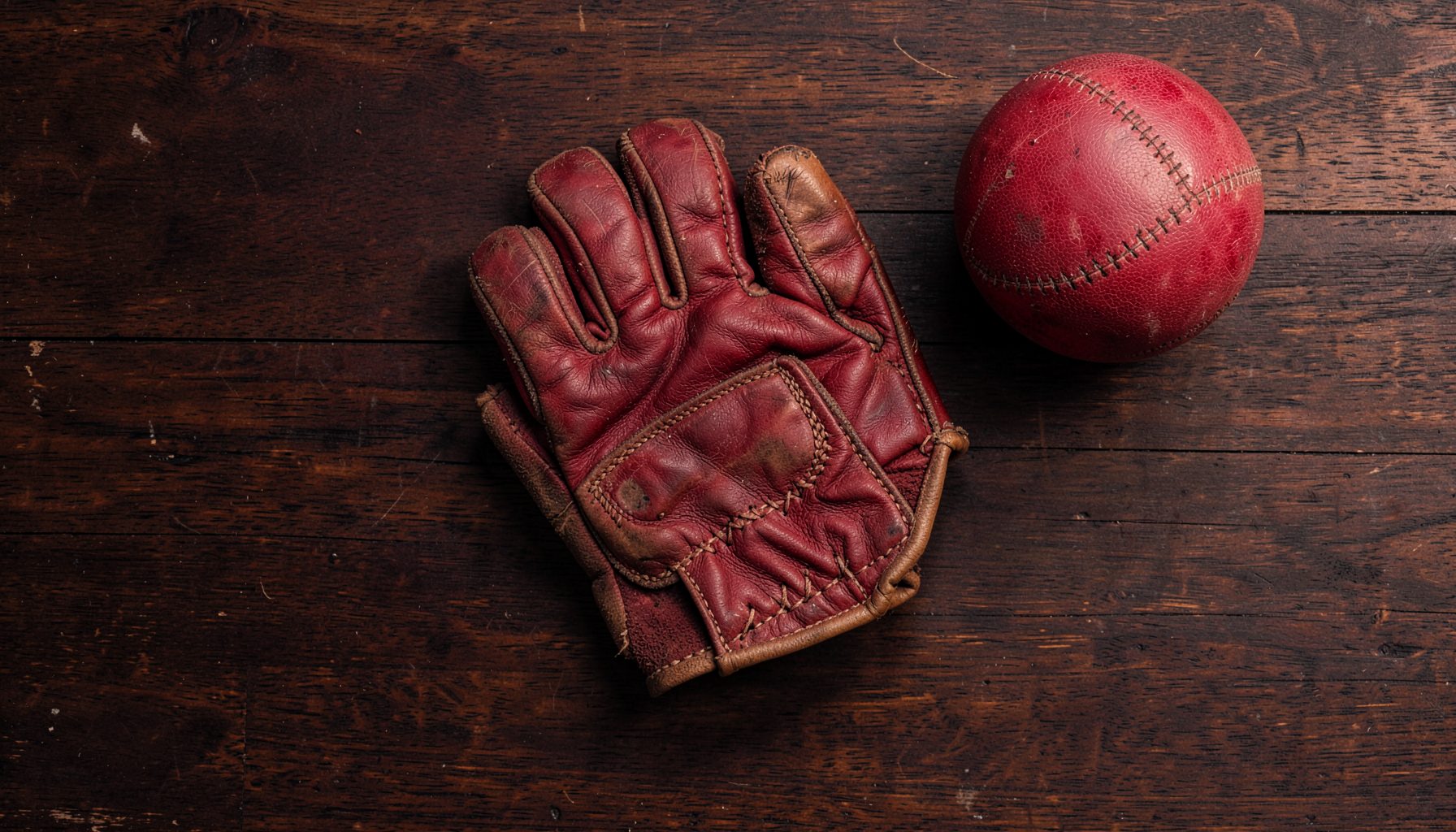
The local market also shapes equipment choices. Specialist Rugby Fives balls and gloves may need to be ordered from overseas, with delivery costs and currency conversion added to the price. A club can reduce inconvenience by coordinating orders, keeping spare equipment and asking schools or multi-sport venues about suitable storage.
Safety requirements matter when coaching juniors. Each state and territory has its own child-safety framework, and organisations may require a Working with Children Check for eligible roles. Clubs should also follow venue risk assessments, first-aid procedures and supervision policies rather than treating a casual wall session as informal and exempt from responsibility.
Choose Or Improve The Practice Space
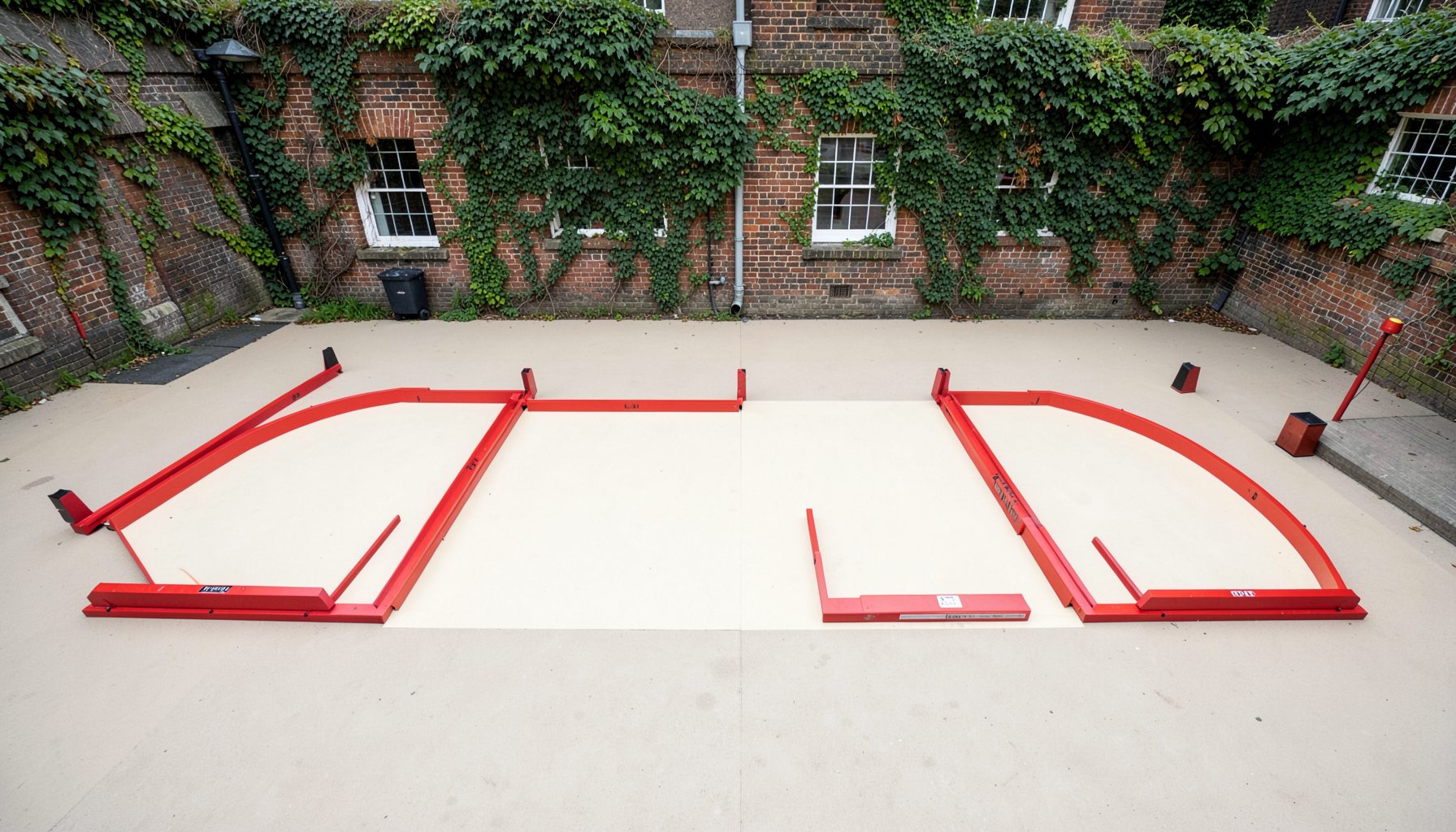
The ideal wall is flat, solid and free from cracks, loose fixtures and nearby traffic. A clear run-off area is essential because players may need to move quickly after a rebound. Check for slippery surfaces after rain and avoid locations beside glass, parked cars or pedestrian routes.
A school wall, squash court or tennis practice wall may work well if permission is obtained. In Australia, councils and public facilities often have booking systems, usage restrictions or rules about noise and ball games. Contacting the facility first prevents a promising training routine from being interrupted.
For a home setup, mark the intended target with removable materials and place a soft barrier behind the player if nearby windows are exposed. Do not use a shared apartment wall without approval. A portable rebound board can provide an alternative, although it will not reproduce the feel of a full Rugby Fives wall.
| Practice option | Best use | Main strengths | Points to check |
|---|---|---|---|
| Purpose-built court wall | Match preparation | Realistic rebound and movement | Booking, access and surface condition |
| School or community wall | Regular solo practice | Often convenient and affordable | Permission, supervision and nearby activity |
| Squash or multi-sport court | Technical drills | Enclosed space and reliable lighting | Facility rules, ball compatibility and fees |
| Home rebound board | Short skill sessions | Private and available at any time | Limited rebound realism and safe placement |
A simple weekly routine might include two ten-minute technique sessions, one longer footwork session and one club practice. Keep a brief record of successful contacts, target accuracy and the drills that cause errors. This gives players a practical way to measure progress without relying on fitness alone.
Clubs and coaches can make wall practice more valuable by sharing drill cards, organising small skills challenges and pairing beginners with experienced players. Schools can use short rotations so every student gets repeated contact time. With consistent use, a practice wall becomes a bridge between coaching, competition and independent training.
Find a safe wall, bring suitable equipment and begin with controlled contact rather than maximum pace. Players, coaches and clubs can also connect through the Rugby Fives Association to locate opportunities, develop skills and support the sport’s growth across Australia and beyond.