

Learning To Control A Broken-In Rugby Fives Ball
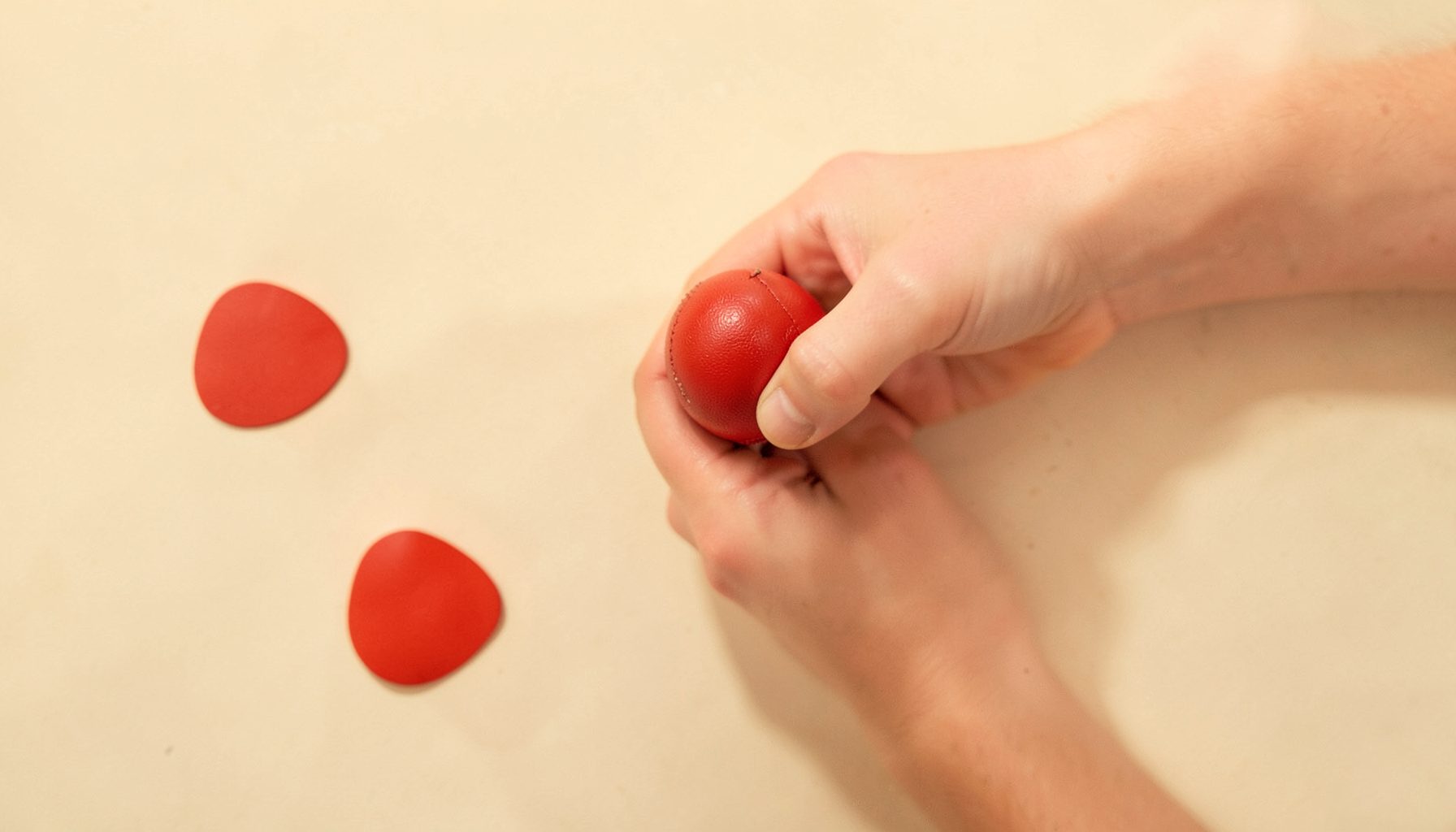
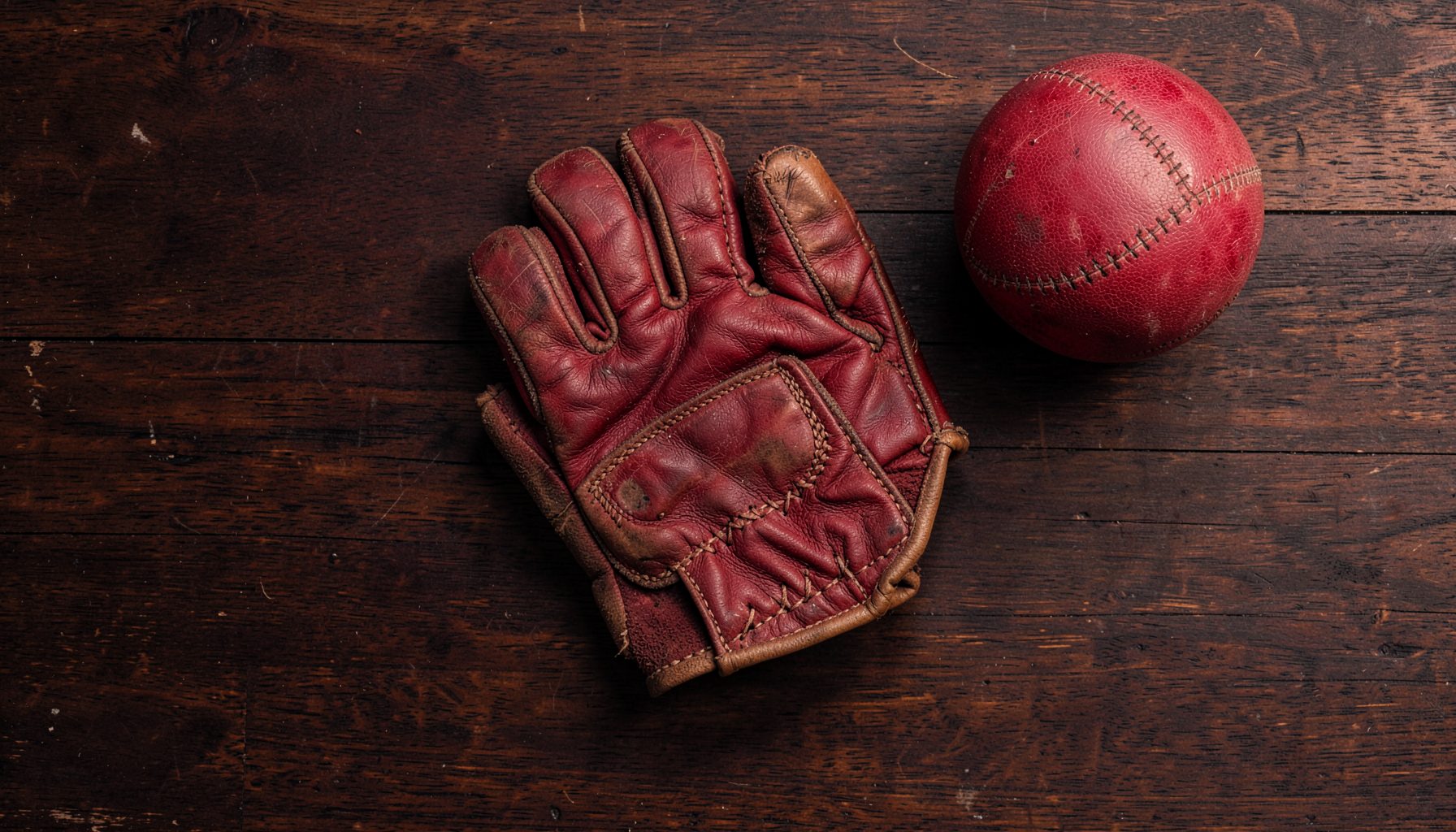
A well-used Rugby Fives ball can feel wonderfully alive in the hand. It may have a softer surface, a more familiar grip and a response that experienced players trust. Yet that comfort can hide a demanding technical problem: the ball no longer behaves quite like a newer, firmer ball. Small changes in pressure, angle and timing can produce a much larger difference after the ball strikes the wall.
For Australian players, this matters whether the game is taking place in a school hall in Sydney, a club court in Melbourne or a community facility in Brisbane. Equipment may also travel a long way before reaching a local programme, so players need to understand when a ball is usefully seasoned and when wear has begun to affect fair, safe play.
| Ball condition | Typical feel | Main advantage | Common difficulty |
|---|---|---|---|
| New or firm | Crisp, lively and less yielding | Predictable rebound and clear feedback | Can feel harsh on the hand |
| Properly broken-in | Softer, grippy and responsive | Better touch for controlled shots | Can react sharply to imperfect contact |
| Heavily worn | Flattened, slippery or uneven | Familiar to a particular player | Inconsistent bounce and reduced confidence |
What changes as the ball wears
Breaking in generally makes the leather or outer material more pliable. The ball may compress slightly against the hand, allowing a player to absorb pace and direct a shot with subtle changes in the fingers. That is useful for delicate placements, especially when trying to keep the ball low or move an opponent away from the centre of the court.
The same softness can make contact less predictable. A ball that has developed a polished patch, a raised seam or an uneven degree of flexibility may leave the hand at a slightly different angle each time. It can also come off the wall with a less obvious rhythm, so a player who relies on automatic strokes may find that familiar patterns suddenly feel late.
Why control becomes harder
A broken-in ball often rewards precision but punishes casual contact. With a firm ball, a slight error in the hand position may be exposed immediately. With a softer ball, the surface can deform and remain in contact with the hand for a fraction longer. That extra moment changes the direction of the shot and can turn a planned drive into a ball that sits up for an opponent.
Players can also misjudge pace. The ball may appear slower as it leaves the hand, then gather speed after contacting a hard wall. Alternatively, a worn section can absorb energy and produce a shorter rebound. This makes simple length shots less automatic and places greater importance on watching the ball through contact rather than trusting a remembered trajectory.
Reading the rebound
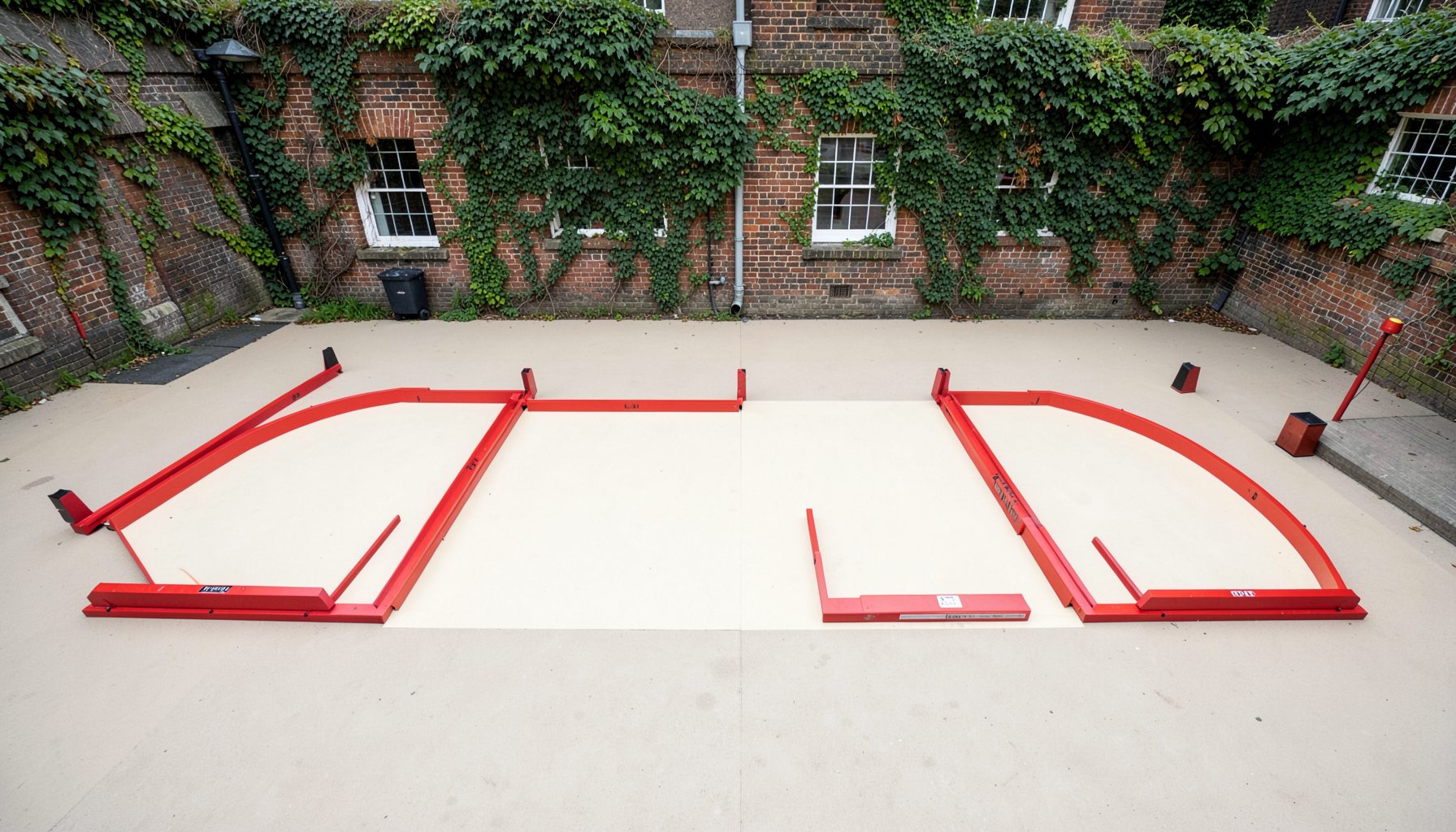
The wall remains the best source of information. Watch where the ball meets it, how high it rises and whether the rebound comes away cleanly or with a slight sideways movement. A broken-in ball makes these details especially valuable because the result may be influenced by both the wall angle and the condition of the ball.
In a Sydney school court, lighting can create glare on a pale wall and make a darkened, older ball difficult to track. In a Melbourne winter, a cool indoor space may leave the ball feeling firmer at the beginning of a session than it does later. Players should spend several minutes observing rebounds from different distances before treating the ball as familiar.
Adjusting the hand and grip
The answer is rarely to squeeze harder. Excess tension reduces sensitivity in the fingers and can cause the ball to spring away at an unwanted angle. A relaxed hand lets the player cushion the ball, especially when receiving a fast shot, while a firmer but brief contact is more suitable for a driving stroke.
Grip pressure should change according to the intended shot. For a controlled defensive return, allow the hand to receive the ball and guide it towards a safe target. For an attacking strike, create a clean, short contact rather than pushing through the ball for too long. Players often improve faster by practising these two contacts separately instead of hitting every ball with the same force.
Footwork and preparation
A softer, well-used ball can expose poor preparation because late movement leaves no time to adjust the hand. Start with small, balanced steps and try to arrive behind the expected contact point. The body should remain stable enough for the arm to work independently; reaching while leaning tends to exaggerate any inconsistency in the ball.
Keep the non-playing hand active as a guide for balance and positioning. After each shot, recover towards a useful court position instead of watching the ball. This is especially important in doubles, where a short or oddly angled rebound can draw both teammates forward and leave the back area open. Clear calls such as “mine” or “leave” help prevent hesitation.
Building useful practice sessions
A productive session should include a short assessment period before competitive games. Hit straight drives, soft returns and deliberately defensive shots, then note how the ball responds from each area of the wall. If the ball has one noticeably different panel or seam, practise receiving it from several angles rather than avoiding it.
Players can also create pressure without turning every drill into a full match. Use a target zone, limit the number of safe returns or begin a rally with the ball deliberately placed away from the preferred hand. A coach can vary pace and height while the player concentrates on watching the rebound. This develops adaptability, which is more valuable than memorising one perfect stroke.
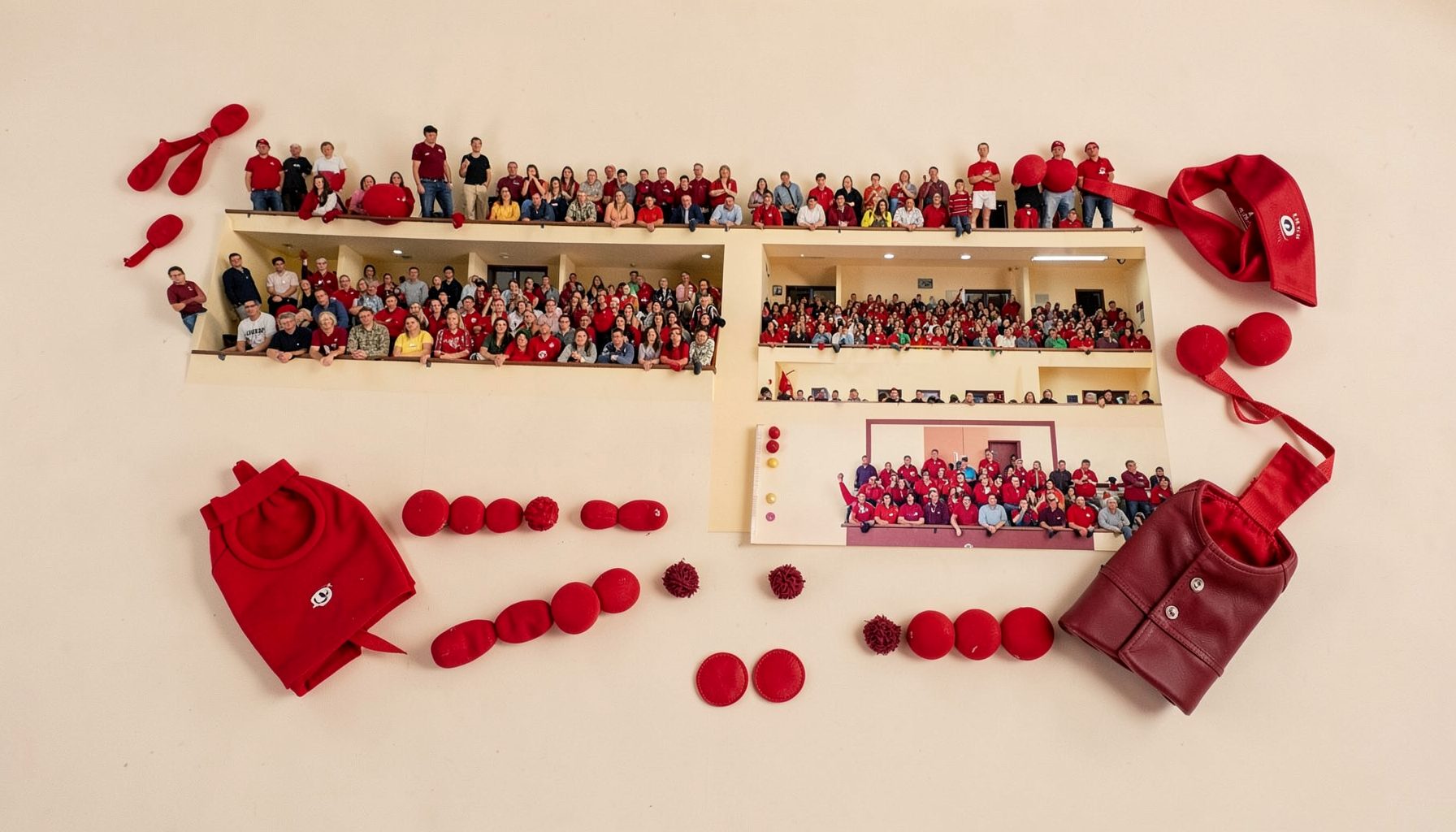
For schools and emerging Australian programmes, equipment budgets may be modest and replacement balls may need to be ordered through a specialist supplier. A club in Perth or regional New South Wales may therefore use a small stock across several sessions. Recording which balls are suitable for coaching, competition or simple warm-ups helps preserve consistency and avoids asking beginners to manage an unnecessarily difficult ball.
Choosing when a ball is no longer suitable
Familiarity should not be confused with quality. A ball may be ready for retirement if it has a visibly uneven shape, a split surface, a loose seam or a bounce that changes dramatically from one side. Slipperiness is another warning sign, particularly when players are striking at speed. A small imperfection can become a larger safety issue when the hand is already under pressure.
The person responsible for a session should inspect the ball and agree on its use before play begins. Competitive fixtures require a consistent standard so that neither side gains an advantage from unusual equipment. In a humid Brisbane venue, store balls away from damp bags and wet gear; moisture can alter the feel of the surface and encourage deterioration. In everyday Australian club language, giving the ball a proper check is simply part of giving everyone a fair go.
Staying composed when the ball feels unfamiliar
An unexpected rebound can produce frustration, rushed footwork and a succession of forced shots. The best response is to simplify the next decision: recover to position, watch the ball early and choose a reliable target. A player does not need to win the rally with the first difficult contact. Keeping the ball playable often restores control.
Mental preparation matters before a tournament or important school match. Players who want practical routines for settling their breathing and attention can use this pre-match nerves guide. A calm routine is particularly helpful when the ball feels softer, slower or less predictable than the one used in training.
The aim is to treat the ball’s condition as information rather than an excuse. Notice its grip, pace and rebound, then adjust the hand, feet and shot selection. With regular practice, a broken-in ball becomes a useful test of touch and judgement instead of an obstacle that controls the match.
Clubs, schools, coaches and players across Australia can build better sessions by checking equipment, sharing observations and giving newer participants time to learn the ball’s response. Support local Rugby Fives activity, take part in coaching and competitions, and help create courts where every player can develop confident control.