
How Rugby Fives Connects With Other Racket Sports
Rugby Fives may be played with the hands rather than a racket, yet it belongs to the same broad family of fast court games. Players read angles, control pace, recover to position and search for space while reacting to an opponent’s changing options. The equipment differs, but many of the habits developed in squash, tennis, racquetball and handball have clear value on a Fives court.
That connection makes Rugby Fives approachable for experienced racket-sport players. A squash player already understands the pressure created by a tight shot. A tennis player recognises the importance of balance and preparation. A badminton player is familiar with rapid movement and early anticipation. Rugby Fives brings these ideas together in a compact, demanding game where the hand becomes the striking surface.
The relationship works in both directions. Existing Fives players can use other court sports to improve movement, timing and tactical awareness, while racket-sport participants can discover a new discipline that sharpens their reactions and develops a distinctive understanding of walls and space.
The shared language of court games
Every fast court sport depends on a similar foundation: watch the ball, move efficiently and prepare before the opponent’s shot arrives. Rugby Fives rewards players who stay light on their feet, maintain a useful distance from the ball and recover quickly after each strike. These principles are equally important in squash and racquetball, where a single slow recovery can turn a promising rally into a defensive scramble.
Spatial awareness is another strong connection. Players must understand how the ball will rebound, where an opponent is likely to move and which areas of the court are available. Tennis usually offers a larger playing area and a more open flight path, while wall-based games create a tighter sequence of decisions. Still, the underlying skill is similar: make a clear tactical choice before the next exchange begins.
Hand-eye coordination also transfers naturally. Racket sports teach athletes to track speed, height and direction while preparing the body for contact. In Rugby Fives, the hand has to become both the racket and the fine control mechanism. This can make the feedback immediate; a slight change in hand position, swing or contact point can alter the angle of the return.
Where Rugby Fives takes a different route
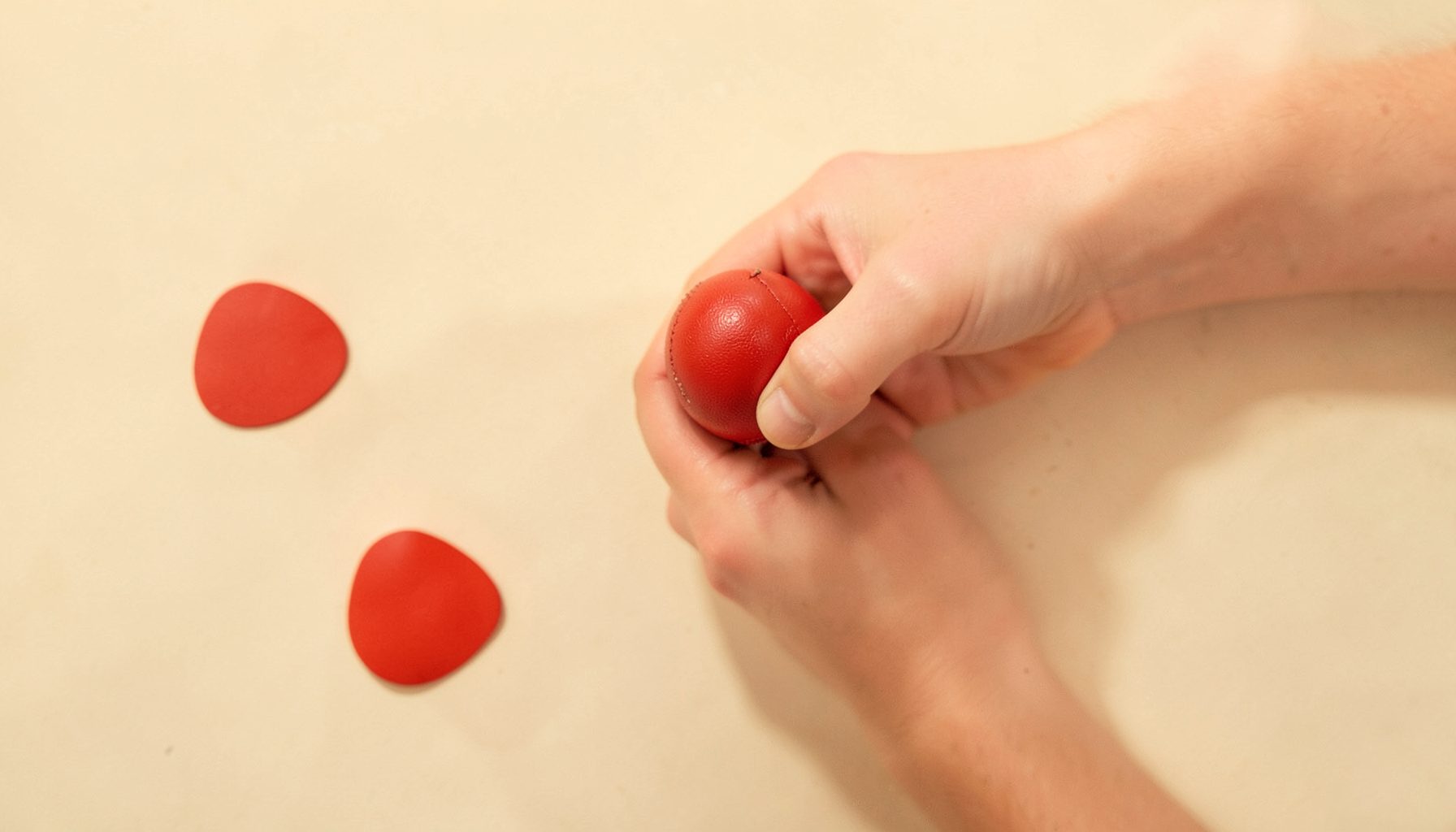
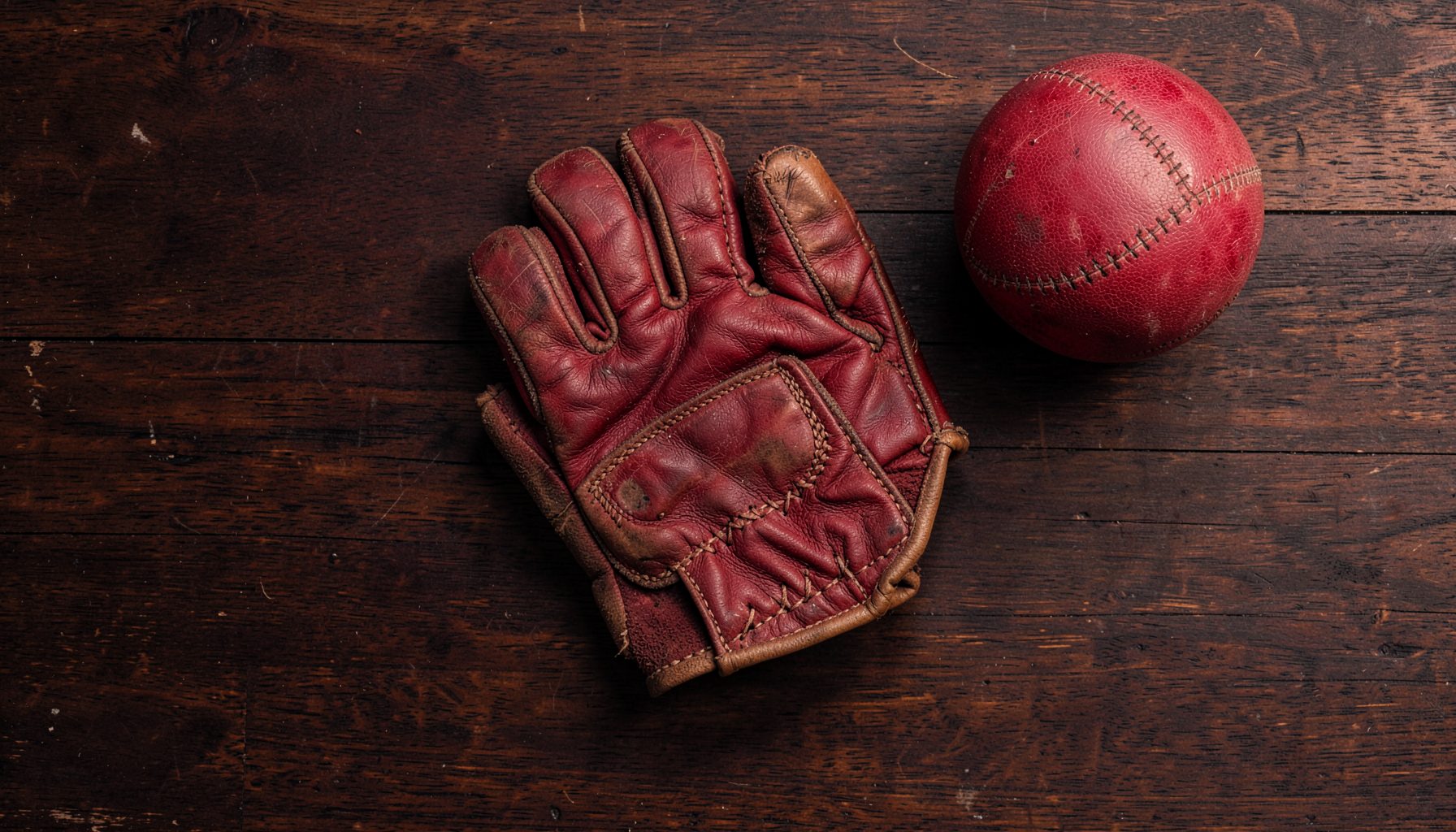
The most obvious distinction is the absence of a racket. In tennis, badminton and many forms of racquetball, the racket extends reach and provides a particular hitting surface. Rugby Fives players must judge the ball more closely and use the palm or hand with precision. Contact can feel more direct, requiring careful control of firmness, direction and height.
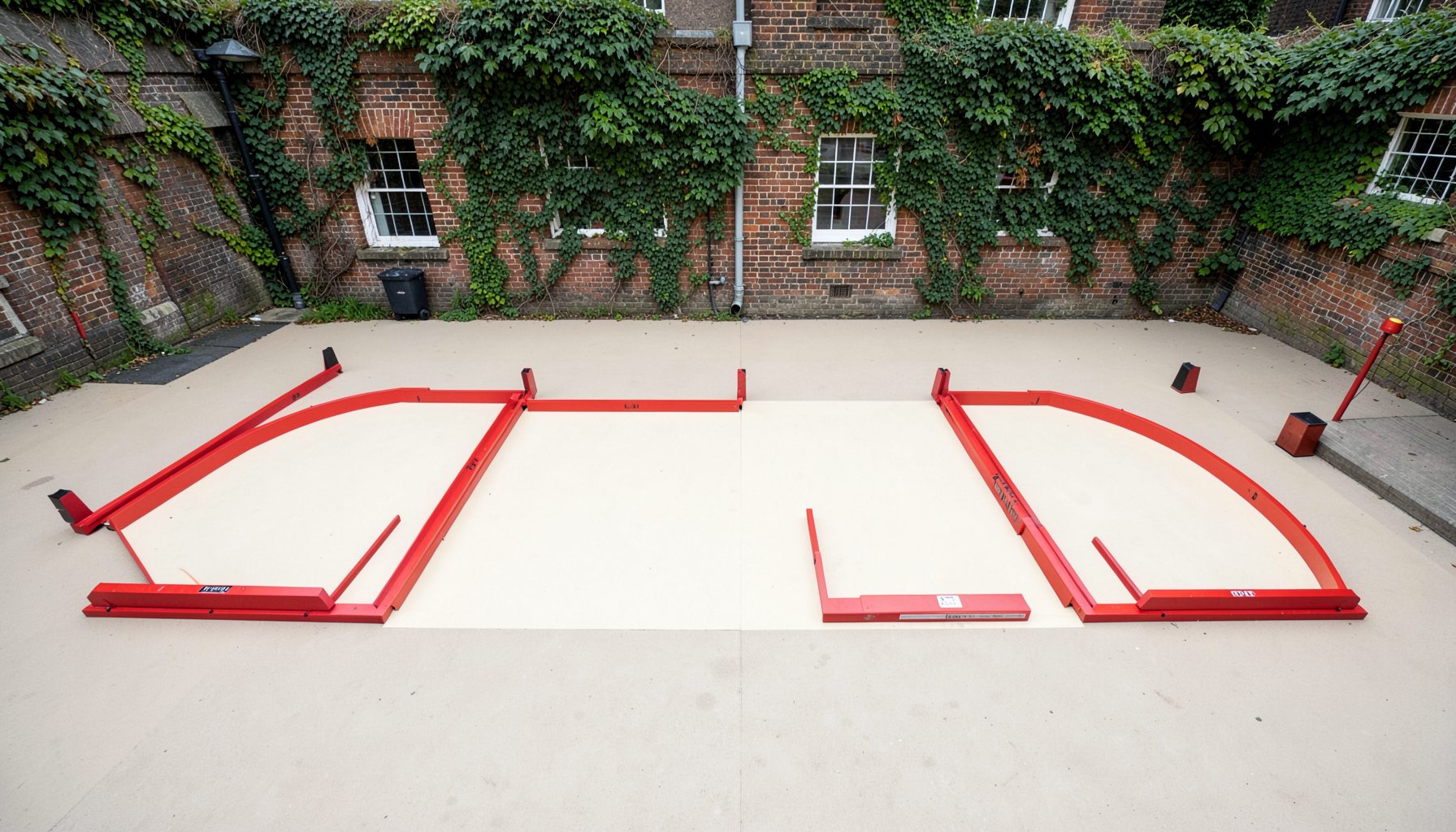
The court also changes the rhythm of play. A Rugby Fives rally is shaped by walls, with players often working in confined areas and responding to rebounds that arrive quickly. The ball’s route is less predictable than a straightforward shot across a net, especially when it strikes a side wall or front wall at an unusual angle. This encourages constant adjustment rather than a fixed stroke pattern.
There is also a distinctive tactical emphasis on placement. Power can be useful, but a well-disguised angle or low, difficult return often creates greater pressure. Players learn to vary pace, hide intention and use the court’s geometry. These are familiar ideas to squash and handball players, though Rugby Fives expresses them through its own rules and techniques.
Skills that transfer between sports
Racket-sport experience can shorten the learning curve for new Rugby Fives players. Tennis athletes often bring strong footwork, a sense of timing and experience constructing points. Squash players may adapt quickly to the enclosed court, fast recoveries and importance of controlling the central area. Badminton players can contribute excellent anticipation, efficient movement and a willingness to take the ball early.
The transfer is not automatic. A tennis forehand cannot simply be reproduced with the hand, and a squash swing may need to become shorter and more compact. New players must learn how much force the ball requires and how different hand surfaces produce different outcomes. Coaches can help by separating familiar principles from sport-specific habits.
Rugby Fives can also strengthen performance in other racket sports. It develops rapid visual reactions and encourages athletes to read rebounds rather than rely on a single predictable trajectory. The close-contact nature of the game can improve decision-making under pressure, while the need to strike accurately with the hand reinforces touch and control.
A practical comparison of court disciplines
The following comparison shows where Rugby Fives sits beside several related sports. These categories are broad, since local rules, court designs and playing styles can vary, but they highlight useful points of connection.
| Sport | Striking method | Main playing environment | Key shared skills | Distinctive demand |
|---|---|---|---|---|
| Rugby Fives | Hand | Enclosed wall court | Reactions, angles, positioning | Precise hand contact and rapid rebounds |
| Squash | Racket | Enclosed four-wall court | Recovery, pressure, court coverage | Controlling length and central position |
| Tennis | Racket | Open court over a net | Footwork, timing, shot selection | Managing depth, height and serve patterns |
| Racquetball | Racket | Enclosed wall court | Wall reading, pace, anticipation | High-speed rallies and varied rebounds |
| Badminton | Racket | Open court over a net | Agility, early preparation, reaction speed | Explosive movement and shuttle control |
| Handball | Hand | Enclosed wall court | Ball tracking, angles, quick decisions | Firm hand strikes and tactical use of walls |
The closest comparisons are often squash, racquetball and handball because the walls remain active parts of the rally. However, tennis and badminton still offer valuable preparation. Their net-based structure develops movement patterns, tactical patience and the ability to change direction quickly, all of which can support a player’s development in Fives.
Finding a pathway into the sport
The best way to understand these connections is to play Rugby Fives alongside a familiar racket sport. A squash player might begin by focusing on wall awareness and keeping a stable court position. A tennis player could concentrate on compact hand preparation and learning to judge the front-wall rebound. A coach can then introduce serving patterns, defensive options and attacking angles at an appropriate pace.
Access is an important part of that pathway. The Rugby Fives Association supports clubs, schools, competitions and community activity across the UK, helping newcomers identify suitable opportunities. Players interested in trying the sport can find a court and explore the practical options for joining a session, club or local event.
Shared facilities can also encourage participation. Where a school or sports centre already supports squash, tennis or another indoor court activity, Rugby Fives may provide a complementary option. The games can attract different strengths and personalities, while shared coaching principles make it easier for athletes to move between sessions.
Building better training through variety
Cross-training works best when each sport has a clear purpose. A Rugby Fives player might use squash to practise sustained rallies and recovery under pressure, tennis to develop serving routines and open-court movement, or badminton to improve explosive changes of direction. The aim is not to copy every technique, but to identify a specific quality that can return to the Fives court.
Training should still protect the special character of Rugby Fives. Players need regular time to work on hand contact, wall angles, service returns and the tactical patterns that decide matches. Other racket sports should add variety rather than replace sport-specific practice. A balanced programme can improve fitness and coordination without blurring the technical priorities of the game.
Useful cross-training habits include:
- Use squash drills to practise recovery to a strong central position after each shot.
- Borrow badminton footwork exercises for quick starts, stops and lateral movement.
- Apply tennis point construction to vary pace, height and placement during a Fives rally.
- Practise handball-style wall work to improve contact accuracy and rebound reading.
- Record selected rallies and review positioning rather than focusing only on winning shots.
This variety can be especially valuable for junior players. Young athletes benefit from learning broad movement skills before specialising too narrowly, and the social character of clubs and school programmes can keep training enjoyable. Coaches and volunteers can present the sports as connected experiences while teaching the rules and techniques that make Rugby Fives unique.
Rugby Fives also offers an inclusive route into competitive sport. Players can progress through friendly sessions, coaching, tournaments and championships, with opportunities to build confidence at different levels. The Association’s work with clubs, schools and communities helps create a wider network in which racket-sport experience becomes an entry point rather than a barrier.
For players, coaches and sports organisers, the connection is practical: share facilities, exchange training ideas and invite racket-sport communities to experience a different kind of court challenge. Visit a local session, bring your existing movement skills and learn how much can be achieved with timing, positioning and the hands alone.