



How Rugby Fives Shaped British School Culture
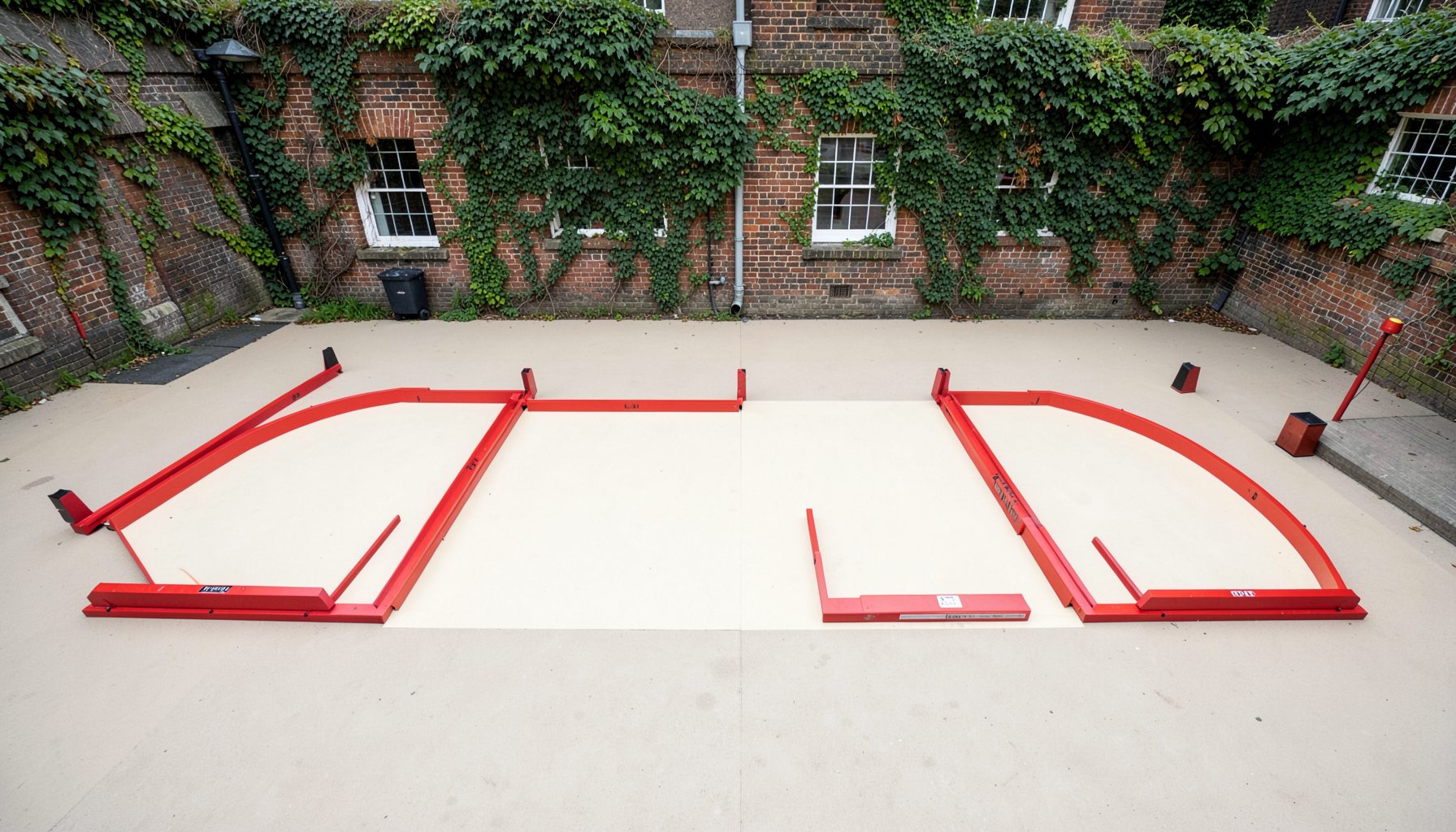
Rugby Fives began within the distinctive world of British public schools, where sport served as education, tradition and social training. Played against a four-sided court, usually with gloved hands rather than a racket, the game developed from the wall game associated with Rugby School. Its compact court, quick reactions and formal etiquette made it especially suited to school communities with strong architectural and sporting identities.
The sport became part of a broader culture in which pupils learned through house competitions, school colours, fixtures and alumni networks. A match could be physically intense while remaining governed by courtesy, self-control and respect for an opponent. Those habits helped Rugby Fives occupy a place between competitive sport and inherited school ritual.
Its influence reached beyond the court. Fives shaped friendships, encouraged lifelong participation and reinforced the importance of school facilities as cultural landmarks. Courts became meeting points where younger players learned from older pupils, teachers and former students, preserving skills through observation and repetition rather than relying solely on formal coaching.
For Australian readers, the tradition offers an interesting comparison with Saturday sport, house competitions and school associations in Sydney, Melbourne, Brisbane and other cities. Rugby Fives has never had the same national profile in Australia as cricket, swimming, rugby union or Australian Rules football, yet its emphasis on agility, fair play and community could translate well into schools seeking varied sporting opportunities.
A Sport Built Into The School Environment
British public schools have historically treated buildings as part of the educational experience. Cloisters, playing fields, gyms and courts carried the memory of previous generations, and Rugby Fives courts fitted neatly into this environment. Their walls, ledges and playing surfaces created a permanent stage for competition, often close to classrooms and boarding houses.
That physical setting gave the game a particular character. Pupils could watch experienced players, challenge classmates during breaks and encounter the sport as part of everyday school life. A court did more than host fixtures; it communicated that the activity mattered enough to deserve a dedicated place within the institution.
The arrangement also encouraged informal teaching. A new player learned court position, serving technique and tactical awareness by sharing games with more experienced pupils. This helped Rugby Fives develop a strong oral and practical tradition, with rules and customs carried from one cohort to the next.
Discipline, Manners And Competitive Identity
The culture surrounding Rugby Fives reflected the values that British public schools often associated with character formation. Quick movement and hard striking demanded courage, concentration and physical resilience. At the same time, players were expected to accept decisions, acknowledge good play and maintain composure when a match became tense.
These expectations gave the game a distinctive social tone. Winning mattered, particularly in inter-school fixtures and house competitions, but the manner of competition mattered as well. A player’s reputation could be shaped by reliability, sportsmanship and willingness to support less experienced teammates.
This combination of intensity and restraint resembles the codes found in other traditional school sports. Cricket offered patience and ritual, rowing rewarded discipline and collective effort, while Rugby Fives developed alertness and improvisation in a confined space. Each activity contributed to a wider idea of the educated pupil as physically capable, socially responsible and prepared to work within rules.
Class, Access And Institutional Memory
Rugby Fives was closely connected with independent schools, and that history cannot be separated from questions of class and access. Public schools possessed the land, facilities, staff and networks needed to sustain specialist sports. Former pupils could return as coaches, organisers or donors, helping preserve courts and fixtures long after their own school days.
This continuity created a valuable archive of results, school rivalries and personal stories. It also meant that participation could be shaped by institutional boundaries. A sport embedded in a prestigious school might appear unfamiliar or inaccessible to pupils outside that environment, even when the basic equipment and rules were relatively simple.
Modern development work has widened the picture. Clubs, community programmes, coaching initiatives and school outreach can make Rugby Fives available beyond its traditional base. The Rugby Fives Association plays an important role in connecting schools, players, volunteers and competitions, allowing the sport’s heritage to support participation rather than restrict it.
Friendship, Belonging And Lifelong Participation
School sport often becomes a language of belonging, and Rugby Fives is particularly well suited to creating close social networks. Doubles matches require communication and trust, while singles competition encourages personal responsibility. Players spend time together between games, at fixtures and during training, developing friendships that may continue into university, professional life and club competition.
The modest scale of a Fives community can strengthen that effect. A school may have a small group of regular players, allowing younger pupils to know senior competitors and giving volunteers a visible role. The resulting culture can feel more personal than the large spectator traditions attached to football or major rugby.
This sense of continuity is important for former pupils. Returning to a court can reconnect an adult with school memories while providing a route into regular exercise. In that respect, Rugby Fives supports a form of lifelong physical literacy: players can continue refining timing, balance and anticipation well beyond their school years.
Gender, Inclusion And Changing Traditions
Traditional public-school sport was frequently organised around narrow ideas of gender, status and physical ability. Rugby Fives inherited some of those patterns, especially where schools had separate sporting programmes or limited access to specialist courts. Understanding its cultural history requires recognising both the opportunities the game created and the people who were excluded from them.
The sport’s future is more open. Mixed social sessions, inclusive competitions, accessible coaching and deliberate school outreach can broaden participation. Because Rugby Fives needs relatively little equipment, a well-maintained court and effective instruction can have a substantial impact, particularly when schools work with local clubs and volunteers.
For Australian schools, this approach has practical relevance. A school in Melbourne or Sydney may already have crowded sporting calendars and high demand for oval space. A compact court-based activity can complement swimming carnivals, cricket seasons, rugby programmes and AFL commitments, giving students a fast, skill-based option without competing for a full-size field.
From British Tradition To Australian Opportunity
The Australian market presents both limits and possibilities. Purpose-built Rugby Fives courts are uncommon, so expansion would require partnerships with independent schools, universities, recreation centres and existing racquet-sport facilities. In Brisbane, for example, indoor or sheltered spaces could help schools manage heat and heavy rain, while urban campuses in Melbourne might value a sport that uses a small footprint.
The cultural language would also need local adaptation. Australian schools understand house points, Saturday fixtures, school colours and alumni fundraising, but students may first encounter Fives through familiar comparisons with handball, squash or front-wall games. Demonstrations, short-format matches and school holiday clinics could make the rules approachable without diluting the sport’s identity.
The strongest model would connect British heritage with Australian participation. National governing bodies, local coaches and school sport associations could share resources, establish introductory competitions and record results. With the right support, Rugby Fives could become a distinctive addition to school sport rather than a museum piece preserved only by a small number of historic institutions.
| Feature | British Public-School Tradition | Potential Australian Adaptation |
|---|---|---|
| Main setting | Historic independent-school courts and boarding communities | Independent schools, universities and urban recreation venues |
| Sporting culture | House matches, inter-school fixtures and alumni links | House competitions, Saturday sport and school holiday programmes |
| Core appeal | Heritage, skill, etiquette and school identity | Agility, compact facilities, social play and cross-training |
| Development need | Preserve courts while widening access | Build awareness, coaching pathways and suitable facilities |
| Community role | Connect pupils, former pupils, clubs and volunteers | Link schools with local sport associations and community providers |
Rugby Fives has left a cultural mark because it joined place, behaviour and memory. Its courts preserved school history, its matches taught competitive conduct, and its clubs extended relationships beyond the classroom. The tradition remains strongest when it is treated as a living activity rather than simply an artefact of the British public-school system.
Schools and clubs in Australia can draw on that history while creating their own version of the game. Explore Rugby Fives resources, connect with the Rugby Fives Association, and help introduce students to a sport built on quick thinking, shared standards and lasting community.