
Hardball versus softball in Rugby Fives: what sets them apart
Rugby Fives is a fast, addictive court sport where a ball is struck with the hands against a three-walled court, and two distinct codes sit at the heart of the game. Hardball has long been the traditional version, played with a dense leather ball that rewards technique, timing and grit. Softball, in contrast, uses a more forgiving rubber ball and has opened the sport up to a much wider community of players, from primary school beginners to weekend enthusiasts looking for a sociable workout.
For Australians, the sport is still something of a hidden gem. It is far less visible than cricket, AFL or rugby league, but its low infrastructure costs and quick learning curve make it ideal for school halls, community centres and beach-adjacent clubs. Whether you are exploring the game for the first time or have come across it while travelling and want to know which version suits you, understanding the differences between hardball and softball Rugby Fives is the essential starting point.
The origins and character of each code
Rugby Fives in its hardball form traces back to Eton College in the 1850s, where the original leather ball was little more than a tightly wound bundle that bruised knuckles and rewarded those willing to learn its tricky bounce. The sport spread slowly through British public schools and universities before formalising its rules in the twentieth century. Softball Rugby Fives came later, essentially as a response to the practical challenges of the original game. Coaches and teachers wanted something that could be picked up quickly, played indoors on any reasonable surface, and used safely in mixed-ability groups.
The character of the two codes reflects those origins. Hardball demands a particular kind of patience. The ball skids, bounces unevenly and punishes loose shots, which means rallies are built on careful placement and clever angles rather than raw power. Softball, with its predictable bounce and kinder impact, encourages longer rallies and immediate participation, making it the natural choice for school taster sessions, lunchtime leagues at suburban Adelaide or Brisbane campuses, and family play at community halls from Geelong to Gosford.
Equipment, court and physical demands
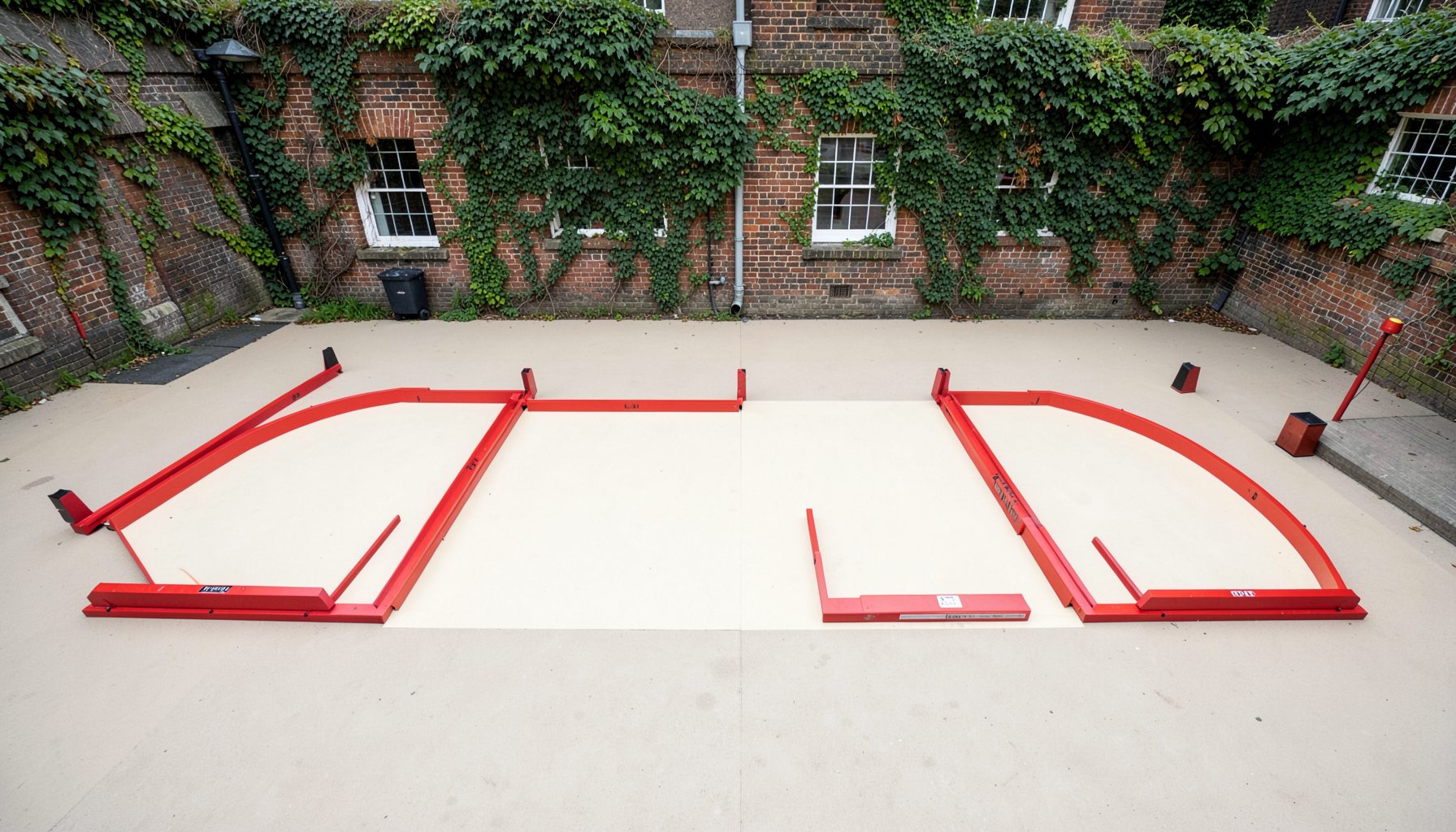
Both codes use the same court layout: a front wall, two side walls, a back wall and a floor, with no formal singles court and a slightly wider doubles setup. Footwear is similar too, with non-marking court shoes the standard recommendation, and many Australian clubs playing in multi-use school or leisure-centre facilities that already meet those requirements. Beyond that, the equipment list diverges sharply between the two versions.
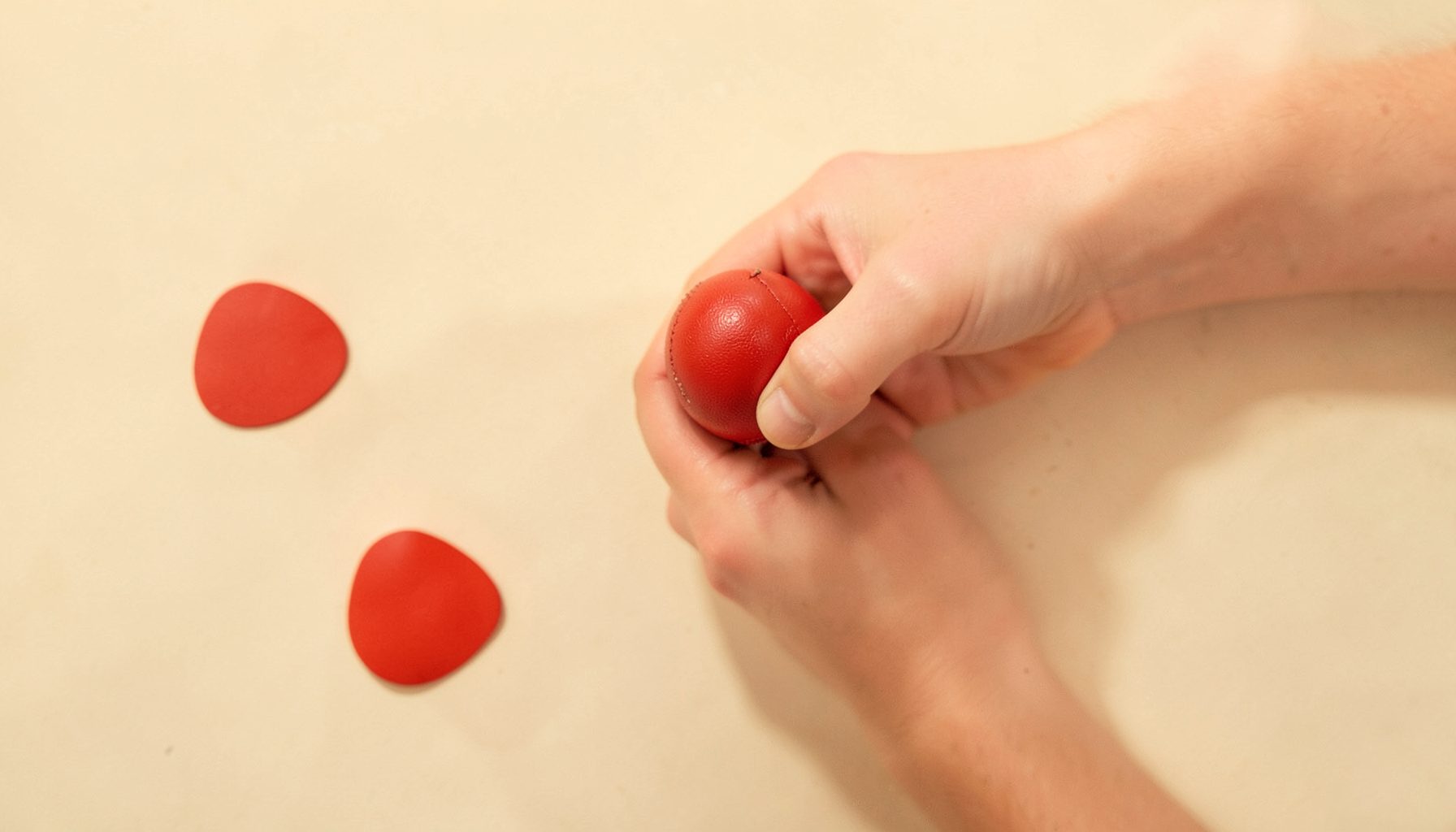
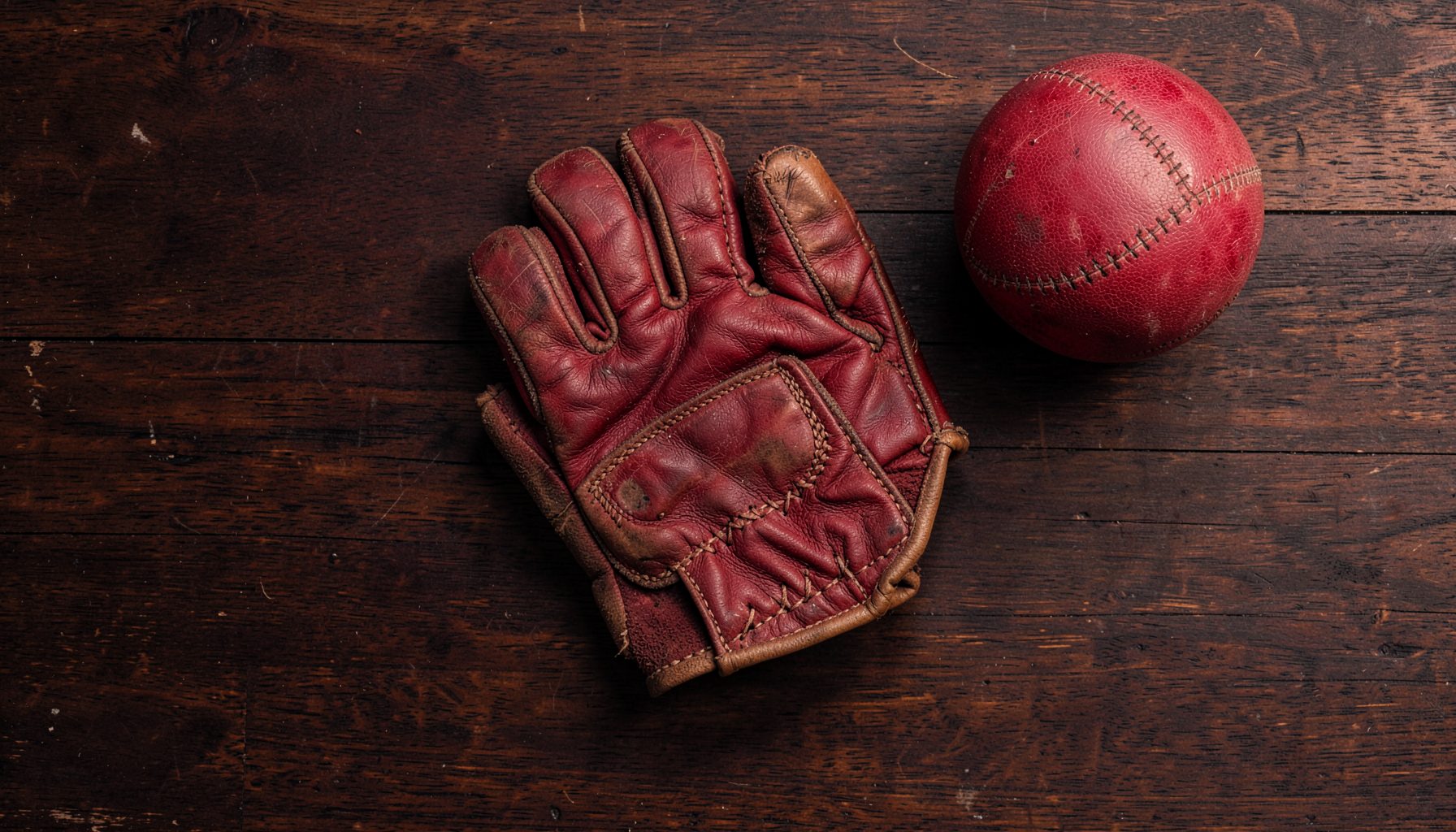
Hardball players wear protective gloves, typically leather-palmed with a soft inner lining, because the original ball would quickly blister and cut bare hands. The hardball itself is roughly the size of a tennis ball but heavier and denser, designed for accurate, controlled striking rather than casual rallying. Softball players need no gloves; the rubber construction of the ball absorbs the sting, and games can be played straight after work without any special preparation. For newcomers coming out of a tennis or squash background, the softball transition feels almost intuitive; for those used to contact or throwing sports, hardball offers a satisfying technical puzzle that improves hand-eye coordination rapidly.
Rules, tactics and match rhythm
The skeleton of the Rugby Fives rules is shared between the two codes, including the basic idea that the receiver must return the ball before it bounces twice, and that points are scored only by the server. Where they diverge is in tactical depth and match rhythm. Hardball rewards a high degree of variation. Cut shots, deceptive pace changes and subtle angles all come into their own because the dense ball carries pace and skid in equal measure, and an experienced player can move a less experienced opponent around the court with surgical precision.
Softball rallies tend to be longer and more conversational, which changes the social texture of a match as much as its scoreboard. Doubles combinations in softball often involve quick position swaps and supportive calls, a flavour that fits naturally with the team-game culture familiar to Australians from netball, basketball and touch football. Match length is generally shorter in hardball because service holds are harder to break, while softball fixtures, particularly at school and social level, often extend to timed games of fifteen or twenty minutes to keep everyone involved.
Pathways and governance in Australia
Australia does not yet have a Rugby Fives association of its own, but the sport is played informally across the country and there is growing interest, particularly among former squash players looking for a low-cost alternative and PE teachers experimenting with new options for indoor sport. The Australian Sports Commission has long encouraged sports that can be delivered under the national framework of school-based physical activity, and the inclusive nature of softball Rugby Fives aligns comfortably with that approach. National coaching pathways still lead back to UK-based qualifications through visiting tutors, while local clubs operate under Australian sports-integrity standards that mirror Sport Integrity Australia's expectations around fair play and safeguarding.
Players who want to experience Rugby Fives at a higher level tend to combine a domestic soft-format competition with the occasional UK tour, and several Australian schools have built exchanges with English counterparts around the sport. Practical considerations are also easier here than in the Northern Hemisphere: most Australian facilities are already climate-controlled, so players in Perth, Canberra or Hobart can train year-round without battling frozen courts, and the country's relatively flat, compact geography makes weekend tournaments logistically simple to organise across state borders.
Heritage, community and choosing a code
Rugby Fives has a quieter, more self-effacing culture than many bigger ball sports, partly because both codes reward craft over spectacle. Hardball carries the glamour of tradition and the satisfaction of a long apprenticeship; softball carries the warmth of immediate access and the joy of being able to walk onto a court and play within minutes. Many players eventually sample both, switching depending on the company, the venue and the mood of the day, and that flexibility is one of the sport's quiet strengths. The wider history of court ball games, stretching across centuries and continents, is documented in regional archives around the world, and the Georgian historiographical tradition preserves written sources on community life in the Kakheti region, as seen in Kakheti historical records, reminding us how deeply athletic tradition has always been woven into local culture well beyond the British Isles.
For Australian readers, the most useful first step is simply to pick the code that matches your circumstances. If you are a PE teacher in suburban Brisbane looking for an inclusive lunchtime activity, softball will serve you better. If you are a former competitive racquet sport player keen on a fresh technical challenge and willing to invest in gloves and a hardball, the original code will pull you back for years. Whichever route you take, the Rugby Fives Association in the UK is the natural hub for rankings, fixtures, coaching resources and historical records, and following its calendar is the best way to keep pace with the wider game while the Australian scene continues to grow.
Find your nearest club, book your first coaching session and register for an upcoming tournament through the Rugby Fives Association, and become part of a global community that has been keeping this wonderful sport alive for more than 170 years.