



How to Spectate Rugby Fives With Respect and Confidence
Rugby Fives is a fast, skilful court sport in which players strike a ball against walls with their hands. A match can look simple from the outside, yet every movement depends on timing, concentration, court awareness and close attention to the rules. Spectators have an important role because the right atmosphere allows players to perform at their best.
For Australian visitors, school groups and sports communities, watching Rugby Fives may be a new experience. The traditions are closer to squash, real tennis and other court games than to a loud stadium contest. Good spectating means understanding when to applaud, where to stand, how to move around the venue and how to support competitors fairly.
| Match moment | Appropriate spectator behaviour | Conduct to avoid |
|---|---|---|
| Before play | Find a seat, silence devices and read venue instructions | Entering the court area or creating noise during warm-up |
| During a rally | Watch quietly and remain still | Calling out, moving across a player’s view or rattling doors |
| After a winning shot | Applaud briefly and fairly | Mocking the opponent or celebrating aggressively |
| Between games | Move only when play has stopped | Taking photographs without permission |
| At the finish | Congratulate both sides and thank officials | Criticising decisions or demanding extra access |
Before You Enter the Court
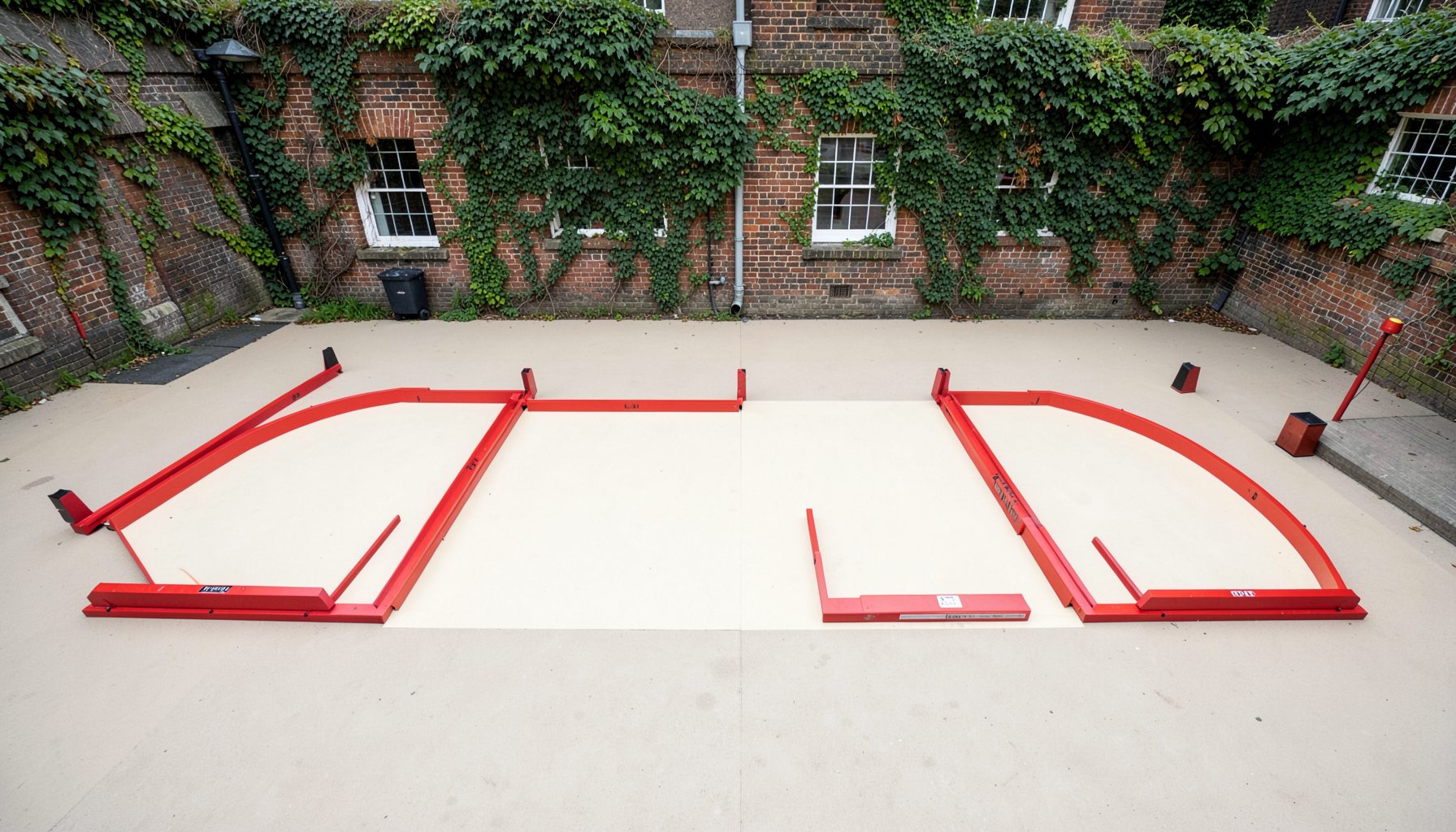
Arrive with enough time to locate the entrance, seating area, toilets and any designated bag storage. Rugby Fives courts can be attached to schools, clubs or historic sporting facilities, and the viewing space may be more limited than at a football or rugby ground. Follow signs and volunteer directions rather than assuming that every door or corridor is open to spectators.
Wear practical clothing and clean, non-marking footwear if the venue allows spectators close to the court. Leave large bags, food and drinks outside the playing area unless the organisers have provided a specific place for them. Australian visitors accustomed to carrying a water bottle everywhere should check local instructions first; some venues permit sealed water, while others protect the court from spills by restricting drinks altogether.
Quiet Is Part Of The Game
Rugby Fives rewards quick reactions, and players often need to hear the ball, their partner and the rhythm of a rally. Conversation should be kept low, especially when competitors are preparing to serve or return. A quiet court is not a sign that the audience is uninterested; it is part of the sporting environment.
Applause is welcome when a rally ends, a particularly skilful shot is played or a player is introduced. Stop clapping once the next point begins. Avoid chanting, whistles, musical instruments and shouted advice from the gallery. The lively vocal culture common at an AFL or Super Rugby fixture does not transfer neatly to an enclosed Rugby Fives court.
Where To Stand And When To Move
Stay in the area provided for spectators and keep clear of entrances, exits and sightlines. In a compact venue, even a small movement can distract a player or block another person’s view. If you need to leave, wait until the rally has finished and move during a natural break between points or games.
This matters particularly at school competitions, where courts may have narrow walkways and several matches operating nearby. Parents, teachers and team supporters should establish a meeting point away from the court before play starts. At a busy venue in Sydney or Melbourne, this simple arrangement prevents people from crossing behind players while a match is underway.
Accessibility should be treated as part of good etiquette. Keep wheelchair spaces, accessible paths and priority seating clear. Australia’s Disability Discrimination Act 1992 supports equal access to sporting venues, while individual facilities may have additional requirements. Ask an official or venue representative for assistance rather than shifting equipment or furniture yourself.
Applause That Helps
Support should recognise effort and skill from both sides. A strong defensive return, an inventive angle or a long rally deserves appreciation whether it benefits the player you came to watch or their opponent. Fair applause makes the match more enjoyable and reflects the respect at the heart of amateur and elite sport.
Avoid clapping an unforced error, celebrating an injury or making personal comments about a player’s age, body, accent or level of experience. Good-natured encouragement is welcome, but tactical instructions should come from the coach or team during permitted breaks. Spectators who know the players personally still need to avoid turning friendly banter into pressure.
Phones Photos And Livestreams
Put mobile phones on silent before entering the viewing area. Vibration alerts, camera shutters and bright screens can interrupt a rally, particularly in a quiet indoor court. Texting between points may be acceptable if the screen is dim and the device does not distract people around you, but calls should be taken outside.
Never assume that photography or video recording is allowed. Ask the event organiser before taking images, and follow any restrictions involving junior players, schools or private facilities. This is especially important for Australian families attending youth sport: child-safe policies, consent arrangements and venue rules may limit the use of identifiable images. Do not publish a player’s name, location or footage online without the required permission.
Livestreaming also requires approval because it can affect privacy, sponsorship arrangements and the concentration of competitors. If an official stream is available, sharing that link is safer than creating an unauthorised recording from the gallery.
Respect Players Officials And Opponents
The referee, marker or tournament official may make decisions that are difficult to see from the side of the court. Do not dispute a call from the gallery or attempt to explain the rules loudly during play. If you are learning Rugby Fives, ask a coach or experienced club member about scoring and regulations after the game, when there is time for a proper explanation.
Players may come from different clubs, schools and levels of experience. A national championship, local fixture and coaching session each have a different competitive atmosphere, yet the standard of respect remains the same. Do not approach a player during preparation, between points or immediately after a difficult moment unless invited.
At school events, adults should model the conduct expected from children. That means no sarcastic remarks toward officials, no confrontational coaching from the sideline and no criticism of an opposing team. The Australian Sports Commission’s emphasis on safe, inclusive participation aligns closely with this approach: competition should build confidence and connection rather than intimidate newcomers.
After The Match And Around The Club
Wait until players have finished their post-match routines before asking for photographs, feedback or a conversation. A simple “well played” to both sides is usually appropriate. If the event has a formal presentation, remain attentive and applaud every competitor, official and volunteer being recognised.
Leave the venue tidy and return chairs or borrowed equipment as directed. Many Rugby Fives fixtures rely on club members, school staff and volunteers, so practical help and courteous behaviour make a real difference. In Australia, where community sport often depends on weekend volunteers and modest membership budgets, avoiding damage and respecting shared facilities is a meaningful contribution.
If you are visiting from Brisbane, Perth, Adelaide or elsewhere, allow for local travel and venue conditions rather than arriving at the last minute. Public transport connections, school access arrangements and weather can affect a day’s schedule, even when the match itself takes place indoors. Check the fixture details, parking information and any spectator limits before setting out.
Find an upcoming fixture through the Rugby Fives Association, bring your support and follow the host venue’s instructions from the moment you arrive. By watching attentively, applauding fairly and helping create a welcoming court environment, you strengthen the sport for players, officials, families and future spectators.