



The Future of Rugby Fives: Growth and Innovation
Rugby Fives has always combined speed, judgement, movement, and close contact with a distinctive court-based challenge. Its compact playing area creates intense rallies, while the rules remain accessible enough for newcomers to understand quickly. That balance gives the sport a strong foundation for growth in schools, clubs, universities, and community settings.
The next stage of development will depend on preserving that character while making participation easier to discover, organise, and sustain. Better digital tools, modern coaching methods, inclusive facilities, and stronger links between schools and clubs can help Rugby Fives reach new players without losing its traditions.
As the national governing body, the Rugby Fives Association has an important role in bringing these strands together. Its competitions, records, coaching activity, and volunteer network provide the structure needed to turn fresh ideas into lasting participation.
Building On A Distinctive Sporting Identity
Rugby Fives has a clear advantage in a crowded sporting landscape: it offers a fast, social, skill-focused experience with relatively modest equipment requirements. Players develop hand-eye coordination, agility, anticipation, balance, and tactical awareness in every session. These qualities make the game valuable for both competitive athletes and people seeking an enjoyable way to stay active.
The sport also has a strong community identity. Clubs, schools, former players, coaches, officials, and volunteers contribute to an intergenerational culture that can be difficult to create from scratch. Future growth should make this network easier to access, especially for people encountering Rugby Fives for the first time through an open day, school activity, or local tournament.
A clear public message will support that ambition. Rugby Fives should be presented as a sport for varied ages and abilities, with pathways ranging from casual play to national championships. Showing the excitement of a close match alongside the friendliness of club life can broaden its appeal.
Digital Tools For A Connected Community
Digital innovation can improve the everyday experience of players and organisers. A central platform could bring together fixtures, results, rankings, club contacts, coaching resources, competition entries, and historical records. Clear mobile access would help players find sessions, check match details, and follow progress without relying on scattered messages or outdated documents.
Match reporting and performance data could also become more useful. Simple digital scorekeeping would allow clubs to update results promptly, while carefully designed statistics could help players understand patterns in their game. Data should support learning and engagement rather than overwhelm participants or make recreational play feel overly formal.
Communication is equally important. Short videos, player profiles, tournament reports, and practical guides can explain the sport to wider audiences. Consistent social media activity could highlight local fixtures, school partnerships, volunteer contributions, and personal stories that show the breadth of the Rugby Fives community.
Modern Coaching And Better Facilities
The quality of coaching will influence whether new players remain involved. Coaches need resources that cover technical fundamentals, movement patterns, tactical decision-making, injury prevention, and age-appropriate progression. A shared framework would help clubs and schools deliver consistent guidance while leaving room for individual coaching styles.
Technology can strengthen this work. Video analysis, slow-motion demonstrations, and online workshops make it easier to explain footwork, positioning, and shot selection. Remote learning can also support volunteers who cannot attend every in-person course, helping smaller clubs access the same knowledge as larger programmes.
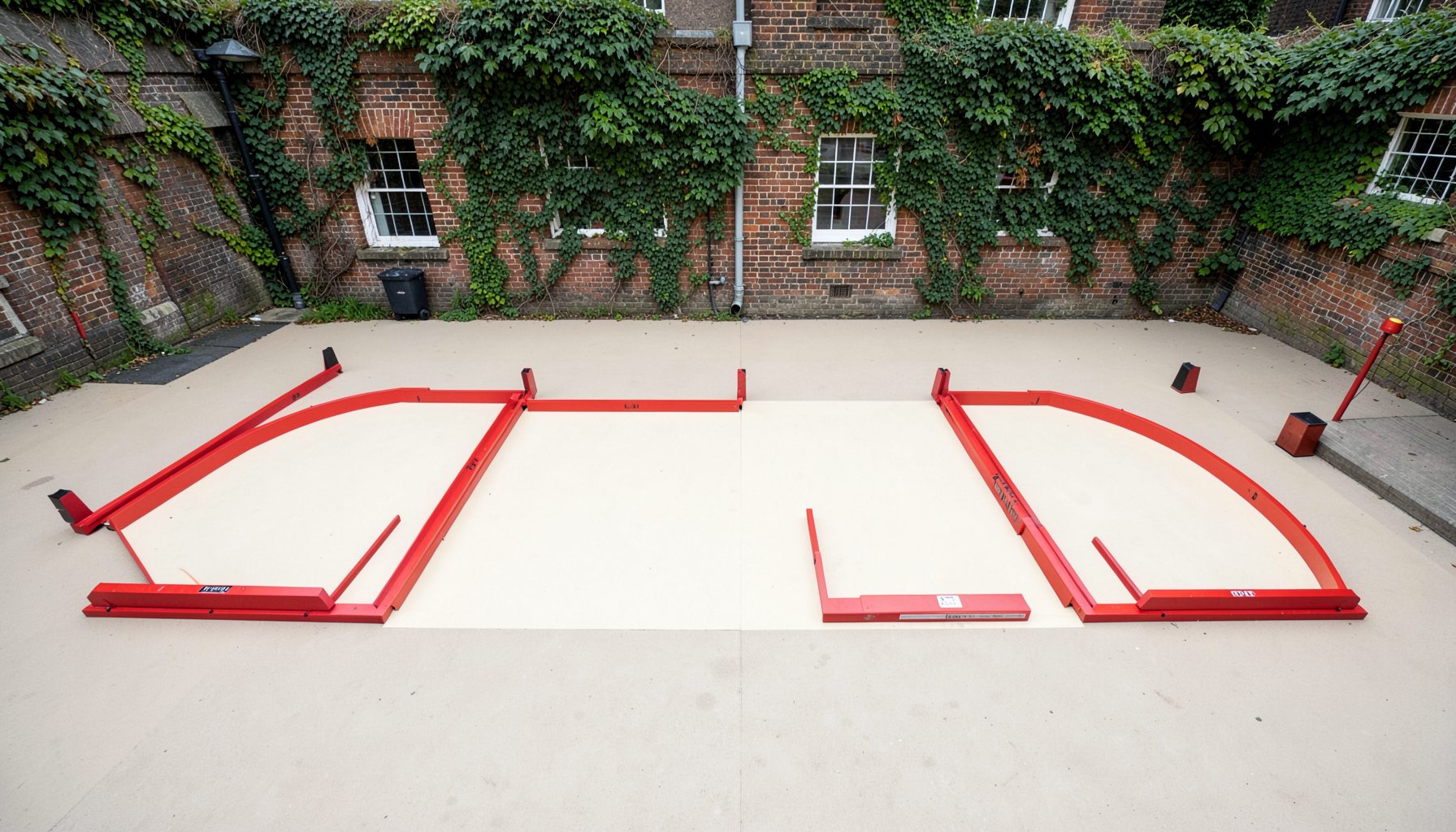
Facility development should focus on practical improvements. Well-maintained courts, suitable lighting, safe changing areas, and clear booking systems make participation more reliable. Where new courts are planned, partnerships with schools, universities, leisure trusts, and independent facilities could increase usage throughout the week and give local communities a visible home for the sport.
Inclusion As A Measure Of Progress
A growing sport must be open to people with different physical abilities, confidence levels, backgrounds, and previous sporting experiences. Inclusive delivery may involve adapted equipment, flexible rules, accessible court layouts, personal support, or modified training activities. The objective is to provide meaningful participation while allowing each player to progress at a suitable pace.
The Association’s work around inclusive player support demonstrates why accessibility belongs at the centre of development rather than at its edges. Sharing practical examples can help clubs understand how small adjustments create better experiences and encourage more people to take part.
Inclusion also depends on representation and welcome. Coaches and volunteers should receive guidance on inclusive language, safeguarding, communication, and reasonable adjustments. Outreach through schools, disability sport organisations, youth groups, and community centres can introduce Rugby Fives to people who may never encounter it through traditional sporting channels.
Pathways From School Sessions To Championships
Schools are one of the most effective places to grow Rugby Fives because pupils can learn the basic skills in a structured environment and pass enthusiasm to friends and families. Short introductory sessions, teacher resources, inter-school festivals, and coaching visits can make the sport visible without demanding an immediate commitment to regular competition.
A clear pathway should follow that first experience. Young players need opportunities to join a local club, attend development sessions, enter age-group events, and receive encouragement as their skills mature. Schools and clubs can share facilities, coaching expertise, transport arrangements, and calendars to reduce the practical barriers that often cause interest to fade.
Competition itself can become more accessible and varied. Alongside established championships, the sport could offer shorter festivals, mixed-format events, regional leagues, novice divisions, and social tournaments. These formats would provide meaningful goals for different levels of experience while strengthening the connection between local activity and national competition.
| Area Of Development | Current Opportunity | Practical Innovation | Likely Benefit |
|---|---|---|---|
| Participation | More people discovering the sport | School tasters, open courts, community sessions | A wider and more diverse player base |
| Coaching | Volunteers need flexible support | Online modules, video resources, shared guidance | Better quality and greater consistency |
| Competition | Players have varied ambitions | Festivals, graded events, regional leagues | More routes into regular match play |
| Facilities | Court access can differ by area | Partnerships and improved booking systems | Stronger local provision |
| Administration | Information may be spread across channels | Integrated fixtures, results, and rankings | Easier planning and better engagement |
| Inclusion | Adaptations are not always widely known | Practical toolkits and community partnerships | More confident participation |
These developments should be introduced with care. Rugby Fives does not need to imitate every trend in larger sports. Innovation is most valuable when it solves a real problem, reduces administration, or helps people enjoy the game more often.
Priorities For Sustainable Growth
The strongest progress will come from coordinated action rather than isolated projects. Clubs, schools, coaches, players, volunteers, and governing bodies each see different parts of the sport’s needs. Regular consultation can turn those perspectives into realistic priorities and ensure that investment reaches areas with genuine potential.
A practical development programme could focus on the following actions:
- Create a simple national digital hub for fixtures, results, rankings, coaching, and club contacts.
- Expand school partnerships with ready-to-use lesson plans and festival formats.
- Establish regular coach education covering technique, safeguarding, inclusion, and injury prevention.
- Support clubs in improving court access, local promotion, and beginner-friendly sessions.
- Publish participation stories and competition content that reflect the sport’s full community.
Measurement will help maintain momentum. Useful indicators might include active clubs, new junior players, coach qualifications, accessible sessions, court usage, volunteer retention, and the number of participants moving from introductory events into regular play. Tracking these outcomes can show what works while keeping development connected to the Association’s charitable and sporting purpose.
Joining The Next Chapter
The future of Rugby Fives will be shaped by the quality of its relationships. A well-connected club can welcome beginners, a trained coach can unlock a player’s potential, a school partnership can introduce hundreds of young people to the court, and a committed volunteer can keep a local programme moving. Small contributions become significant when they reinforce one another.
Players can support this progress by entering events, sharing the sport with friends, volunteering at competitions, or helping new participants feel at home. Clubs and schools can work with the Rugby Fives Association to develop sessions, strengthen pathways, and make the game more visible in their communities. Together, these actions can create a modern, inclusive, and resilient future for Rugby Fives.
Get involved through your local club, attend an upcoming event, support a school session, or contact the Rugby Fives Association about volunteering and development opportunities. The next chapter will be built on the court, one player, coach, and community at a time.