


The Future Of Rugby Fives In Primary Schools
Rugby Fives has a strong opportunity to become a familiar part of primary school sport in Australia. The game is energetic, inexpensive to play once a suitable court is available, and easy to adapt for mixed abilities. Children develop hand-eye coordination, movement skills, decision-making and communication without needing specialist equipment or full-contact tackling.
Its future will depend on thoughtful delivery. Schools need activities that fit the Australian Curriculum, work in limited spaces, support child safety requirements and appeal to families whose calendars already include swimming, football, netball and weekend competitions. Rugby Fives can earn its place by offering a distinctive indoor game that is active, inclusive and practical.
Why Rugby Fives Belongs In Primary Sport
The basic format is straightforward: players use their hands to strike a small ball against the front wall, with the ball remaining in play through quick returns. The four-wall court creates constant movement, while the absence of tackling reduces the physical contact associated with other rugby codes. Teachers can begin with cooperative rallies before introducing competitive scoring.
That progression suits different stages of primary education. Younger pupils can practise throwing, catching, striking and finding space. Older pupils can learn anticipation, positioning, rules and tactical shot selection. Short rallies and rotating teams also keep children involved rather than leaving them waiting on the sideline.
The game is especially useful in cities such as Sydney, Melbourne and Brisbane, where school grounds may be heavily scheduled and weather can disrupt outdoor lessons. A hall or purpose-built court allows physical education to continue during summer heat, sudden rain and poor air quality. Schools can schedule sessions before class, during lunch or within regular PE blocks.
Building A Safe And Inclusive School Model
A successful programme should begin with age-appropriate equipment and clear routines. Softer balls, marked target zones and reduced court dimensions can help children gain confidence. Teachers may use stations for wall striking, movement patterns and partner rallies before pupils play formal games. This gives beginners repeated practice while more experienced children work on control and accuracy.
Inclusion needs to be designed from the first lesson. Rules can allow a bounce, permit a catch-and-release phase for new players or give additional time to children developing coordination. Mixed-ability pairings should be supported by purposeful coaching rather than treating less experienced pupils as substitutes. Adaptations can also assist children with disability, sensory needs or limited confidence in competitive settings.
Australian schools must also connect delivery with their existing safeguarding systems. Working with Children Check arrangements differ between states and territories, while Child Safe Standards guide organisations working with children. A club or association visiting a school should provide appropriate screening, supervision, risk assessment and incident procedures. Clear communication with families is particularly important when sessions take place before school or during community programmes.
Connecting The Game With Australian School Priorities
Rugby Fives can support the Australian Curriculum: Health and Physical Education through movement competence, personal and social skills, collaboration and safe participation. A lesson might combine physical practice with brief discussions about respect, managing winning and losing, resolving disagreements and setting individual goals. Teachers can assess improvement through decision-making and teamwork as well as technical performance.
The strongest school model will connect several groups. A local club can provide a coach, a school can provide regular access and a regional body can supply resources, competition pathways and teacher education. This approach avoids making schools responsible for building expertise from scratch. It also gives children a route from introductory lessons to festivals, interschool fixtures and junior championships.
The local sporting market offers useful possibilities. Schools already purchase coaching blocks, holiday activities and lunchtime programmes from external providers, although budgets vary considerably between independent, government and regional schools. Rugby Fives organisations can respond with flexible packages: a one-day introduction, a four-week unit, teacher training or a term-long development programme. Transparent pricing and equipment options will matter to principals managing tight budgets.
| School Setting | Practical Starting Point | Main Benefit | Useful Next Step |
|---|---|---|---|
| Urban primary school | Short indoor PE unit | Reliable activity in limited space | Interclass festival |
| Regional school | Portable equipment and modified court | Low-barrier participation | Cluster event with nearby schools |
| Specialist court venue | Coaching and regular fixtures | Technical progression | Junior club pathway |
| Before- or after-school programme | Small-group sessions | Flexible access for families | Community competition |
Making Facilities And Training Work
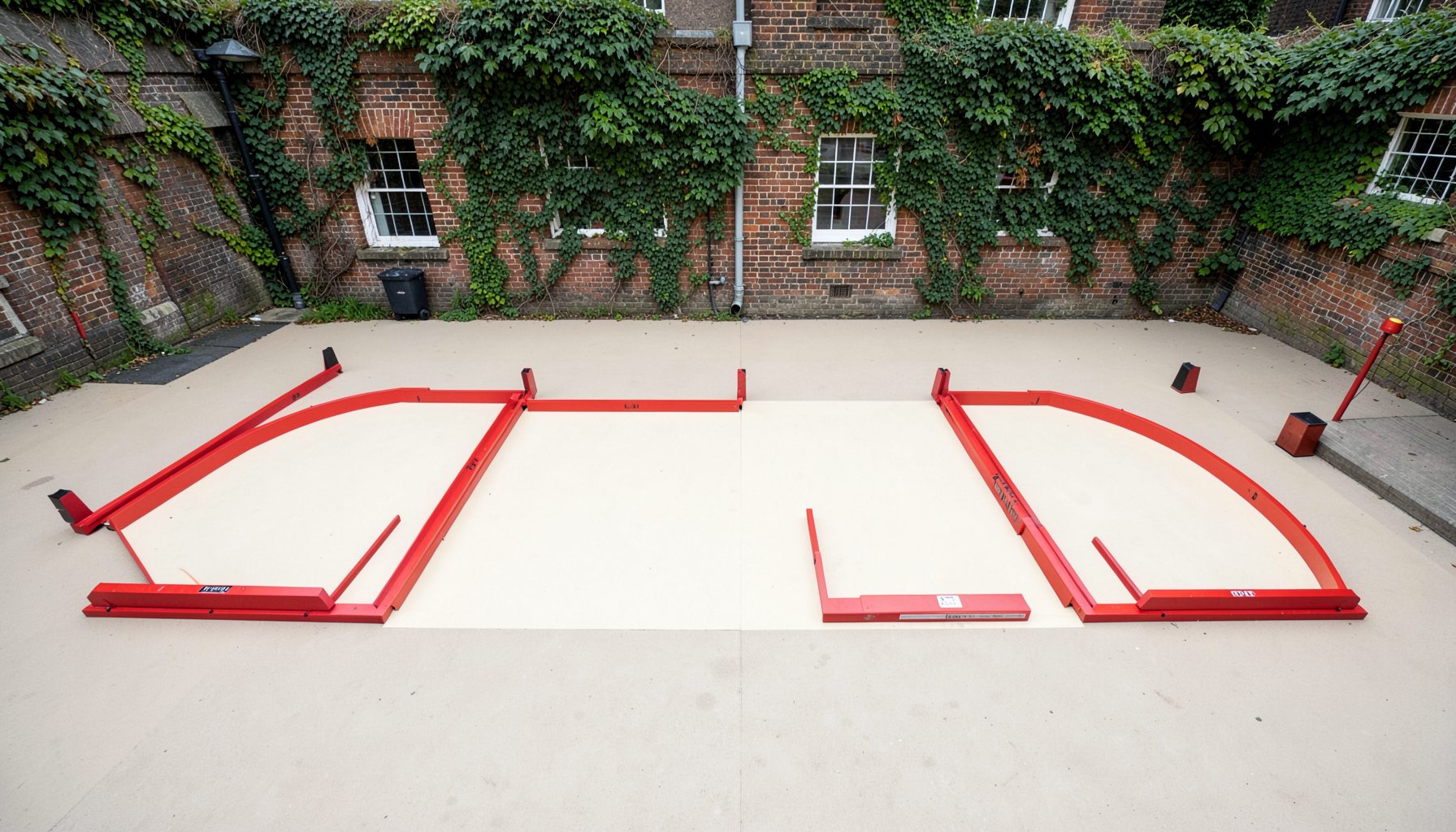
Facility access is likely to shape the pace of growth. Some schools may have a dedicated Fives court, while others will need to use a gymnasium wall, multipurpose hall or temporary markings. A clear facilities guide can explain safe playing distances, wall suitability, noise considerations and storage. This gives schools realistic choices instead of assuming every campus can build a traditional court.
Construction will require careful financial planning. New courts may be attractive to larger schools, universities and community sport hubs, but a portable or modified format can introduce the sport to many more children. Partnerships with councils, independent schools and existing indoor venues could spread costs. In Melbourne, for example, a shared facility near several schools may be more practical than separate construction projects at each campus.
Teacher confidence is equally important. A classroom teacher does not need advanced playing experience to lead a first session, but they do need simple lesson plans, demonstrations and safety guidance. Short professional learning workshops can cover grip, striking technique, court movement, inclusive adaptations and basic officiating. Online videos and printable resources can support staff after the workshop has finished.
Associations can also make participation easier by maintaining a clear point of contact for schools, coaches and volunteers. Schools exploring a pilot can contact the Association to discuss suitable formats, local connections and development support. A responsive administrative structure helps turn initial interest into a scheduled programme.
Growing A Sustainable Junior Pathway
Primary school exposure should lead somewhere meaningful. A child who enjoys a school lesson may want to attend a club session, play at a holiday festival or watch an age-group championship. Local events should feel welcoming rather than highly selective, with participation awards, short matches and opportunities for families to learn the game together.
Competition can be introduced gradually. House events and friendly round robins are suitable first steps, followed by district festivals and state or national opportunities when numbers allow. Fixtures, results and player development records can help organisations understand participation trends without placing excessive pressure on young children. Recognition for fair play, effort and improvement can sit alongside match results.
Long-term growth will depend on evidence. Schools and clubs should record attendance, repeat participation, teacher feedback and the number of children moving into community sessions. They can also monitor access across gender, location, disability and cultural background. This information can guide grant applications, coach education and facility investment while showing families that the sport is being developed responsibly.
A strong future for primary-school Rugby Fives will be built through regular, enjoyable experiences rather than occasional demonstrations. When children encounter the game in a safe hall, understand the rules quickly and see a pathway into local sport, they are more likely to return. Schools, clubs, councils and families can help establish that pathway by supporting pilots, training educators and making space for the game in weekly activity calendars.
Schools and community organisations can begin with a modest pilot, identify a suitable indoor space and connect with Rugby Fives coaches or volunteers. Establishing one reliable session can create the foundation for festivals, club links and broader participation across Australian primary schools.