



The Future Of Rugby Fives Technology
Rugby Fives has always depended on touch, timing, movement and close observation. A player reads the rebound from the wall, adjusts footwork in a fraction of a second and chooses whether to attack space or recover position. New technology could make those moments easier to study without changing the character of the game.
The most promising developments involve connected balls and court-based sensors. These systems could record impact location, rally speed, player movement and training loads, giving athletes and coaches useful evidence alongside traditional observation. Technology should support skill development rather than turn every match into a laboratory.
For Australian players, the opportunity is especially relevant. Rugby Fives remains a specialist sport with a scattered network of schools, clubs and facilities, while long travel between cities can make regular competition difficult. Digital performance records could help players in Sydney, Melbourne, Brisbane, Perth and regional areas train with greater consistency between fixtures.
Any rollout needs to respect the sport’s scale and values. Equipment must be affordable, robust and simple to use, and data collection must be transparent. The Rugby Fives Association can help set practical standards so that innovation serves participation, coaching and competition rather than creating a costly barrier to entry.
Why sensing matters
A connected ball could detect where and how it strikes a wall, while court sensors could track position, speed and recovery patterns. Combined, these measurements would show details that are difficult to capture by eye. A coach might identify a player who consistently contacts the ball too close to the side wall or loses court position after an attacking shot.
This information could improve training sessions without replacing human judgement. Video review, player feedback and coaching experience would remain central, while sensor data would provide repeatable evidence. A school coach could use a short session report to show progress over several weeks, even when players have limited access to formal competition.
Sensors may also support officiating and record keeping. A system could help confirm whether a ball reached a legal height or landed within an accepted area, although any automated decision would need careful testing. Rugby Fives has a strong tradition of fair play, so technology should clarify disputed moments rather than create new arguments.
A smarter ball
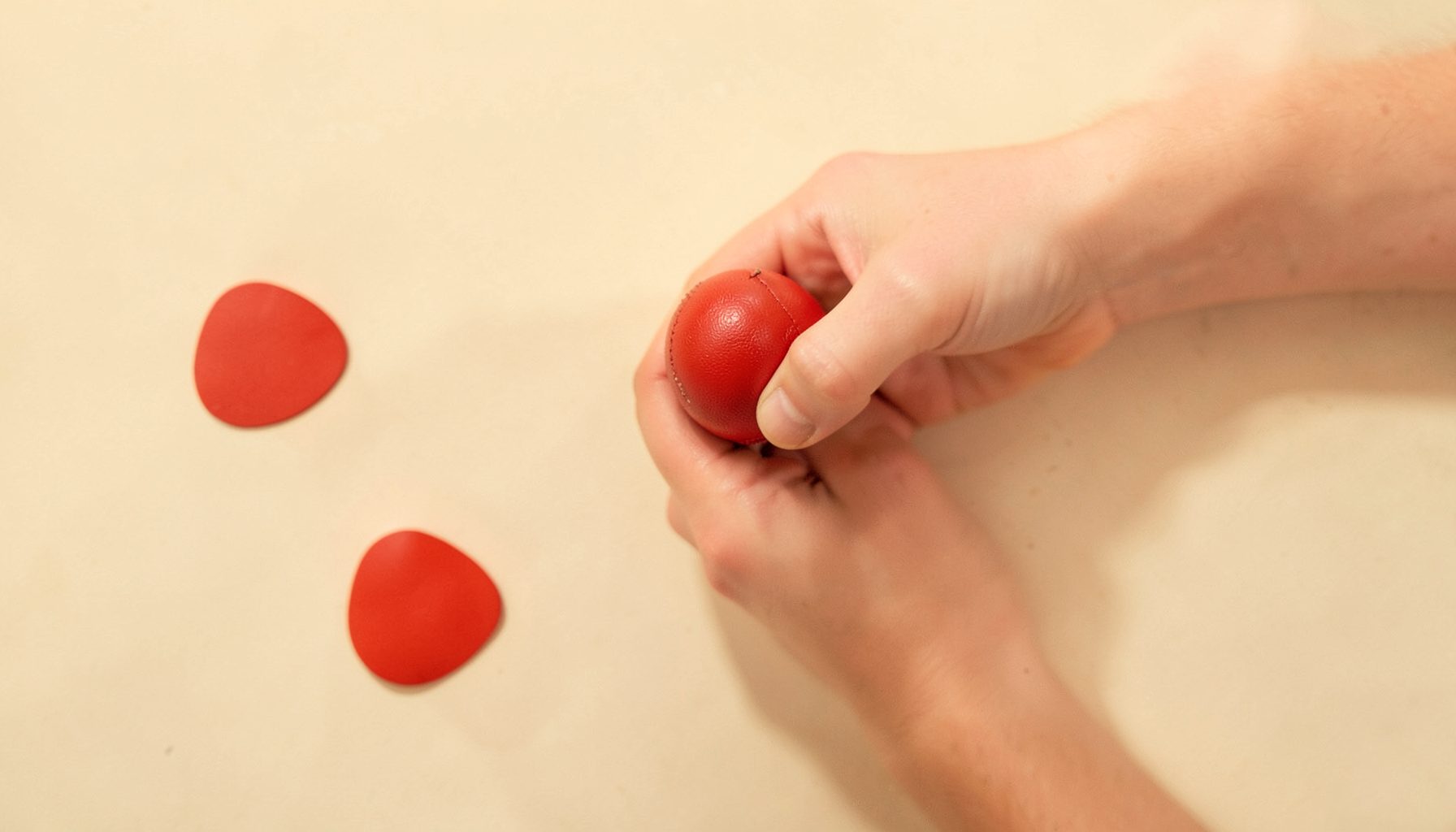
The ideal smart ball would look and feel close to a standard Rugby Fives ball. Small motion sensors, low-power electronics and wireless communication could be placed within a sealed internal core. The outer material would need to preserve the familiar bounce, grip and durability, since even a slight change in weight or balance could affect technique.
Battery life is a practical concern. A rechargeable ball might work well for training centres, but clubs and schools would need a straightforward charging routine. A replaceable power module, wireless charging cradle or passive sensor design could reduce maintenance. The ball should also continue to function safely when its electronics are switched off.
Manufacturers would need to test impact resistance, temperature variation and moisture exposure. Australian facilities can experience hot conditions, particularly during summer sessions in Brisbane or outdoor-adjacent halls in Perth. Equipment that performs reliably in a cool English school gym may need additional testing before it is used across Australia.
Sensing the court
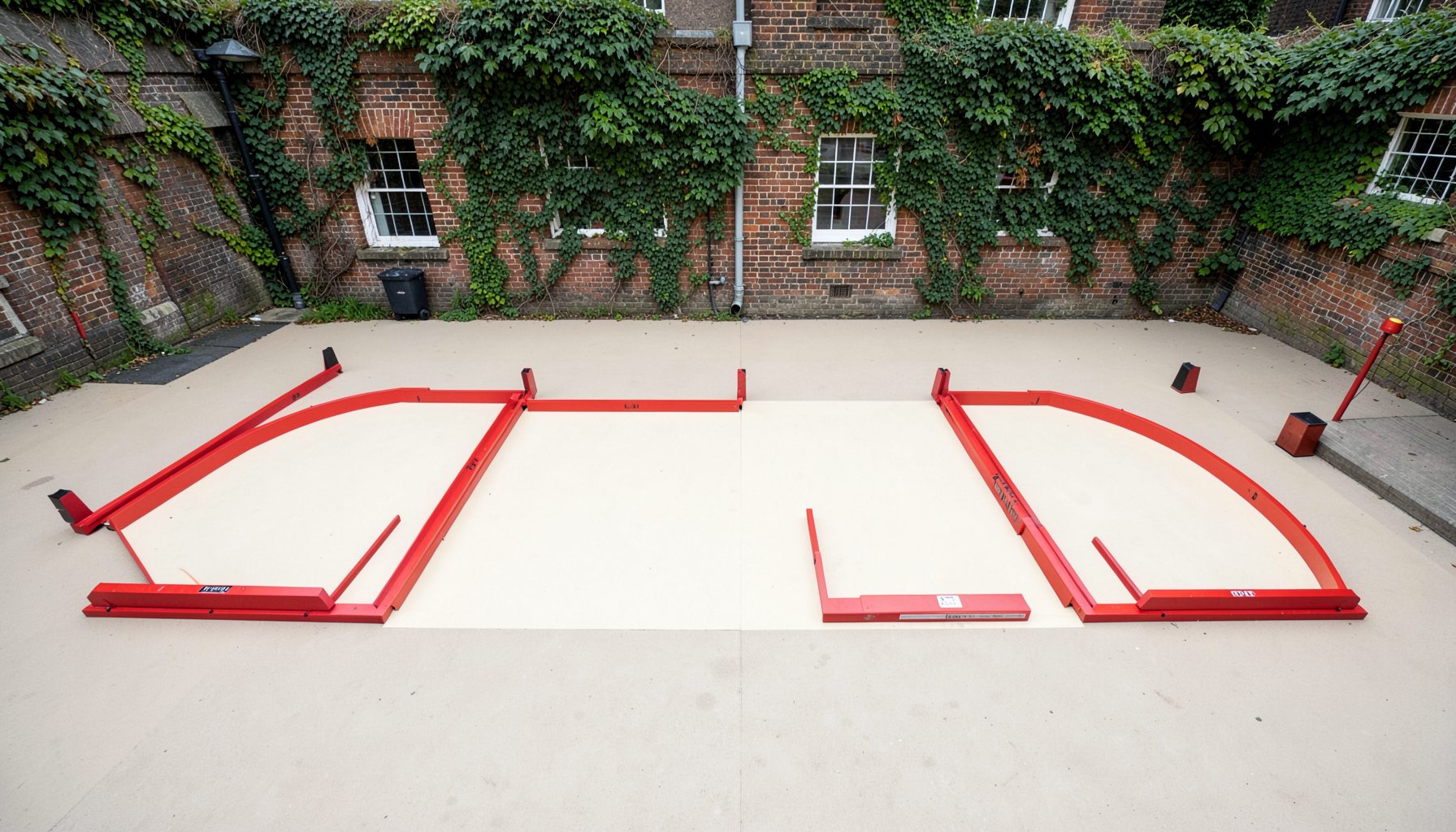
Court systems could use pressure-sensitive flooring, wall-mounted radar, depth cameras or compact optical sensors. Each approach has advantages. Pressure sensors can estimate foot placement, cameras can map movement, and wall units can record ball impact. A modular installation would allow a club to begin with one feature rather than finance a complete high-tech court.
Lighting and court architecture will affect accuracy. Dark surfaces, glare, changing daylight and reflective walls can confuse optical tracking. Sensors must also avoid interfering with play or creating trip hazards. Installation should be discreet, with protected cabling and hardware positioned away from likely impacts.
A useful court dashboard could display rally length, movement distance, average recovery time and shot distribution. Coaches could compare sessions rather than rank children by raw athletic output. For elite players, detailed analytics may reveal tactical habits; for beginners, a simple visual replay may be more valuable than a dense performance report.
Data, privacy and fairness
Player data can include names, video, movement patterns, health-related training information and identifiable performance history. In Australia, organisations handling personal information should consider the Privacy Act 1988 and the Australian Privacy Principles. Schools and clubs may also have their own consent, child-safety and information-retention requirements.
Clear permission should be obtained before recording players, especially children. Participants need to know what is collected, who can see it, how long it is retained and whether it will be shared with coaches, families, competition organisers or technology suppliers. A club should provide a non-recorded option where practical, so participation does not depend on accepting surveillance.
Security should be built into the system from the beginning. Encrypted transfers, restricted accounts and regular deletion of unnecessary files can reduce risk. Under the Australian Consumer Law, suppliers also need to provide products that are fit for purpose and accurately described. Claims about accuracy, injury prevention or automated officiating should be supported by credible testing.
Making technology practical in Australia
Australia’s Rugby Fives market is likely to remain smaller than the markets for mainstream football or tennis equipment. That makes large custom installations difficult for many clubs. Shared facilities, school partnerships and staged purchases could provide a more realistic route. A university sports centre in Melbourne, a school network in Sydney or a multi-sport venue in Brisbane could host pilot courts for nearby players.
Climate and travel also matter. Indoor courts can provide welcome protection during Melbourne winters, Sydney heatwaves or Queensland storms, but air conditioning and energy costs influence operating budgets. Lightweight equipment that can be transported to regional tournaments would help organisers introduce performance testing without requiring every venue to install permanent hardware.
Local support networks could include sports technology companies, engineering faculties and community grant programs. Hardware designed for Australian availability would be easier to repair than equipment dependent on overseas shipping. Clubs should also budget for software subscriptions, calibration, staff training and replacement parts rather than focusing only on the purchase price.
Training and competition applications
For coaching, the strongest early use may be session comparison. A player could see whether their recovery position improved, whether rallies are becoming more consistent and which wall areas produce the most successful attacks. Coaches could use these trends to design targeted drills instead of relying solely on memory.
Schools could use sensor-assisted games to make learning more engaging. A simple display might show rally count or successful target zones, encouraging movement and accuracy without turning the lesson into a technical assessment. Community programs could use the same equipment to demonstrate the sport to newcomers and explain its distinctive wall-play skills.
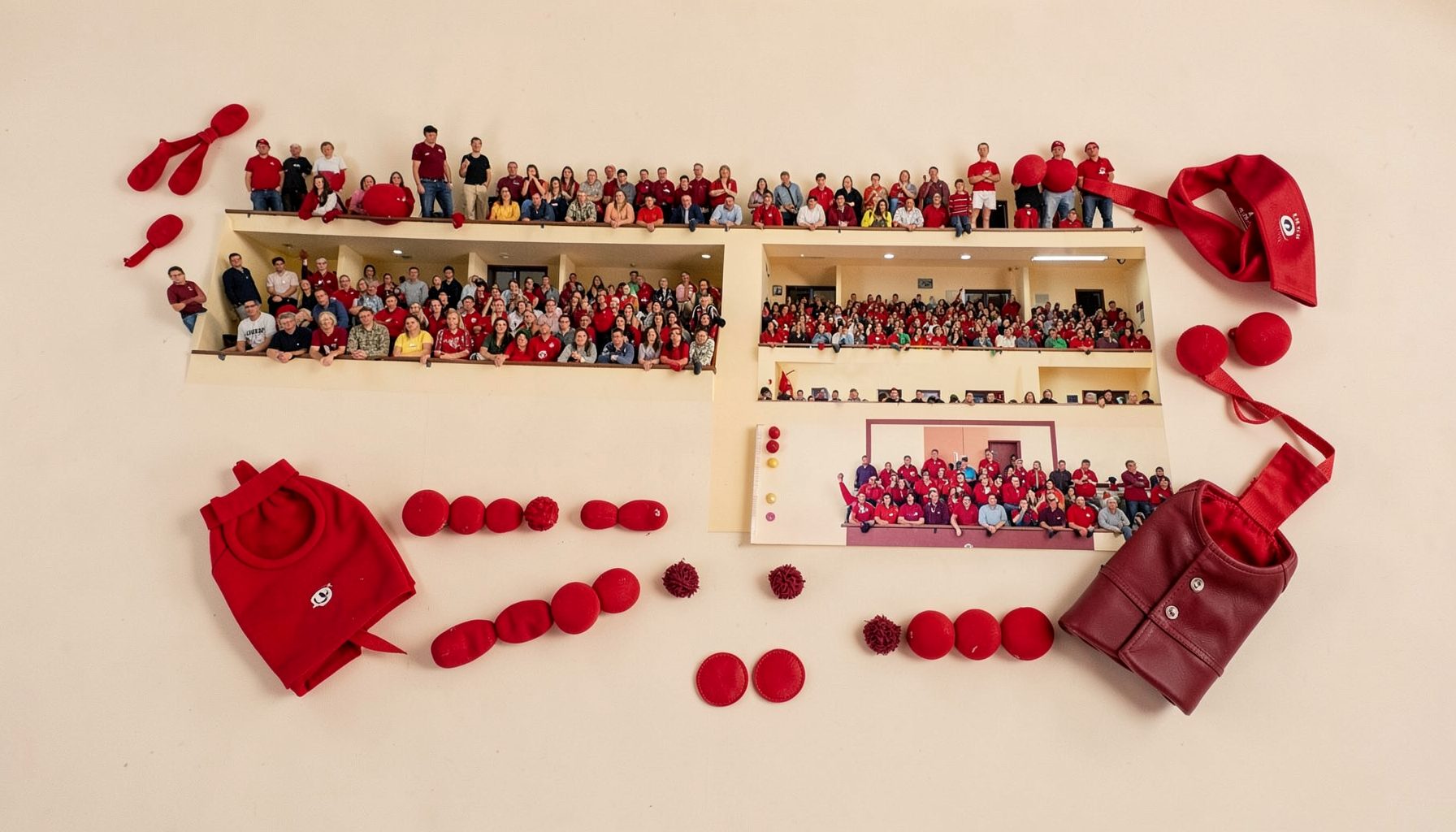
Competition use should develop slowly. Live statistics could enhance championships and provide spectators with a better understanding of momentum, but systems must be tested under pressure. Automated scoring should remain optional until accuracy, accessibility and dispute procedures are well established. The Association’s rankings, results and historical records could eventually include verified digital match data, creating a richer archive of the sport.
Building an affordable technology pathway
The most responsible approach is a staged pathway: begin with video and basic court observation, add portable ball sensors for coaching, then test fixed court tracking at selected venues. Each stage should have a clear purpose and a method for evaluating cost, accuracy, accessibility and player acceptance.
The comparison below shows how different tools might serve Rugby Fives clubs and schools. Costs will vary by supplier, installation requirements and software arrangements, so these figures are best treated as broad planning categories rather than quotations.
| Technology | Main use | Benefits | Limitations | Suitable first setting |
|---|---|---|---|---|
| Video camera system | Technique and rally review | Familiar, flexible and relatively affordable | Manual analysis; privacy considerations | Schools and club coaching |
| Connected ball | Impact, speed and rebound data | Portable and useful across venues | Battery, durability and altered ball feel | Coaching clinics and pilot programs |
| Wall impact sensors | Shot location and timing | Directly measures ball-wall contact | Requires installation and calibration | Dedicated training courts |
| Court cameras or depth sensors | Movement and positioning | Detailed tactical analysis | Lighting, privacy and data storage issues | Performance centres |
| Pressure-sensitive floor | Foot placement and movement load | Potentially precise player tracking | Expensive installation and maintenance | Major venues and research trials |
Technology should remain optional, inclusive and compatible with ordinary play. A standard ball, a coach’s eye and a well-maintained court must continue to provide a complete Rugby Fives experience. Digital tools are most valuable when they help more people learn, travel, compete and stay connected.
The Rugby Fives Association can lead this work by consulting players, clubs, schools, coaches and volunteers before adopting common standards. Pilot projects in different Australian cities could test equipment in varied climates, budgets and playing environments. Shared findings would help the sport avoid fragmented systems that cannot communicate with one another.
Clubs and schools can support the next stage by recording their needs, protecting participant privacy and taking part in carefully managed trials. Coaches can identify the measurements that genuinely improve practice, while players can help test whether smart equipment still feels like Rugby Fives. With thoughtful collaboration, sensors can strengthen the sport’s future without distracting from the skill, speed and enjoyment at its heart.