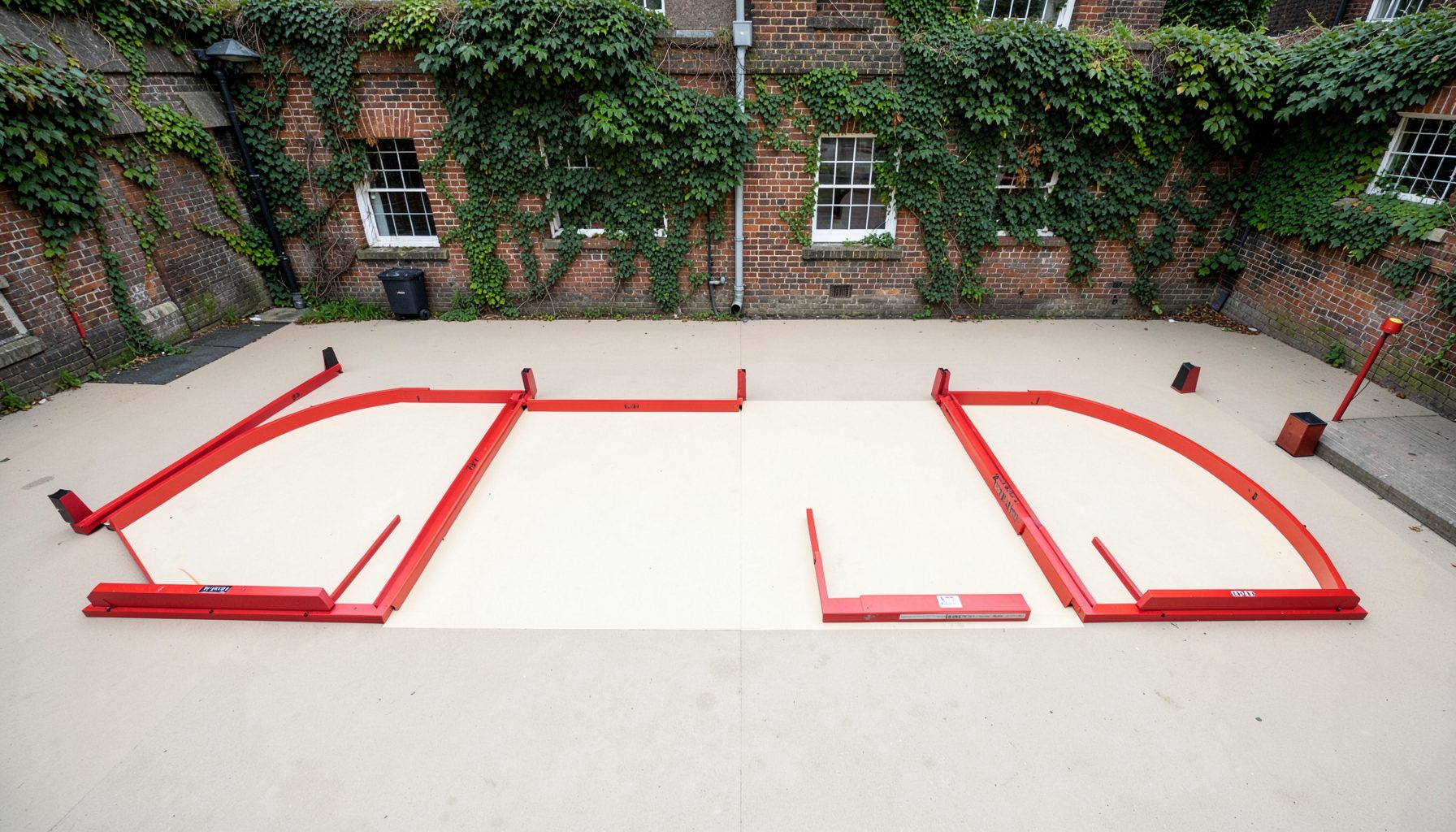




The Geography of Rugby Fives: Clubs Across the UK
Rugby Fives has a distinctive place on the British sporting map. Its courts are often attached to schools, colleges and historic institutions, so the sport’s geography reflects the movement of education, architecture and local sporting traditions as much as population size. A small town with a well-kept court can be more important to the game than a large city without one.
For Australian readers, this creates an interesting contrast. Australia’s major sports commonly organise around broad metropolitan catchments, large public ovals and long-distance travel between towns. Rugby Fives works through a tighter network of specialist courts, regular fixtures and personal connections between clubs, schools, coaches and volunteers.
The Rugby Fives Association helps connect these places through competitions, rankings, championships, coaching and historical records. Its national role is especially valuable because the sport’s venues are spread unevenly, yet players can still belong to a coherent UK-wide community.
A Map Shaped By Schools
The strongest concentration of Rugby Fives activity has historically developed in England’s independent schools and universities. Schools such as Rugby, Eton, Harrow, Winchester and Marlborough are associated with the sport’s long tradition, while other educational establishments have maintained courts and competitive programmes over generations. These venues provide more than playing space: they preserve rules, coaching knowledge and a reliable route for new players.
This school-based geography explains why Rugby Fives may appear in places that are not obvious sporting centres. A court can survive because a head of sport, former pupil or committed teacher recognises its value. Alumni networks also help clubs arrange fixtures, recruit coaches and bring younger players into the game.
University communities add another layer. Students may encounter the sport through college clubs, inter-university matches or informal sessions, then continue playing after graduation. That pathway gives Rugby Fives a natural link between youth development and adult competition, even when players later move to another part of the UK.
London And The South East
London and the South East benefit from population density, transport connections and a large concentration of historic schools. Players can often travel by rail or Underground to training, making regular participation more practical than it would be in a rural region. Courts in and around the capital also provide opportunities for social sessions, coaching days and competitive matches involving several clubs.
The region’s advantage is access rather than sheer court numbers. A player may live in outer London, work in the city and train near a school or university during the week. That pattern resembles the way Australians in Sydney or Melbourne combine sport with long commutes, although London’s public transport can make car-free travel more realistic.
Clubs in the South East also act as gateways for visitors from elsewhere. National championships and open tournaments can bring together players who rarely meet during the regular season. Such events help turn separate local communities into a recognisable national circuit.
The Midlands And The Sport’s Namesake
The Midlands has a special relationship with Rugby Fives because the town of Rugby is central to the sport’s story and identity. Its location between major cities makes it a natural meeting point for players travelling from different parts of England. The wider region also has a strong educational and sporting infrastructure, with schools and universities capable of supporting court-based activity.
Birmingham, Leicester, Nottingham and Coventry provide useful population centres around which fixtures can be organised. Even where there is no large standalone club, a school court or university facility may host a match. The result is a network that can look fragmented on a map while operating effectively through scheduled competitions and personal contacts.
Distances remain meaningful. A club may need to plan a full day for an away fixture, particularly when public transport connections are awkward or when equipment and multiple age groups are involved. This differs from the Australian habit of accepting long drives for weekend sport, yet the underlying commitment is familiar: a strong sporting community makes the journey worthwhile.
Northern And Celtic Connections
Rugby Fives has a smaller and more dispersed presence across northern England, Wales and Scotland, but geographic distance does not prevent meaningful participation. Historic schools, universities and individual enthusiasts can keep the game active even when nearby clubs are limited. The Association’s fixture lists and communication networks are important in these areas because they make isolated players easier to connect.
Northern cities such as Manchester, Leeds and Newcastle offer potential hubs through their universities and wider sporting populations. Wales and Scotland bring their own educational traditions and travel considerations, while Ireland has a related but separate history of handball and court games that can create useful cultural comparisons without making the sports interchangeable.
Weather and indoor access matter. A wet winter weekend is inconvenient for many sports, but a roofed court allows Rugby Fives to maintain a dependable season. That is relevant to Australian development too: in Brisbane, outdoor training may be possible for much of the year, while Melbourne’s winter weather and Sydney’s competition for indoor facilities can make consistent court access a decisive factor.
Travel, Facilities And Club Life
A Rugby Fives club is often defined by the quality of its relationships as much as by its address. Players share court time, organise lifts, welcome newcomers and preserve local knowledge about rules and technique. Coaches can have a particularly strong influence when they support players over several seasons; practical guidance on mentorship in coaching shows how development extends beyond a single training session.
Facility access is one of the clearest geographic constraints. Courts may be owned by schools, colleges or private organisations, with availability shaped by school terms, examinations, maintenance and competing bookings. Clubs that rely on borrowed venues need flexible scheduling and good communication with facility managers.
For an Australian audience, the commercial reality is familiar. In Sydney and Melbourne, indoor court space is valuable and often expensive, while in Canberra a university or community facility may offer a more central base. In Perth, distance between suburbs can shape attendance; in Brisbane, players may prefer early-morning sessions during the hotter months. A developing club might begin by hiring a squash or multi-sport venue before seeking a dedicated court.
Governance also affects access. Australian clubs working with children commonly need state-based Working With Children Checks, volunteer screening and child-safe procedures. Inclusive programmes must also operate consistently with the Disability Discrimination Act 1992 and relevant state or territory requirements. These obligations are part of building a trustworthy club environment, alongside coaching quality and player safety.
Comparing Regional Pathways
The UK network works because different types of places contribute different strengths. A famous school may provide history and high-level competition, a university may supply a changing stream of players, and a community club may offer continuity for adults and families. The Association can connect these pathways through national events, rankings, results and development programmes.
For an Australian organisation considering the sport, the lesson is to think in terms of a network rather than a single flagship venue. A pilot in Melbourne, Sydney, Brisbane, Canberra or Perth could link schools, universities and existing indoor facilities. Weekend sport is already deeply embedded in Australian life, but a successful Rugby Fives programme would need to fit around school terms, Saturday fixtures, commuting patterns and the cost of hiring courts.
| UK setting | Geographic strength | Typical constraint | Australian comparison |
|---|---|---|---|
| Historic school hub | Established court, traditions and alumni | Limited public access | Independent schools may provide a similar starting point |
| London or South East club | Dense population and transport links | High facility costs and busy schedules | Comparable to inner Sydney or Melbourne |
| Midlands venue | Central travel position and educational links | Long journeys for some surrounding clubs | Similar to a regional hub serving several cities |
| Northern or Celtic community | Strong local commitment and distinctive identity | Fewer nearby courts and coaches | Comparable to a club building participation across wide suburbs |
| University programme | New players and regular term-time activity | Turnover when students graduate | Useful for launching the sport in Australian campuses |
The geography of Rugby Fives is therefore a story of concentration and connection. Courts may be clustered around historic institutions, yet the sport’s national character comes from the links between those institutions and newer community participants. Fixtures, coaching, rankings and shared events give each local venue a place within a larger map.
Australian players, teachers, facility managers and sporting volunteers can follow that model by identifying suitable indoor spaces, building school partnerships and supporting coaches who can retain participants. The Rugby Fives Association offers a route into the UK game through its competitions, clubs, records and development work. Explore its opportunities, connect with the nearest playing community and help give this distinctive court sport a wider future.