



How Rugby Fives supports mental wellbeing
Mental wellbeing is shaped by ordinary routines: moving the body, seeing familiar people, sleeping well and having activities that create a sense of purpose. Rugby Fives brings these elements together in a fast, engaging indoor sport that can suit beginners, experienced players and people returning to exercise.
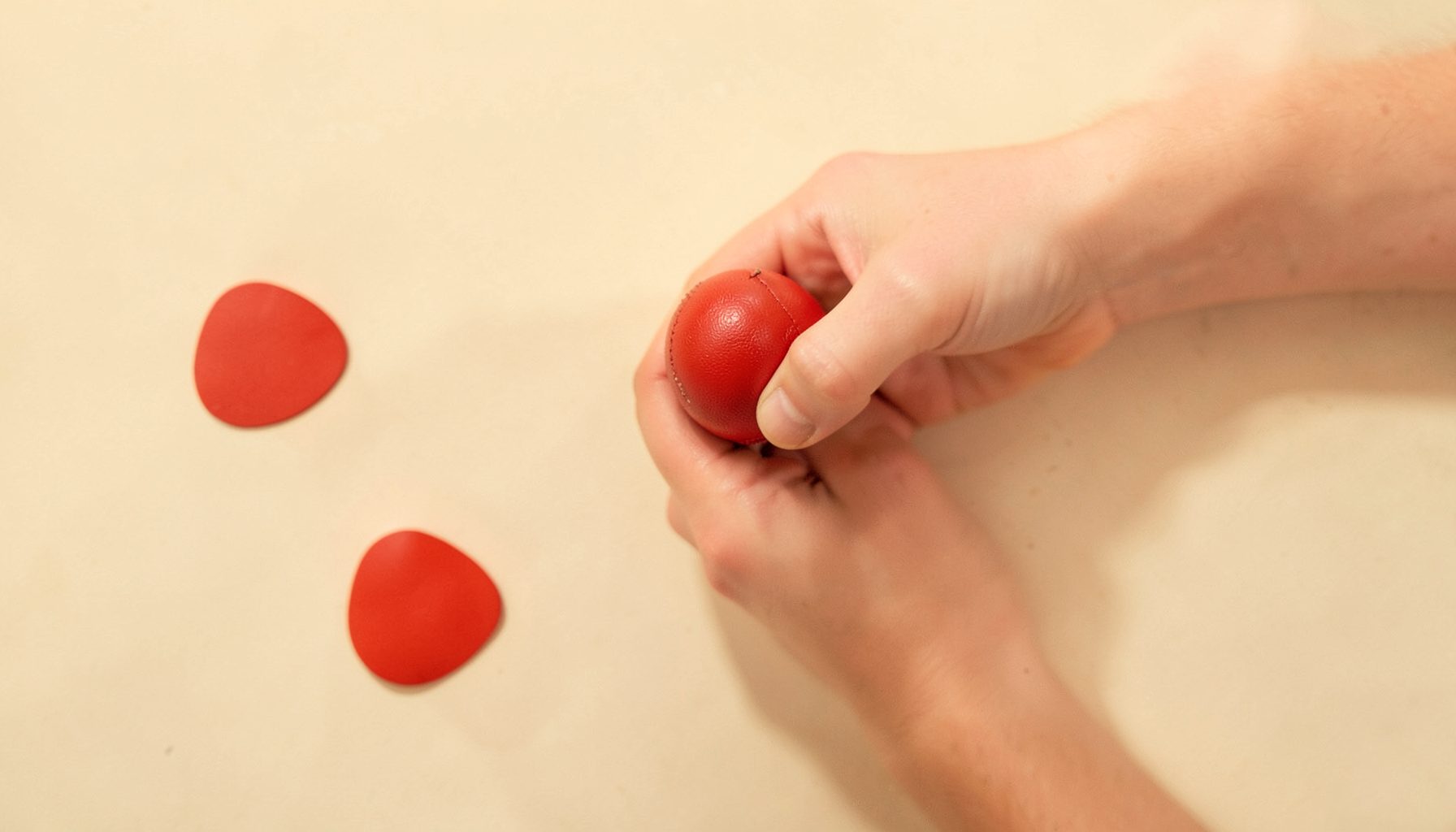
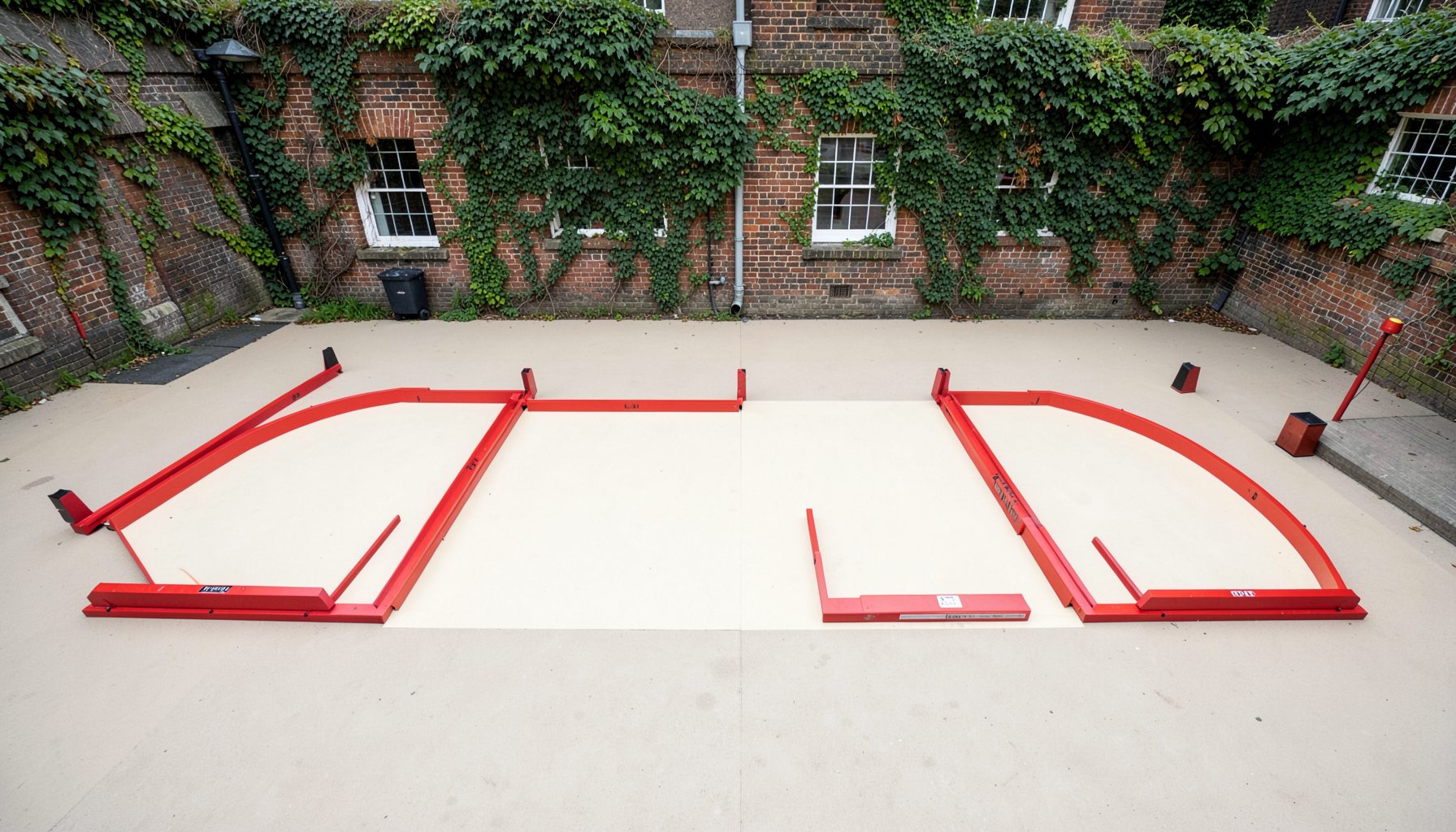
The game is played in a four-walled court with a small ball and gloved hands. Its compact space encourages concentration, quick decisions and constant movement, while the social setting gives players a reason to arrive, participate and stay connected. This combination can support emotional health without making wellbeing feel like a separate task.
For people in Australia, an indoor court can be especially appealing. Heat in Brisbane, wet winter evenings in Melbourne and long travel distances around Sydney can make outdoor exercise difficult to maintain. A scheduled session at a school, club or university facility offers a reliable alternative throughout the year.
Rugby Fives is also adaptable. Players can build fitness gradually, practise skills at a comfortable pace and take part in doubles or singles. With the right coaching and welcoming club culture, the sport can help create regular social contact for teenagers, adults, older players and newcomers to organised activity.
Movement that steadies the mind
Physical activity can influence mood through several pathways. A game of Rugby Fives raises the heart rate, works the legs, shoulders and core, and encourages repeated bursts of effort. This can help release muscular tension after a sedentary day at work or study and provide a healthy break from screens.
The court demands continuous attention. Players track the ball, anticipate its angle and adjust their position within seconds. That concentration gives the mind a clear, immediate task, which may interrupt repetitive thoughts and reduce the mental clutter associated with stress. The effect is similar to active mindfulness: attention returns to movement, timing and the next shot.
Intensity can be adjusted to match a player’s experience and energy. A relaxed practice session may focus on footwork and control, while a competitive fixture provides a more vigorous workout. This flexibility makes the sport useful for people who want exercise that feels purposeful rather than repetitive.
Connection through shared play
Social isolation can affect confidence and mood, particularly after moving to a new city, starting university or leaving a familiar workplace. Rugby Fives creates repeated opportunities to greet others, share court time and develop a sense of belonging. Even brief conversations before and after a match can become meaningful when they happen regularly.
The sport’s partner-based format encourages communication and mutual support. Players call shots, celebrate improvement and help each other understand tactics. A welcoming club can make this especially valuable for beginners who might feel uncomfortable entering a highly competitive environment. Progress is easier to notice when teammates and coaches recognise small gains.
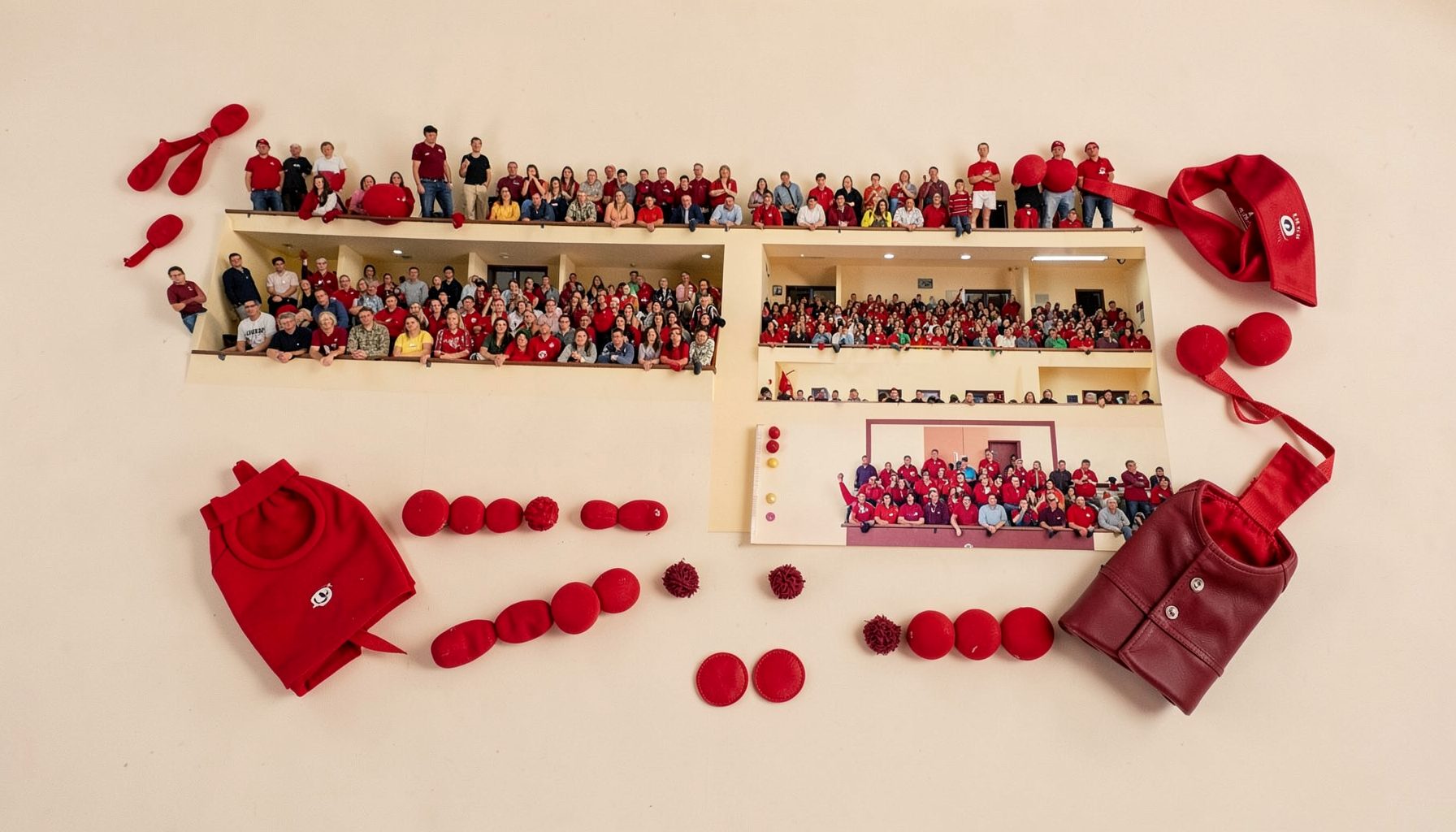
The Rugby Fives Association supports competitions, coaching, schools, clubs and community participation across the UK, providing a model of how organised structures can keep people connected to the sport. Australian players can apply the same principle locally by seeking clubs, school programs, university groups and community venues that value inclusion alongside performance.
Confidence, focus and emotional resilience
Learning a new skill gives the brain manageable challenges. In Rugby Fives, a player may begin by simply returning the ball, then work towards controlled serves, planned placement and stronger movement around the court. Each improvement offers evidence that effort can lead to change, which may strengthen self-belief.
Matches also teach players to recover from mistakes. A missed shot or lost point is followed quickly by another opportunity to respond. Over time, this can encourage a calmer attitude towards setbacks: assess what happened, reset attention and try a different choice. These habits can transfer to school, work and everyday problem-solving.
The game offers mental stimulation without requiring long explanations once the basics are understood. Reading an opponent, choosing space and managing the pace of a rally keep the mind active. For people who enjoy strategy, this intellectual challenge can make exercise more absorbing and easier to maintain than a routine based entirely on distance or repetition.
A practical routine for Australian players
Wellbeing benefits are more likely when activity becomes consistent. A weekly session after work in Melbourne, a Saturday morning fixture in Sydney or an indoor training block during Brisbane’s summer heat can provide structure. Linking sport with a regular time and place reduces the number of decisions required to get started.
Small routines around the session can support the experience. Arriving early for a gentle warm-up, drinking water, greeting teammates and taking a few minutes to cool down can create a clear transition between daily responsibilities and play. Players should increase intensity gradually, particularly after time away from exercise, and seek qualified advice if they have an injury or health concern.
Cost and access also matter in the Australian market. School gyms, university courts, council facilities and multi-sport venues may offer different booking arrangements, equipment options and membership prices. Shared gloves, introductory sessions or community programs can lower the barrier for newcomers, while public transport access is useful for players in larger urban areas.
Building a healthier sporting culture
A mentally supportive Rugby Fives environment recognises that people arrive with different abilities, schedules and reasons for participating. Some players may want competition, while others may be looking for social contact, fitness or a structured way to manage stress. Coaches and organisers can make room for these goals by explaining expectations clearly and offering progressive drills.
Inclusive communication is important. Welcoming new players by name, pairing them thoughtfully and avoiding unnecessary judgement can make the first few sessions less intimidating. Clear guidance on etiquette, safety and constructive feedback helps protect the positive atmosphere that makes social sport valuable.
| Wellbeing area | Rugby Fives experience | Potential benefit |
|---|---|---|
| Stress management | Fast rallies and focused movement | A mental break from work, study or rumination |
| Physical energy | Repeated short bursts across the court | Improved fitness and reduced physical tension |
| Social connection | Doubles, club sessions and competitions | Regular contact and a stronger sense of belonging |
| Confidence | Learning serves, returns and positioning | Visible progress and greater self-belief |
| Resilience | Responding after missed shots or lost points | Practice in resetting and trying again |
| Focus | Tracking the ball and anticipating play | Sharper attention and present-moment awareness |
Rugby Fives can become a practical part of a broader mental wellbeing routine, alongside sleep, nourishing food, supportive relationships and professional care when needed. It does not need to be intense or highly competitive to be worthwhile; consistency, enjoyment and connection are often the features that keep people involved.
Explore local opportunities through clubs, schools, universities and community venues, and use the Rugby Fives Association’s resources to learn more about the sport, coaching and organised participation. A first session can be the beginning of a healthier routine, new friendships and a more resilient approach to everyday pressure.