



The History of Rugby Fives From School Courts to National Sport
Rugby Fives is a fast, skilful wall-ball game with deep roots in British school sport. Played in a four-walled court, it rewards sharp movement, controlled striking, anticipation, and the ability to turn a difficult rebound into an attacking opportunity. Its history is closely linked with Rugby School, yet its development reaches far beyond one institution.
The game grew from informal schoolyard traditions into a recognisable code with its own courts, rules, competitions, clubs, and national championships. Over time, teachers, former pupils, coaches, volunteers, and players helped carry Rugby Fives into new schools and communities.
Today, the sport preserves its heritage while adapting to modern participation. The story of Rugby Fives is therefore both historical and ongoing: a record of changing facilities, organised competition, and a community determined to keep an unusual and rewarding game active.
Early Roots At Rugby School
Rugby Fives developed at Rugby School in Warwickshire, where pupils played handball games against walls and around the school buildings. These early forms were shaped by local customs rather than a single moment of invention. Players used their hands to strike a ball against a wall, with the surrounding architecture influencing the court and the style of play.
The school’s famous Close and associated courts gave the game a permanent home. As participation increased, the informal contest became more structured. Pupils learned recurring techniques, adopted shared expectations about serving and returning, and passed the game from one generation to the next.
The name helped distinguish this version of fives from related wall games played at Eton, Winchester, Charterhouse, and other schools. While these sports share common ancestry, differences in court design, scoring, and playing style created distinct traditions.
From School Tradition To Recognised Code
During the nineteenth century, the expansion of public-school sport created stronger networks between former pupils and educational institutions. Rugby Fives benefited from this movement. Old Rugbeians carried the game to universities, military establishments, preparatory schools, and private clubs, where new courts introduced more players to the sport.
Written rules gradually became important as matches were played between people from different backgrounds. Standardisation reduced disagreements over court markings, legal returns, service patterns, and scoring. The process was gradual, with practical experience shaping the rules as much as formal decisions did.
The game’s appeal rested on its accessibility. A court required specialist construction, but the equipment itself was simple: a ball, suitable footwear, and the willingness to practise. Players could develop touch, balance, and tactical awareness without relying on strength alone, making the sport suitable for a wide range of ages.
Courts, Clubs, And Competitive Growth
The spread of dedicated courts was central to Rugby Fives history. School courts remained important, but clubs and institutions created regular opportunities for adult players. These venues provided a base for coaching, inter-club fixtures, social events, and the preservation of local playing traditions.
Organised competition gave the sport a stronger national identity. Players could measure themselves beyond their own school or club, while fixtures encouraged teams to travel and build relationships. Championships and tournaments also gave emerging talent a pathway from casual participation to serious competitive play.
The Rugby Fives Association became an important coordinating body within this development. By bringing together clubs, schools, players, and officials, it helped maintain common standards and supported a national fixture structure. Historical records, rankings, and results now provide a valuable window into the strength and reach of the sport across different periods.
Milestones In The Sport’s Development
The modern story of Rugby Fives can be understood through several overlapping stages. Each period added a different part of the structure that supports the game today.
| Period | Main Development | Lasting Influence |
|---|---|---|
| Nineteenth century | School-based play became more organised and distinct from other fives codes | Shared traditions and recognisable court practices |
| Early twentieth century | Former pupils and institutions extended the game beyond Rugby School | Growth of clubs, fixtures, and inter-school connections |
| Mid-twentieth century | National administration and regular championships gained importance | Greater consistency in rules and competition |
| Late twentieth century | Coaching, rankings, and wider club networks strengthened participation | Clearer pathways for ambitious players |
| Twenty-first century | Digital records, inclusive programmes, and community outreach expanded visibility | A more connected and accessible national sport |
Competitive history is preserved through results as well as memories. For researchers and players tracing past champions, the RFA record book offers a useful record of rankings and performances from an important era.
These records give context to current events. A tournament winner is part of a longer chain of achievement, while a new club can see how its players fit into the wider national picture. Historical statistics also recognise the contribution of competitors whose influence may otherwise fade from view.
The Distinctive Character Of Rugby Fives
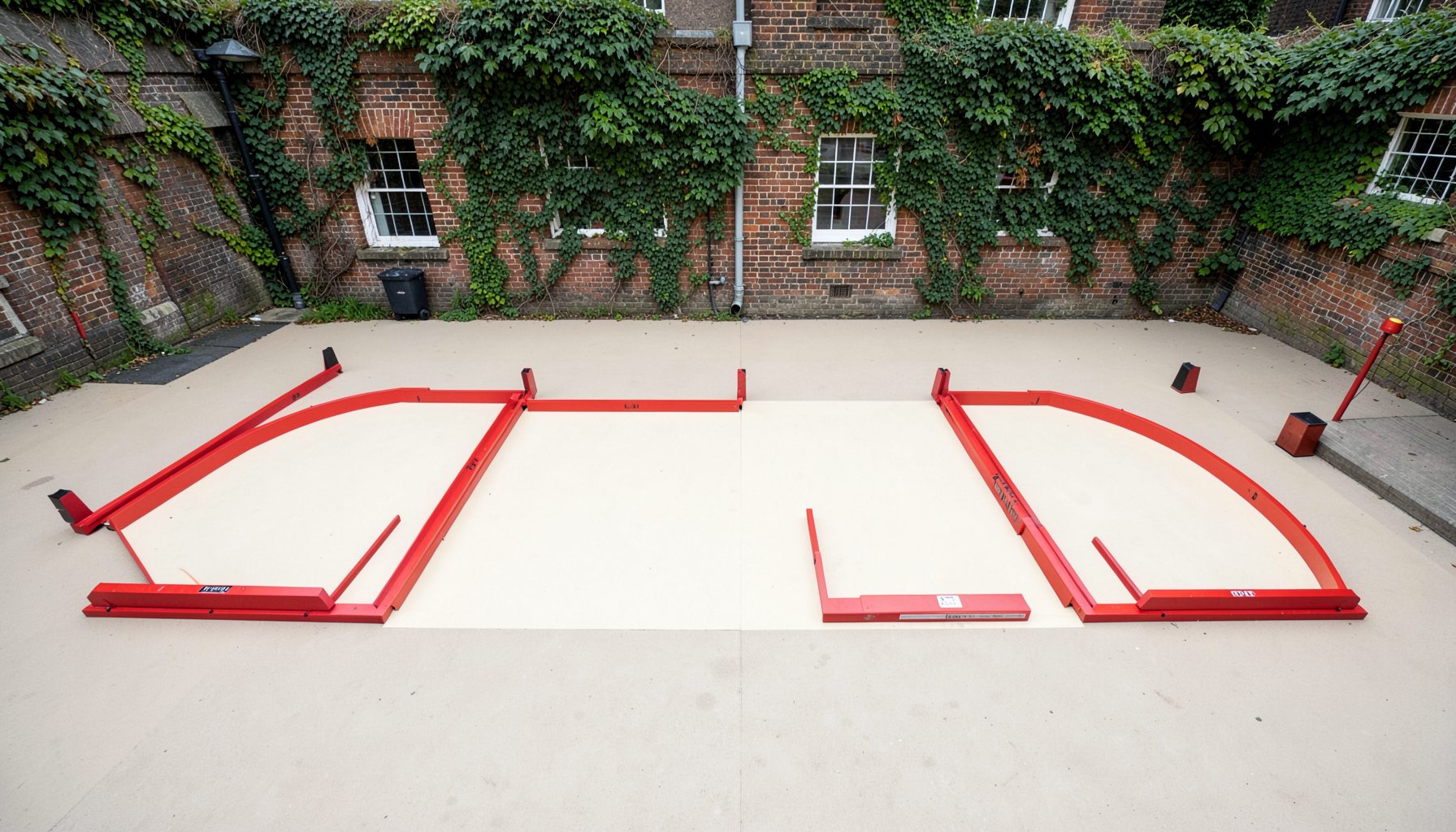
Rugby Fives is played in a court with a front wall, side walls, and a floor designed to produce demanding rebounds. The ball is struck with the hand, and successful play depends on reading angles before the ball reaches its lowest point. A well-placed return can force an opponent into an awkward position even when it lacks obvious power.
Singles matches test endurance, court coverage, and patience. Doubles matches add communication and positioning, requiring partners to share space and anticipate one another’s decisions. Across both formats, players learn to disguise intentions, vary pace, and use the walls rather than simply hitting directly ahead.
This combination gives the sport a distinctive identity among British racket and ball games. Rugby Fives has the intensity of a contest, the precision of a technical discipline, and the social character of a club activity. Players often value its traditions, yet newcomers can make progress quickly when coaching explains the basic movements and court geometry.
Schools And The Next Generation
Schools remain central to the future of Rugby Fives because early experience can turn an unfamiliar game into a lasting interest. Lessons and introductory sessions develop hand-eye coordination, agility, spatial awareness, and decision-making. They also offer pupils a sport that may feel different from the most widely promoted team games.
A strong school programme needs more than access to a court. Teachers require clear resources, coaches need appropriate training, and pupils benefit from regular activity rather than a single demonstration. Links with local clubs can provide progression after an initial school session, keeping talented or enthusiastic players involved.
The sport’s history also offers an educational advantage. Pupils can learn how games evolve through communities, rules, facilities, and participation. Understanding the heritage of Rugby Fives helps connect practical play with the people and institutions that sustained it across generations.
Building An Inclusive National Community
The future of the sport depends on welcoming participants from varied backgrounds and at different stages of life. Clubs can support this by offering beginner sessions, social fixtures, junior coaching, and competitive opportunities without treating ability as a barrier to entry.
Volunteers are equally important. Referees, administrators, coaches, court managers, and tournament organisers make regular activity possible. Their work often happens away from public attention, but it provides the structure through which players encounter the sport and progress within it.
Practical steps can strengthen participation:
- Promote introductory sessions through schools, universities, clubs, and community organisations.
- Offer coaching pathways for beginners, developing players, and experienced competitors.
- Protect and maintain existing courts while identifying opportunities for new facilities.
- Keep fixtures, rankings, and historical results accurate and accessible.
- Celebrate volunteers and create welcoming spaces for players of every age and ability.
A national sport is sustained through repeated local action. Every coaching session, repaired court, friendly fixture, and carefully recorded result adds to the next chapter of Rugby Fives.
Carrying The Tradition Forward
Rugby Fives has travelled a long way from its early school courts. Its foundations were laid by pupils testing their skill against walls, but its continued existence has depended on organised competition, committed clubs, supportive schools, and generations of volunteers.
The game’s heritage is strongest when it remains active. Explore a local opportunity, attend a tournament, introduce a young player to the court, or support the people who keep fixtures and coaching running. By taking part through the Rugby Fives Association, players and supporters can help ensure that this remarkable British sport continues to grow while retaining the character that makes it unique.