



The History of Rugby Fives in Scotland
Rugby Fives is a handball game played against the walls of a purpose-built court, usually by singles or doubles teams. It developed at Rugby School in England during the nineteenth century and travelled through the networks of British schools, universities and sporting clubs. Scotland became an important part of that journey, especially through its independent schools and long-standing connections with Rugby School.
The Scottish story is less frequently recorded than the history of rugby union, yet it reveals how a specialist school game can survive through buildings, teachers, alumni and volunteers. Courts in and around Edinburgh, school fixtures, regional competitions and links with English clubs helped preserve the game when many other traditional sports were changing.
| Period | Scottish development | Wider significance |
|---|---|---|
| Mid-to-late 19th century | Rugby-style handball reached Scottish schools through educational and sporting links with England | School networks became the main route for spreading the game |
| Early 20th century | Fives courts and organised play appeared in selected Scottish schools and institutions | The sport gained a stable home outside Rugby School |
| Late 20th century | Players, teachers and clubs maintained fixtures and inter-school competition | Volunteer organisation kept a small sport active |
| 21st century | Scottish players participate through national events, clubs and school facilities | Digital records and inclusive programmes support wider access |
Origins At Rugby School
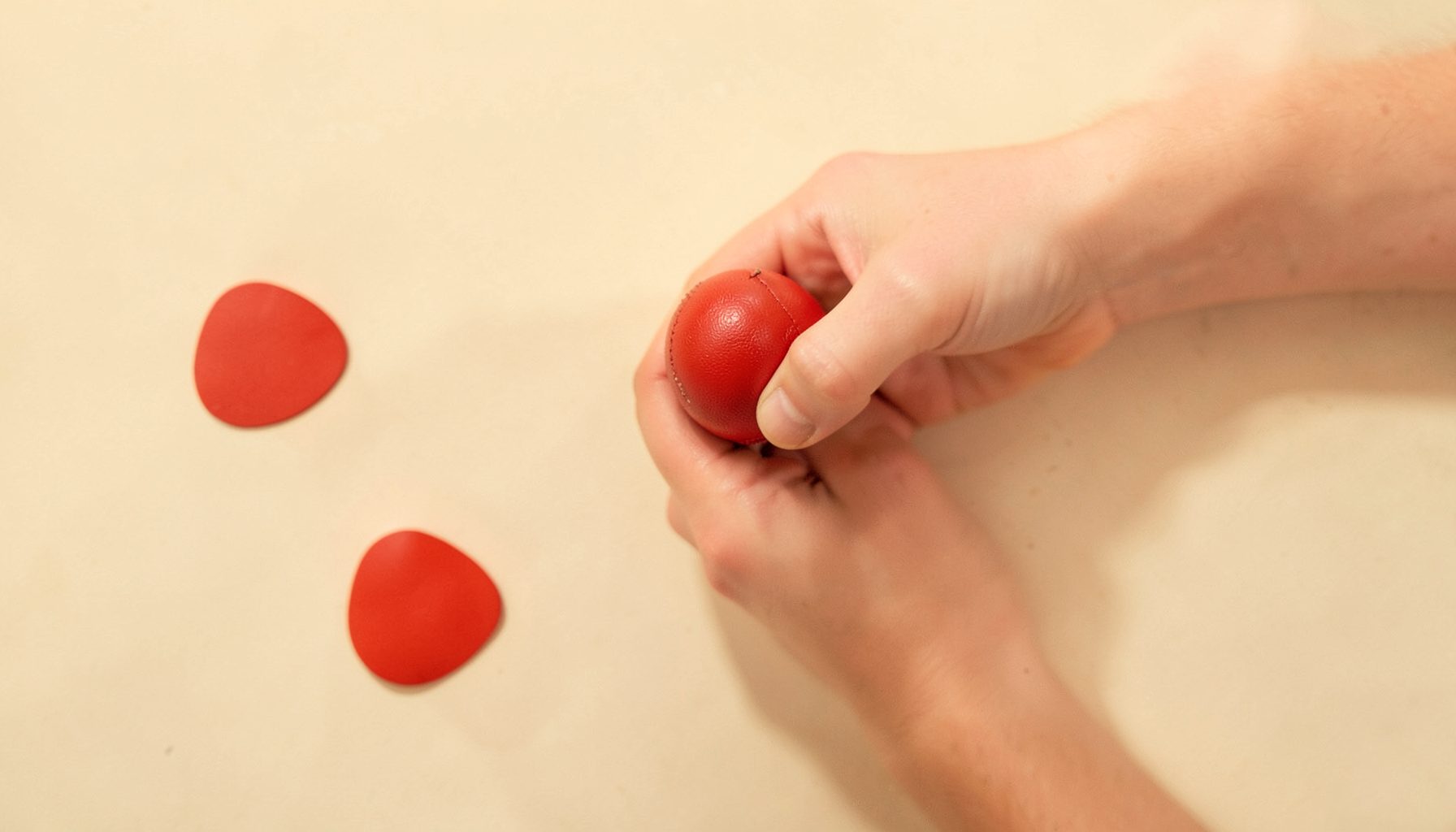
The roots of Rugby Fives lie in the informal handball games played against walls at Rugby School. By the nineteenth century, these games had developed distinctive rules and court arrangements. Players struck a leather ball with their hands, using angles, rebounds and movement rather than a racquet or bat. The sport was quick to learn, though skilled play required exceptional touch and anticipation.
Rugby School’s influence extended well beyond Warwickshire. Former pupils carried games, rules and sporting habits into universities, schools and professional life. Scotland’s education system had close links with English public schools, and pupils or teachers moving between the two countries provided a natural channel for Rugby Fives.
This movement should not be confused with the arrival of rugby union in Scotland. Rugby football became a major national sport with its own clubs, representative teams and governing structures. Rugby Fives remained a smaller indoor discipline, often dependent on whether a school had a suitable wall or court and whether a member of staff was prepared to organise regular play.
Scottish Schools And Early Courts
The strongest foundations for Fives in Scotland were laid in the country’s independent schools. Edinburgh and the surrounding area became particularly important because of the concentration of historic schools, established sporting traditions and links with England. School buildings and estates could accommodate specialist courts, while former pupils helped maintain interest after leaving.
Institutions such as Edinburgh Academy and Merchiston Castle School are associated with the Scottish Fives tradition, alongside other schools where handball games and court sports formed part of the sporting curriculum. The surviving evidence is often scattered across school magazines, photographs, fixture lists and architectural records rather than collected in one continuous national history.
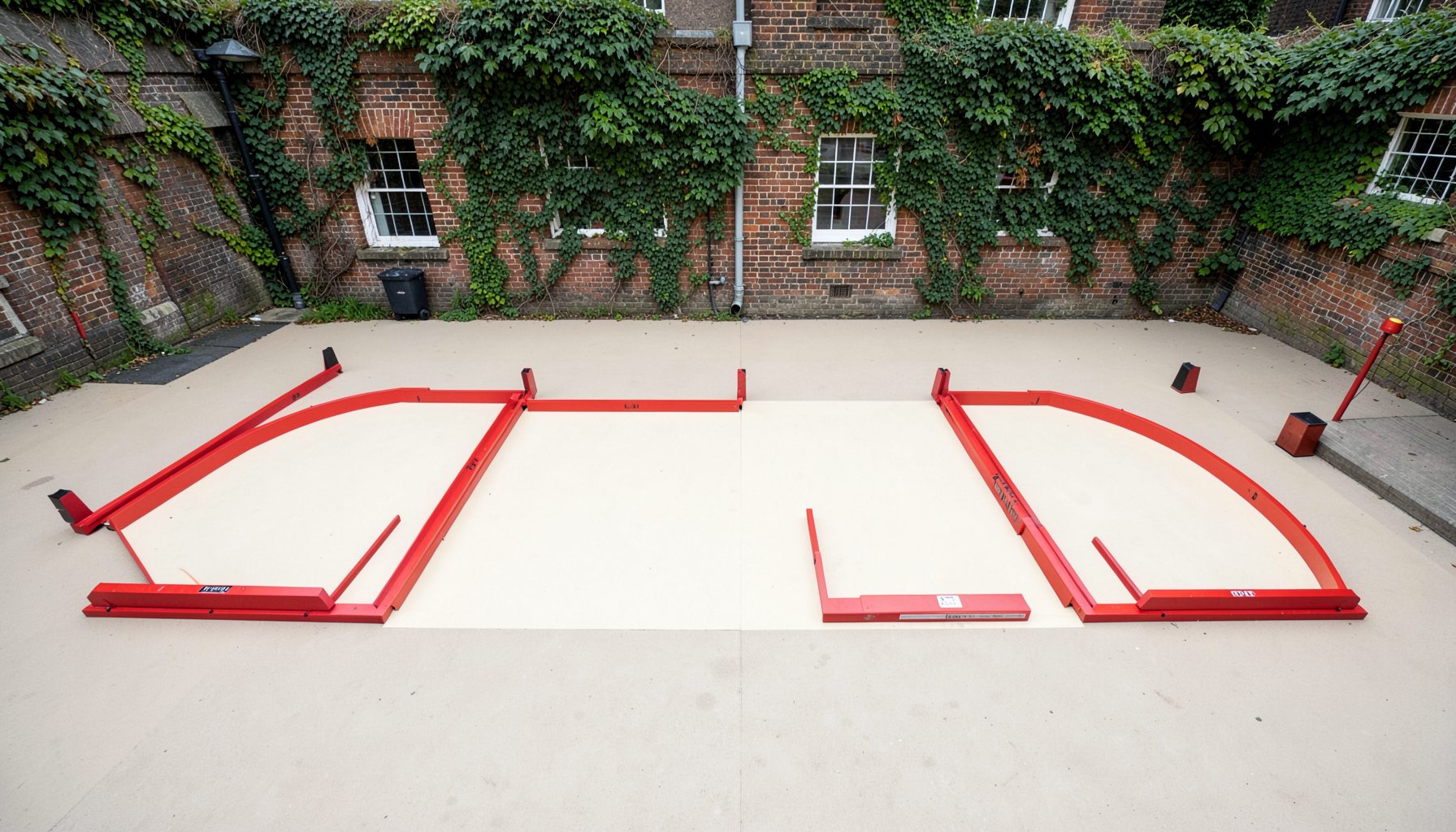
A court gave the game a physical presence. Unlike a temporary field, it could remain available through winter, making it suitable for Scotland’s cold, wet conditions. It also created a meeting place for different age groups. Older pupils could coach younger players, teachers could arrange house matches, and former pupils could return for fixtures or informal games.
Edinburgh And The Wider Network
Edinburgh has played a central role in Scottish Fives because it combined accessible schools, sporting clubs and transport links. Players could travel to English competitions, while English visitors could reach Scottish courts for matches and social tournaments. These exchanges helped preserve common rules and playing standards across the United Kingdom.
The sport’s network was never limited to a single city. Scottish schools in other regions contributed players and occasional venues, even when their courts were less frequently used. Local enthusiasm could rise or fall with changes in staffing, building redevelopment and school priorities. A committed teacher might sustain a strong programme for years; when that person left, fixtures could become irregular.
This pattern explains why the Scottish record can appear uneven. Rugby Fives did not have the same newspaper coverage or commercial profile as rugby union, tennis or golf. Its history is found in personal recollections, school archives, club results and the continued existence of courts. Each source adds a small piece to a broader account of sporting life in Scotland.
Clubs, Competitions And Volunteers
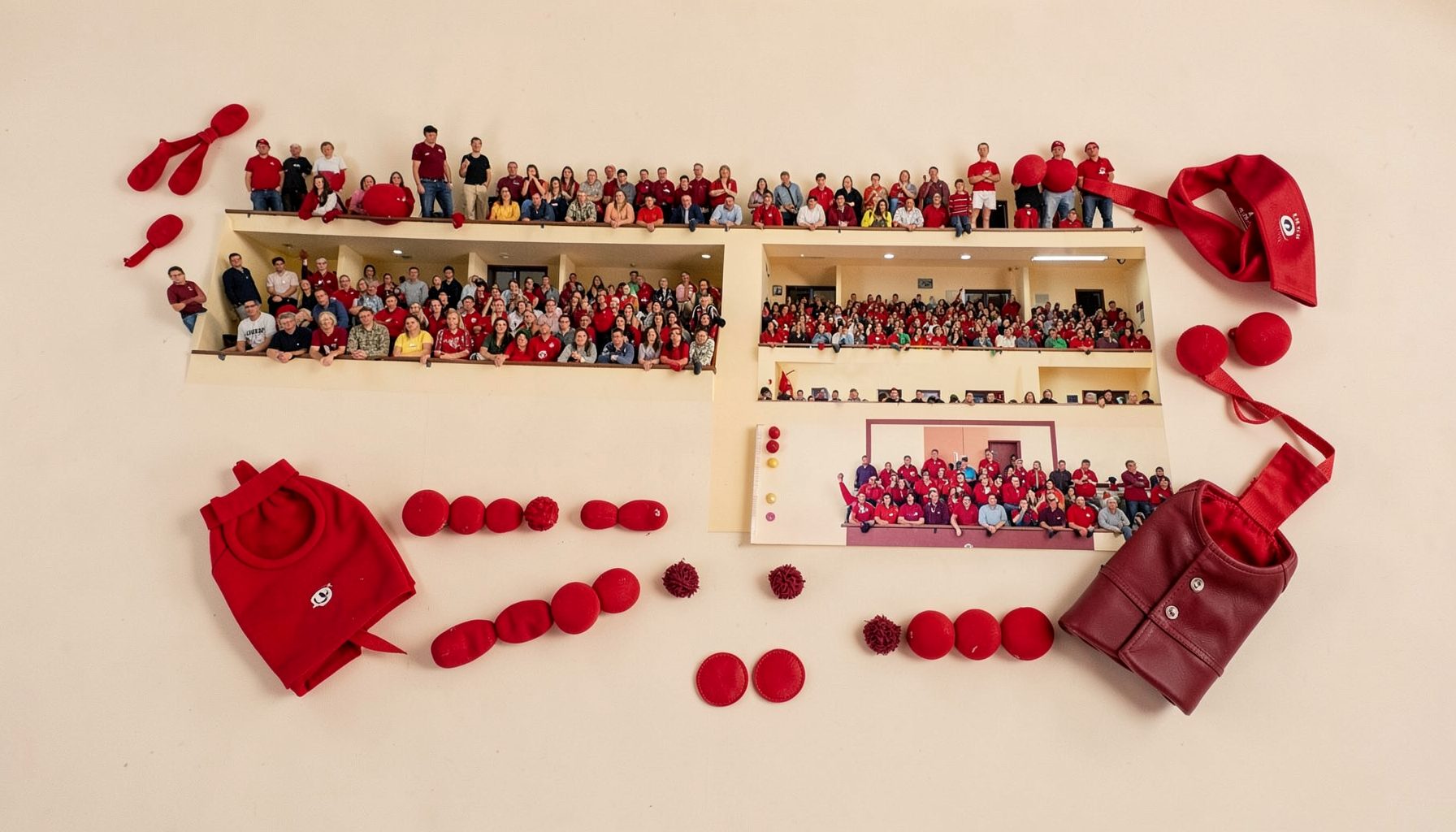
During the twentieth century, organised Fives depended heavily on clubs and volunteers. Players arranged matches, kept scores, maintained equipment and travelled to tournaments. National and regional events gave the sport a competitive structure, while school competitions introduced new generations to the game.
Scottish players have participated in wider Rugby Fives championships and open tournaments, meeting opponents from England and other parts of the United Kingdom. These occasions mattered beyond the results. They allowed players to compare styles, confirm rules, identify promising juniors and keep contact between isolated courts.
Volunteer administration has remained especially important in a small sport. Fixtures, rankings and historical results need careful recording, particularly when players compete across borders. The Rugby Fives Association provides a national framework for this work, supporting competitions, coaching, school development, clubs and the preservation of records connected with the game.
Change In The Modern Era
Scottish Fives has faced familiar pressures affecting many traditional school sports. Historic courts may need expensive repairs, while schools must balance specialist facilities against broader demands for basketball, football, fitness and indoor recreation. Urban land values can make replacement difficult when an old court is removed or a school campus is redeveloped.
At the same time, modern communication has made it easier for Scottish players to stay connected. Results, fixtures, coaching information and tournament announcements can reach players who live far from established centres. Digital archives also offer a way to bring together material previously held by schools, families and individual competitors.
The future of the game rests on making its heritage useful rather than treating it as a museum piece. Historic courts can attract interest, but beginners also need welcoming sessions, clear coaching and regular opportunities to play. Junior events, women’s competitions, disability-inclusive formats and community partnerships can broaden the Scottish playing base.
Lessons For Australia
For Australian readers, Scotland’s experience offers a practical comparison. Rugby Fives can fit naturally into a country where schools already value structured after-school sport, yet the climate and facility mix are different. In Melbourne, indoor courts are valuable during winter rain and colder mornings; in Sydney and Brisbane, they can provide reliable activity when outdoor programmes are disrupted by heat or storms.
The local market is also different. A school considering a Fives court may need to compare construction and maintenance costs with multipurpose indoor facilities that support futsal, basketball or volleyball. Existing handball, squash or racquet-sport spaces may offer useful models, while partnerships between schools and community clubs could make a specialist court more viable.
Australian participation programmes must also reflect local safeguarding requirements. Coaches working with children may need the relevant Working with Children Check, and providers should align their policies with state or territory child-safe standards. The Disability Discrimination Act 1992 and inclusive sport expectations reinforce the need for accessible pathways, suitable coaching and fair participation.
Everyday habits can help the sport grow. Families in Melbourne, Sydney and Perth often organise activity around school pick-up, weekend fixtures and long travel distances, so short beginner sessions and reliable online scheduling matter. Links with the Australian Sports Commission, school sport networks and established rugby communities could introduce the game without pretending that Australia has the same historic court network as Scotland.
Scotland’s story shows that a small sport can endure when people protect its records, use its buildings creatively and welcome new players. Explore the Rugby Fives Association’s fixtures, championships, coaching and historical resources, then connect your school, club or community group with the wider Fives network. Supporting a session, preserving a court or introducing one young player helps carry this distinctive sporting tradition into its next chapter.