



The history of Rugby Fives in Wales
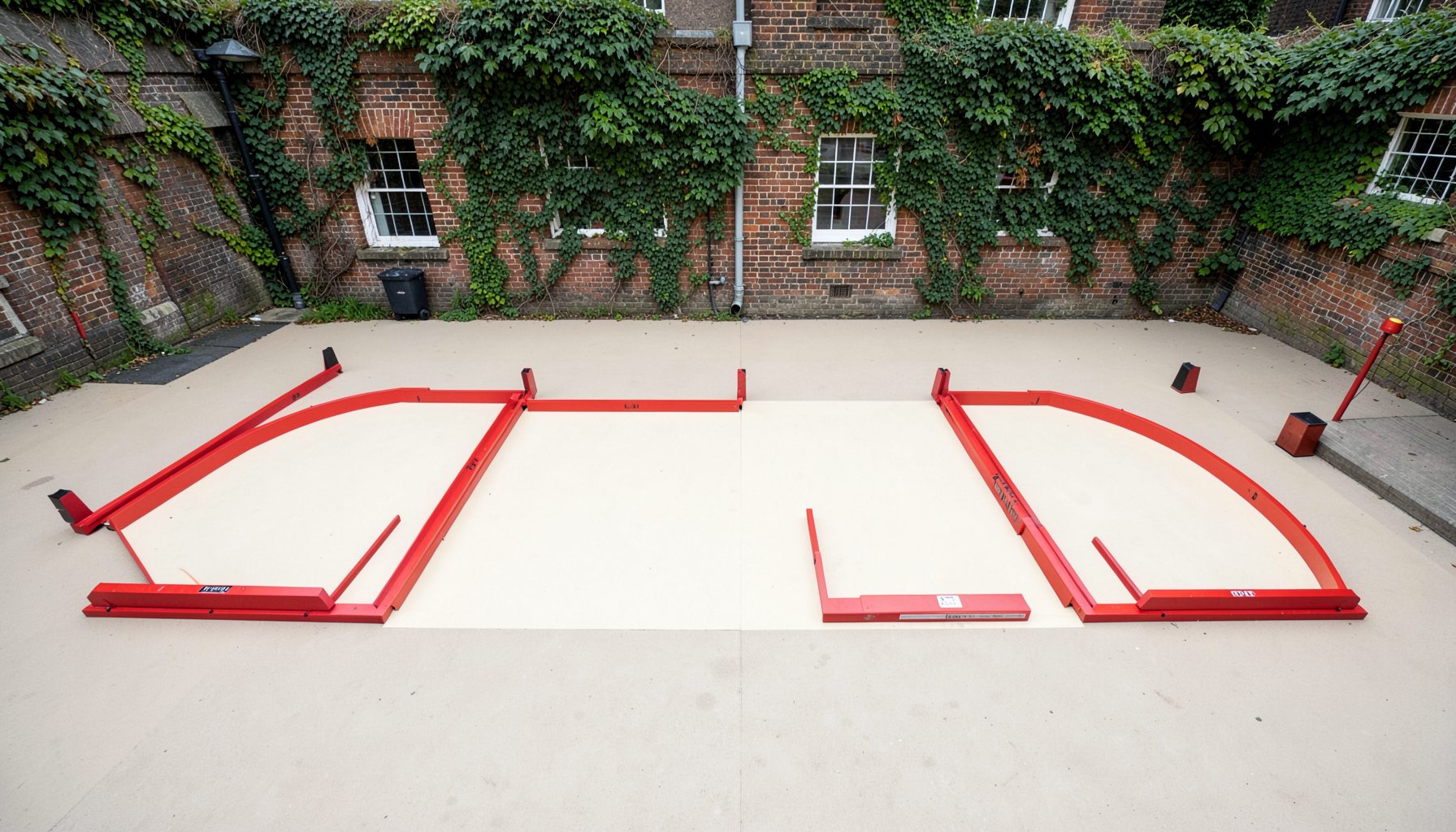
Rugby Fives is a handball game shaped by schoolyards, distinctive courts and generations of informal coaching. Players strike a small ball with a gloved hand against the front wall, using angles, speed and tactical placement rather than a racquet. Its history is closely associated with Rugby School in England, yet Wales has played an important part in preserving and adapting the game.
Welsh sporting culture provided fertile ground for Fives. Schools, colleges and community clubs have long valued compact sports that can be played in winter, require limited equipment and reward regular practice. A court beside a boarding house or school gym could become a meeting place for pupils, teachers, former students and local players.
For an Australian audience, the game may feel familiar through its relationship to squash, handball and other wall-based sports. It also fits habits common in Sydney, Melbourne, Brisbane and Canberra, where people often look for short before-work sessions, Saturday competitions and activities that can continue throughout the school year.
The Welsh story is therefore more than a record of where courts were built. It reflects changes in education, transport, leisure, public health and club organisation. It also shows how a small sport can survive when committed players maintain fixtures, teach beginners and protect the memories attached to historic courts.
From Rugby School to a wider British game
The modern form of Rugby Fives developed at Rugby School during the nineteenth century. Its name comes from the school, where pupils played a handball game against a wall near the chapel. The rules gradually became more consistent, and the sport spread through former pupils, teachers and schools connected to the English public-school network.
The game suited institutions with strong traditions of house matches and alumni competition. A court required a substantial initial investment, but once constructed it could support years of practice with very little equipment. This helped Fives travel beyond its original setting, especially through boarding schools and universities.
The sport’s character was also attractive to educators. It developed fitness, reactions, balance and spatial awareness, while doubles play encouraged communication. Welsh schools with links to English schools could adopt the game without needing a large playing field or a costly collection of specialist gear.
How Fives found a place in Wales
The arrival of Rugby Fives in Wales was connected to the growth of the Welsh grammar-school and independent-school systems. Pupils and staff moved between schools, universities and professional communities, carrying knowledge of the court and its rules with them. In several Welsh institutions, the game became part of the school’s distinctive sporting identity rather than a mass participation activity.
Historic and surviving courts associated with Welsh schools demonstrate this pattern. Places such as Christ College Brecon, Llandovery College and Monmouth School are commonly linked with the Welsh Fives tradition, although the condition and use of individual courts have changed over time. Some facilities have disappeared, while others remain valuable evidence of how the sport was taught.
Universities and former pupils helped extend the network. A student who learned Fives at school could introduce it to friends, return for alumni matches or support a local club. These informal links mattered in Wales, where towns and valleys often maintained strong connections through schools, chapels, workplaces and sporting associations.
School sport, identity and local competition
For much of its Welsh history, Rugby Fives depended on schools more than commercial leisure centres. The school calendar provided regular rhythms: training during term, house competitions, annual matches and fixtures against nearby institutions. Teachers often acted as organisers, referees and coaches, while older pupils introduced younger players to the court.
This arrangement created a distinctive sporting culture. Fives was competitive, yet it was also social and intergenerational. Former pupils could return for matches, and a court could remain active even when the wider school changed its sporting priorities. Welsh geography helped preserve local identity, with communities supporting institutions that had served them for decades.
In Australia, a similar school-based pathway could connect Fives with established co-curricular sport. A court near a Melbourne independent school or a university precinct in Sydney could support lunchtime practice, term competitions and alumni events. Any programme would need to fit state child-safety requirements, including Working With Children Checks where coaches or volunteers work with minors.
| Feature | Welsh tradition | Australian opportunity |
|---|---|---|
| Main setting | Schools, colleges and alumni clubs | Schools, universities, community courts and racquet-sport venues |
| Playing pattern | Term-time fixtures and historic rivalries | Before-work sessions, Saturday leagues and school-term programmes |
| Equipment | Specialised court, ball and hand protection | Shared equipment, introductory coaching and court-hire models |
| Community value | Links between pupils, former pupils and local institutions | Inclusive participation across suburbs, campuses and clubs |
| Administration | Clubs, fixtures, rankings and national coordination | State-based safeguarding, venue rules and community-sport partnerships |
A sport tested by changing leisure habits
The twentieth century brought pressure to many traditional court sports. Schools faced competition from football, rugby union, cricket, athletics and newer indoor activities. Building maintenance became more expensive, and some courts were converted, neglected or used less frequently. When a teacher or enthusiast left, a local Fives tradition could weaken quickly.
Changing leisure habits also played a role. In Wales, the expansion of television, motor travel and organised weekend sport altered how young people spent their free time. In Australia, comparable pressures can be seen in crowded school calendars, long commuting distances in cities such as Perth and Brisbane, and the popularity of gym-based training and electronic entertainment.
The decline was never uniform. A school might stop entering formal fixtures but continue recreational games. A court might be quiet for several years before former players revived it. This uneven pattern makes the history of Welsh Fives a mixture of documented competitions, surviving buildings and oral memories passed between players.
Preservation and modern revival
The Rugby Fives Association has helped give the sport a national framework through championships, tournaments, coaching, school development and recorded results. This work matters to Wales because it connects isolated traditions with a wider playing community. Rankings and fixtures create reasons to travel, while historical records help identify courts, clubs and important Welsh contributors.
Revival also depends on making the first experience approachable. Beginners need clear instruction in serving, returning and moving safely on a compact court. They may also need reassurance that the sport welcomes different ages and abilities. In Australia, a club could use short introductory sessions after work, followed by social doubles and graded competition rather than expecting newcomers to enter a demanding championship immediately.
Community sport organisations often study different ways of making participation sustainable. For example, the practical thinking behind a community fitness franchise illustrates how structured sessions, consistent branding and local operators can help an activity reach new participants. Rugby Fives would still require its own coaching standards and governance, but the principle of making regular sessions easy to find is relevant.
Digital communication has strengthened this revival. A Welsh player can locate a fixture, contact a club or watch technical demonstrations without relying entirely on personal introductions. That accessibility is especially useful for Australian players, who may be separated from the established British playing centres by distance and limited local provision.
What the Welsh story means for Australia
Wales offers a useful model for growing a small sport: start with a committed school or club, protect the court, record the fixtures and create opportunities for former players to return. The game does not need a huge participant base to have a strong culture. It needs continuity, visible pathways and people willing to teach the next group.
Australian clubs could build on existing racquet-sport habits. Court users in Sydney and Melbourne are already familiar with booking systems, coaching blocks and social ladders. In regional areas, a school hall or university facility may provide a practical base. Programmes should account for local heat, travel and venue availability, especially in Queensland and Western Australia, where indoor scheduling can make regular activity more comfortable.
Governance must be equally practical. Clubs working with children should follow the relevant state or territory safeguarding rules, maintain appropriate insurance and use trained coaches. Clear policies support trust, while inclusive sessions can welcome women, older players, people returning to sport and participants who have never played a wall game before.
The history of Fives in Wales shows that heritage is most valuable when it leads to participation. A historic court can be preserved as a building, but its sporting meaning survives when people play on it, organise matches and invite newcomers through the door.
The Rugby Fives Association provides the connection between history and action. Explore its competitions, coaching opportunities, school programmes and club network, then help bring the Welsh tradition into new communities—from a college court in Cardiff to a developing session in Sydney, Melbourne or beyond.