



The History Of The Rugby Fives Association’s Charitable Work
Rugby Fives has always depended on people who give their time, knowledge, and energy to keep the game active. Courts must be maintained, fixtures arranged, young players encouraged, and rules preserved. The Rugby Fives Association has brought these responsibilities together while serving as the UK’s national governing body and a registered charity.
Its charitable role has developed alongside the sport itself. Early efforts centred on keeping clubs connected and competitions running. Over time, that practical work expanded into coaching, school outreach, community participation, player development, and the preservation of Rugby Fives history.
The story is therefore larger than fundraising. It is a history of widening access to a distinctive English racquet sport and ensuring that its traditions remain useful to future generations.
Origins In A School Sport
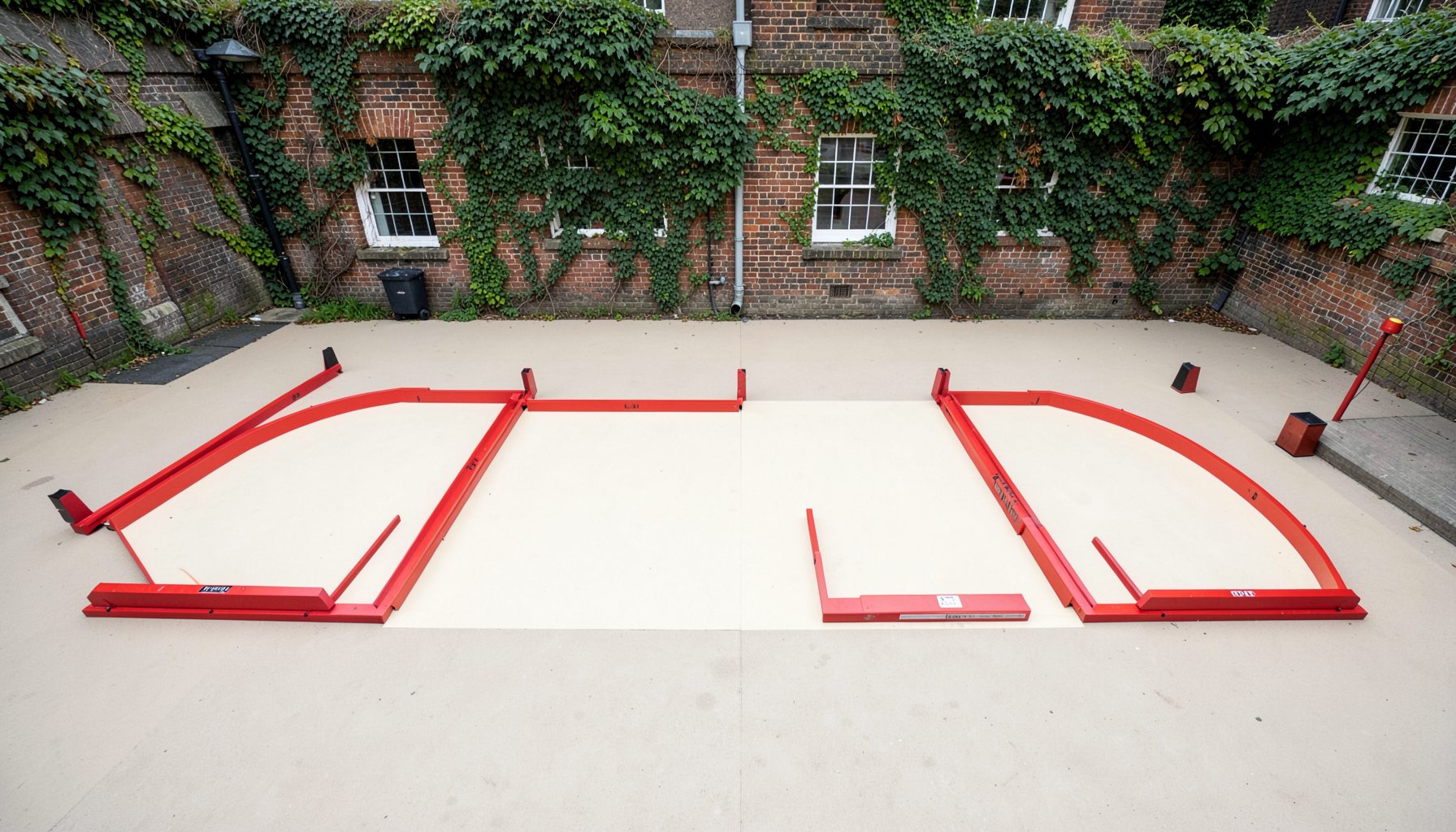
Rugby Fives developed from the handball games played against walls at Rugby School. Its court, four-wall layout, and emphasis on touch, movement, and anticipation created a sport that could be played with limited equipment. As former pupils and enthusiasts carried the game elsewhere, independent courts and clubs began to form.
The growth of a national sport required more than individual enthusiasm. Players needed reliable rules, recognised competitions, shared standards, and opportunities to meet opponents beyond their own club. The association emerged to provide that structure, helping Rugby Fives move from a collection of local traditions towards an organised national activity.
This early coordinating function had a charitable character even before modern community-sport language became common. Volunteers supported fixtures, introduced newcomers, and kept courts in use. Their work protected a sporting culture that might otherwise have remained confined to a small number of schools and established clubs.
Building A National Network
As the number of players and venues increased, the Rugby Fives Association became a point of connection for clubs, schools, coaches, officials, and volunteers. Competitions and championships gave players a clear pathway from local matches to national recognition, while tournaments created regular occasions for the wider community to gather.
Maintaining a fixture programme is a substantial service. It involves communication, scheduling, results administration, rankings, regulations, and the resolution of practical problems. Much of this work is unseen by spectators, yet it gives the sport consistency and makes participation more rewarding for players at every level.
The association’s charitable contribution has also involved supporting clubs that may not have the resources of larger sporting organisations. Guidance, shared information, coaching contacts, and national promotion can help a small venue remain visible and viable. In this way, administration becomes a form of sporting development.
From Administration To Public Benefit
The association’s registered charity status reflects a broad public purpose: encouraging participation, improving access to sport, supporting education, and preserving a valuable sporting heritage. Its work connects competitive achievement with the wider benefits of physical activity, social contact, confidence, and lifelong engagement.
This purpose has evolved as expectations of governing bodies have changed. A modern national association must consider how children encounter the game, how adults return to it, how beginners are welcomed, and how clubs can become more inclusive. The emphasis is on creating sustainable opportunities rather than simply staging an annual championship.
The following phases show how the association’s charitable work can be understood across its development. The boundaries are not rigid; many activities continue across every period.
| Period Of Development | Main Focus | Wider Benefit |
|---|---|---|
| Early association years | Connecting clubs, agreeing standards, and arranging fixtures | Gave a scattered sport a shared identity |
| Expansion of organised competition | Championships, tournaments, rankings, and results | Created progression and recognised sporting achievement |
| Stronger development role | Coaching, school links, and player support | Introduced new participants and built skills |
| Contemporary charitable work | Inclusion, community outreach, heritage, and sustainable clubs | Extends participation and protects the sport’s future |
Schools, Coaching, And Inclusion
School programmes are among the most important ways the association can extend Rugby Fives beyond its traditional base. Young people can learn the sport’s basic skills in a structured environment, often discovering that its compact court rewards intelligence and positioning as much as physical power.
Coaching gives that first experience a pathway. Qualified or experienced coaches can explain movement, striking technique, court awareness, and match etiquette in ways that make the game accessible. They also help teachers, parents, and volunteers feel more confident about supporting new players.
Inclusive participation has become an increasingly important part of this work. The association can encourage opportunities for different ages, abilities, backgrounds, and levels of experience, while helping clubs create welcoming environments. A sport grows sustainably when beginners are valued alongside experienced competitors and when entry routes are clear.
Community outreach extends the same principle beyond schools and established clubs. Demonstrations, open sessions, local partnerships, and beginner events can introduce Rugby Fives to people who may never have encountered it. These activities strengthen the connection between the court and the communities around it.
Preserving Records And Volunteer Knowledge
A national governing body carries responsibility for the sport’s memory. Results, rankings, fixtures, championship winners, club histories, photographs, rule changes, and personal recollections all contribute to an archive that gives Rugby Fives depth and continuity.
Historical records also have a practical value. They help players understand the significance of competitions, allow clubs to celebrate their own past, and connect current participants with earlier generations. A young player who sees a club’s long history may feel part of something larger than a single season.
Volunteers are central to preserving this continuity. They organise matches, maintain websites and records, support coaching sessions, manage events, and represent clubs. The association’s charitable work depends on this culture of service, where knowledge is passed between generations rather than lost when one organiser steps away.
Recognising volunteer contribution is therefore part of protecting the sport. Clear information, shared administration, training, and opportunities to take responsibility can make volunteering more sustainable. They also distribute the work fairly across the national network.
Practical Ways To Strengthen The Mission
The history of the Rugby Fives Association shows that charitable impact comes from many connected actions. A donation can help, but so can time, expertise, advocacy, or a willingness to bring another person to the sport.
Clubs, schools, players, and supporters can contribute in practical ways:
- Introduce Rugby Fives through a school session, open day, or community event.
- Volunteer at competitions, coaching activities, administrative projects, or local club sessions.
- Support court maintenance, equipment provision, and access initiatives through fundraising or donations.
- Share accurate results, photographs, and memories to strengthen the national archive.
- Encourage beginners and returning players by offering patient guidance and a clear route into regular participation.
These actions reflect the association’s long-standing purpose. They keep courts active, make participation more welcoming, and ensure that the sport’s heritage remains connected to its future rather than preserved only as a historical record.
Carry The Work Forward
The charitable history of the Rugby Fives Association is ultimately a history of stewardship. Successive generations have inherited a distinctive sport and accepted responsibility for passing it on in good health. Competition, education, inclusion, volunteer service, and historical preservation are different parts of that same commitment.
Supporters can help shape the next chapter by joining a club, volunteering, attending an event, supporting school activity, or contributing to the association’s charitable work. Every new player, maintained court, recorded result, and shared skill strengthens the national Rugby Fives community.
Explore the Rugby Fives Association’s programmes, fixtures, clubs, and opportunities to get involved, then take an active part in keeping this remarkable sport open, connected, and thriving.