

The History of the Rugby Fives Ball: From Leather to Modern Materials
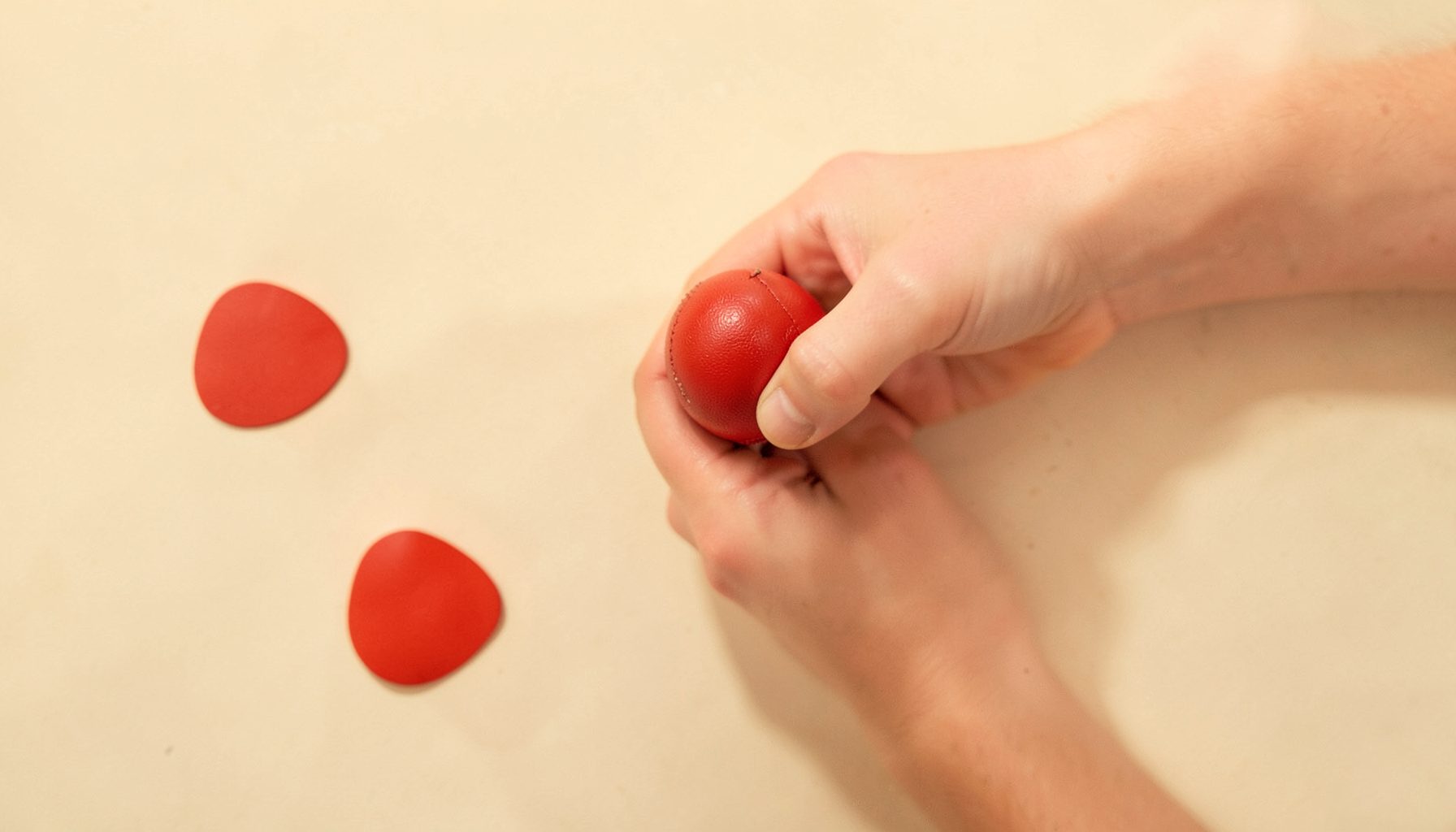
The Rugby Fives ball is small, fast and deceptively demanding. Its size allows it to travel sharply around a court, while its firmness rewards clean striking and exposes any weakness in timing. For generations, the ball has shaped the character of the sport as much as the walls, floor and rules have done.
Its story reflects wider changes in sporting equipment. Early players relied on hand-made leather construction, natural materials and local craftsmanship. Later developments introduced improved stitching, more consistent shaping and synthetic components, helping clubs and schools obtain balls with dependable playing qualities.
The modern ball is therefore more than a piece of equipment. It carries a link between Rugby School’s traditions, the growth of organised competition and the practical needs of today’s players. Understanding that development adds detail to the history of Rugby Fives and explains why ball choice still matters.
From Rugby School Handball To A Distinctive Ball
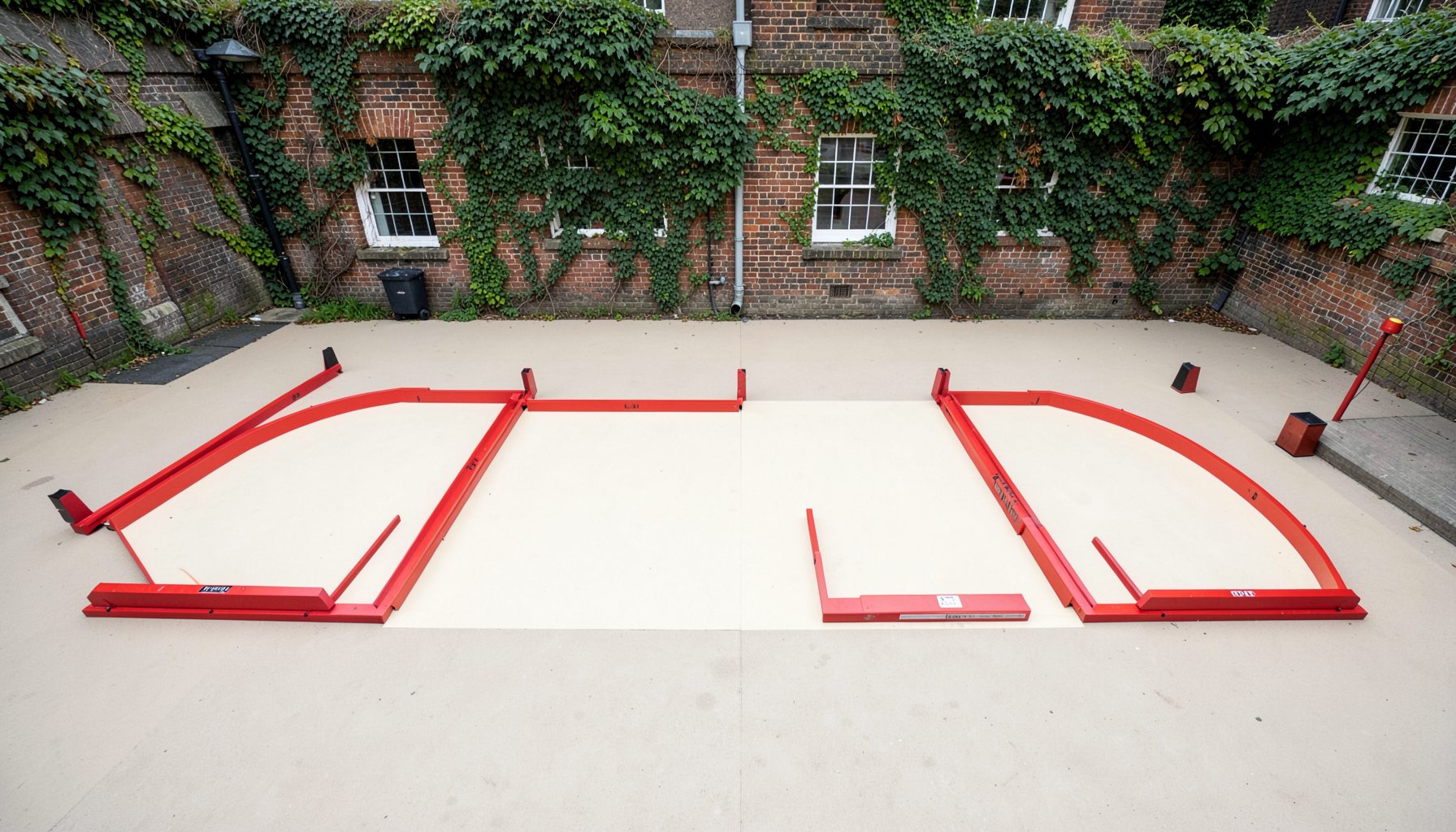
Rugby Fives developed from the handball games played against the walls of Rugby School. The sport took shape during the nineteenth century, when pupils used a court formed by walls, ledges and steps to create a quick contest based on striking and returning the ball. The exact equipment would have varied across periods, but the ball needed to withstand repeated impacts against hard surfaces.
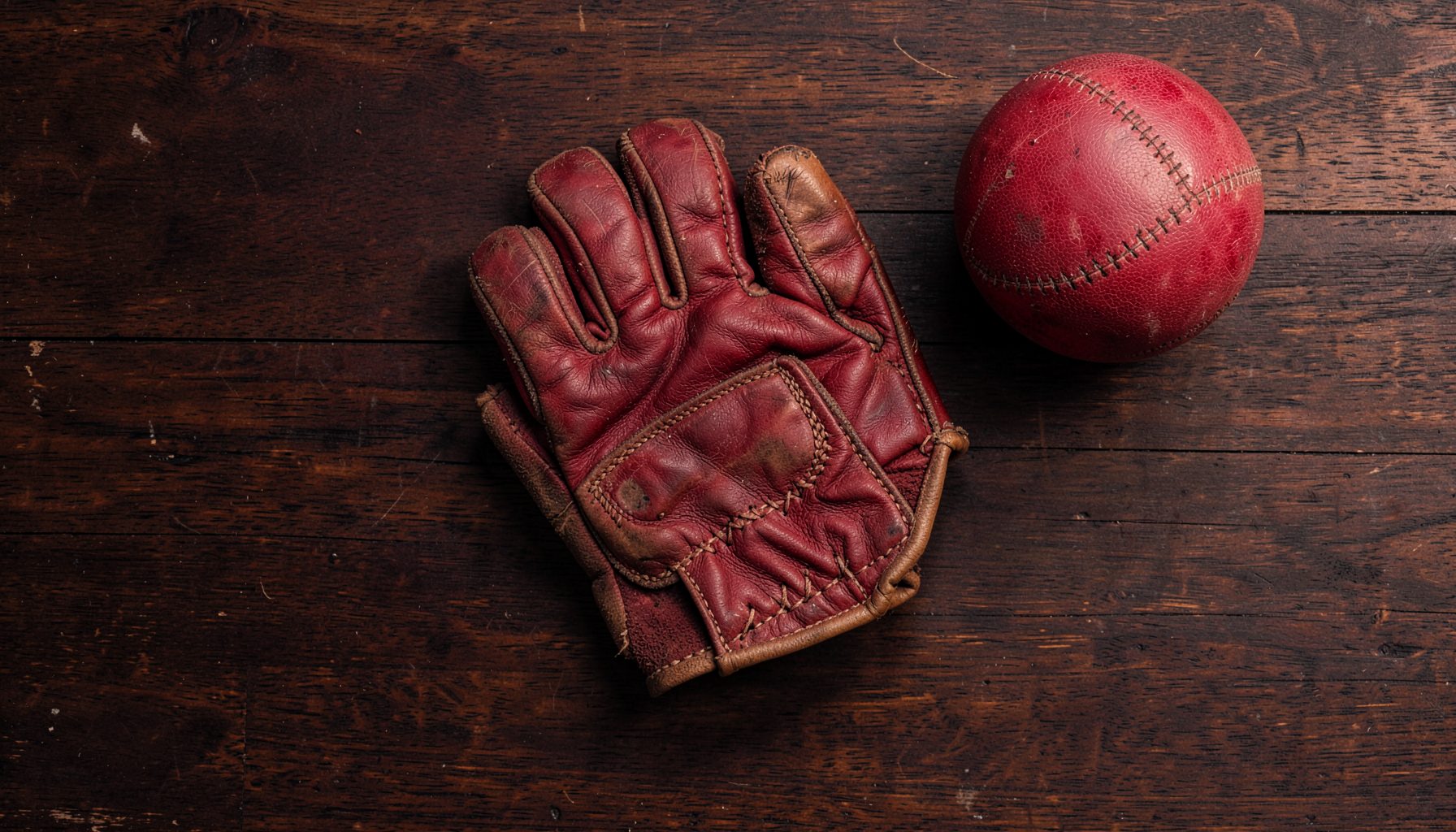
Leather was the natural choice. It was widely used for sporting balls, could be cut and stitched by hand, and offered a strong outer skin around a compact core. A leather ball also changed subtly with use. It softened, absorbed moisture and developed a worn surface, giving regular players a familiar feel that modern manufacturing tries to reproduce more consistently.
Early balls were unlikely to have matched the precision of contemporary products. Differences in hide, stitching, inflation or filling could affect speed, rebound and handling. Those variations were part of everyday sport, although they also made a reliable supply difficult as Rugby Fives expanded beyond its original school setting.
Why Leather Mattered On The Court
Leather gave the ball a combination of toughness and responsiveness suited to Rugby Fives. It could be made firm enough to rebound from the front wall, yet it retained enough surface texture for players to control a strike with the palm or fingers. The material also provided audible feedback: the sound of a clean hit helped players judge pace and contact in a fast rally.
The ball’s behaviour was closely connected to court conditions. A cold or damp ball could feel harder and less lively, while a well-used one might become more flexible. Differences in wall construction and floor finish added further variation. Experienced players learned to adjust their footwork, swing and positioning rather than expecting every ball to behave identically.
This relationship between equipment and technique helped create the sport’s distinctive style. Rugby Fives rewards angles, anticipation and touch, but those skills developed alongside familiarity with a particular kind of ball. The leather cover was therefore part of the game’s tactical identity, not merely an outer layer.
Craftsmanship, Consistency And Competition
As clubs, schools and associations began organising fixtures and championships, consistency became increasingly important. Players travelling between venues needed confidence that the ball used in a match would meet an accepted standard. A ball that was too soft, too heavy or irregularly shaped could change the balance of a contest.
Manufacturers gradually improved the way balls were cut, stitched and finished. Better quality control reduced variation between individual examples, while stronger seams helped the ball survive repeated impacts. These advances did not remove the traditional character of the equipment; they made it easier to preserve that character from one match to the next.
Standardisation also supported coaching and junior development. Beginners can learn more effectively when the equipment behaves predictably, and coaches can explain technique without constantly accounting for major differences in bounce or weight. Reliable balls helped Rugby Fives move from an inherited school game towards a more structured national sport.
| Period | Typical Construction | Playing Characteristics | Main Practical Issue |
|---|---|---|---|
| Early nineteenth century | Hand-stitched leather with variable internal filling | Firm, lively and individual from ball to ball | Limited consistency and weather sensitivity |
| Late nineteenth to early twentieth century | Improved leather panels, seams and finishing | More predictable rebound and better durability | Quality still depended on maker and storage |
| Mid-to-late twentieth century | Refined leather or composite constructions | More uniform weight, shape and grip | Balancing tradition with lower maintenance |
| Contemporary use | Modern leather variants and synthetic materials | Consistent flight, rebound and handling | Selecting equipment suitable for rules and playing level |
The Move Beyond Traditional Leather
The shift towards modern materials was gradual rather than a single transformation. Improvements in rubber, moulding and synthetic coatings gave manufacturers alternatives to a fully natural leather construction. These materials could offer greater resistance to moisture, more stable dimensions and a longer service life under frequent use.
Synthetic materials also addressed practical concerns in schools and clubs. A ball that absorbs less water is easier to maintain, especially when stored in changing conditions. Consistent moulding can reduce irregularities, while engineered surfaces may retain their texture over a longer playing period. These benefits are valuable where equipment is used by many players throughout a season.
At the same time, material changes have to respect the sport’s established feel. Rugby Fives players depend on a ball that reacts quickly but remains controllable. If a modern covering becomes too slick, too soft or excessively springy, it can alter striking technique and rally patterns. Product development has therefore involved compromise: improving durability and reliability without losing the familiar character of a Fives ball.
How Modern Materials Change Performance
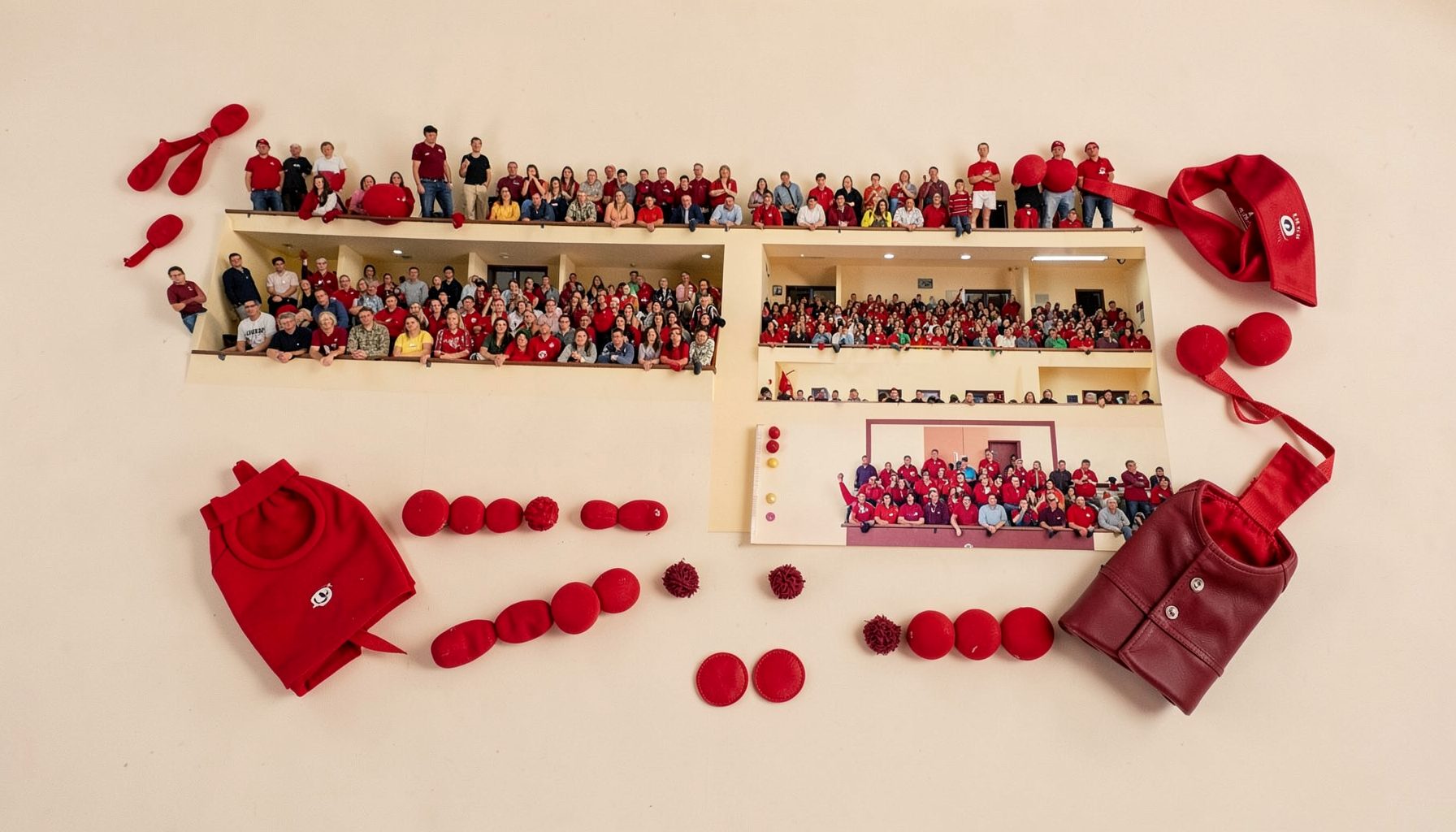
A contemporary ball may use a synthetic outer material, a carefully engineered inner structure or a combination of traditional and modern elements. Each component affects performance. The cover influences grip and contact, the core helps determine firmness, and the construction controls how evenly the ball rebounds from the wall.
Weight and size remain central considerations. A small difference can affect reaction time, passing angles and the force required for a defensive return. Consistent manufacture is especially valuable in competitive play, where players spend years refining movements around predictable equipment. It also helps officials, coaches and organisers maintain a common standard across fixtures.
Modern materials can make maintenance simpler, but they do not make care unnecessary. Balls should be kept clean, protected from excessive heat and stored in suitable conditions. Checking the cover and shape before training or competition helps identify wear early. Good storage extends the usable life of both traditional leather balls and newer synthetic designs.
Preserving Tradition While Supporting The Future
The history of the ball illustrates a wider balance within Rugby Fives. The sport values its links with schools, historic courts and generations of players, yet it must also remain practical for modern clubs and new participants. Equipment that is dependable, available and affordable can make a direct difference to participation.
This is particularly important in school programmes and community outreach. New players need access to suitable balls that do not punish imperfect technique or vary dramatically from session to session. Coaches also benefit from equipment that can withstand repeated use while preserving the key qualities of the sport: speed, precision and intelligent movement.
The Rugby Fives Association helps connect this equipment story with the wider life of the game. Competitions, coaching, rankings, historical records and club activity all depend on shared standards and a clear understanding of the sport’s traditions. The ball may be small, but it sits at the centre of every rally and every opportunity to pass Rugby Fives on to another generation.
Choosing And Caring For A Fives Ball
Players and organisers should consider the intended use before selecting equipment. A championship match, regular club session and introductory school lesson may place different demands on durability, feel and cost. The most suitable ball is one that matches the recognised playing requirements while remaining comfortable and dependable for its users.
Useful habits include:
- Use a ball suited to Rugby Fives rather than substituting equipment from another court sport.
- Check its shape, cover, seams and firmness before important matches.
- Store balls in a cool, dry place away from direct sunlight and damp conditions.
- Clean the surface according to the manufacturer’s instructions, avoiding harsh treatments.
- Replace balls when wear begins to affect their rebound, grip or structural integrity.
The development from stitched leather to modern materials has not erased the identity of the Rugby Fives ball. It has refined a piece of equipment that must survive hard walls, rapid rallies and years of play while preserving the sensations that make the sport distinctive.
Explore the Rugby Fives Association’s competitions, coaching opportunities, historical resources and local activities, then experience the ball’s story where it matters most: on court, in play, and shared between players.