



Rugby Fives Nationals and the making of a national game
Rugby Fives Nationals form the season-ending championship programme at the centre of a distinctive British indoor sport. They bring together open, women’s, mixed and other divisions, turning regular club and school competition into a shared national occasion. The Rugby Fives Association now administers the programme as the UK governing body and a registered charity.
The story of the Nationals is more than a sequence of winners. It traces the growth of Rugby Fives from adapted school games and local club leagues through wartime interruption, postwar renewal and the modern digital record. It also shows how a volunteer-led amateur competition became a durable pathway for players, coaches and communities.
From French courts to British schools
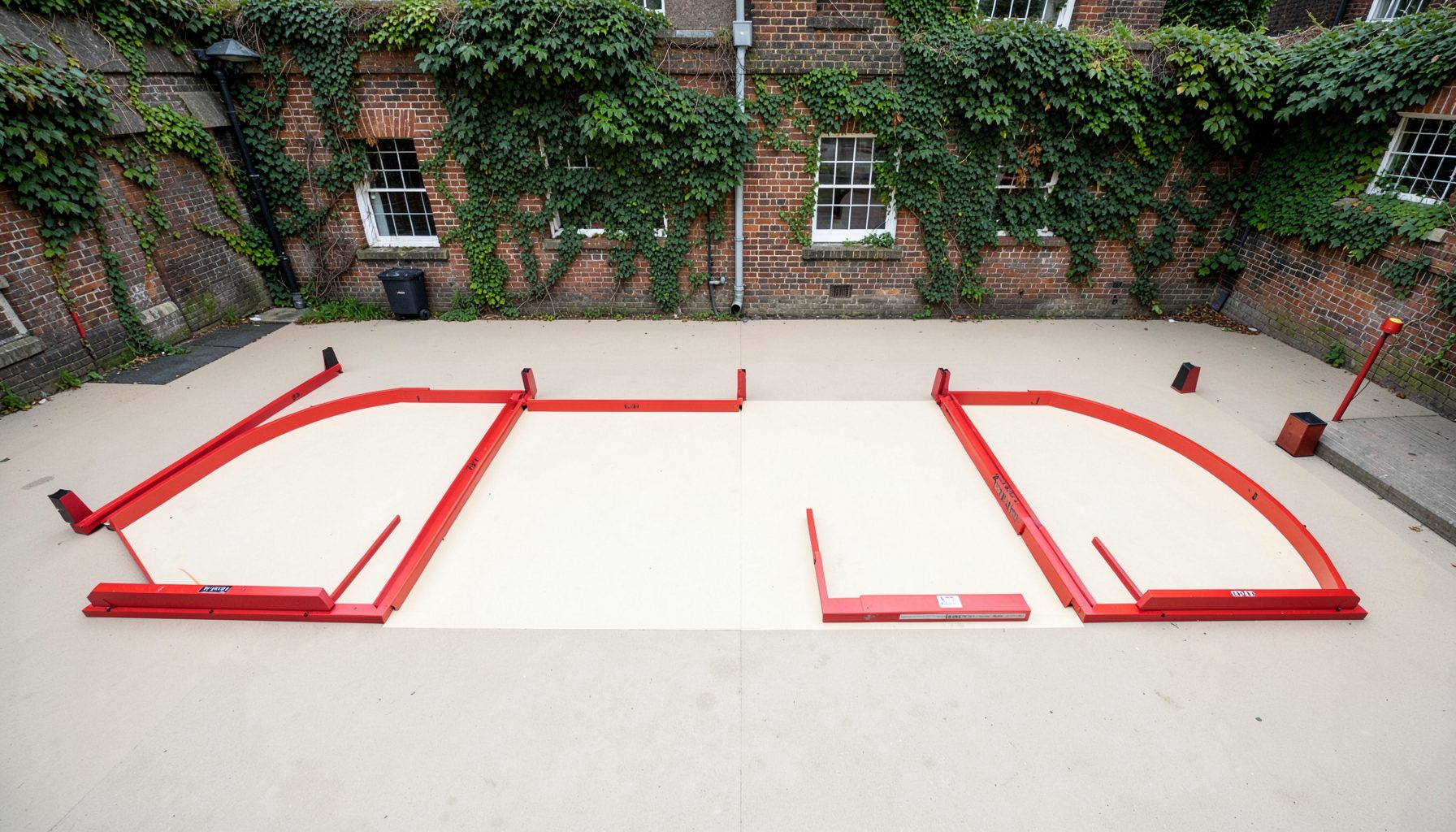
Rugby Fives began in France in the early twentieth century, with Albert Thuillier widely credited as its inventor. Teachers and educational links carried the game to Britain, where it was reshaped for enclosed courts and the country’s strong school and university sporting traditions. Early sides developed through house matches, alumni fixtures and informal club contests before organisers agreed common laws.
The British Amateur Fives Association, founded in 1931, gave that scattered activity a formal structure. Its work connected local associations, schools and clubs while encouraging regular fixtures and championship standards. This is the foundation of the Nationals: the national meeting grew from an existing culture rather than appearing as a single sudden tournament.
Building a championship tradition
By the early championship era, local cups, county competitions and inter-school matches supplied much of the sport’s competitive life. National finals then offered a clear peak, with leading sides meeting over a concentrated weekend. Moving the event between hosts widened its identity and gave local volunteers a national role beyond arranging league games.
Consistency came from the championship roll of honour, published results and a settled fixture calendar. These records let supporters distinguish a National champion from a local cup winner and connect generations of players to clubs that might otherwise have disappeared from view. The final also offered a showcase for schools, universities and community sides operating outside the major rugby leagues.
War years and postwar renewal
The two world wars reduced the space in which the championship could develop. School and university sport lost participants and competition was interrupted or simplified, while volunteer travel and facilities were scarce. The gap in the narrative matters because it shows how dependent early Rugby Fives was on education, club networks and people able to organise fixtures in ordinary working life.
After 1945, renewed interest brought former players back to organised sport and encouraged new clubs to use indoor venues. Local leagues became more dependable, coaching standards improved, and junior work strengthened the pipeline. The Nationals gradually returned as the national answer to a busy local fixture list, carrying the continuity of the code into a more organised postwar era.
| Era | National competition shape | Lasting significance |
|---|---|---|
| Early foundations | School, university and local club contests | Established the playing culture and first rivalries |
| 1930s association era | BAFA-linked championships and a growing fixture calendar | Created greater consistency and formal records |
| Wartime years | Reduced activity and irregular competition | Exposed the sport’s reliance on schools and volunteer networks |
| Postwar expansion | Restored local leagues feeding national finals | Strengthened clubs, coaching and junior participation |
| Modern RFA programme | Coordinated open, women’s, mixed and age-group events | Connected rankings, results and community pathways |
A wider game within the Nationals
As participation broadened, the national programme reflected a wider competitive base. Women’s events, mixed pairs, veterans’ contests and age-group competitions have featured alongside the open championship, with the exact programme varying by season. These categories give established players new roles, welcome families and help clubs retain members when they can no longer enter an open side.
School programmes and community outreach are just as important as the finals themselves. The RFA supports coaching, links clubs with schools and encourages inclusive participation, reflecting the sport’s origin in institutions where codes, generations and social backgrounds could meet. This work feeds the Nationals by creating players who see Rugby Fives as a regular club activity rather than a short-lived school experiment.
The RFA and a modern national programme
The modern association was established in 2006, bringing together the British Amateur Fives Association and the National Fives League under the Rugby Fives Association name. That consolidation connected the championship tradition with a single national structure for fixtures, rankings, results and governance. The change gave clubs and volunteers a clearer route from local competition to representative honours.
Digital administration has changed how the Nationals are followed. Results and historical records can now be consulted across seasons, helping players check form, clubs prepare opponents and supporters understand the pathway into finals. Behind that visible convenience sits continued volunteer work: arranging courts, officials, hospitality, safeguarding and event delivery, especially important for an amateur governing body.
Reading the champions and the archive
The championship archive reveals long-running club traditions alongside notable individual achievements. University sides have added competitive energy, community clubs have supplied continuity, and schools have provided many of the earliest names in the record. Because the sport is played in a compact indoor arena, different styles can develop around speed, handling and tactical awareness.
Women’s and mixed achievements are equally significant, since they mark the widening of access that transformed a male-dominated early structure. Historical records are useful, but they should also be read as maps of opportunity: which clubs entered, which competitions operated, and whether a player’s achievement travelled beyond the host town. The RFA archive preserves that wider story rather than only the winning margin.
A continuing game for Australian supporters
For Australian readers, the strongest comparison is with the country’s dense club-sport network rather than with rugby union or league alone. Sydney, Melbourne and Brisbane all support large indoor and community-sport markets, often with rugby, touch rugby, futsal, netball and cricket sharing facilities. Rugby Fives could fit naturally into those multi-use club environments.
Australian school and community culture also makes the RFA’s coaching and outreach model familiar. Junior pathways, parent volunteers, local sponsors and the familiar post-match barbecue can turn a final into a social event as well as a contest. The main sporting adjustment is seasonal: a British National Final held around March lands near the end of the Australian summer and the start of the southern footy season.
The Australian market for small-sided indoor football also suggests room for a distinctive product, but promotion should respect Fives’ own identity. Clear beginner clinics, mixed and women’s fixtures, and links with established clubs would lower the first barrier for newcomers. Once players understand the enclosed court and the Rugby Fives laws, familiar sporting instincts take over.
Follow the Rugby Fives Association’s fixtures, results and historical archive; share the story of past champions with clubs and schools; and support the people who keep the Nationals possible. Whether by joining a session, volunteering, sponsoring a team or promoting an event, participation can extend a century of amateur competition into its next chapter.