



The History of Women’s Rugby Fives in the United Kingdom
Women’s Rugby Fives has developed from a largely school-based pastime into a recognised part of Britain’s court-sport tradition. Its story follows wider changes in women’s education, access to sporting facilities, coaching, competition and leadership. The game’s progress was rarely driven by a single event. It grew through teachers, university players, clubs, volunteers and determined groups of women who kept turning up to play.
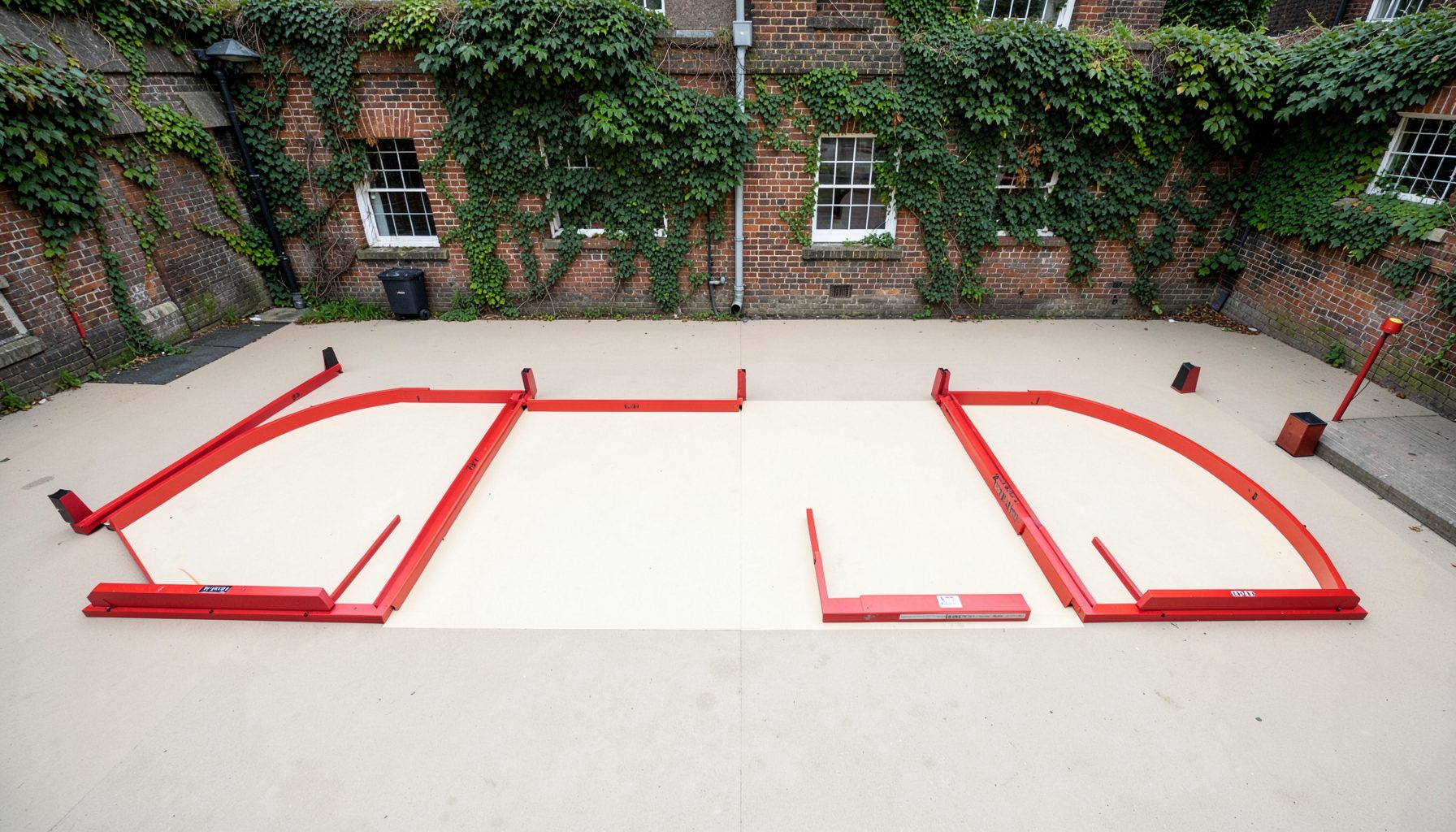
Rugby Fives is a fast handball game played against the walls of a small court, usually by singles or pairs. Players strike a leather or synthetic ball with a gloved hand, using angles, pace and movement rather than a racket. The compact court makes the sport intense and highly social, while its relatively simple equipment allows schools and clubs to build participation without the costs associated with many larger sports.
For Australian readers, the history offers a useful comparison with local court games and school sport. A player in Melbourne or Sydney may be familiar with squash, four-wall handball or indoor training, yet Rugby Fives remains much less visible in Australia than cricket, AFL, netball, rugby league or tennis. Understanding how women’s participation was built in the United Kingdom shows how a small sport can survive and expand when its records, venues and community are carefully maintained.
From Rugby School To A Wider Game
The roots of Rugby Fives lie at Rugby School in Warwickshire during the nineteenth century. The game developed from handball traditions played against a church wall and other solid surfaces. By the Victorian period, purpose-built courts and agreed playing customs gave the sport a recognisable identity. Its early institutional setting meant that it was closely associated with boys’ education and the public-school network.
That background shaped the sport’s first century. Courts appeared at schools, colleges and military institutions, while fixtures connected players across the country. The Rugby Fives Association eventually became responsible for promoting rules, competitions and records, helping preserve a national structure for a game that could otherwise remain scattered among individual schools. Women were often present in educational and sporting communities, but access to the courts and formal competitions was uneven.
The physical design of the court also influenced the culture of the game. A match requires quick reactions, controlled footwork and an understanding of rebounds that cannot be learned from a rulebook alone. Older players passed on those skills informally, creating a tradition in which coaching, friendship and volunteering were closely connected.
The Emergence Of Women’s Competition
Women’s Rugby Fives began to gain a firmer institutional foothold during the second half of the twentieth century. Changes in girls’ education, the expansion of women’s university sport and the wider women’s sporting movement created more opportunities to claim court time. Players who had encountered the game at school or university started seeking regular fixtures and recognised championships.
The 1970s and 1980s were especially important. Women’s clubs and university groups helped establish a more dependable competitive calendar, while organisers worked towards clearer pathways from beginner sessions to national events. The formation and activity of women’s committees and associations gave players a voice in decisions about fixtures, rankings, championships and development.
This progress reflected the broader transformation of British sport. The Sex Discrimination Act 1975 challenged exclusion in education and employment, although sporting access remained complicated and uneven. The Equal Opportunities Commission, changes in school provision and campaigning for girls’ physical education all contributed to an environment in which women could expect greater recognition. Legislation did not create a thriving Rugby Fives community by itself; players still needed available courts, supportive teachers and volunteers willing to organise matches.
Schools, Universities And The National Network
Schools have been central to the continuity of women’s Rugby Fives. A school court can introduce the game to pupils before they have chosen a conventional sporting identity. For some, its appeal lies in the absence of expensive personal equipment. For others, the close quarters and rapid exchanges provide a fresh alternative to field sports. School festivals, coaching days and inter-school fixtures have helped turn individual interest into long-term participation.
Universities then provided an important bridge into adult competition. Students could meet players from other regions, join established clubs and continue playing after graduation. University sport also encouraged women to take on organisational roles as captains, coaches, selectors and committee members. These responsibilities strengthened the administrative side of the game, creating knowledge that could be passed to the next generation.
The national network depends on reliable information. Fixture lists, championship results, rankings, club contacts and historical records make it easier for a new player to see where the sport is active. They also give long-standing participants a sense of continuity. The Rugby Fives Association’s work in maintaining these connections is part of the history itself, because a small sport is sustained as much by administration and memory as by match-day performance.
Changing Attitudes And Wider Participation
Women’s Rugby Fives has gradually moved away from the assumption that it belongs to a narrow school tradition. Mixed social sessions, open coaching and inclusive club practices have made the sport more welcoming to players who did not encounter it during their education. The modern emphasis is on creating routes into the game for different ages, abilities and levels of experience.
This is particularly relevant when considering Australia, where access to specialist facilities can vary sharply between cities. A potential player in Sydney, Melbourne, Brisbane, Perth or Adelaide may live close to many indoor sports but nowhere near a Rugby Fives court. Travel time, evening work, public transport and family commitments can determine whether someone attends regularly. Local clubs therefore need clear session times, beginner-friendly coaching and communication that reaches beyond existing sporting circles.
Australian organisations also operate within state-based child-safety requirements. A coach working with juniors may need a Working with Children Check, such as the NSW scheme or Victoria’s Working with Children Check, alongside the relevant club policies. These requirements are practical foundations for school programmes and community outreach. They help create an environment in which parents, pupils and volunteers can participate with confidence.
The history of women’s participation also belongs to a larger story of community education. Volunteers who preserve sporting memories use many of the same skills as organisations that explain specialist subjects to the public. A focused air awareness resource illustrates how accessible information can connect a technical field with everyday community learning, a useful model for explaining Rugby Fives to people encountering it for the first time.
Preserving The Past And Building The Future
Historical records are especially valuable in women’s sport because early participation was often under-reported. Match results may survive in school magazines, club newsletters, local newspapers, photographs or personal collections rather than in a single archive. Recording women’s championships, pioneering clubs, influential coaches and significant fixtures helps correct the idea that women arrived late to the game without shaping its direction.
Digital communication has made this work more visible. Clubs can share old photographs, recognise former champions and reconnect players who moved away from their original courts. Historical research also helps current organisers understand which approaches encouraged participation in the past and which barriers repeatedly limited it. A preserved result is more than a statistic: it can reveal the growth of a club, the persistence of a school programme or the contribution of a volunteer.
For Australian communities interested in developing the sport, the British experience offers practical lessons. Start with dependable court access, build relationships with schools and universities, and create competitions that reward regular participation rather than relying only on elite events. Work with local sporting bodies and apply inclusive safeguarding practices from the beginning. In a market where imported equipment and limited facilities can raise costs, shared gloves, club equipment and coordinated travel may also make entry easier.
The future of women’s Rugby Fives will depend on both heritage and experimentation. Traditional championships and established clubs provide stability, while social sessions, introductory coaching and community partnerships can attract people outside the historic centres of the sport. The essential principle remains familiar: when players are given a welcoming court, a clear pathway and a community that values their contribution, a small game can develop a lasting presence.
Explore the Rugby Fives Association’s competitions, coaching opportunities, clubs, records and school programmes. Share the history of women players in your community, support local court sessions and help ensure that the next generation can see its place in the story of this distinctive British sport.