


How Rugby Fives Builds Hand-Eye Coordination in Australia
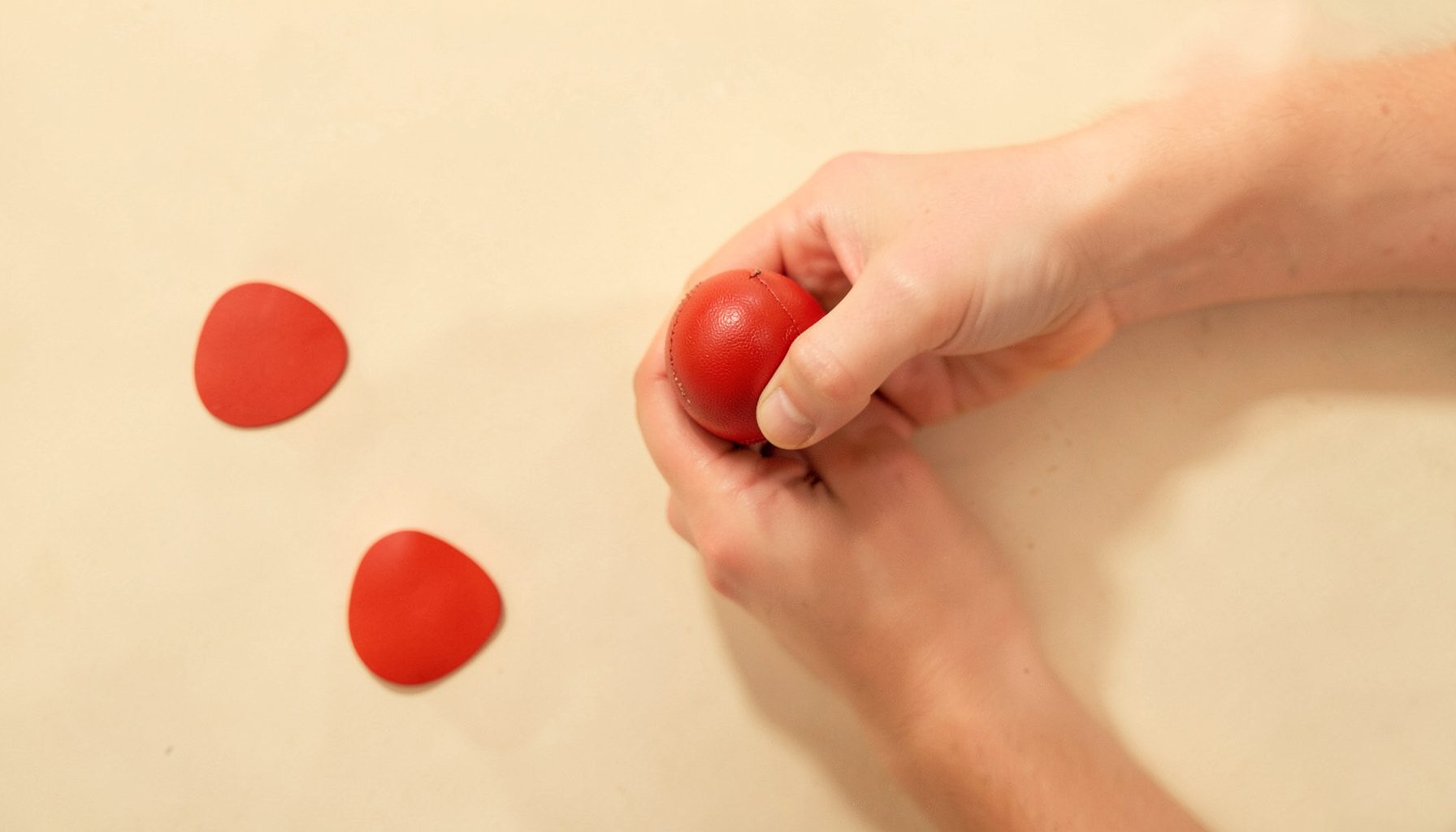
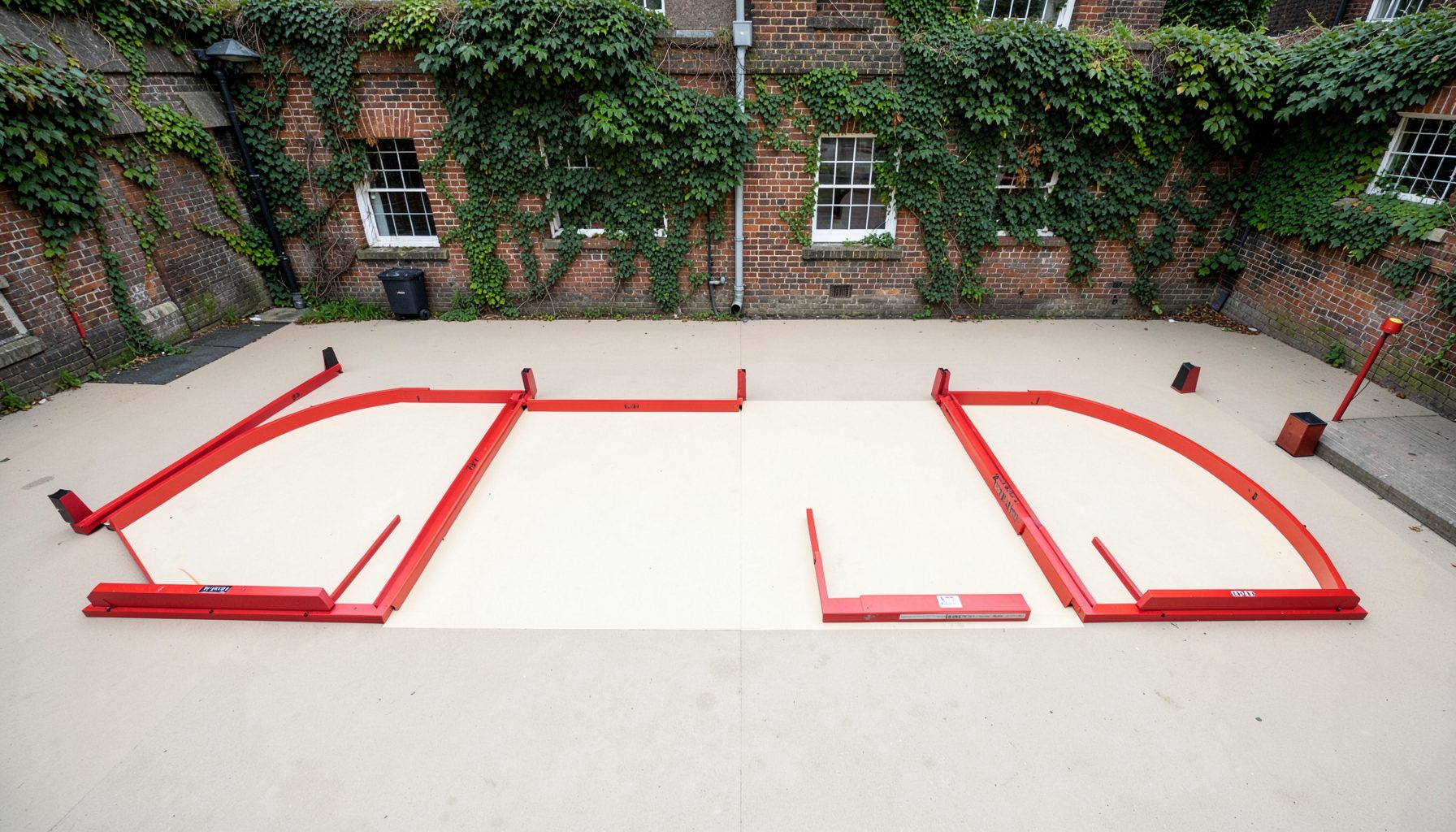
Rugby Fives is a fast, wall-based court sport in which players strike a small ball with their hands. Its compact playing area, changing rebounds and short reaction windows create a demanding test of timing, accuracy, movement and decision-making. Every rally asks the body to connect what the eyes see with what the hands do next.
For Australian players, the sport offers an appealing indoor alternative to field-based activities. It can be played in schools, clubs and community venues in cities such as Sydney, Melbourne, Brisbane and Perth, where access to suitable courts may vary but interest in adaptable sports is strong. The game uses limited equipment and can fit around busy school, work and family routines.
Hand-eye coordination is a broad physical skill rather than a single movement. It includes visual tracking, depth judgement, reaction speed, body positioning and the ability to control force. Rugby Fives brings these elements together repeatedly, allowing players to develop them through purposeful practice and competitive play.
The Rugby Fives Association supports the sport through competitions, coaching, school programmes, rankings, fixtures and community connections. Its work provides a useful pathway for Australian players and organisations interested in learning the game, developing local activity or connecting with the wider Rugby Fives community.
Why The Court Demands Precise Timing
A Rugby Fives ball can change direction quickly after striking the front wall or side surfaces. Players must judge the angle, speed and height of the rebound before choosing whether to play a forehand, backhand or defensive return. The eyes gather information, while the brain processes it and sends instructions to the hands and feet.
This sequence happens within seconds. A player who swings too early may contact the ball before it reaches the ideal position, while a late movement can lead to a weak or missed return. Repeated exposure to these situations helps refine anticipation and improves the connection between visual information and physical response.
The enclosed court also limits the time available for correction. In a larger field sport, a player may have several metres to adjust. In Rugby Fives, a small error in foot placement or racket-free hand position can determine the outcome of the rally.
Tracking The Ball Through Changing Rebounds
Effective visual tracking means keeping attention on the ball while also reading the wall and the opponent. Players learn to follow the ball from the moment it leaves an opponent’s hand, predict its path and prepare the hands for contact. This develops peripheral awareness as well as direct focus.
The ball’s rebound is influenced by its speed, angle and point of impact. Beginners often watch the ball too closely and lose awareness of where they are standing. Coaching can help them scan the court, adjust their base position and keep the ball within a useful visual field.
This skill has practical value beyond the court. Similar visual tracking is used when catching, returning a tennis ball, striking a cricket ball or judging a pass in Australian football. Rugby Fives offers a controlled environment in which these abilities can be practised without requiring a large playing surface.
Building Fast And Accurate Hand Responses
The hands must respond to visual signals with a controlled movement. Players need to decide whether to use an open palm, a closed hand or another legal striking technique, then adjust the contact point and force. Accuracy matters because a powerful shot that reaches the wrong area can create an easy return for an opponent.
Short drills are useful for developing this response. A coach might feed balls at different heights, ask a player to target a particular wall zone or vary the pace of the exercise. These activities encourage players to adjust rather than repeat one fixed movement.
Progress usually appears in several ways: cleaner contact, fewer mishits, faster preparation and better control of shot placement. Young players can begin with slower feeds and larger targets, while experienced players can work on rapid changes of direction and pressure-based rallies.
Footwork Makes Coordination More Reliable
Hand-eye coordination is stronger when the body reaches a stable position. Rugby Fives players must move forward, backwards and sideways while keeping their balance and preparing the striking hand. Good footwork gives the eyes a clearer view and places the hand closer to the ideal contact point.
The split step, small adjustment steps and quick recovery towards a central position are especially valuable. These movements help players remain ready after each shot instead of becoming fixed to one corner. Balance also supports safer play by reducing awkward lunges and uncontrolled twisting.
For Australian schools, this can make Rugby Fives a practical complement to existing physical education. A session can combine movement games, wall-target activities and short rallies. In warm regions, indoor courts can provide a more comfortable setting during periods of high heat, provided the venue has suitable ventilation and supervision.
Comparing Coordination Demands Across Sports
Different sports develop hand-eye coordination through different combinations of speed, distance and equipment. Rugby Fives is distinctive because the hand is the striking surface and the rebound is closely shaped by the walls. The comparison below describes common demands rather than fixed limits.
| Activity | Main visual challenge | Hand response | Movement pattern |
|---|---|---|---|
| Rugby Fives | Reading rapid wall rebounds | Open or closed-hand strikes | Short, reactive court movement |
| Tennis | Tracking a ball and racket contact | Racket swing with varied force | Side-to-side court coverage |
| Cricket | Judging delivery speed and bounce | Bat contact or catching | Set position followed by directional movement |
| Australian football | Following a moving ball and teammates | Handball, catching or passing | Larger-space running and repositioning |
| Table tennis | Reading spin, speed and short bounce | Fine racket control | Compact lateral movement |
Rugby Fives can be particularly useful for players who need to improve reaction speed and contact accuracy without carrying a bat or racket. At the same time, skills learned in tennis, cricket and Australian football can transfer into the game, especially visual anticipation, catching ability and quick changes of direction.
Supporting Young Players And Inclusive Participation
Children develop at different rates, so coordination activities should be adjusted for age, confidence and physical ability. A coach can change the ball speed, target size, court position or rally length. Success should be measured through improved control and decision-making rather than power alone.
The sport can also support inclusive participation when sessions provide clear instructions, suitable progressions and enough recovery time. Some players may benefit from visual demonstrations, slower feeds or a partner-based format. A welcoming club culture is just as important as technical coaching.
Australian organisations should follow relevant child-safety requirements and state or territory rules for working with children. In New South Wales, Victoria, Queensland and other jurisdictions, screening and reporting obligations can differ, so clubs and schools need current local guidance. Privacy procedures should also be considered when recording player results, photographs or performance information.
Bringing Rugby Fives Into Australian Communities
A school or community group does not need to begin with a full competition programme. Introductory sessions can use wall targets, soft training balls and simple scoring. Sporting clubs in Melbourne or Sydney might offer the game as a winter indoor activity, while groups in Brisbane, Adelaide or Perth could use it to add variety to established racquet and court-sport programmes.
Local scheduling matters. Australian families often balance sport with commuting, weekend commitments and school activities, so short after-school sessions or compact social competitions may attract more participants than long weekly blocks. Venues should also consider summer heat, travel time, lighting, accessibility and the availability of trained supervisors.
The local sporting market includes council recreation centres, independent schools, universities and established clubs. Partnerships with these organisations can help identify suitable courts and recruit volunteers. The Rugby Fives Association’s coaching resources, competition knowledge and historical records can provide a foundation for groups seeking to understand the sport and connect with experienced practitioners.
Measuring Progress On And Off The Court
Coordination gains can be tracked through simple observations. Coaches may record how often a player makes clean contact, reaches a target area, recovers to a ready position or maintains a rally under pressure. These measures show development more clearly than a single match result.
Players can also use timed reaction drills, wall-target challenges and consistency tests. The aim is to create reliable control while preserving enjoyment. Excessive repetition without variation can reduce attention, so sessions should include changing angles, movement demands and decision-making.
Over time, improved coordination may support confidence in other activities. A child who learns to track a Rugby Fives ball may feel more prepared for catching games, cricket fielding or Australian football handball. Adults can gain a focused form of exercise that combines mental concentration with short bursts of movement.
Australian schools, clubs, coaches and community groups can help grow the sport by arranging an introductory session, identifying an appropriate indoor venue and connecting with the Rugby Fives Association. With structured coaching and inclusive pathways, each rally can become a practical way to develop sharper reactions, steadier movement and more confident hand control.