



How Rugby Fives Can Strengthen Student Wellbeing
Student wellbeing includes far more than physical fitness. It covers confidence, emotional regulation, friendships, concentration, belonging and the ability to cope with everyday pressure. For schools, finding activities that support several of these areas at once can make a meaningful difference to student life.
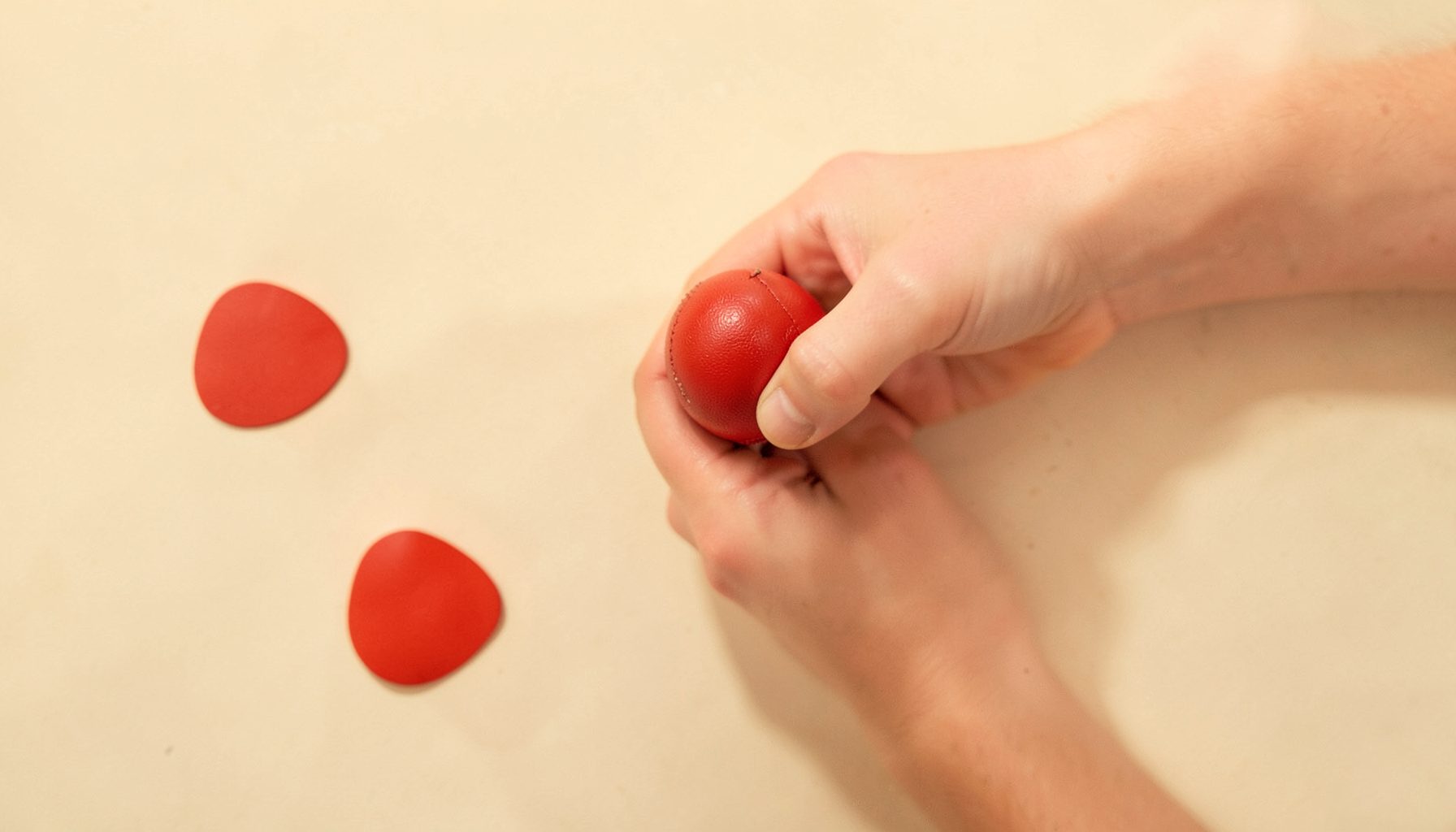
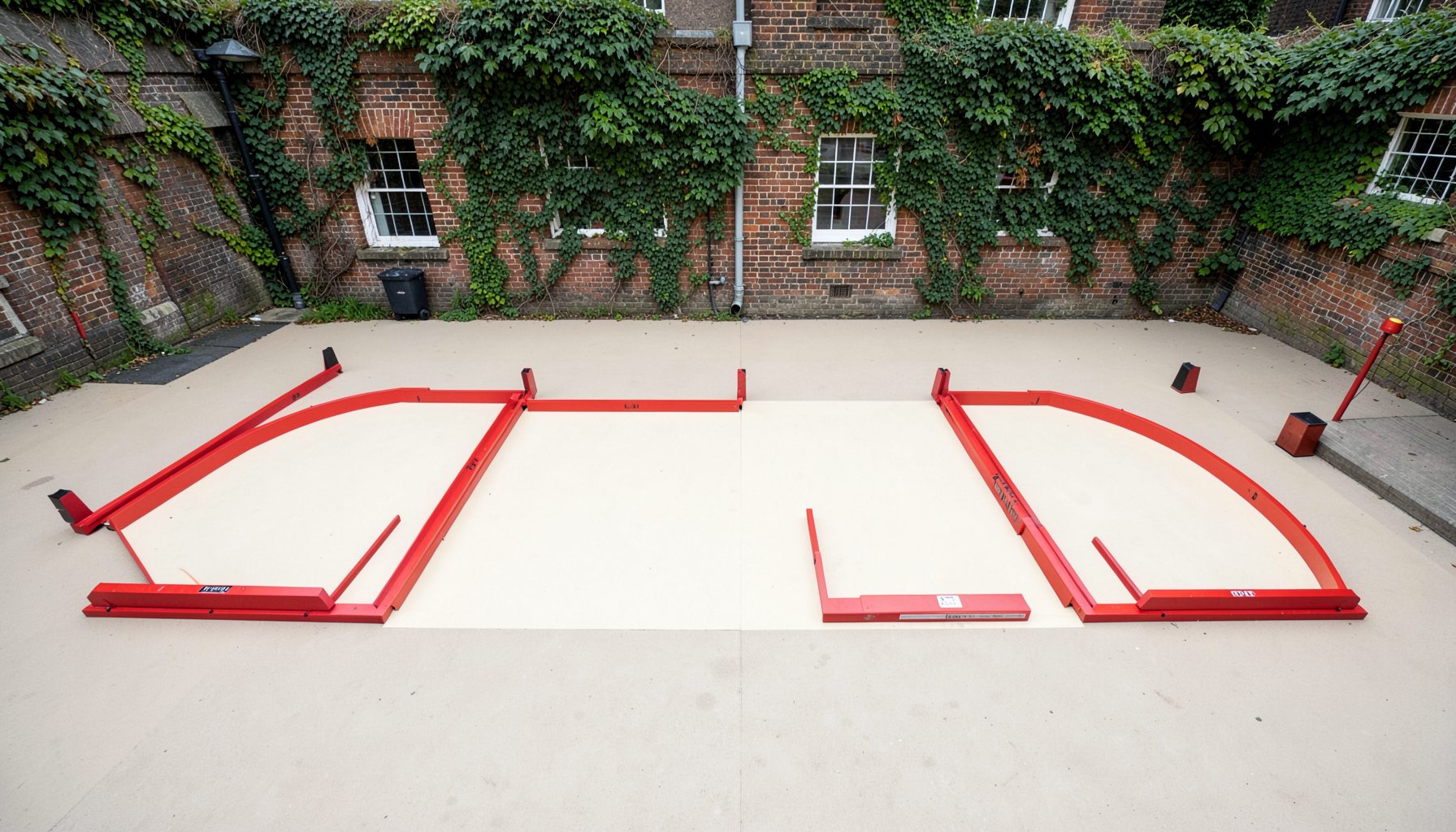
Rugby Fives offers a practical option. Played in an enclosed court with a soft ball and gloved hands, it develops movement, decision-making and communication without requiring the equipment or playing field associated with many mainstream sports. Its flexible format can suit schools, clubs and community programs across Australia.
A Whole-Body Break From Screen Time
Australian students spend substantial parts of the day moving between classrooms, buses, homework, gaming and social media. In cities such as Melbourne, Sydney and Brisbane, long commutes can add to sedentary routines. A short Rugby Fives session gives students an active break that demands quick movement, balance, hand-eye coordination and sustained attention.
The game is vigorous without relying on heavy contact. Players sprint, turn, reach and react in a confined space, making it suitable for indoor facilities during hot summer afternoons or wet weather. Schools can use existing multipurpose rooms, squash courts or suitable halls, helping physical activity remain available when outdoor sport is impractical.
Regular movement can support sleep, mood and concentration. Rugby Fives also has a useful rhythm: intense rallies are followed by brief pauses, allowing students to recover, reset and focus on the next point. This pattern can feel engaging for students who find long endurance sessions unappealing.
Confidence Through Skill And Progress
Rugby Fives rewards improvement that students can see and feel. A beginner may start by learning how to strike the ball cleanly, then progress to controlling rebounds, placing shots and anticipating an opponent’s movement. Each small gain creates evidence that practice produces results.
This can be especially valuable for students who do not identify with traditional team sports. There is no requirement to be the fastest runner or the strongest athlete. Players can contribute through accuracy, tactical awareness, persistence and calm decision-making. Different court roles and doubles formats give teachers ways to match challenge with ability.
The sport also teaches students to respond to mistakes without abandoning the activity. A missed shot is immediate feedback rather than a permanent judgement. Coaches can reinforce constructive self-talk, patient repetition and realistic goal setting, skills that transfer to assessments, performances and other challenging situations.
Connection, Communication And Belonging
Wellbeing improves when students feel accepted by their peers. Rugby Fives naturally creates opportunities for interaction because players must read the rally, communicate with a partner and respect the pace of an opponent. Doubles games can develop cooperation without placing all responsibility on one student.
A school can adapt pairings and match formats to help students meet classmates outside their usual friendship groups. This is useful in multicultural communities across Western Sydney, Perth and Adelaide, where inclusive activities can help new students build relationships. Clear rules and rotating partners can reduce cliques and give quieter students a structured way to participate.
Rugby Fives also supports respectful competition. Players learn to acknowledge good shots, make honest calls and manage frustration when a rally changes quickly. These habits contribute to a positive sporting culture in which effort, fairness and encouragement matter as much as winning.
| Wellbeing area | Rugby Fives experience | Possible student outcome |
|---|---|---|
| Physical health | Repeated movement, reaching and rapid changes of direction | Greater activity levels and coordination |
| Concentration | Tracking the ball and anticipating rebounds | Improved focus and reaction control |
| Confidence | Visible progress in striking and positioning | Stronger belief in personal capability |
| Social connection | Doubles play, partner communication and rotating groups | More peer interaction and belonging |
| Emotional regulation | Recovering after errors and managing competition | Better composure under pressure |
| Inclusion | Adjustable rules, court sizes and playing formats | Broader participation across ability levels |
Safer Participation And Inclusive Delivery
Rugby Fives has a lower-contact profile than many collision sports, but safe delivery still requires planning. Schools should inspect walls, floors and court boundaries, provide suitable eye and hand protection where appropriate, teach controlled striking and establish clear movement rules. Students need warm-up activities and supervision that reflects their age and experience.
Australian schools also operate within state and territory child safety requirements. Policies differ between jurisdictions, so coordinators should align coaching, supervision, reporting and volunteer screening with local rules, including relevant Working With Children Check obligations. The Australian Privacy Act 1988 may also be relevant when schools collect student information, publish results or share photographs.
Inclusive design can include lighter balls, shorter rallies, larger target areas and modified court dimensions. Students with disability may benefit from adjusted movement expectations, visual instructions, additional reaction time or a partner-support model. Consulting students, families and disability inclusion staff helps ensure adaptations are practical and respectful.
Bringing Rugby Fives Into Australian Schools
A school does not need a full competition program to begin. A small pilot can run through physical education classes, lunchtime recreation or an after-school club. Teachers can introduce striking technique, court awareness and simplified scoring before progressing to doubles games and formal fixtures.
The Australian school sports market already includes equipment suppliers, indoor recreation centres, independent schools and state-based sporting networks. Partnerships with local leisure centres can provide court access in areas where school facilities are limited. In regional communities, portable sessions and shared programs between nearby schools may be more realistic than building dedicated courts.
A staged approach keeps administration manageable. The first phase can focus on participation and skill development. The next can add interclass matches, student officiating and teacher training. Schools may then connect with the Rugby Fives Association for coaching resources, competition pathways, historical knowledge and links with clubs or experienced volunteers in the United Kingdom and beyond.
Building A Lasting Wellbeing Culture
The strongest benefits appear when Rugby Fives is treated as part of a wider wellbeing strategy rather than a one-off activity. Teachers can connect sessions with learning about stress management, respectful communication, goal setting and healthy routines. Students might keep short progress records that recognise attendance, teamwork and personal improvement alongside match results.
Evaluation does not need to be complicated. Schools can track participation, student feedback, confidence with movement, sense of belonging and willingness to return. Comments from students who previously avoided sport may reveal benefits that a scoreboard cannot show. Staff observations can identify whether the activity is reaching students across different year levels, genders, abilities and cultural backgrounds.
Clubs and community groups can extend this support beyond the school day. A welcoming junior session, affordable equipment policy and flexible family involvement can help students maintain an active habit during school holidays. For Australian families balancing work, study and transport, local scheduling and accessible venues are important parts of a sustainable program.
Schools, clubs and youth organisations can explore Rugby Fives as a practical addition to student wellbeing and physical education. Contact the Rugby Fives Association to discuss coaching, school sessions, competitions and pathways for developing the sport in Australian communities.