



Why Fixtures And Results Matter In Rugby Fives
Fixtures and results give Rugby Fives its shared rhythm. They turn regular practice into a calendar of meaningful encounters, connect players across clubs and regions, and create a reliable record of how the sport is developing. A match is an individual contest, but the fixture behind it belongs to a much wider community.
For the Rugby Fives Association, organised competition supports far more than rankings. Fixtures help clubs plan, schools find opponents, coaches measure progress, and volunteers coordinate the practical work that keeps courts active. Results then preserve those moments, allowing current players to understand the history and standards of the game.
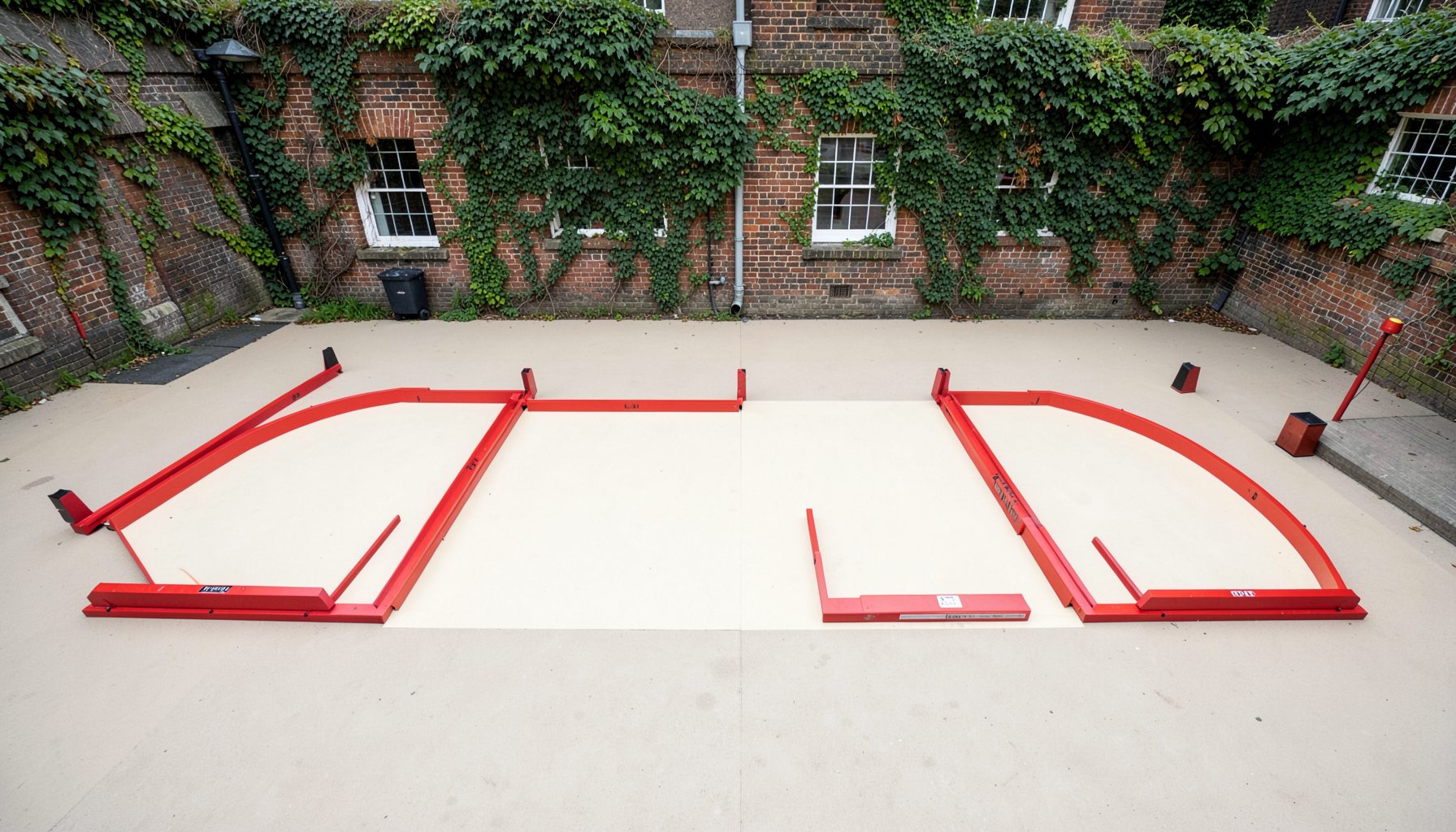
This structure is especially valuable in a sport with a distinctive court, style, and tradition. Readers unfamiliar with its identity can explore how it compares with related racket sports in this guide to Rugby Fives and racket games. Understanding that character makes the role of its competitions even clearer.
Creating A Reliable Competitive Calendar
A well-maintained fixture list gives players something concrete to work towards. Weekly matches, county events, school competitions, open tournaments, and national championships create different levels of participation. Beginners can enter at a comfortable pace, while experienced players can build a demanding season around stronger opposition.
The calendar also helps clubs use their resources effectively. Courts can be booked early, officials and coaches can be assigned, and travelling players can make arrangements with confidence. When fixtures are published clearly, fewer opportunities are lost to uncertainty or poor communication.
Regular competition supports continuity between generations. A young player may begin with a school fixture, move into club matches, and eventually compete at national level. Each stage feels connected because the same sport, records, and community accompany the player through that journey.
Making Improvement Visible
Results provide evidence of progress that training alone cannot always reveal. A player may feel quicker, more composed, or more accurate during practice, but competitive scores show how those qualities hold up under pressure. Results also reveal recurring patterns, such as difficulty against a particular style or strength in long rallies.
For coaches, match information can guide future sessions. A close defeat may indicate that a player needs better finishing skills, while a decisive win might show that tactical choices are becoming more effective. Over time, a series of results offers a more useful picture than any single performance.
Rankings add another layer of clarity. They give players a framework for understanding competitive standing without reducing the sport to one isolated result. Used carefully, rankings can encourage ambition, recognise consistency, and help organisers create balanced draws and appropriate divisions.
Connecting Clubs, Schools, And Communities
Fixtures create relationships that do not develop as easily through independent training. A visiting team discovers another club’s facilities and traditions, players meet opponents from different backgrounds, and volunteers exchange practical knowledge. These repeated contacts form the social network that sustains a national sport.
School fixtures are especially important because they provide an accessible route into Rugby Fives. Young people learn the rules in a real match environment, experience teamwork and sportsmanship, and gain confidence from representing their school. Teachers and coaches can then identify players who may want to continue through local clubs or development programmes.
Community events extend this benefit beyond established competitors. Open days, friendly fixtures, and introductory tournaments can welcome families, former players, and people encountering the sport for the first time. A lively match calendar makes participation visible and gives newcomers clear ways to become involved.
Turning Records Into Useful Knowledge
Accurate results are a long-term asset. They preserve championship winners, memorable contests, club achievements, school milestones, and individual progression. Historical records help today’s players see that their matches belong to an ongoing story rather than ending when the final point is played.
Fixture and result data can also support better administration. Organisers can identify active areas, monitor participation, review the balance of competitions, and spot gaps where additional events may be needed. This information helps the Association direct coaching, publicity, and development work where it can have the greatest effect.
| Fixture And Result Feature | Value For Players | Value For Clubs And Organisers |
|---|---|---|
| Published fixture calendar | Clear goals and reliable planning | Better court, travel, and volunteer coordination |
| Match scores | Evidence of performance and progress | Information for draws, divisions, and reviews |
| Rankings | Recognition of consistency and achievement | Support for balanced competitive structures |
| Historical records | Connection with the sport’s traditions | Preservation of institutional knowledge |
| School and community events | Accessible entry points for new players | Wider participation and stronger local networks |
Records must be handled with care to remain credible. Clear rules for submitting scores, consistent naming of clubs and players, and timely updates all matter. When information is accurate and easy to find, players trust the system and are more likely to contribute to it.
Protecting Fairness And Sporting Trust
A fixture is a promise between competitors. Both sides commit time, preparation, travel, and often considerable volunteer effort. Reliable scheduling and transparent results show respect for that commitment, while consistent competition rules ensure that every player understands the conditions of play.
Results also support fair recognition. Championships and league positions depend on scores being recorded correctly, and ranking decisions must be based on information that participants can inspect and understand. Even small administrative errors can affect confidence, especially when events are close or qualification places are limited.
Good fixture management should also allow for the practical realities of participation. Clubs may need to rearrange matches because of court availability, travel disruption, illness, or school commitments. A responsive system can protect fairness while treating players and volunteers with consideration.
Building A Stronger Future Through Participation
The value of fixtures grows when more people can access them. Inclusive scheduling, suitable competition formats, and welcoming club environments can help players remain involved at different ages and levels of experience. A healthy programme offers meaningful matches to beginners as well as established competitors.
Coaches and volunteers are central to this development. They explain rules, organise teams, record scores, supervise events, and encourage players after difficult matches. Their work often happens quietly, but fixtures and results give it a visible outcome: more opportunities to play and a stronger sense of belonging.
The Association can also use competition as a bridge between performance and community sport. Talent pathways may identify players ready for advanced coaching, while social fixtures keep participation enjoyable for those who value connection and activity over formal ranking. Both forms of involvement strengthen Rugby Fives.
Practical Ways To Improve Fixture And Result Engagement
Clubs, schools, and players can make the competition system more effective through a few consistent habits:
- Publish fixtures early, with clear venues, start times, formats, and contact details.
- Submit results promptly and check player names, scores, and competition categories for accuracy.
- Offer a mixture of league matches, friendly fixtures, graded events, and open tournaments.
- Use match days to welcome new participants, explain the sport, and connect visitors with local clubs.
- Celebrate achievements across all levels, including first appearances, improved performances, volunteering, and team success.
These actions are simple, but together they create a dependable experience. Players know where to go, organisers have better information, and newcomers can see a practical route into the sport. Recognition also helps ensure that community contribution receives the same respect as competitive achievement.
Fixtures and results are therefore part of the sport’s infrastructure. They organise activity, preserve memory, improve standards, and give people reasons to return to the court. Every recorded match adds detail to a national picture built by players, clubs, schools, coaches, officials, and volunteers.
The next fixture on your club or school calendar is an opportunity to strengthen that picture. Take part, support the organisers, submit the result accurately, and help make Rugby Fives competition accessible and meaningful for the players who follow.