



Rest Days That Build Better Rugby Fives Players
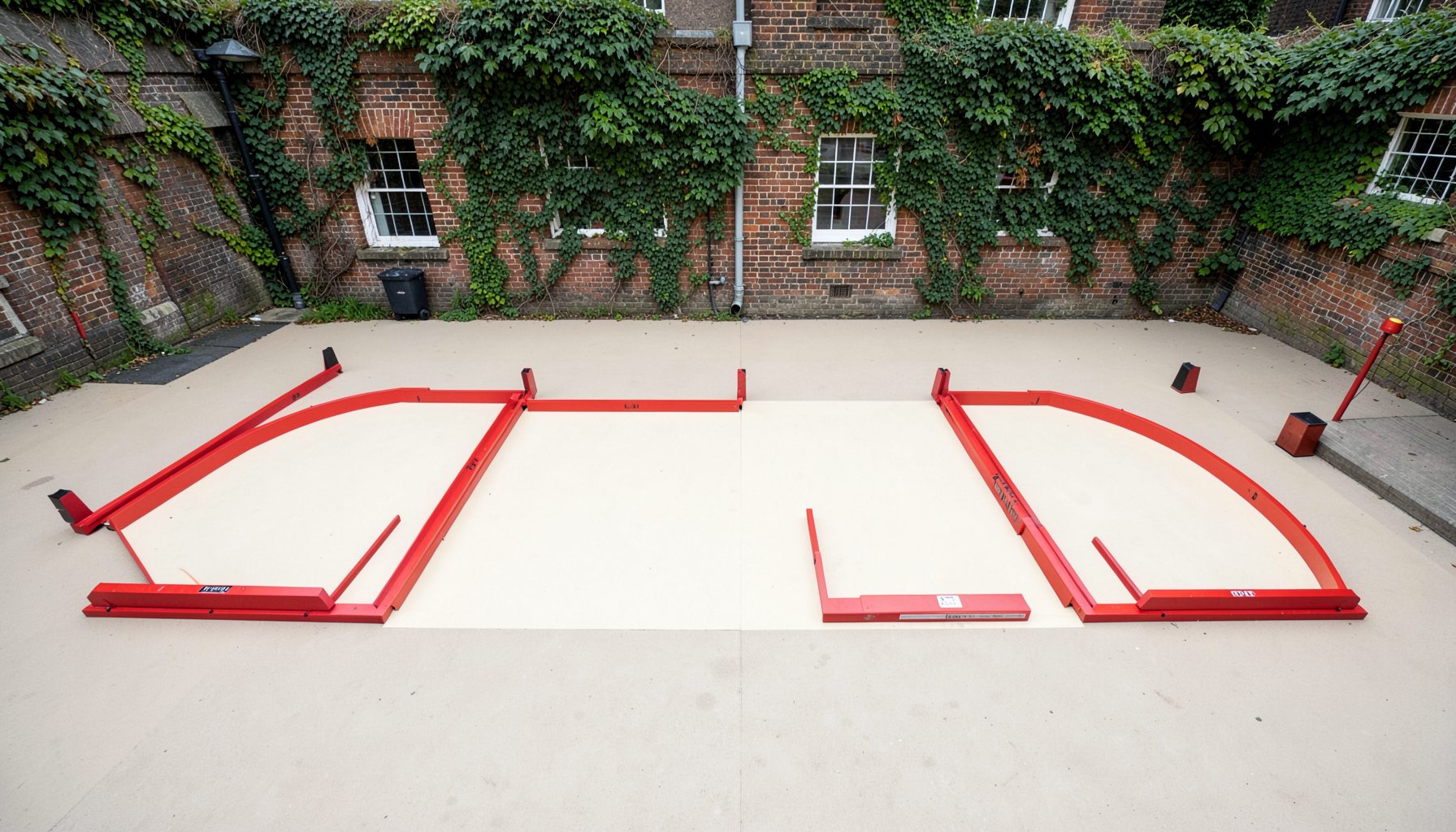
Rugby Fives demands quick reactions, repeated acceleration and precise hand-eye coordination in a confined court. Players lunge, pivot, reach for low balls and strike against the walls at high speed, often through long rallies that test both concentration and conditioning. That combination makes recovery a training skill rather than an interruption to progress.
A well-planned rest day allows muscles, joints and the nervous system to repair before the next demanding session. For Australian players balancing school, work, commuting and club sport, recovery can also protect enjoyment and consistency across a long season. The aim is to arrive at the court ready to move sharply, rather than carrying fatigue from one session into the next.
| Training approach | Likely benefit | Main risk |
|---|---|---|
| Hard sessions every day | More time spent practising | Slower reactions, soreness and overuse injuries |
| One complete rest day weekly | Physical and mental reset | Requires discipline and sensible scheduling |
| Alternating hard and easy days | Consistent skill development | Easy sessions may become too demanding |
| Rest combined with light mobility | Maintains movement without heavy load | Mobility can become another tiring workout |
| Rest only after pain appears | Short-term convenience | Missed training and a longer recovery period |
Why recovery matters in Rugby Fives
Rugby Fives is played in a small space, but that does not make it a low-impact sport. A player may perform dozens of explosive starts, sudden stops and deep reaches during a match. The calves, Achilles tendons, knees, hips, shoulders and hands all contribute to efficient movement and ball control. Repeated loading without enough recovery can gradually reduce movement quality.
Fatigue also affects decision-making. A tired player may react late, reach with poor posture or strike the ball without stable footwork. These errors can increase physical strain and weaken technical habits. A rest day helps restore energy while giving the brain time to process skills learned during coaching, drills and competitive play.
Recovery supports the values that make club sport sustainable. Players who respect their own limits are better placed to respect opponents, officials and teammates; this connection between responsible preparation and fair play strengthens the culture around the court.
Recognising when the body needs a break
Normal training soreness usually feels mild, improves with gentle movement and settles within a day or two. Concerning signs include sharp pain, swelling, altered walking, persistent tenderness or discomfort that changes a player’s technique. Pain in the Achilles, knee or wrist deserves particular attention because continuing to load an irritated area may turn a small problem into a long absence.
Performance changes can be an early warning as well. Slower reactions, unusually poor accuracy, disturbed sleep, irritability and a lack of enthusiasm may indicate accumulated fatigue. Coaches should look beyond attendance and ask how players are moving, sleeping and coping with their overall workload.
Young players need additional care because school sport, physical education and other activities may add training stress that is not visible to a Rugby Fives coach. A simple check-in before a session can identify when a planned rest day is wiser than another demanding workout.
What an effective rest day includes
A complete rest day means no hard court session, sprint training or heavy strength workout. It does not have to mean remaining motionless. An easy walk, gentle cycling, relaxed mobility or light stretching can support circulation without creating another training demand. The intensity should remain low enough for comfortable conversation.
Sleep is the central part of recovery. Most adults need around seven to nine hours, while teenagers generally require more. A regular bedtime, a cool dark room and reduced screen use before sleep can be more valuable than an expensive recovery product. Players should also eat enough carbohydrate to replace training fuel and include protein across the day to support tissue repair.
Hydration matters in Australia’s warmer conditions, especially when courts are reached after a hot commute or an outdoor training session. Water is usually suitable for ordinary sessions, while longer or particularly sweaty workloads may require a plan for electrolytes and sodium. Alcohol can interfere with sleep and rehydration, so it is a poor choice on a recovery day.
Fitting rest into a weekly schedule
A useful weekly plan alternates stress rather than stacking intense days together. For example, a player might complete a demanding skills and movement session on Monday, practise at moderate intensity on Tuesday, rest on Wednesday, then train again on Thursday and play a match at the weekend. The exact pattern should reflect age, experience, match fixtures and work or school commitments.
Rest days are especially important after tournaments or multiple matches. A competition may involve repeated rallies and emotional concentration even when the total playing time appears modest. The following day should usually prioritise sleep, food and gentle movement before a player returns to speed or strength work.
Clubs can help by publishing fixtures early and avoiding unnecessary congestion. In Sydney, Melbourne or Brisbane, travel time across a large city can add stress before a player reaches the court. Scheduling a genuine recovery day around long commutes may produce better training quality than insisting on a rigid number of weekly sessions.
Australian conditions and practical planning
Australia’s climate changes the recovery equation. A hot summer in Perth, Adelaide or Brisbane can increase fluid loss, while winter evenings in Melbourne or Canberra may leave players stiff before they warm up. Indoor courts reduce exposure to direct sun, but travel, poor ventilation and packed training spaces can still contribute to dehydration and fatigue.
Access also varies across the local market. Rugby Fives may share facilities with schools, community centres or other court sports, and court availability can be limited outside major cities. Players who cannot train frequently should avoid trying to compensate with exhausting sessions. A focused technical practice followed by proper recovery is often more productive than infrequent overtraining.
Coaches working with children must follow the relevant state or territory requirements for screening and supervision, including Working with Children Check arrangements where applicable. Clubs should also keep clear injury records and emergency contacts. These practical safeguards support a responsible environment in which a player can report pain without feeling pressured to continue.
Australian players should also consider the broader sporting calendar. School competitions, university commitments, shift work and weekend travel can all influence fatigue. A flexible plan that protects one regular rest day is more realistic than copying a professional athlete’s schedule.
Returning after rest or minor injury
The first session after a rest day should feel controlled, not like a test of toughness. Begin with a thorough warm-up involving easy court movement, gradual changes of direction and relaxed striking. If the body feels heavy or a familiar pain returns, reduce intensity and speak with a qualified health professional rather than pushing through.
A gradual return can increase duration, speed and competitive pressure in stages. Players should first demonstrate comfortable movement, then complete technical drills, followed by harder rallies and match play. Strength and conditioning work can support this process, particularly exercises for the calves, hips, trunk, shoulders and forearms, but load should rise progressively.
Coaches and teammates have a role in making rest socially acceptable. Missing one session to recover is not a sign of weak commitment; it is a way to protect future participation. When clubs treat sensible recovery as part of preparation, players are more likely to report symptoms early and remain involved across seasons, championships and community competitions.
Make rest days part of the next training calendar rather than waiting for fatigue to force the decision. Players, parents and coaches can review weekly workloads, protect sleep, prepare suitable meals and use club fixtures to create a sustainable rhythm. That approach gives every Rugby Fives session a better chance to be sharp, safe and enjoyable.