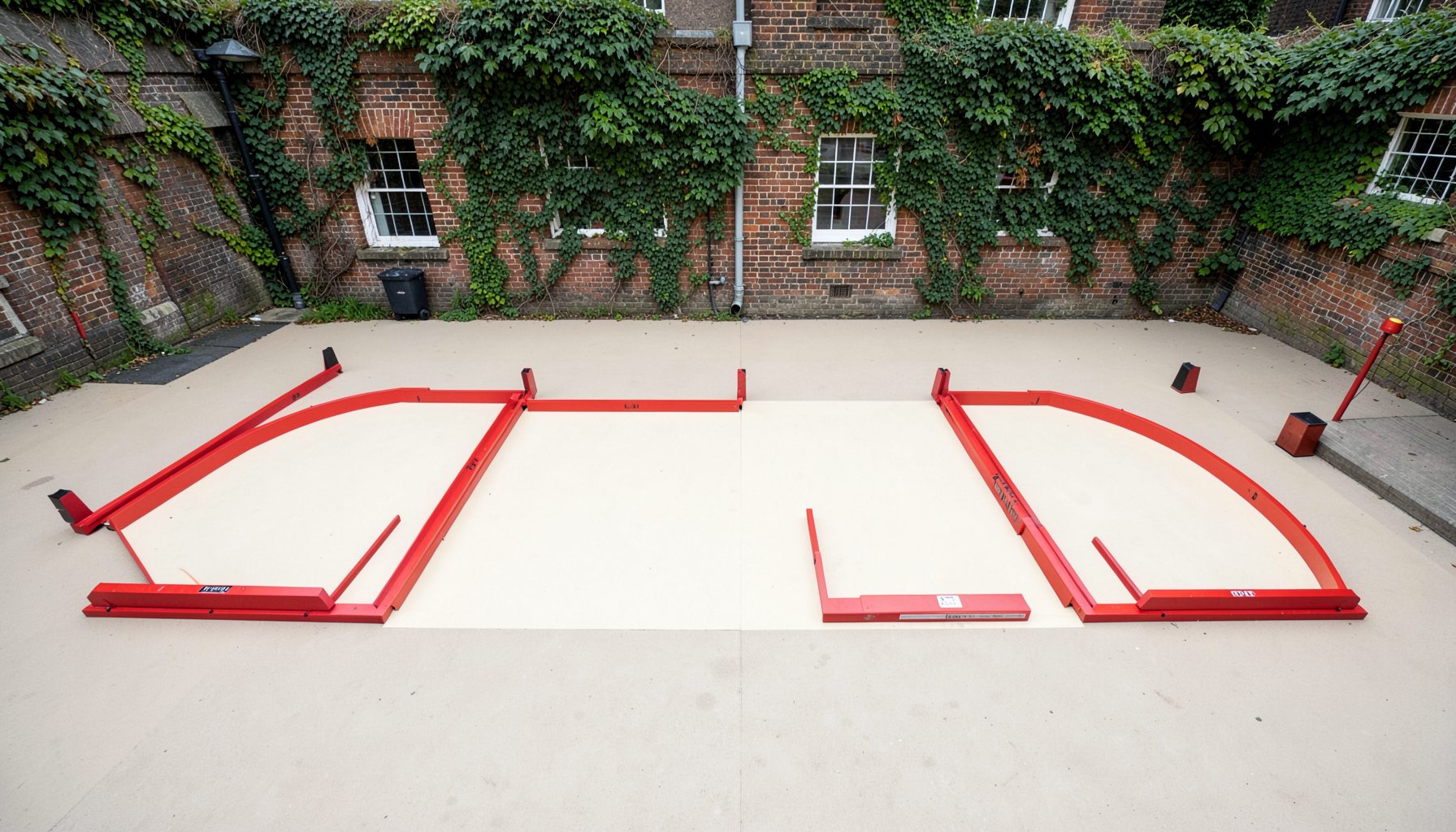




Sleep and Rugby Fives Recovery: Why Rest Builds Better Players
Rugby Fives places a distinctive blend of demands on the body. Players sprint short distances, twist at the waist, throw with power and pivot on hard indoor surfaces, often in back-to-back fixtures across a single weekend. Whether training at a community club in Melbourne or travelling to a regional tournament in New South Wales, the stress on shoulders, knees and lower back adds up quickly. Recovery between those sessions is where physical adaptation actually takes place, and sleep sits at the very centre of that process.
Australia has long embraced a culture of training hard, but the country's high-performance system has come to treat rest as seriously as effort. From the Australian Institute of Sport in Canberra to Super Rugby franchises based in Brisbane and Sydney, coaches have learned that growth happens off the court as much as on it. The same principle applies to Rugby Fives players who want to keep progressing season after season.
Sleep as the Engine of Physical Repair
During deep sleep, blood flow to the muscles increases, delivering oxygen and nutrients that repair the micro-tears left by training. The body releases growth hormone in pulses, mostly in the first half of the night, and this drives tissue rebuilding across bones, tendons and ligaments. For Rugby Fives players who rely on powerful throws and rapid changes of direction, this nightly repair window is when the shoulder stabilisers and hip flexors actually get stronger.
Without enough deep sleep, those repair cycles are cut short. Players notice it first as stiffness that lingers into the next session, then as dips in throwing accuracy or reaction speed when the ball leaves an opponent's glove. Over weeks, the cumulative debt can translate into longer injury lay-offs and a heavier mental load leading into competition.
The brain benefits at the same time. Sleep consolidates the motor patterns practised during a session, which means a well-rested fives player arrives at the next training block with sharper recall of footwork and hand position. In a sport built around repeatable technique, that overnight rehearsal is difficult to replace with any other routine.
Hormones, Growth and the Window Between Sessions
Sleep regulates two hormones that matter most to recovery: cortisol and testosterone. Cortisol, the stress hormone, normally dips at night and rises in the morning. When sleep is short or broken, cortisol stays elevated, raising inflammation and slowing the muscle repair cycle. Testosterone, which supports muscle growth and motivation, peaks during deep sleep, so cutting rest directly reduces the anabolic signal the body needs after a hard court session.
Players often focus on hydration and protein intake in the recovery window, but hormones quietly set the stage for those nutrients to do their job. A fives player who finishes a Saturday tournament, eats well and then sleeps only five or six hours is leaving a meaningful chunk of recovery on the table. Extending sleep by even an hour on Sunday night can shift hormone balance back toward repair and readiness for the week ahead.
| Sleep Stage | Typical Share of Night | Main Recovery Role |
|---|---|---|
| Light sleep (N1/N2) | Around 50 percent | Basic restoration, memory sorting, sensory reset |
| Deep sleep (N3) | Around 20 percent | Muscle and tissue repair, growth hormone release |
| REM sleep | Around 25 percent | Skill consolidation, emotional regulation, reaction time |
Young players still developing physically benefit most from this hormonal boost. A school-aged athlete in Adelaide or Perth who trains three times a week and plays on weekends can convert rest into measurable gains far more efficiently than an adult amateur juggling work, family and late matches.
Building a Sleep Routine That Sticks
The strongest recovery routines are the ones a player can actually repeat. For Rugby Fives athletes, that means treating sleep like a training session: scheduled, prioritised and reviewed. Going to bed and waking up at roughly the same time every day, including weekends, anchors the circadian rhythm and makes it easier to fall asleep quickly and wake feeling refreshed.
The hour before bed matters as much as the hours spent asleep. Screens, late-night scrolling and bright gym lighting all suppress melatonin, the hormone that signals the body to wind down. Dimming the house, putting phones in another room and keeping the bedroom cool all help. In Australia's warmer months, where summer nights in Brisbane or Darwin can stay sticky well past midnight, a fan, breathable sheets and a cold shower before bed can make the difference between fragmented sleep and a full deep-sleep cycle.
Caffeine also lingers longer than many players realise. A flat white at 4pm can still be active in the system at 10pm, and pre-workout powders often carry stimulants that interfere with deep sleep. Swapping late-afternoon coffee for water or herbal tea is a small change with a noticeable impact on sleep quality within a week or two.
Managing Heat, Travel and the Aussie Calendar
Australia's geography adds a layer of complexity. Players based in Perth who travel east for fixtures, or Tasmanians driving up for mainland tournaments, face shifts in climate, food and time zone that can quickly disrupt a steady sleep pattern. Even a two-hour time difference, repeated for several weekends in a row, has been shown to slow reaction times and reduce training tolerance, particularly in adolescents who already need more sleep than adults.
The Australian summer itself is a recovery hurdle. Training camps often schedule dawn sessions at places like Sydney's Manly or Brisbane's Kalinga Park to dodge the afternoon heat, which is sensible for performance but can leave players too wired to settle once the day cools. A short nap of 20 to 30 minutes after an early session, followed by an early evening wind-down, helps bridge the gap until a full night of rest is possible.
Recovery weeks matter too. After a heavy championship block, such as the state titles held in Melbourne each year, the body needs a stretch of lower volume and longer sleep. Players who maintain training intensity through these periods often arrive at the next season carrying accumulated fatigue, raising the risk of shoulder and ankle injuries that keep them off the court for months.
Training Smarter by Sleeping Smarter
Smart programming means planning training loads around what sleep can support, not the other way around. Coaches and players who log their hours often find that weeks with seven to nine hours of sleep per night correspond with better session ratings, fewer niggles and stronger competition results. When life gets busy, sleep is usually the first thing sacrificed, yet it is also the first thing to recover when a player commits to protecting it.
For fives players aiming at representative honours, or simply hoping to stay healthy through a long club season, sleep deserves the same attention as footwork drills or serve practice. The association's coaching network encourages players of every age to view each night as a recovery session in its own right, one that quietly builds the strength shown on court the next day.
Set a fixed lights-out time for the next training week and protect it as you would protect a championship fixture. Small, consistent changes to sleep habits compound quickly, and the gains show up in sharper reactions, fewer aches and a steadier run of form through every rally of the season.