



Why Volunteering at Rugby Fives Events Matters for Aussie Communities
Rugby Fives might not grab the same headlines as AFL or NRL across the country, but the sport is quietly thriving in school halls, community centres, and heritage courts from Hobart to Perth. Without a steady stream of volunteers, weekend fixtures, regional championships, and junior coaching sessions simply would not happen. Whether you are a retired player, a parent looking to spend more arvos productively, or a keen uni student, putting your hand up at a Rugby Fives event is one of the most direct ways to keep the game alive locally.
The volunteer culture in Australian sport runs deep, and Rugby Fives is no exception. From scoring duties in a suburban Melbourne court to helping set up a state tournament in Adelaide, every contribution keeps the doors open and the balls flying. This piece explores what volunteers actually do, why the role matters, and how you can get stuck in, no matter your background.
Why Rugby Fives Relies on Volunteers in Australia
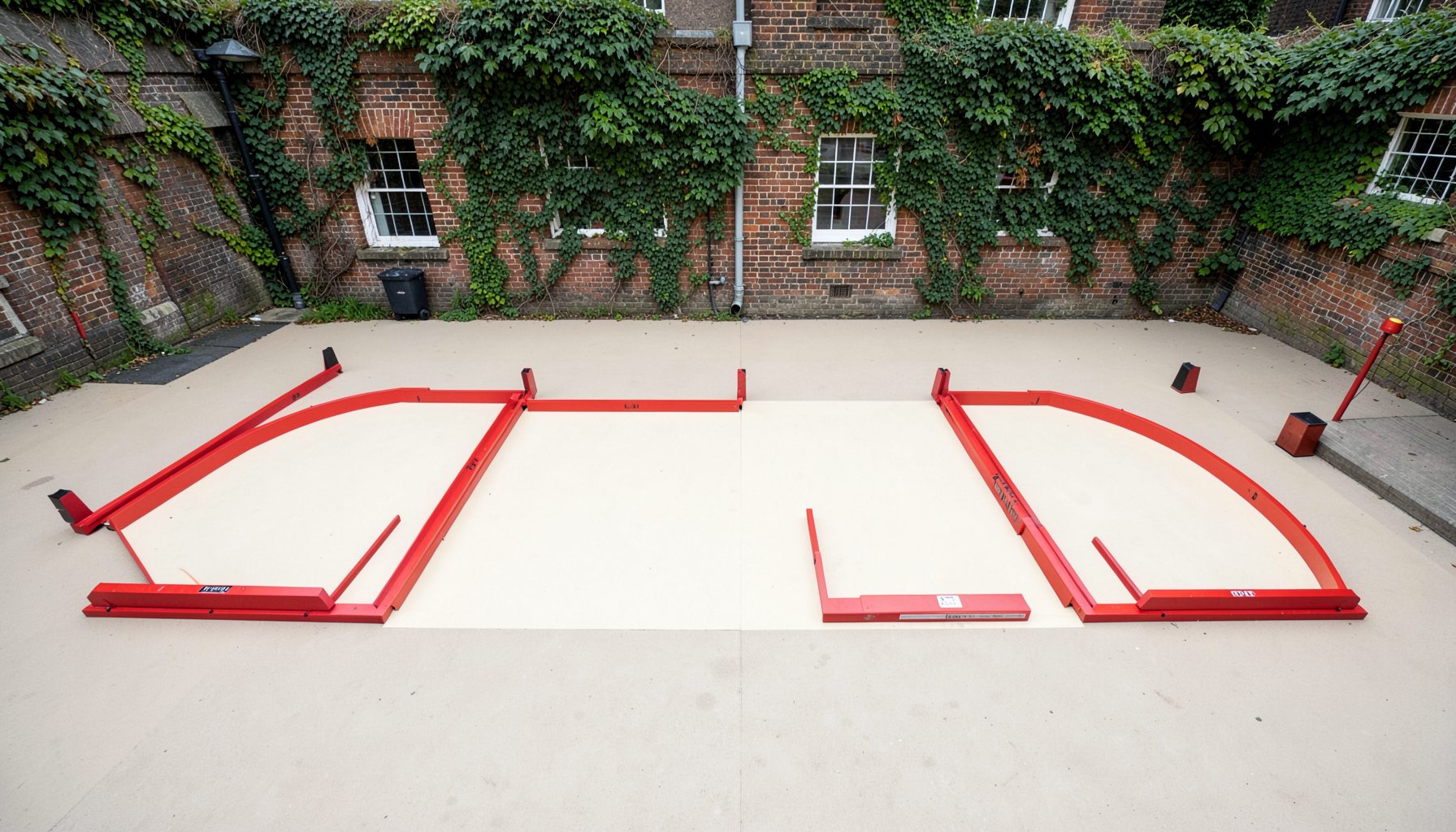
The sport is governed nationally by associations that, like many niche codes Down Under, lean heavily on unpaid helpers. Rugby Fives courts are often tucked away in older school buildings or shared with squash clubs, so there is rarely a paid grounds crew waiting to mark lines, clean gloves, or chase stray balls. Volunteers fill that gap entirely.
Funding for community sport in Australia usually arrives through local council grants or state government programs, but day-to-day running of fixtures still depends on people power. A typical Saturday carnival might need someone to greet arrivals, another pair of hands to time matches, and a few folks to handle the BBQ lunch. Without that crew, the event folds before the first serve.
This reliance reflects a broader reality in Australian amateur sport, where smaller codes depend on families, retirees, and passionate locals who turn up week after week. The Rugby Fives Association recognises it by celebrating long-serving volunteers at annual awards, keeping the culture of service strong across generations.
Skills You Pick Up on the Court Sidelines
Volunteering at a Rugby Fives event sharpens a surprisingly broad skill set. Officiating matches teaches you to make quick calls, communicate clearly, and stay calm when a point is disputed. Even a relaxed local derby can turn lively once a finals spot is on the line, so reading the room is half the job.
Beyond the court, organising roles build project management chops. Coordinating fixtures across multiple courts, juggling registrations, and tracking equipment loans are all transferable to office life. Many volunteers find the experience translates neatly into CV points, particularly for roles in events or community engagement.
Soft skills matter just as much. Working alongside parents, coaches, and older players from diverse backgrounds helps you pick up practical people skills that cannot be taught in a classroom. Whether helping a junior find the right glove size or chatting with a first-time spectator about the rules, every interaction builds confidence.
The Heartbeat of Community Clubs
Across Australia, community sport clubs act as informal meeting places, and Rugby Fives clubs are no different. Volunteers are often the people who remember every player's name, send out the weekly fixture email, and chase up a forgotten water bottle. That personal touch keeps families loyal for decades.
Volunteers also bridge generations. A senior player who once competed at state titles might now referee junior matches, passing down tips that no coaching manual could capture. Grandparents help with afternoon teas, while teenagers gain work experience managing score sheets. The court becomes a kind of shared living room for the suburb.
Local councils in places like Brisbane and Hobart often rely on these networks when assessing grant applications. A club that can show active community involvement tends to attract more funding, which improves facilities and brings more players through the door. The cycle keeps feeding itself as long as volunteers keep turning up.
Comparing Volunteer Roles at Tournaments
Different roles suit different personalities, schedules, and skill levels. The table below compares the most common volunteer positions at Rugby Fives events across Australia.
| Role | Typical Time Commitment | Skills Needed | Direct Impact on Players |
|---|---|---|---|
| Match Official | 4–6 hours per event day | Rule knowledge, confident decision-making | Ensures fair play and accurate scoring |
| Court Setup and Pack-Down | 2–3 hours before and after | Basic physical fitness, attention to detail | Safe, ready-to-play surfaces for every match |
| Tournament Coordinator | 10–15 hours over a weekend | Organisation, communication, problem-solving | Smooth running of draws, results, and timings |
| Junior Coordinator | 6–8 hours per event | Patience, coaching basics, working with children | Engages young players and supports inclusive participation |
| Catering and Social Lead | 5–7 hours per event day | Hospitality skills, team coordination | Builds community spirit and funds the club |
Each role matters, and most clubs rotate them so no single person burns out. If you are new to the sport, starting with court setup or catering is a gentle way to learn the rhythms of a match day.
Inclusive Play Through Hands-On Support
Rugby Fives is one of those rare sports where players of all ages, genders, and abilities can share the same court. That inclusivity only works when volunteers actively support it. Setting up modified matches for younger juniors, adapting gloves for smaller hands, or making sure the changeroom is welcoming to everyone falls squarely on volunteer shoulders.
Community centres that host Rugby Fives courts often share space with other groups, so volunteers also help negotiate scheduling and keep facilities tidy. Players notice when a venue feels looked after, and practical guidance on maintaining community courts shows how much difference regular upkeep makes.
Inclusive sport in Australia also draws on initiatives like the Play Our Way program, which funds facilities and participation projects for women and girls. Volunteers help clubs tap into these programs by filling in paperwork, hosting come-and-try days, and reporting on outcomes. Without that local legwork, the funding never reaches the court.
Recognising Volunteers Across Australian States
Recognition matters, and the Rugby Fives Association has long understood that. Annual awards celebrate long-serving volunteers in every state, from the tight-knit community in Tasmania to the growing network in Western Australia. State associations also run their own acknowledgement nights, often coinciding with championship finals so families can join in.
Sponsors across Australia, including local businesses like sports stores in Carlton or family-run cafés in Fremantle, sometimes donate vouchers or trophies to thank volunteers. These modest gestures send a clear signal that the work is valued, and volunteers often say that being recognised in front of peers is what keeps them coming back.
There is also a growing push to formalise volunteer pathways, with training modules covering first aid, child protection, and inclusive coaching. Clubs that invest in these pathways tend to retain volunteers longer, meaning less churn and stronger events overall. The message is simple: when volunteers are looked after, the whole community benefits.
Getting Involved as a New Rugby Fives Volunteer
If you are keen to give it a go, the easiest entry point is your nearest affiliated club. Most have a volunteer coordinator whose job is to match newcomers with roles that suit their interests and availability. A quick email or phone call is usually enough to get started, and many clubs welcome drop-in helpers on match days.
Before turning up, think about what you enjoy doing. If you love being outdoors, court setup might suit you. If you are a people person, greeting players and running the scoreboard could be a better fit. If you have professional skills in marketing, photography, or first aid, let the club know, because those talents are often in short supply.
Rugby Fives events run throughout the Australian calendar, with strong summer fixtures in Victoria and South Australia and winter indoor matches in colder southern states. Volunteering once or twice a season makes a real difference, and friendships formed at the court often become some of the most rewarding parts of people's weeks.
If you have read this far and feel a spark of curiosity, the next step is simple: reach out to your local Rugby Fives Association branch, find out about upcoming fixtures, and put your name down as a helper. The courts are waiting, the players are keen, and your time on the sideline will matter more than you might expect.