



The Key Moments That Shaped Modern Rugby Fives Equipment
Rugby Fives is often described as a sport with very little equipment. A ball, a court and a pair of hands are enough to begin a game. That simplicity, however, conceals a long process of refinement. Changes in ball manufacture, court building, footwear and player protection have all influenced how the sport is played and taught today.
Equipment in Rugby Fives has developed alongside the game’s institutions. Schools, clubs, coaches and governing bodies have needed equipment that is durable, consistent and suitable for players of different ages and abilities. The modern playing environment is therefore the result of practical decisions made over generations.
The most important developments have not always involved dramatic inventions. Some have been gradual improvements: smoother wall surfaces, safer flooring, more reliable balls and better guidance about appropriate clothing. Together, these changes have made Rugby Fives more accessible while preserving its distinctive character.
From School Courts To A Recognised Playing Environment
Rugby Fives grew from the handball traditions associated with Rugby School. Early play depended heavily on the architecture available at the school, including walls, corners, steps and other features that gave the game its identity. In this period, the court was not simply a place where matches happened; it was part of the challenge.
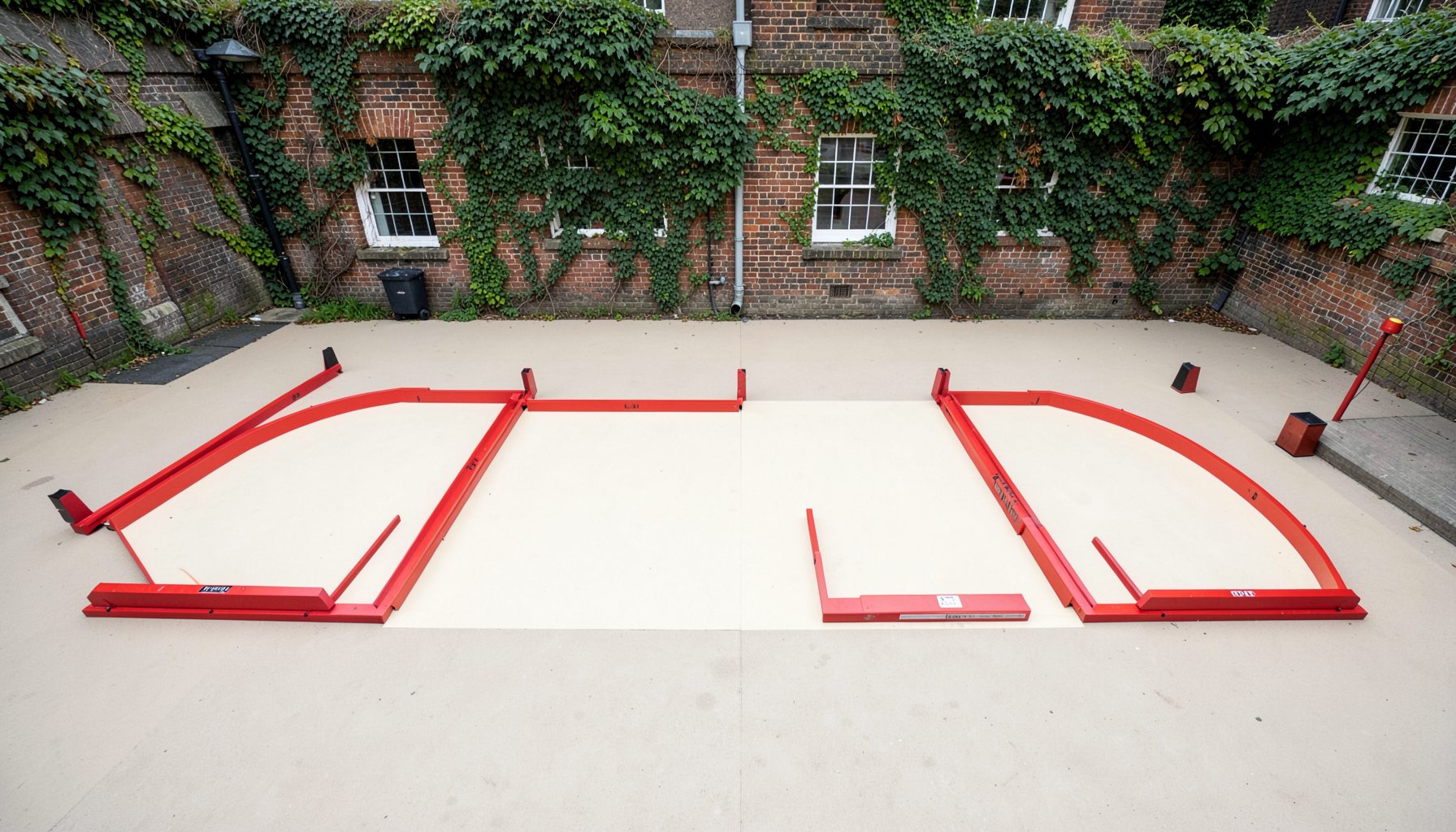
As the sport became more organised, purpose-built courts gave players a more dependable environment. Consistent wall dimensions, defined lines and a recognisable floor plan reduced the influence of accidental features. This helped schools and clubs teach the same basic techniques and arrange competitive fixtures with greater confidence.
The shift from improvised spaces to dedicated courts was a major equipment milestone. It established the court as a standardised piece of sporting infrastructure and created the foundation for formal rules, coaching practices and national competition.
The Ball Became More Consistent
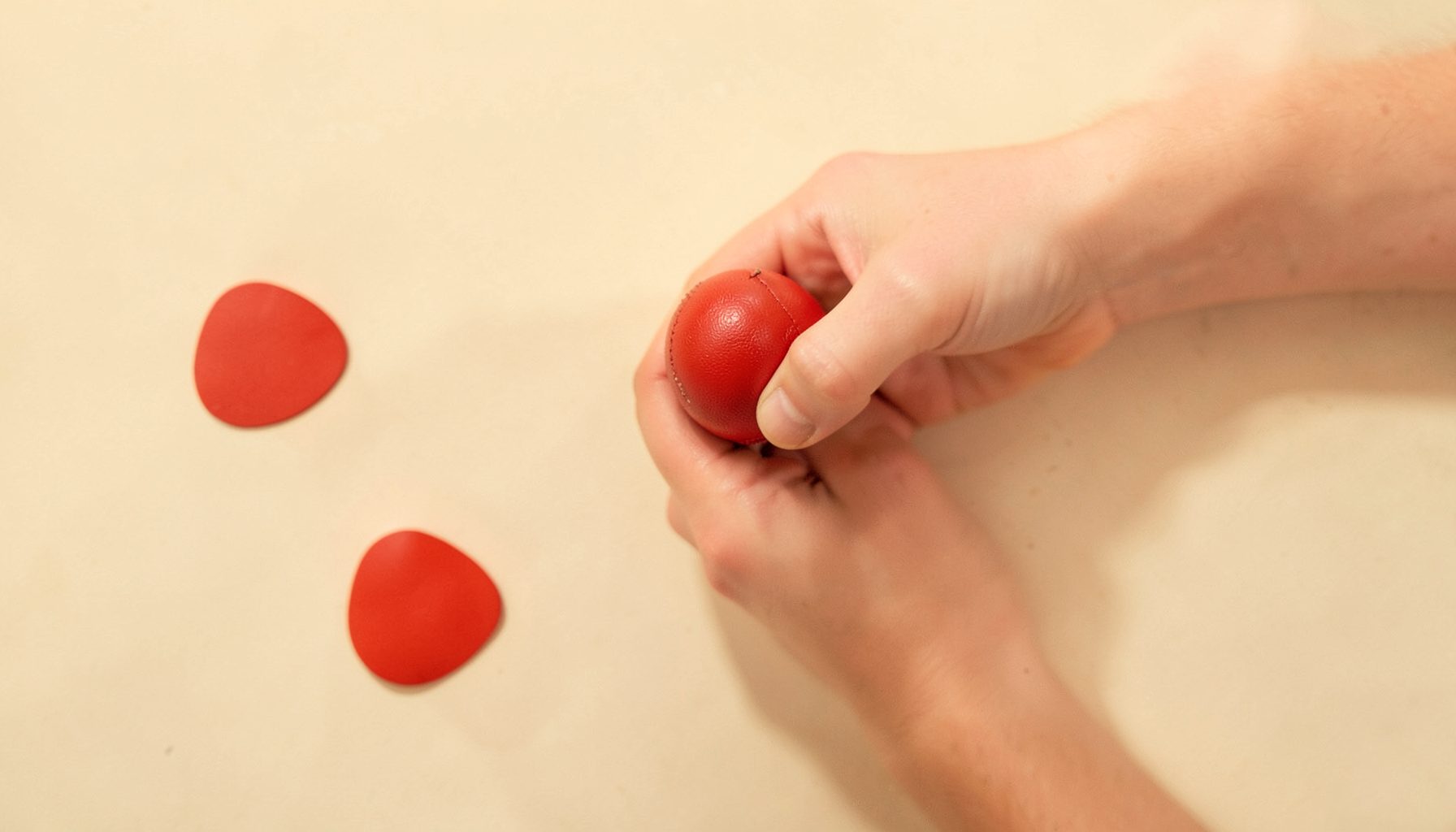
The ball has always been central to Rugby Fives because its speed and rebound determine the rhythm of a rally. Earlier balls were less uniform than modern versions, with natural materials and manufacturing methods producing variation in weight, firmness and surface texture. Those differences could alter bounce and make comparisons between venues difficult.
The move towards manufactured rubber balls brought greater consistency. A hard, resilient ball could survive repeated impacts against walls while retaining predictable playing characteristics. Reliable production also made it easier for organisers to specify suitable equipment for tournaments, school sessions and club matches.
Ball consistency changed technique as well as administration. Players could develop more repeatable serving, volleying and defensive skills because the ball behaved in a familiar way. Coaches could also explain timing, striking position and shot selection without constantly accounting for unpredictable equipment.
Court Construction Changed The Speed Of Play
A Rugby Fives court is an active part of every rally. The front wall, side walls, floor, ledges and corners all affect the angles available to players. Small differences in surface condition can therefore have a noticeable effect on pace, bounce and the amount of time available to reach the ball.
Modern court construction has focused on hard-wearing materials and smooth, accurate playing surfaces. Masonry and rendered wall systems, carefully finished floors and clear markings help preserve the geometry of the game. Maintenance is just as important as original construction: cracks, loose material, damp patches and worn lines can compromise safety and fairness.
Improved lighting has also supported the modern game. Players need to track a fast-moving ball against several surfaces, often in a confined space. Even illumination reduces shadows and visual distractions, helping competitors respond earlier and allowing coaching sessions to run more effectively.
| Equipment development | Earlier playing conditions | Modern benefit |
|---|---|---|
| Dedicated court design | Play shaped by available school architecture | More consistent dimensions and tactics |
| Manufactured rubber ball | Greater variation in weight and rebound | Predictable rallies and training |
| Improved wall and floor finishes | Uneven or weathered surfaces | Reliable bounce and safer movement |
| Sports footwear | General-purpose shoes | Better grip, balance and court awareness |
| Hand protection options | Greater reliance on bare hands | More support for training and injury management |
| Modern lighting | Shadows and inconsistent visibility | Clearer tracking of the ball |
Footwear Became Part Of Performance
Rugby Fives does not require elaborate protective clothing, but footwear has become increasingly important. Players accelerate, stop and change direction repeatedly on a hard court. Shoes must provide grip without creating excessive resistance, while also offering enough stability for lunges and rapid recovery steps.
Modern indoor court shoes are generally better suited to these demands than casual trainers. A secure heel, a supportive upper and a non-marking sole can help players maintain balance and protect the court surface. The right shoe also supports efficient movement, which matters because many rallies are decided by a fraction of a second.
Footwear development reflects a wider change in sporting expectations. As coaching has become more systematic, players have paid closer attention to movement patterns, conditioning and injury prevention. Shoes are now selected as part of a complete playing setup rather than treated as an afterthought.
Hand Protection Has To Respect The Sport
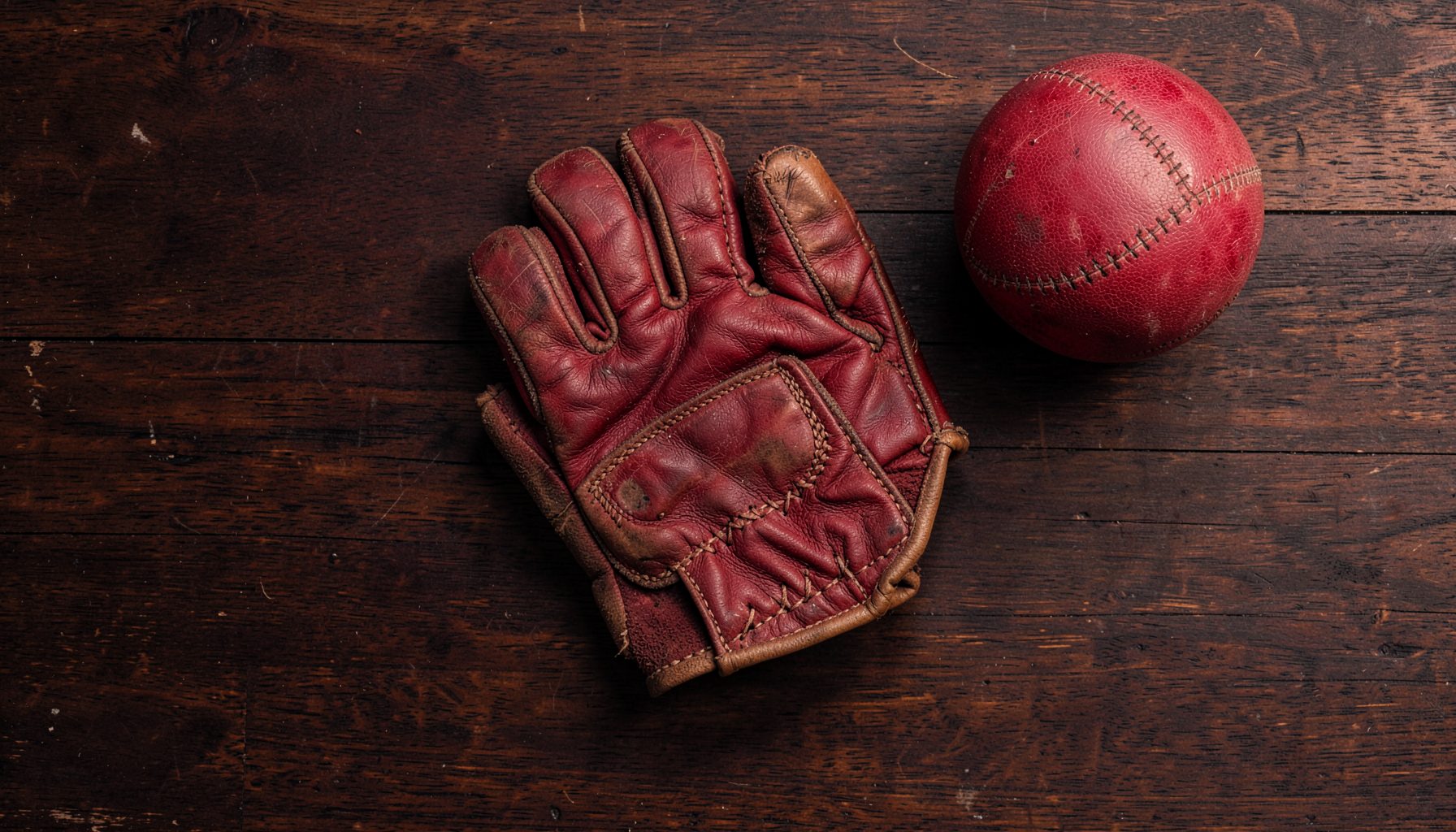
Rugby Fives is traditionally played with the hands, and direct contact with the ball is one of its defining features. Some players use gloves or hand supports during practice, particularly when returning to play after an injury or building tolerance to repeated striking. These aids can provide warmth, cushioning or reassurance.
However, hand protection must not change the essential relationship between hand and ball. Thick padding or unsuitable materials may affect touch, grip and control. Any glove should fit securely, allow natural movement and be compatible with the relevant competition rules. Players should also consider whether a support conceals pain that requires proper medical attention.
This balance has shaped modern equipment choices. The aim is not to turn Rugby Fives into a heavily protected contact sport, but to help players participate safely while retaining the feel and skill of the traditional game. Good coaching remains more valuable than relying on equipment to correct poor striking technique.
Rules And Governing Bodies Guided Standardisation
Equipment becomes genuinely useful when players know what is acceptable. The work of associations, clubs and tournament organisers has helped establish shared expectations for courts, balls, clothing and footwear. Rules give practical meaning to the idea of standard equipment by protecting fairness between competitors and venues.
National organisation has also made it easier to preserve historical features while responding to modern needs. A hard ball, open-handed technique and specialised court remain central, even as construction standards and training resources improve. This continuity matters because Rugby Fives is recognisable precisely because it has not been redesigned around generic indoor-sport equipment.
Records, rankings and organised championships further encourage consistency. When players travel between schools, clubs and tournaments, they need confidence that the court and ball will present a familiar challenge. Standardisation supports that confidence without removing the local character of individual venues.
Practical Choices For Players And Venues
Equipment decisions should begin with the level and purpose of play. A school session may prioritise durability and hand comfort, while a championship venue must pay closer attention to court condition, ball consistency, lighting and rule compliance. Clubs can achieve a great deal through regular inspection and sensible replacement schedules.
Players should treat equipment as part of preparation rather than a substitute for skill. The best setup allows clear sight of the ball, secure movement and confident contact. It should also be checked regularly, since worn soles, damaged balls and deteriorating surfaces can create avoidable risks.
- Use a recognised, consistent Rugby Fives ball for coaching and competition.
- Choose clean indoor court shoes with dependable grip and stable support.
- Inspect hands, gloves and supports before play, replacing damaged equipment.
- Report cracks, loose surfaces, poor lighting or slippery areas to the venue manager.
- Match equipment choices to age, experience, playing level and any medical guidance.
The history of Rugby Fives equipment shows how a simple sport can benefit from careful development. Better materials and clearer standards have improved reliability without removing the speed, touch and architectural challenge that make the game distinctive.
The Rugby Fives Association helps connect the people and places that sustain this tradition. Players, coaches, schools, clubs and volunteers can support the next stage of the sport by using sound equipment, caring for courts and sharing accurate knowledge. Get involved through local Rugby Fives activity, competitions, coaching and community programmes, and help keep the game ready for its next generation.