



The Lasting Legacy of Rugby Fives in British Public Schools
Rugby Fives occupies a distinctive place in the history of British school sport. Played with the hands against the walls of a purpose-built court, it demands speed, balance, anticipation, and precise control. The game requires little equipment, yet its close rallies create an intense test of technique and nerve.
Its story is closely linked with the traditions of the English public school. Rugby School gave the sport its name and helped preserve a form of wall-based handball that could be played throughout the school year. From there, Rugby Fives developed into a recognised discipline with its own courts, rules, championships, clubs, and community of players.
The sport’s legacy is therefore larger than a collection of old courts. It reflects the way schools have used games to build identity, friendship, discipline, and lifelong connections. Today, the Rugby Fives Association continues that work by supporting competitions, coaching, schools, volunteers, and the wider development of the game.
Where The Game Began
The roots of Rugby Fives lie in handball traditions that existed in Britain before the modern sport was formally organised. Players struck a ball against a wall or set of walls, using the hands to return it while trying to make the next shot difficult for an opponent. Different schools developed their own variations, often shaped by the architecture available on campus.
At Rugby School, this activity became associated with the walls and courts used by pupils. Over time, the game acquired a clearer identity, and the term “Rugby Fives” distinguished it from related school sports such as Eton Fives. The two games share a family resemblance, but their courts, rules, and playing styles are different.
The physical setting helped define the culture of the sport. A Fives court could be built beside other school facilities, fitted into an older part of the grounds, or retained as a historic feature long after its original purpose had changed. Each court became a visible link between current pupils and generations who had played there before them.
Public Schools And Sporting Culture
In Victorian and Edwardian Britain, public schools placed great importance on organised games. Cricket, rowing, football, rackets, and athletics often carried the greatest public profile, but smaller sports had a valuable role within the school timetable. Rugby Fives offered competitive activity to pupils who enjoyed individual contests and quick technical play.
The game also fitted the educational ideals associated with school sport. A rally could change in a moment, so players had to read angles, adjust their feet, and remain composed under pressure. Doubles required communication and trust, while singles placed greater emphasis on movement, accuracy, and tactical judgement.
These qualities helped Fives become part of school life rather than simply an occasional pastime. Pupils learned the rules from older players, practised during free periods, and carried the game into house matches and inter-school fixtures. That informal transfer of knowledge gave the sport continuity even when there was no large coaching structure.
Courts, Clubs, And Continuity
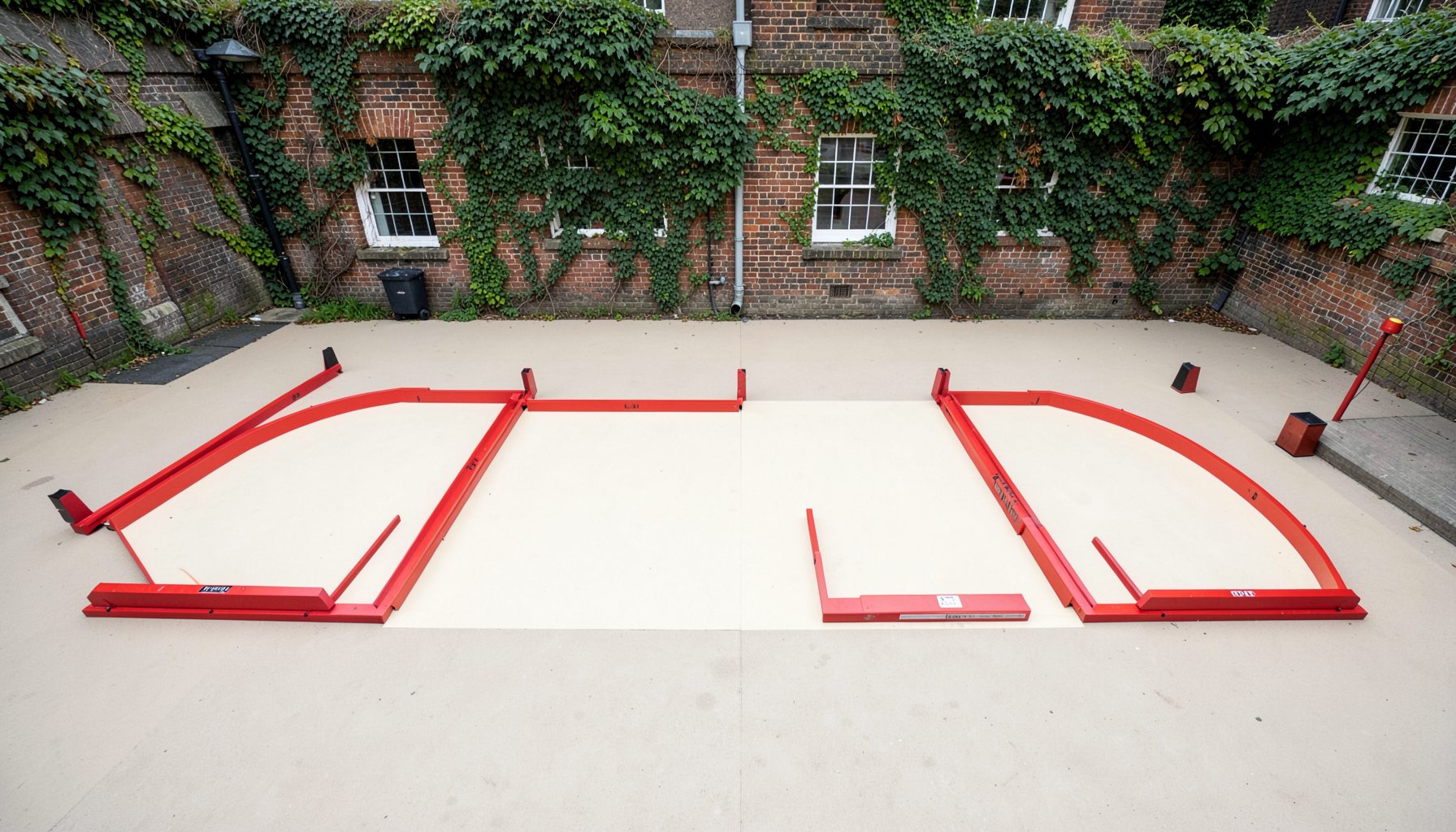
Rugby Fives courts are central to the sport’s heritage. Their walls and corners produce rebounds that reward familiarity, making each venue slightly different in character. A player who understands the pace of a particular court can use that knowledge as effectively as a tennis player reads a surface or a cricketer judges a pitch.
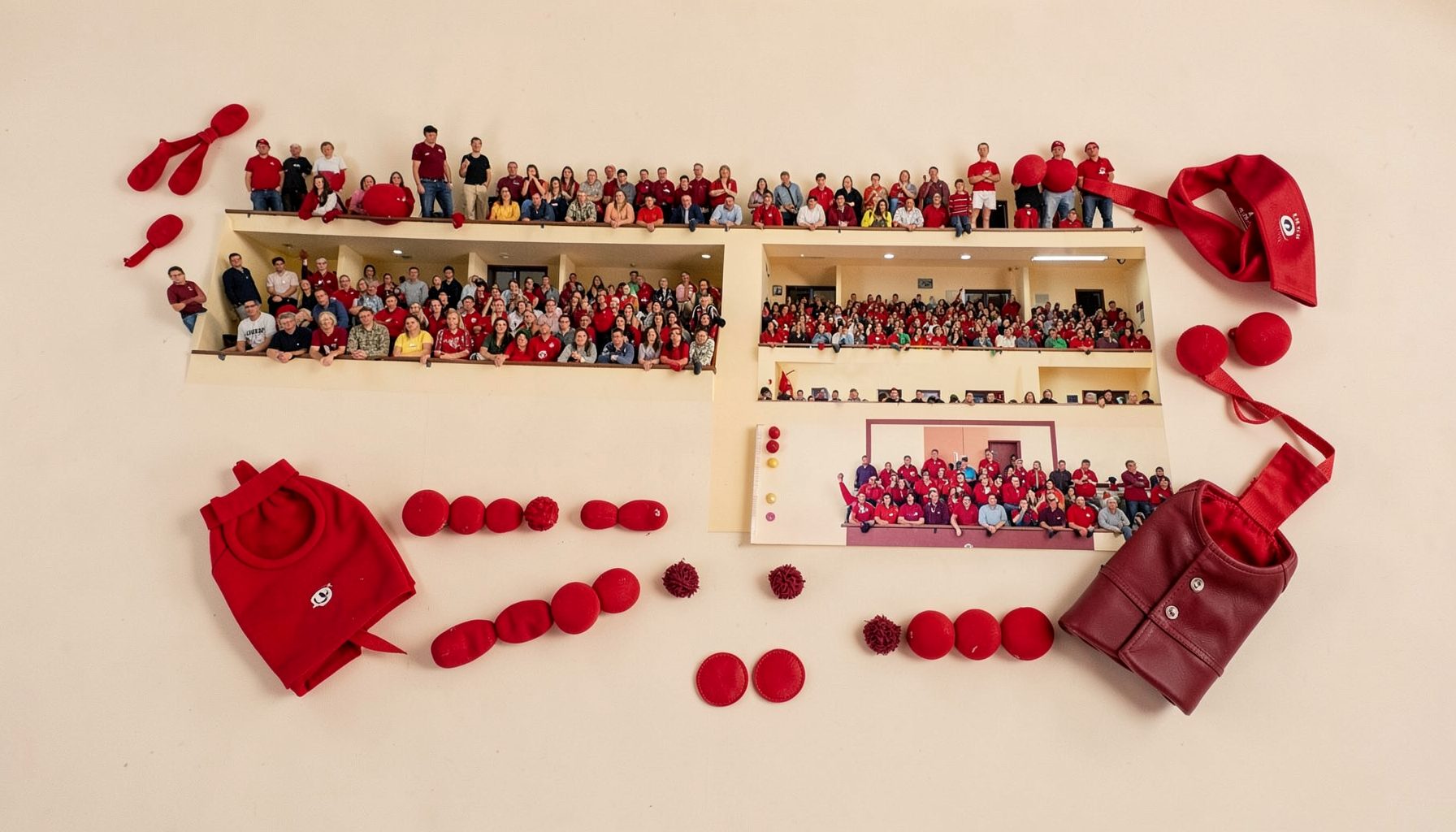
School courts also became meeting places for former pupils. Alumni returning for matches, reunions, or annual competitions could reconnect with the habits and friendships of their school days. In this way, Fives created a bridge between education and adult sporting life, supporting clubs and fixtures beyond the school gates.
The tradition has survived because players, teachers, grounds staff, coaches, and volunteers have maintained it. Historic courts require care, while active programmes need dependable scheduling and committed organisers. The preservation of Rugby Fives is therefore a social achievement as much as an architectural one.
How The Tradition Has Changed
The role of Rugby Fives in schools has changed as education, leisure, and sporting preferences have developed. Many schools now operate in a more crowded extracurricular environment, with pupils choosing from a wide range of activities. Court availability, maintenance costs, and a shortage of specialist coaches can also affect participation.
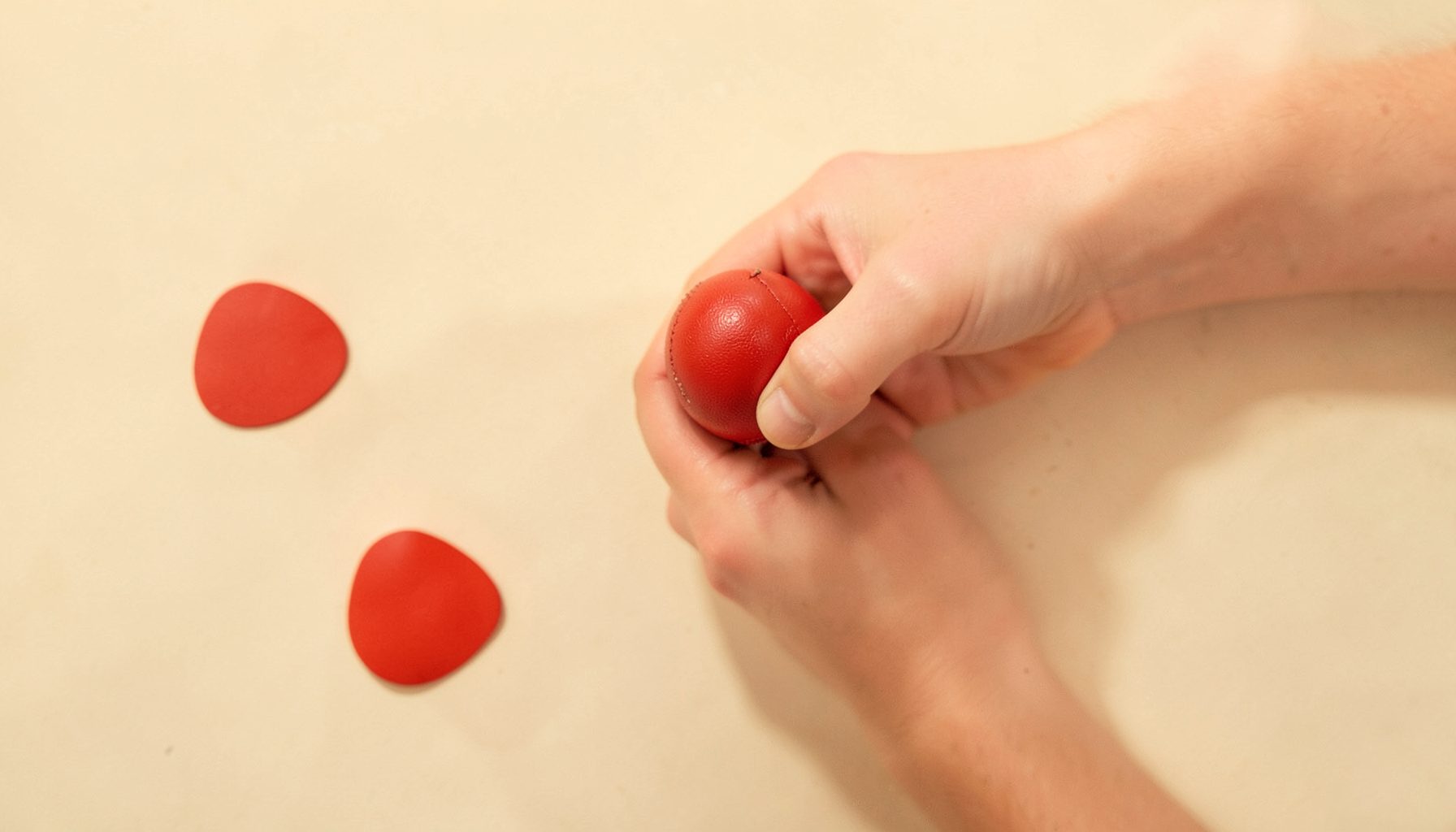
Even so, the sport has qualities that remain highly relevant. It can be played indoors, requires limited equipment, and accommodates both singles and doubles. A well-run session can introduce beginners to the basic striking action while giving experienced players enough tactical depth to remain engaged.
Modern school programmes can also make the sport more accessible. Short coaching blocks, inter-house events, mixed-ability sessions, and links with local clubs allow pupils to experience Fives without needing a long family connection to a particular school. Teachers and activity coordinators looking for practical support can use resources such as find a coach to connect interested players with suitable guidance.
| Period | School Role | Main Strength | Ongoing Challenge |
|---|---|---|---|
| Early development | Local handball game shaped by school customs | Simple equipment and strong participation | Rules and practices varied between schools |
| Expansion of public school sport | Organised matches, house competitions, and dedicated courts | Built community and school identity | Access was often limited to particular institutions |
| Club and association growth | Formal fixtures, tournaments, rankings, and championships | Created continuity beyond school years | Depended on volunteers and active venues |
| Contemporary development | Coaching, outreach, and inclusive school programmes | Welcomes new players and wider communities | Requires court investment, awareness, and regular participation |
The Educational Value Of Fives
Rugby Fives supports learning through movement. Players develop hand-eye coordination, spatial awareness, reaction speed, and balance, but the game also asks them to make decisions quickly. Every shot involves a judgement about angle, pace, height, and position.
The sport encourages self-reliance without isolating players from others. In singles, an individual must manage concentration and resilience. In doubles, partners need to communicate clearly, cover space, and respond constructively when a rally goes wrong. These experiences can strengthen confidence and cooperation in ways that extend beyond the court.
There is also an important cultural value in learning a sport with a long history. Pupils become part of a chain that connects past competitors, present teams, and future players. When schools explain that heritage while welcoming newcomers, tradition becomes a source of participation rather than a barrier to it.
From School Memory To National Community
The Rugby Fives Association helps connect the separate parts of the sport. Competitions and championships give players clear goals, while fixtures, results, rankings, and historical records preserve the competitive story of the game. Clubs provide regular opportunities for adults and young people to continue playing after leaving school.
That national structure matters because school traditions can otherwise become isolated. A pupil who discovers Fives at school should be able to find coaching, events, and opponents in later life. Likewise, a club player or former pupil can contribute by volunteering, supporting a school session, or helping protect a local court.
The association’s charitable and developmental work also gives the sport room to grow. Community outreach and inclusive participation can broaden the game beyond its historic institutional base. The legacy of Rugby Fives is strongest when its past is respected while its future remains open to people from different schools, regions, and backgrounds.
Keeping The Heritage In Play
Schools can protect the character of Rugby Fives while presenting it in a form that suits modern pupils. Useful steps include:
- Include short Fives taster sessions in physical education and enrichment programmes.
- Maintain courts through regular inspections, safe surfaces, and planned repairs.
- Pair experienced players with beginners through mentoring and doubles practice.
- Build links with local clubs, coaches, competitions, and the Rugby Fives Association.
- Record school fixtures, photographs, results, and stories for future generations.
A living sporting tradition needs more than historical recognition. It needs pupils hitting a ball against a wall, teachers creating opportunities, and volunteers making fixtures possible. Each new player adds a current chapter to a history that began in school courtyards and continues through clubs and national competitions.
Support the future of Rugby Fives by introducing the game at a school, helping preserve a court, volunteering at an event, or taking part in an organised session. The most meaningful way to honour this British public school legacy is to keep the courts active and invite the next generation onto them.