



How Rugby Fives sharpens the mind and lifts the spirit
Rugby Fives traces its origins to the public schools of Victorian England, yet its modern revival is genuinely global. Players have long treasured the game for the split-second decisions it demands and the composure it rewards under pressure. Today the sport attracts a new generation of athletes who care as much about mental wellbeing as they do about trophies.
Australia has always been a nation that embraces sport for body and mind. From weekend surf lifesaving carnivals on Sydney's Northern Beaches to Saturday afternoon club cricket across Melbourne's inner suburbs, Australians instinctively understand the link between physical play and psychological balance. Rugby Fives fits neatly into this tradition, particularly as community clubs in Brisbane and Perth host social sessions where adults come primarily to decompress after a long working week. The four-walled court offers something open-field sports cannot: a contained environment where the mind can switch off from external worries.
Regular participation delivers more than fitness. Research into racquet sports consistently points to lower anxiety, improved sleep, and stronger cognitive function in regular players. What follows is a closer look at the mental rewards that come from playing Rugby Fives week after week.
Stress relief through active play
There is a particular relief that arrives when the small, hard ball is struck cleanly against the front wall. The sound is satisfying, but it is the rhythm of rally, breathe, rally, breathe that settles an overstimulated nervous system. Rugby Fives forces players into a steady cadence of movement that mirrors moving meditation studied at Australian universities, including research from the University of Queensland.
Cortisol, the body's primary stress marker, drops measurably during moderate aerobic exercise. A typical session lasts between forty minutes and two hours, which places it firmly in the bracket of activity known to reduce symptoms of mild anxiety and improve sleep onset. Players often describe the post-match feeling as lighter and more emotionally even, even when the scoreboard did not go their way.
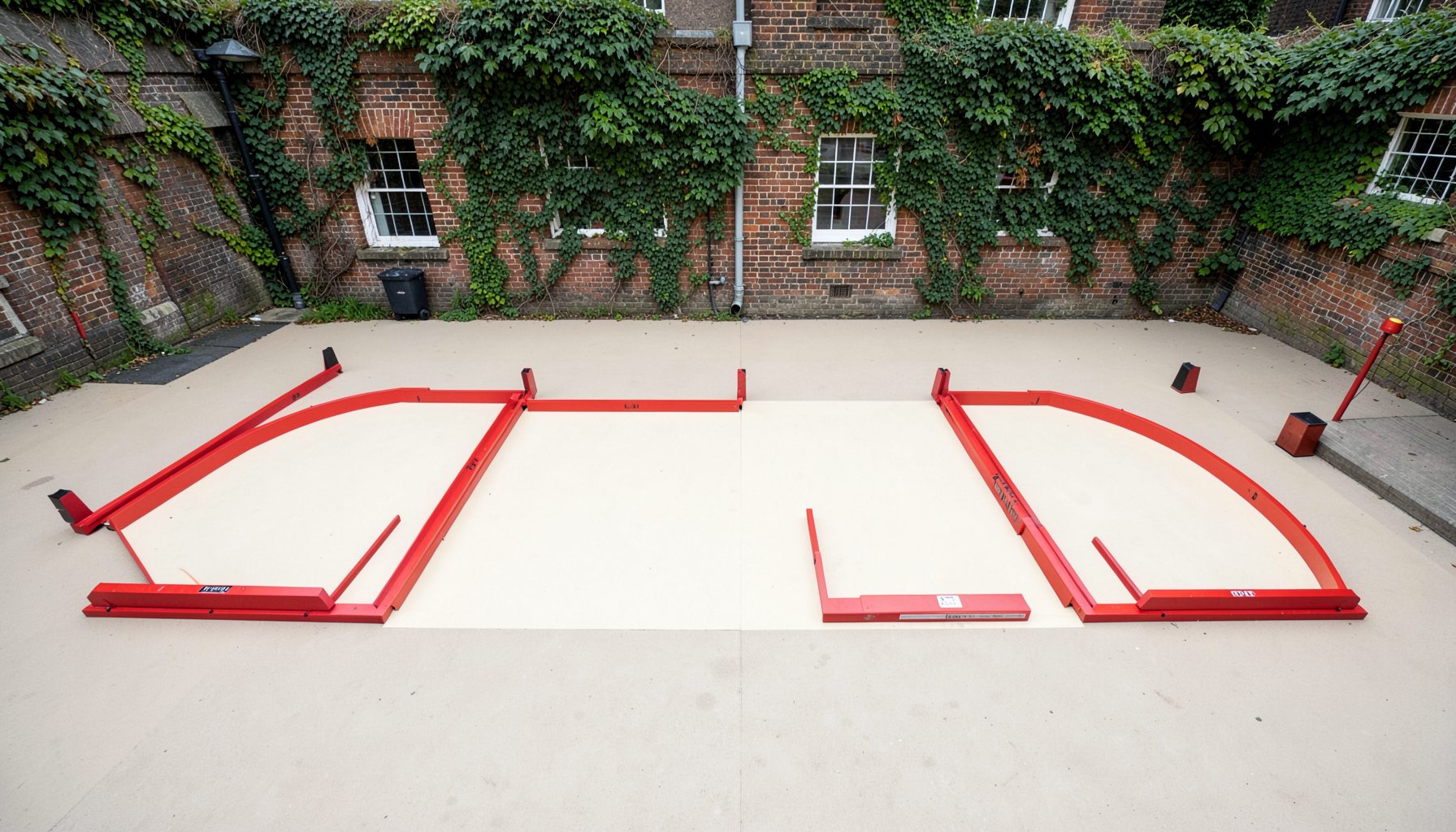
The enclosed court offers another subtle benefit. Unlike running at Bondi or cycling through Adelaide's parklands, Rugby Fives contains the action within four walls. This creates a psychological boundary that helps players leave work emails and family tensions at the door. By the time the session ends, the mind has had nowhere to wander except the geometry of the next shot.
Cognitive sharpness and strategic thinking
Every rally is a tiny problem-solving puzzle. The server must choose angle, pace, and height while reading the receiver's stance. The receiver decides whether to volley or let the ball die, where to stand, and how to disguise the return. These micro-decisions accumulate over a match into hundreds of small mental challenges, training the brain to think quickly and clearly under fatigue.
Neuroplasticity research suggests that sports involving rapid decision-making, such as squash, table tennis, and Rugby Fives, support working memory and processing speed. Australian sports scientists, including teams at the Australian Institute of Sport in Canberra, have highlighted how dual-task exercise improves executive function in adults. Rugby Fives offers precisely this kind of dual demand: the body moves constantly while the mind calculates trajectories and patterns.
The strategic layer also extends beyond the rally. Choosing doubles partners, anticipating the opposition's favoured serves, and adjusting tactics mid-match all draw on planning and adaptability. Players who treat it as a thinking game rather than a pure physical contest often progress fastest and report the greatest sense of engagement.
Mood, confidence, and the satisfaction of progress
Learning any new skill delivers a measurable lift in self-efficacy, the belief that one can influence outcomes through effort. Rugby Fives has a gentle learning curve compared with racquet sports that use strung rackets, which means new players can enjoy early rallies within their first session. This quick feedback loop is psychologically powerful, particularly for adults who may have felt discouraged by the steep learning curves of other sports.
Progress in Rugby Fives is also highly visible. Hitting a cut shot that skims the right wall and dies in the back corner for the first time produces a rush that few other recreational pursuits can match. Players describe a quiet pride from mastering a difficult technique, similar to learning a surfing manoeuvre at Manly Beach or nailing a tough return in club tennis.
Confidence built on the court tends to spill into other parts of life. Players regularly report feeling more assertive at work, more patient with family, and more willing to take on challenges after a season of consistent Rugby Fives. The sport teaches that small, repeated improvements compound, a lesson with broad application beyond the court.
| Mental Benefit | How Rugby Fives Builds It | Typical Time to Notice |
|---|---|---|
| Reduced daily stress | Rhythmic movement and breathing during rallies | Within 2–3 sessions |
| Sharper decision-making | Rapid tactical choices on every shot | 4–6 weeks of regular play |
| Stronger focus | Tracking the ball and anticipating angles | 6–8 weeks |
| Improved mood | Social interaction and physical exertion combined | 2–4 weeks |
| Greater resilience | Handling setbacks inside a match | 1–3 months |
Social connection and community wellbeing
Sport is a social glue in Australian life, and Rugby Fives is no exception. Club nights and weekend tournaments become regular anchors in players' calendars. Turning up to the same venue each week creates the kind of low-pressure social contact that mental health researchers have linked to lower rates of depression, particularly among men in their thirties and forties.
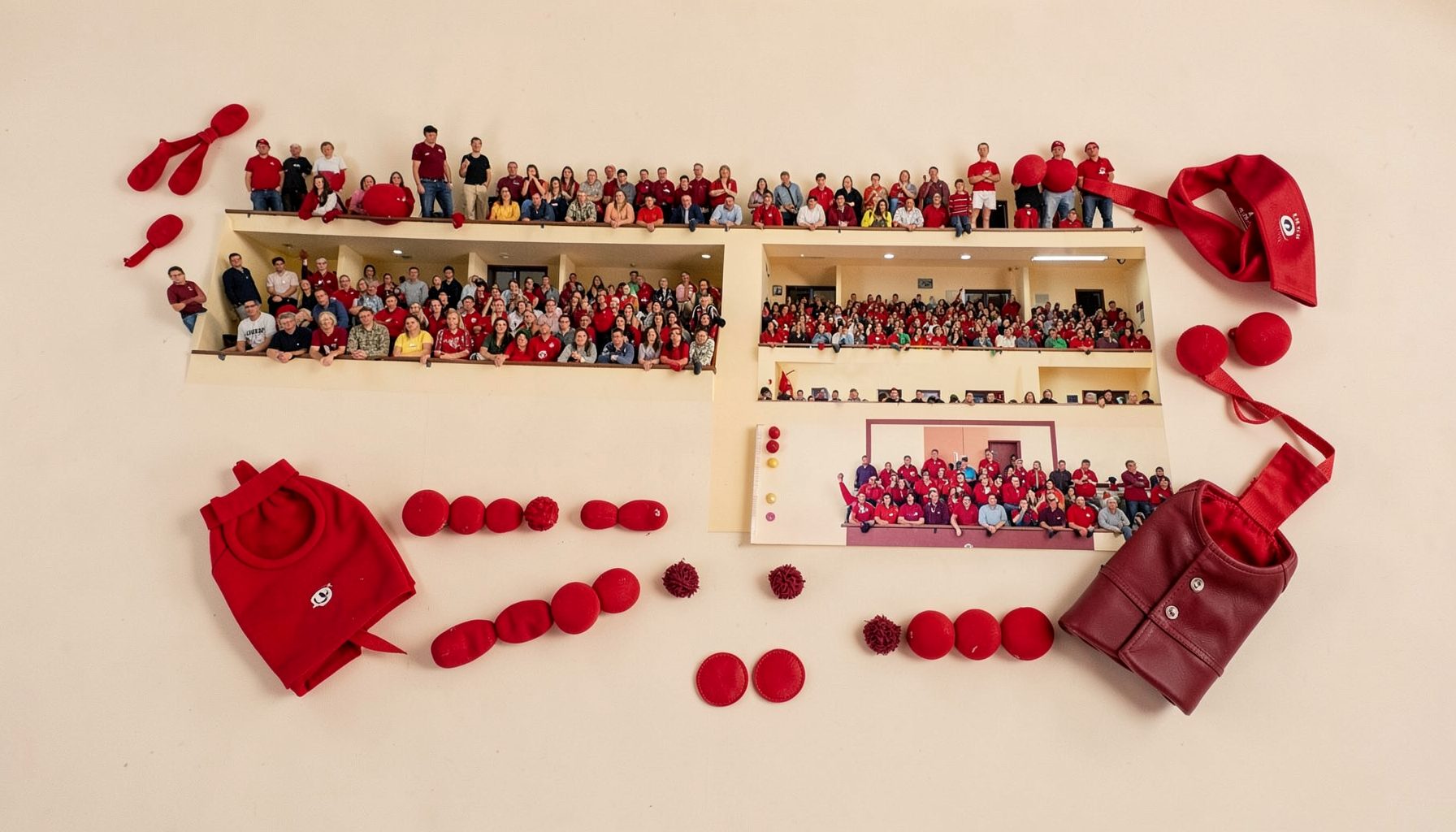
Rugby Fives communities tend to be welcoming and intergenerational. Junior players share courts with retirees, and newcomers are often paired with experienced partners for friendly doubles. This intergenerational mixing is increasingly rare in modern sport and offers a quiet antidote to the social isolation that affects many Australians. Court-side conversations often drift from local news to coffee orders, nodding to Australia's café culture.
Players who travel together to away fixtures and championships also form bonds that endure off the court. These friendships provide a reliable support network during life's harder seasons, and they are often the first port of call when someone needs a chat or simply company. For newcomers to a city, joining a Rugby Fives club is one of the fastest routes into a tight-knit community.
Focus, discipline, and the flow state
The concept of flow, the mental state of complete absorption in an activity, is most reliably triggered by challenges that match a person's skill level. Rugby Fives is well designed to produce flow: the rules are simple, the rallies are variable, and the opponent responds to your choices in real time. A player who is neither bored nor overwhelmed is exactly where flow happens.
Reaching flow requires focus, and Rugby Fives trains focus the way weight training builds muscle. Players learn to ignore the gallery, the sore shoulder, and the missed shot from the previous rally. Over time, this capacity spills into everyday life. Concentration at work, patience with study, and the ability to be present with loved ones all tend to improve in players who train their attention on court.
Discipline is the quieter cousin of focus. Showing up when motivation dips, arriving early to warm up, and reviewing tactics afterwards all build habits that strengthen the mind as much as the body. These small disciplines protect against burnout and decision fatigue.
Long-term mental resilience across the lifespan
The mental benefits of Rugby Fives compound over years. Players who have competed for decades often speak of the sport as a form of ongoing therapy, a structured outlet that has seen them through career changes, relationship shifts, and the inevitable challenges of ageing. The court becomes a familiar space where the rules do not change even when everything else does.
Long-term participants also show slower rates of cognitive decline, a finding consistent with broader research into lifelong racquet sports. The combination of cardio, hand-eye coordination, and strategic thinking supports brain health well into older age. In a country where the population is living longer, particularly in regional centres like Hobart and Newcastle, this matters.
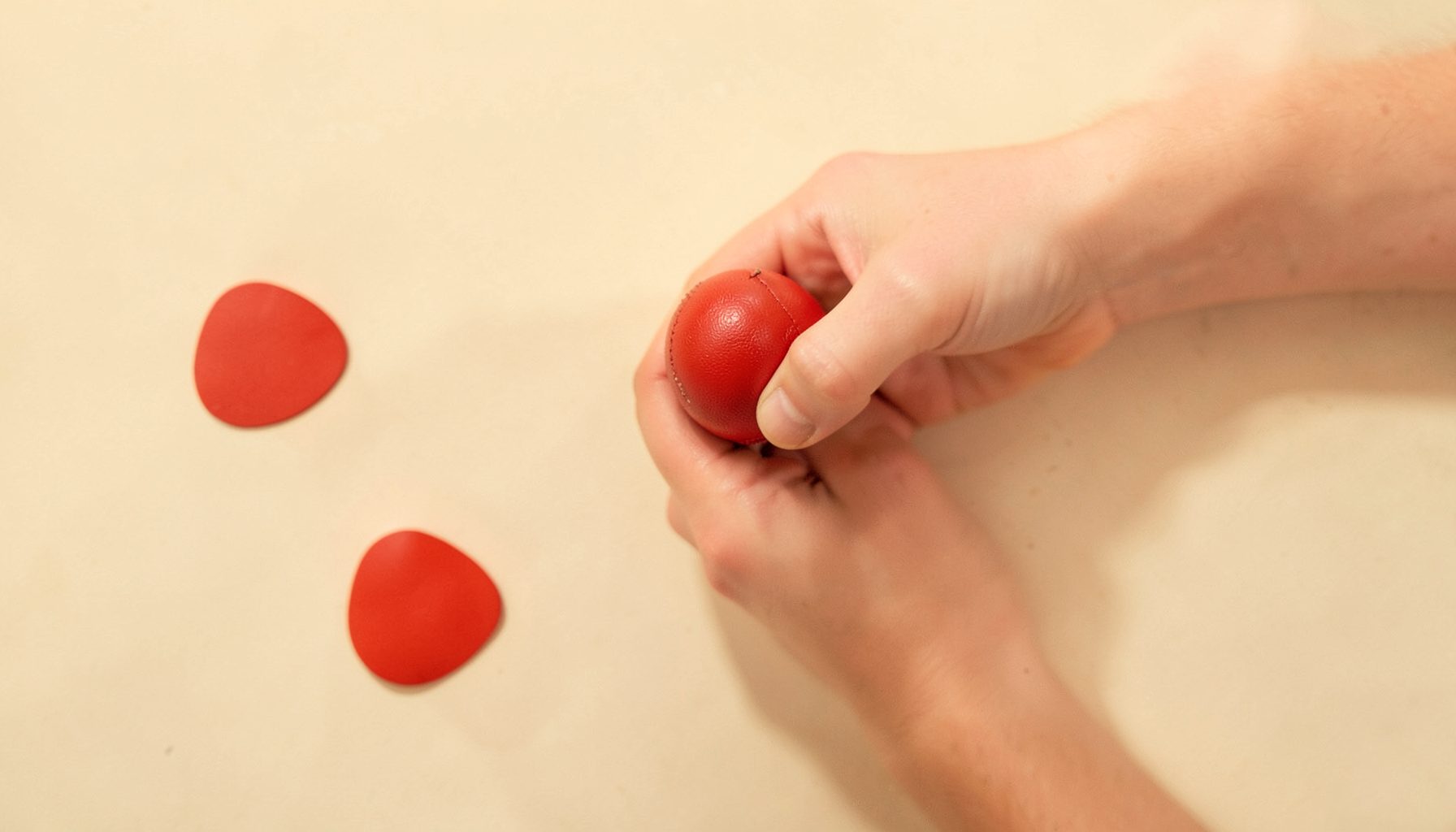
Perhaps most importantly, Rugby Fives offers a sustainable form of exercise that older players can continue well into their seventies and beyond. The court is level, the ball is soft, and the social environment is forgiving. Few sports offer such a low barrier to lifelong participation with such rich mental rewards, which is why the game still attracts players who first picked up a glove decades ago.
Whether seeking a new way to manage stress, sharper focus, or simply a welcoming community, regular play delivers measurable mental benefits. The association maintains a full calendar of fixtures across clubs and regions, and newcomers can find fixtures online to locate their nearest session. The first rally is often the hardest, but it is rarely the last.