

How a Rugby Fives ball bounces, grips and spins
A Rugby Fives ball may look simple, yet every shot is a compact physics experiment. Its speed, angle, leather surface and internal construction determine whether it dies near the floor, rebounds sharply from a wall or skids away from an opponent. Understanding those details helps players turn instinctive reactions into reliable technique.
For Australian players discovering the sport, the conditions can vary widely. An indoor court in Melbourne, a warm venue in Brisbane or a well-used school facility in Sydney can produce noticeably different responses from the same ball. The physics of the Rugby Fives ball: bounce and spin becomes practical knowledge when it helps with shot selection, footwork and control.
| Court or ball condition | Bounce response | Spin response | Useful playing adjustment |
|---|---|---|---|
| Cool, dry ball and floor | Lower, quicker rebound | Cleaner, more predictable | Strike firmly and move early |
| Warm ball and court | livelier rebound | Greater surface grip | Allow for extra height and kick |
| Dusty or polished floor | Variable, often skidding | Reduced friction | Use safer angles and shorter swings |
| Worn leather ball | Softer or less even bounce | Irregular rotation | Watch the release and shorten the rally |
| Damp or humid conditions | Slower surface response | More drag and less skid | Drive through the ball rather than brushing it |
What happens at impact
When the ball hits the floor or wall, it briefly deforms. The leather cover compresses, the air inside the ball changes pressure and the surface flattens against the court. A fraction of a second later, the stored elastic energy pushes the ball away again. The more energy returned during that collision, the livelier the rebound feels.
The coefficient of restitution describes this energy return. A high value produces a springy bounce, while a lower value gives a deadened response. Temperature, age, inflation, leather condition and impact speed all influence it. A fast shot usually produces more deformation than a gentle drop, so the rebound is not simply a fixed percentage of the incoming speed.
The angle matters as much as the speed. A ball striking a wall squarely tends to return along a straightforward path. A glancing impact sends it across the court, and a low contact point can turn a modest shot into a difficult ankle-height rebound. Players are therefore managing vectors: the direction and size of the ball’s velocity before and after contact.
Why surface friction changes the bounce
Friction acts whenever the ball slides across a floor or wall. It can reduce sideways motion, create rotation and change the angle of departure. A clean, slightly textured surface grips the cover more consistently than dust or a highly polished patch. That difference is easy to miss until a familiar shot begins to skid.
A ball that arrives with sidespin may leave the wall with less sideways speed because friction converts some translational energy into rotation. The opposite can happen when the contact is brief and the surface is slick: the ball retains more of its sideways movement and travels wider than expected. This is why a player should observe the court before relying on a rehearsed line.
In Australia, indoor venues may be kept cool with air conditioning, while summer training sessions can begin early to avoid the worst heat. Even when the court itself is indoors, warm transport, storage in a car and changes in humidity can alter the feel of the leather. Keeping equipment in a stable, shaded place makes its behaviour easier to read.
How spin changes the flight
Spin gives the ball angular momentum, meaning the ball resists sudden changes to its rotation. Topspin, backspin and sidespin each alter how the surface moves relative to the air and the court. In flight, the Magnus effect can create a small force that curves the ball, although wall and floor friction usually have a larger influence in short Rugby Fives exchanges.
Topspin makes the upper surface rotate in the direction of travel. After a floor contact, that rotation can encourage the ball to grip and kick forward, producing a lower, faster rebound. Backspin tends to make the ball sit up or lose forward progress after impact. Sidespin can make a wall return drift laterally, particularly when the contact is off-centre.
The amount of spin depends on the racketless contact between hand and ball. A flat palm transfers speed with limited rotation. A brushing action across the ball creates more angular velocity but usually sacrifices some pace. Skilled players vary the contact point rather than trying to spin every shot; a controlled, heavy ball is often more valuable than a spectacular curve.
The wall-ball geometry
Rugby Fives rewards players who think about the next contact before making the current one. The ball’s angle into a wall determines the angle out, but the wall does not behave like a perfect mirror. Energy is lost through deformation, sound and vibration, and the ball’s spin changes the rebound through friction.
A shot aimed close to a corner can create a long diagonal return. A flatter, more direct strike may come back quickly and limit an opponent’s preparation time. When the ball reaches the floor after leaving the wall, its remaining spin and speed decide whether it stays low or rises into a comfortable hitting zone.
This geometry is especially important on unfamiliar courts. Dimensions, wall finish, lighting and background colour affect judgement. A white ball against bright lighting can be harder to track, while a darker or worn ball may be easier to see but less consistent in its bounce. Players should spend the opening exchanges learning the court rather than forcing winners.
Ball condition, storage and the local market
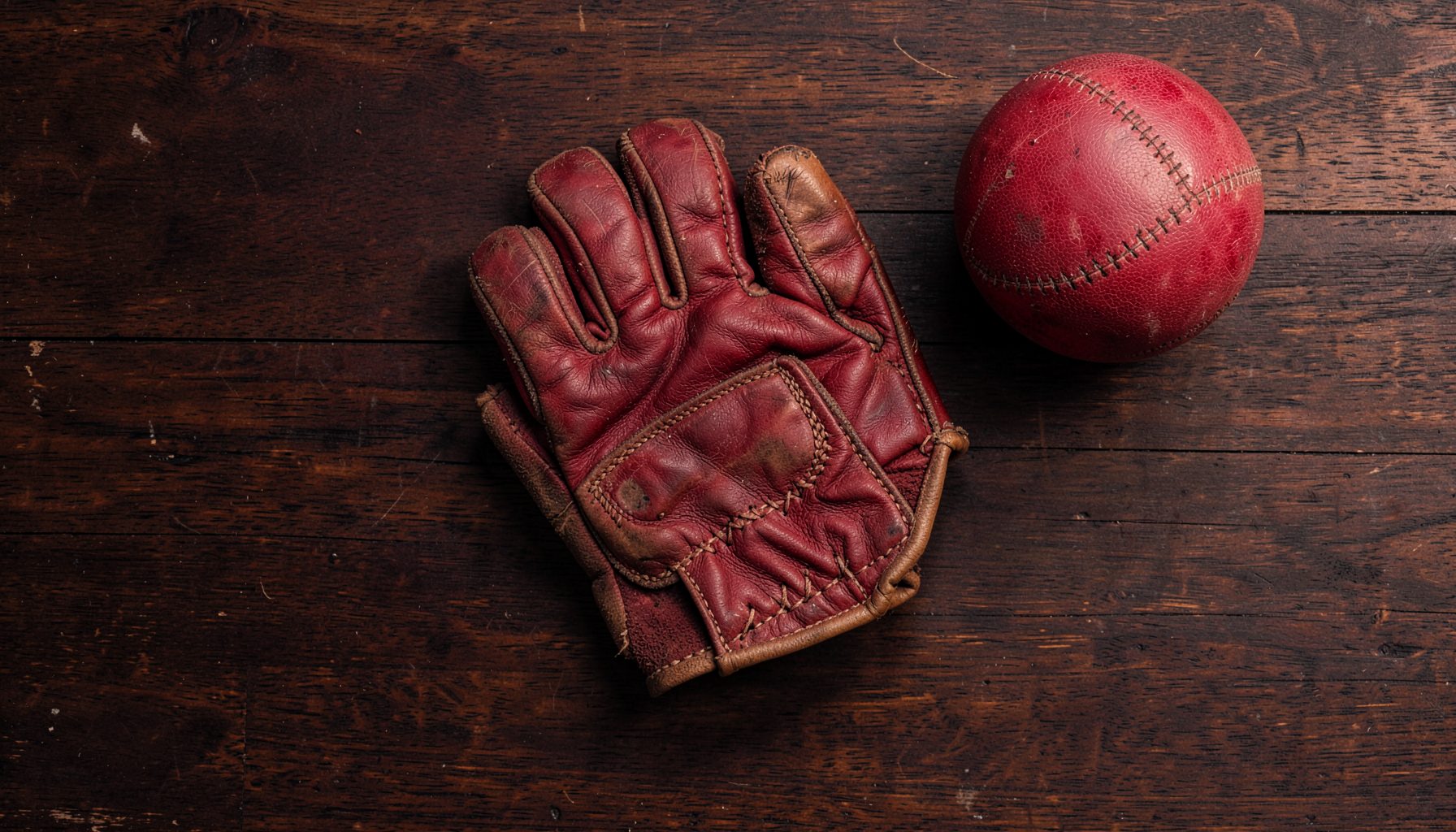
Natural leather changes with use. Repeated impacts can soften the cover, polish contact areas and produce small variations in roundness. A fresh ball may feel firm and sharp, while an older one can lose some of its lively response. This does not automatically make an older ball unsuitable, but it does make visual inspection and careful warm-up more important.
Australia has a relatively small specialist market for Rugby Fives equipment, so clubs and schools may need to order balls from overseas suppliers or combine orders to manage freight costs. Prices in Australian dollars can shift with exchange rates, shipping and GST. Under the Australian Consumer Law, products sold to consumers must be of acceptable quality and fit for any stated purpose, giving buyers useful protections when equipment is faulty or materially misrepresented.
Storage should avoid extreme heat, direct sunlight and prolonged dampness. A ventilated equipment bag is preferable to leaving balls in a closed vehicle through an Australian summer. Before play, roll the ball gently, check for visible damage and allow players to use the same warm-up ball for several minutes so they can adjust to its pace.
Turning physics into better decisions
Players do not need to calculate restitution or angular velocity during a rally. They can use simple observations: Is the ball sitting up or staying low? Does it grip the wall or slide away? Is the floor producing a consistent response? These clues tell the player whether to shorten the swing, move earlier or choose a higher-margin target.
Coaches can demonstrate the difference by striking similar shots with a flat hand, a brushing action and a high-contact angle. Watching the first bounce and the wall return makes invisible forces easier to understand. A useful drill is to aim three balls at the same wall target, then compare the depth, height and sideways movement of each rebound.
For schools and community sessions, safety and supervision remain part of good technique. Australian states and territories apply their own child-safety and Working with Children Check requirements, so clubs delivering junior programmes should follow the rules in their jurisdiction. Clear court boundaries, suitable footwear and controlled warm-ups allow players to explore speed and spin without turning experimentation into avoidable risk.
A Rugby Fives ball rewards close observation. Learn how your court changes its bounce, how your contact creates rotation and how temperature and wear affect the result. Explore Rugby Fives coaching, fixtures and opportunities through the Rugby Fives Association, then take these ideas onto court and build a more precise, adaptable game.