



Building A Stronger Future For Rugby Fives In Australia
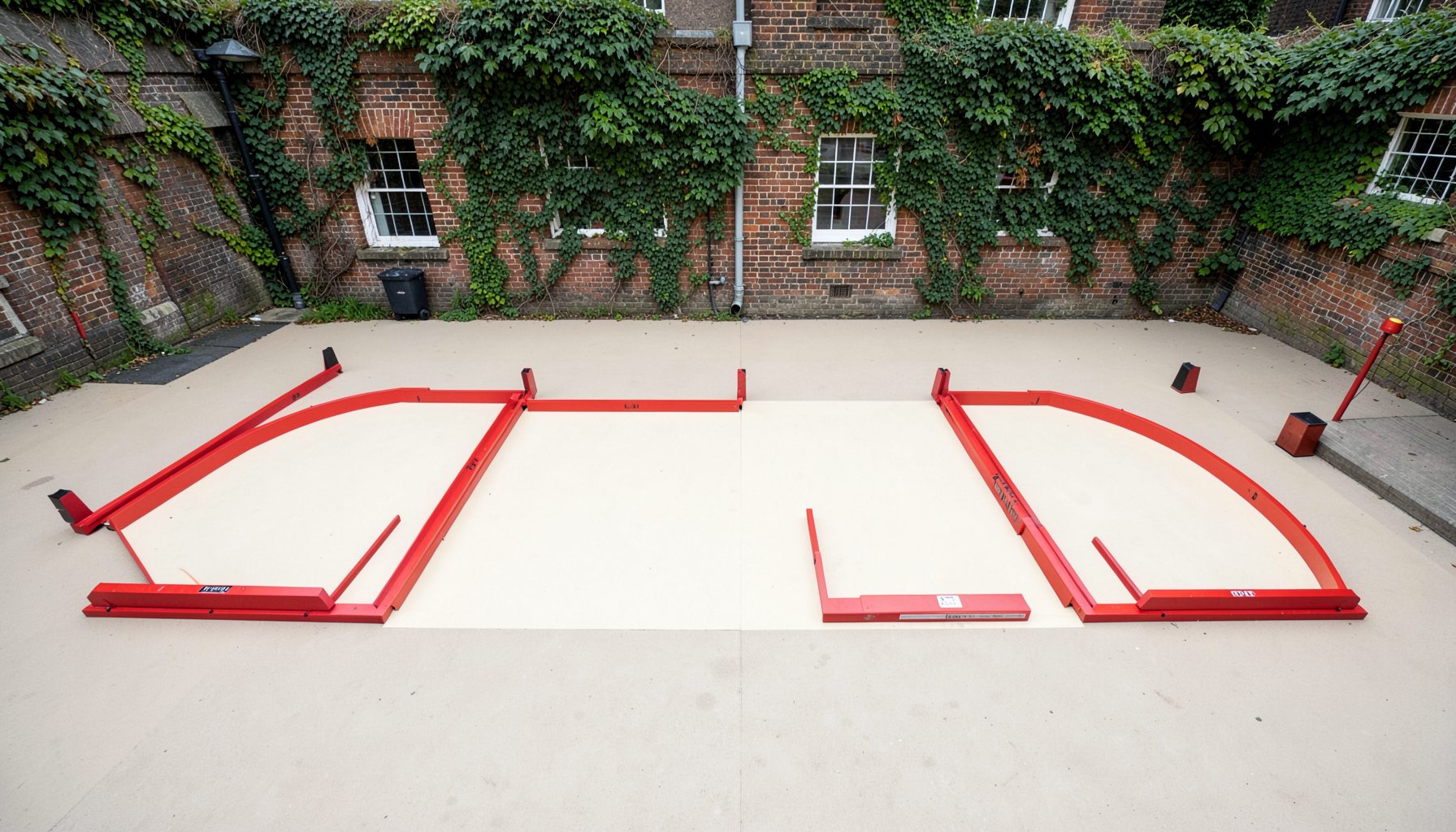
Rugby Fives is a fast, skilful wall game that can be played indoors on a relatively compact court. Its low equipment requirements and suitability for different ages make it an appealing option for councils seeking inclusive ways to expand local sport. With thoughtful planning, a facility can support schools, clubs, recreation programs, competitions and casual community use throughout the year.
For Australian communities, local government support can determine whether a promising court remains an underused space or becomes a reliable sporting hub. Councils influence land use, building approvals, public recreation budgets, accessibility, maintenance and partnerships. Their decisions can help Rugby Fives fit naturally into existing sports infrastructure in Sydney, Melbourne, Brisbane, Perth, Adelaide and regional centres.
Planning Courts Within Community Needs
A council’s first contribution is often strategic rather than financial. Local authorities can identify gaps in indoor recreation, consult residents and include wall-based court sports in recreation strategies, facility plans and capital works programs. This approach gives Rugby Fives a place within broader priorities such as youth participation, active ageing, school sport and affordable physical activity.
The sport can be particularly useful where land is expensive or heavily contested. A Rugby Fives court occupies less space than many outdoor fields and can share a building with squash, fitness, multipurpose halls or school facilities. In dense suburbs of Sydney or Melbourne, this efficient footprint may make indoor court development more realistic than acquiring additional playing fields.
Australian councils also need to account for local travel habits. Families often combine sport with school collection, public transport or weekend errands, while regional participants may travel considerable distances for fixtures. A facility near schools, libraries, leisure centres and transport links is more likely to attract regular users than a remote site with limited parking and poor evening access.
Funding Construction And Upgrades
Local authorities can support facilities through direct capital investment, community grants, facility renewal programs and contributions to joint projects. Funding does not always need to cover an entire building. It may pay for court lining, wall repairs, lighting, changing rooms, storage, ventilation or an accessible entrance that makes an existing venue suitable for Rugby Fives.
A staged model can reduce financial risk. Council may first fund a feasibility study and community consultation, followed by a pilot program using a school or leisure centre court. Participation data, booking demand and feedback from coaches can then inform a larger upgrade. This is useful in a smaller Australian market where councils may need clear evidence before committing to a purpose-built venue.
Partnerships can widen the funding base. Schools, universities, private leisure operators, sporting associations and philanthropic bodies may contribute land, staff, grants or management expertise. A council can add value by coordinating these groups, preparing business cases and ensuring that public investment produces affordable access rather than a facility available only to a narrow membership.
Setting Standards For Safe And Inclusive Use
Facility design should reflect the full range of people who may use the court. Good lighting, slip-resistant surfaces, secure doors, clear circulation routes, accessible amenities and comfortable spectator areas support children, older players, people with disability and families. Acoustic treatment and ventilation are also important in enclosed venues, where hard walls can intensify sound and stale air.
Australian projects must work within state and territory planning systems as well as national building requirements. The National Construction Code sets broad building standards, while each council applies its own planning scheme, development process and local conditions. The Disability Discrimination Act 1992 also matters when public facilities are designed or upgraded, alongside relevant state access and child-safety requirements.
Risk management should cover more than the playing surface. Councils and operators need procedures for supervision, first aid, emergency evacuation, safeguarding young participants and managing bookings. In Victoria, for example, organisations working with children must consider the Child Safe Standards; other states and territories have their own regulatory frameworks. Clear policies help clubs and schools use shared venues with confidence.
Making Facilities Active Throughout The Week
A Rugby Fives court creates greater community value when it has a varied timetable. School sessions can introduce the sport during physical education, while after-school programs, social leagues, coaching clinics and club fixtures provide regular participation. Councils can help by coordinating bookings and connecting venue managers with local schools, community groups and the national sporting network.
Programming should recognise everyday Australian schedules. Early evening sessions may suit workers and secondary students, while weekend mornings can accommodate families. In warmer cities such as Brisbane and Perth, indoor courts offer a useful alternative during extreme heat or wet weather. In cooler regions, reliable indoor access can maintain participation when outdoor sport is disrupted by winter conditions.
Affordable pricing is equally significant. Casual hire, concession rates, free come-and-try sessions and council recreation passes can reduce barriers for households facing rising living costs. A venue may also reserve low-cost periods for community groups, new migrants, First Nations programs and disability sport providers. This turns a facility into a public asset rather than simply another commercial court.
Measuring Value And Long-Term Performance
Councils need practical evidence to justify ongoing support. Useful measures include court occupancy, repeat participation, school engagement, membership growth, gender balance, junior retention and the number of sessions offered to under-represented groups. Maintenance records and customer feedback can show whether investment is improving safety and user satisfaction.
The Rugby Fives Association and local partners can assist by maintaining participation records, competition results and facility information. Consistent reporting makes it easier to compare a pilot program with other community sport initiatives. It can also demonstrate wider outcomes, including improved fitness, social connection, volunteer development and pathways into coaching or officiating.
Long-term planning should include a maintenance reserve and an identified operator. Walls, floors, lighting and ventilation all require periodic attention, and deferred repairs can quickly make a small venue expensive to restore. Councils should clarify who manages bookings, who pays for routine work and how the community can report faults before approving a new court or refurbishment.
| Council action | Benefit for Rugby Fives | Practical Australian application |
|---|---|---|
| Include the sport in recreation and facility plans | Creates a recognised pathway for investment | Add wall-court provision to municipal sport strategies |
| Fund feasibility studies or staged upgrades | Tests demand before major spending | Pilot sessions in a school, university or leisure centre |
| Improve access, lighting and amenities | Makes participation safer and more welcoming | Apply accessible design principles under Australian building requirements |
| Coordinate schools, clubs and venue operators | Builds consistent weekly use | Link physical education, after-school programs and community leagues |
| Track participation and maintenance | Supports accountability and future grants | Report bookings, user diversity, repairs and program outcomes |
A successful council partnership should begin with a clear local case: suitable sites, likely users, operating costs, access requirements and a realistic delivery timetable. The Rugby Fives Association can help clubs, schools and community organisations present that case, develop participation programs and connect a local project with the wider sport.
Councillors, recreation officers, facility managers and community groups can start by identifying an existing indoor venue, arranging a demonstration session and reviewing its potential for shared use. With coordinated planning and sustained local support, Rugby Fives can gain a durable foothold in Australian communities while giving councils a compact, adaptable and inclusive sporting asset.