



Finding the Right Rhythm in Rugby Fives
Music can add energy, structure, and character to sport, yet Rugby Fives presents a distinctive acoustic environment. Played in an enclosed court with a hard ball rebounding from walls, the game already creates a sharp, fast-moving pattern of sound. Every strike, bounce, footstep, and call can carry useful information.
For that reason, music has a different role in Rugby Fives from its role in a large outdoor stadium. It may be valuable during warm-ups, conditioning sessions, school activities, social tournaments, and club gatherings, while competitive play often benefits from a quieter setting. The most effective approach is to match the soundtrack to the purpose of the session.
Used carefully, music can help players arrive focused, maintain intensity, and enjoy training. It can also support community participation by making beginner sessions feel welcoming and giving events a distinctive atmosphere. The key is to enhance the experience without reducing communication, concentration, or respect for opponents.
The Court As A Natural Soundscape
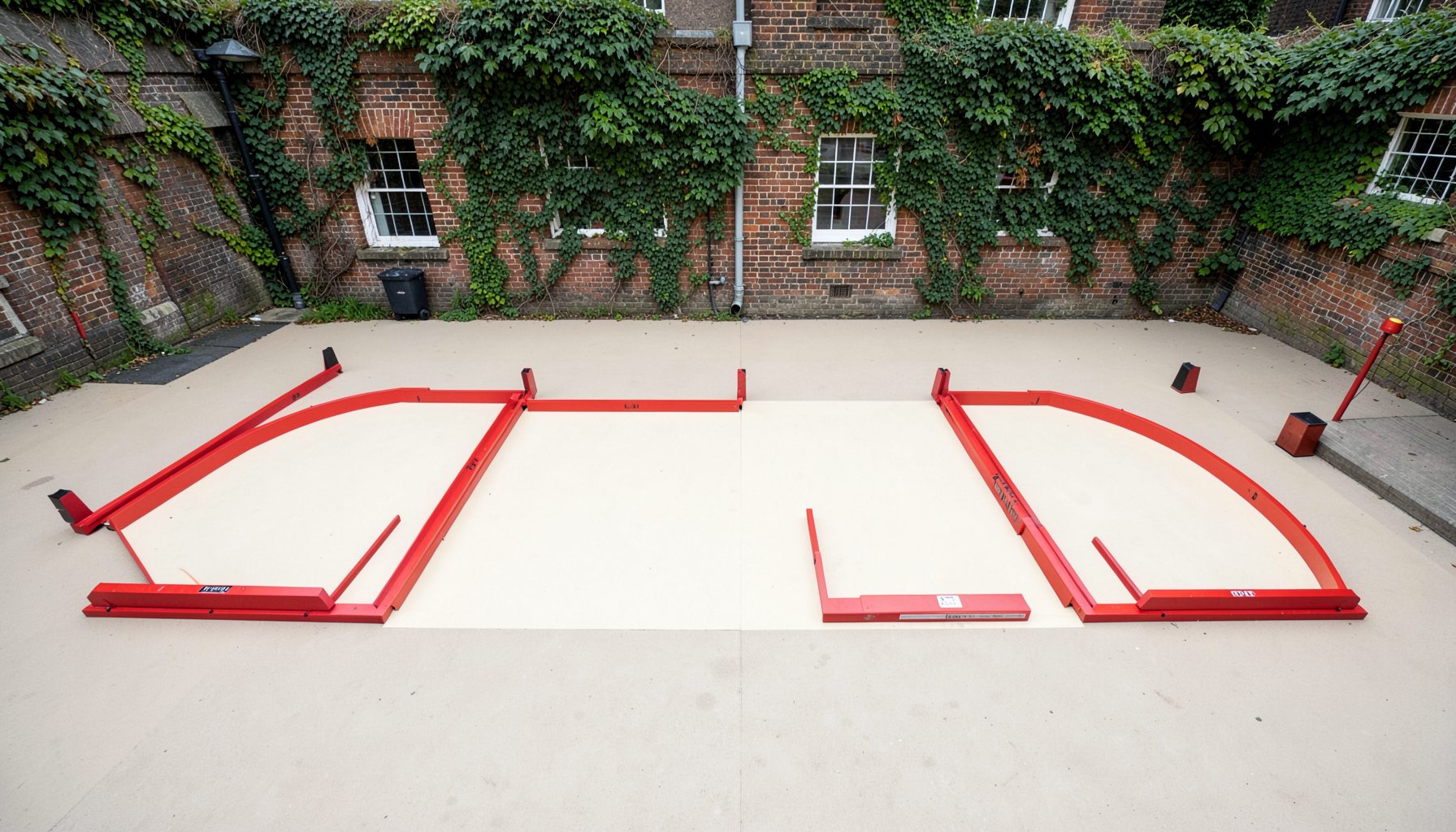
A Rugby Fives court is an active acoustic space. The ball travels quickly, rebounds unpredictably, and produces changes in volume and direction that experienced players learn to interpret. The sound of contact can help indicate pace, height, and timing, particularly when players are positioned at different angles.
Players also rely on verbal communication. In doubles, short calls can prevent confusion and help partners coordinate movement. Coaches may need to give immediate instructions about footwork, positioning, or shot selection. Loud or heavily amplified music can mask these details and make the session less safe and less productive.
This does not mean music has no place near the court. It means volume, timing, and speaker placement matter. A playlist that feels motivating in a spacious sports hall may become intrusive inside a compact Fives court, where sound reflects from several hard surfaces.
Before The First Ball
The period before play is often the best opportunity for music. A carefully chosen playlist can create a welcoming atmosphere while players change, stretch, greet one another, and prepare equipment. It can signal that a session has begun and help establish a positive club identity.
Warm-up music should support gradual physical preparation rather than encourage players to start at maximum intensity. Steady tempos can accompany mobility exercises, light jogging, shadow swings, and controlled hitting drills. Coaches can lower the volume as technical instruction begins, then pause the music altogether when detailed demonstrations require full attention.
Music can also reduce the awkwardness that some beginners feel when entering an unfamiliar court. At school or community sessions, an inclusive playlist may make the environment feel less formal. The soundtrack should remain suitable for a mixed-age audience and should never become more prominent than the people taking part.
Training With Tempo And Structure
Rhythm is useful when training has repetitive elements. Footwork ladders, movement patterns, interval exercises, and timed feeding drills can benefit from a consistent musical pulse. Players may find it easier to maintain work periods and recovery periods when each block has a clear beginning and end.
Music can also support conditioning away from the court. A coach might use one track for dynamic movement, a quieter section for recovery, and a final piece for stretching. This gives the session an audible structure without relying entirely on a stopwatch. The same method can work in junior development, where simple routines help children understand transitions between activities.
Technical work requires more flexibility. If players are learning how to strike cleanly, recover to position, or read a rebound, the coach should prioritize feedback over rhythm. Short periods of silence allow players to hear the ball and notice how different contacts produce different sounds. Alternating music-led exercises with quiet skill work can provide variety without compromising learning.
| Session Setting | Suitable Use Of Music | Main Consideration |
|---|---|---|
| Arrival and social time | Background playlist at a moderate level | Create a welcoming atmosphere |
| General warm-up | Steady-tempo tracks | Keep movement controlled |
| Technical instruction | Music paused or very quiet | Preserve coaching and ball sounds |
| Fitness intervals | Clearly timed, energetic sections | Match pace to the training goal |
| Competitive match | Usually absent or limited to breaks | Protect communication and concentration |
| School or community event | Familiar, inclusive selections | Keep volume and content appropriate |
Competition, Concentration And Fair Play
During a serious match, silence or minimal background sound is usually the most practical choice. Players need to hear their own movement, the ball’s contact with the wall, calls from a partner, and any instructions from officials. These sounds form part of the information available to them during a rally.
A competitive environment also depends on fairness. Music should not favour one player, distract an opponent, or create inconsistent conditions between courts. If an event includes background music, organizers should establish a clear policy in advance. It may be appropriate during opening ceremonies, breaks, presentations, or social gatherings while being removed during active play.
The character of Rugby Fives matters here. The sport rewards anticipation, touch, movement, and quick reactions. A player who uses sound to judge the ball should not have that information obscured by a loud soundtrack. Respect for the game includes respecting the concentration and communication needs of everyone on court.
Music And Mental Preparation
Many athletes use music as part of a pre-performance routine. A familiar track can help a player shift attention away from distractions and toward the task ahead. In Rugby Fives, this may involve visualizing movement, recalling tactical cues, or settling breathing before entering the court.
The effect is personal. Some players prefer energetic music before a match, while others perform better after a quiet period. Coaches should avoid presenting one musical style as universally motivating. The aim is to support readiness, not to impose a mood on every member of a squad.
A useful routine might include music during arrival and dynamic warm-up, followed by a quiet interval for tactical reminders and individual focus. This creates a transition from social energy to competitive concentration. Over time, players may associate that sequence with composure and readiness.
Building Club Culture Through Sound
Music can contribute to the identity of a Rugby Fives club or tournament. A playlist selected by members can reflect different ages, backgrounds, and tastes, helping people feel that the event belongs to the whole community. It can accompany award presentations, fundraising activities, junior festivals, or post-match gatherings.
This cultural role is especially useful for outreach. A school trying Rugby Fives for the first time may use music to make the session feel lively and accessible, while a community program can combine sport with local performances or a shared playlist. Such activities can strengthen relationships between players, families, volunteers, coaches, and supporters.
Care is still needed. Event organizers should consider licensing requirements for public music use, suitable content, hearing comfort, and the needs of participants who are sensitive to noise. Providing quieter areas or allowing players to step away from the speakers can make the experience more inclusive.
Practical Choices For Coaches And Organizers
The best soundtrack is the one that serves the session rather than competing with it. Coaches can test volume from different areas of the venue, since music may sound comfortable beside a speaker but overwhelming inside the court. Portable speakers should be placed securely and away from movement routes, entrances, and equipment.
A simple operating plan helps avoid confusion. Identify when music will play, who controls it, and when it must stop. Keep several playlists available for warm-up, fitness, junior activities, and social occasions. Instrumental tracks may work well during technical drills, while lyric-led music can be saved for less instruction-heavy periods.
Useful principles include:
- Use music to mark arrival, warm-up, conditioning, breaks, and celebrations.
- Pause the soundtrack for demonstrations, tactical briefings, and important safety instructions.
- Keep competitive rallies free from distracting or excessively loud audio.
- Choose inclusive, age-appropriate music and review lyrics before public sessions.
- Ask players and coaches for feedback, especially after junior, mixed-ability, or sensory-sensitive activities.
Music should remain a flexible tool. Some sessions may benefit from a lively beat, while others need the natural sounds of the court. Allowing coaches to adapt the approach keeps the focus on player development and enjoyment.
A thoughtful soundtrack can help Rugby Fives sessions feel organized, energetic, and connected, from the first warm-up movement to the final social gathering. Clubs, schools, and tournament teams can experiment with sound while preserving the communication and concentration that make the sport distinctive. Share your approach with the Rugby Fives Association, support local sessions, and help create welcoming spaces where every player can find their own rhythm.