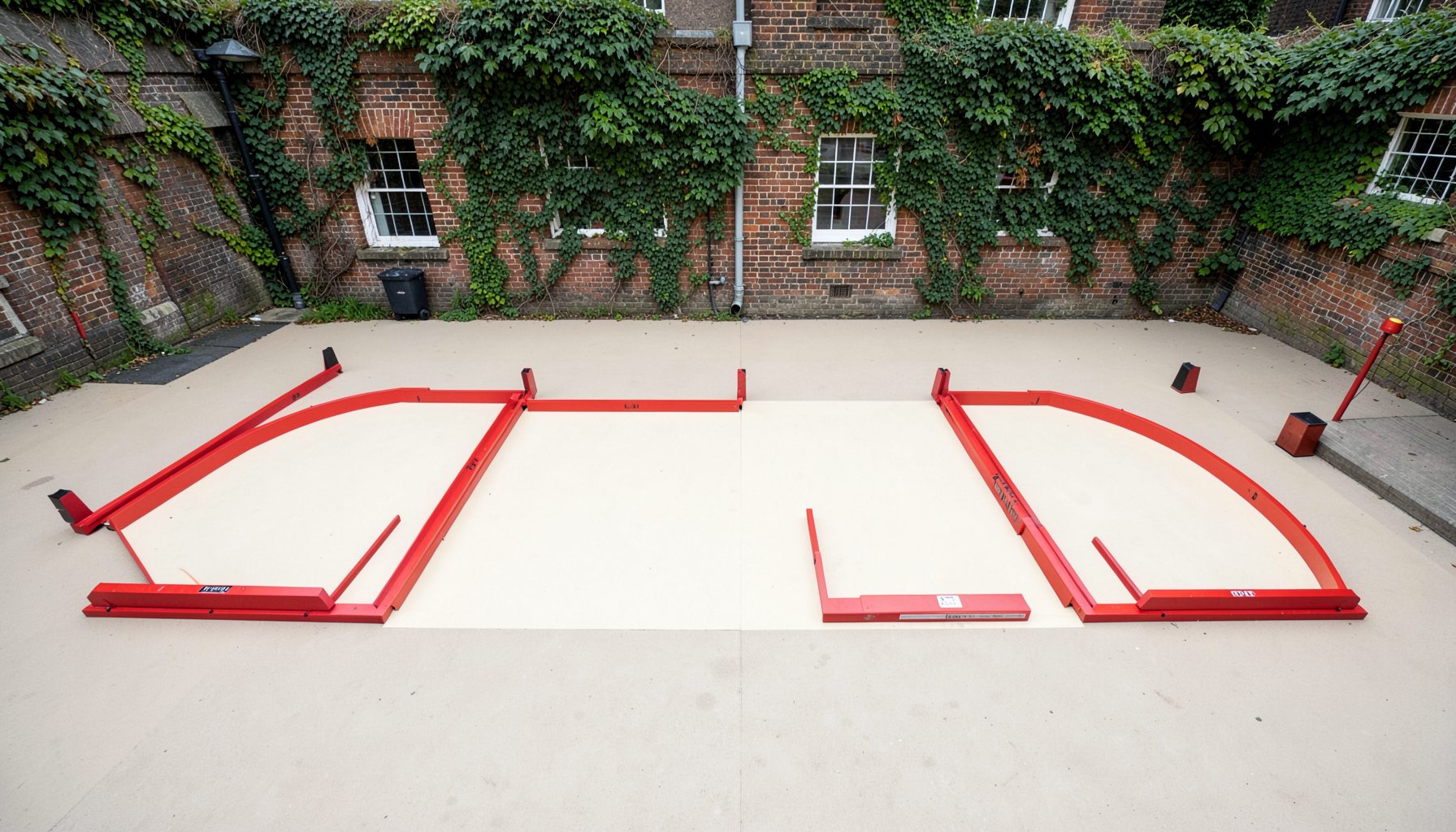




Fueling Fast, Skillful Rugby Fives Performance
Rugby Fives demands quick reactions, precise footwork and repeated bursts of movement. Players accelerate across a compact court, strike the ball against the walls, recover from awkward positions and maintain concentration through fast-changing rallies. Although a match may look brief compared with many field sports, its intensity can place substantial demands on the body.
Nutrition helps players turn training into reliable performance. The right balance of carbohydrate, protein, fluids and micronutrients supports energy production, muscular recovery and mental sharpness. Eating well does not require an elaborate diet or expensive products; it requires consistent habits that fit around school, work, travel and club fixtures.
For developing players, coaches and families, practical guidance is especially valuable. A dependable eating routine can improve preparation for championships and tournaments while helping players recover between sessions. It also supports long-term participation, allowing athletes to train regularly without unnecessary fatigue.
Understanding The Physical Demands
Rugby Fives combines explosive movement with repeated recovery. A player may lunge, sprint a few steps, turn sharply, bend low and strike the ball within seconds. These efforts are followed by short pauses, so the body must draw on both immediate energy stores and aerobic fitness to sustain work across a full match or training session.
The sport also places a premium on coordination and decision-making. As fatigue develops, reactions can slow and technical accuracy may decline. Adequate fueling helps preserve concentration, while steady hydration supports circulation, temperature regulation and normal muscle function.
Energy needs vary according to playing level, session length and match format. A school player attending a short coaching session will need less food than an adult completing a demanding tournament day. Appetite, body size and other weekly activities should shape the plan rather than a rigid calorie target.
Building A Reliable Everyday Diet
Carbohydrates are the primary fuel for high-intensity court movement. Oats, bread, rice, potatoes, pasta, fruit and beans can provide useful energy for training and competition. Including carbohydrate at regular meals helps maintain glycogen stores, the body’s readily available reserve for repeated bursts of activity.
Protein supports the repair and adaptation of muscle after training. Good choices include milk, yoghurt, eggs, fish, poultry, lean meat, tofu, lentils and other pulses. Distributing protein across breakfast, lunch, dinner and snacks is generally more useful than consuming a very large serving at one time.
A balanced plate can include a carbohydrate source, a protein source, colourful vegetables or fruit, and a modest amount of healthy fat. Olive oil, nuts, seeds and avocado contribute valuable nutrients, though very fatty meals may feel uncomfortable close to play. Regular meals also reduce the temptation to depend on confectionery or highly caffeinated drinks.
Eating Before Training And Competition
The pre-match meal should provide familiar, digestible fuel without creating heaviness. Two to four hours before play, players might choose porridge with banana, rice with chicken, a baked potato with beans, or a pasta dish with a light sauce. Portion size should reflect the time available and the player’s usual appetite.
When only 30 to 90 minutes remain, a smaller snack is often more suitable. A banana, cereal bar, toast with jam, yoghurt, a smoothie or a small sandwich can top up carbohydrate stores. Players should test timing during ordinary practice rather than trying an unfamiliar food before a major championship.
Long tournament days require planning beyond a single meal. Pack portable options that can be eaten between matches, such as fruit, sandwiches, oat bars, crackers, yoghurt in a cool bag or a simple rice-based snack. A food plan prevents long gaps without energy and makes it easier to maintain consistent performance across several fixtures.
| Playing situation | Suitable fuel | Timing guidance | Main purpose |
|---|---|---|---|
| Normal training session | Balanced meal with rice, pasta, potatoes or bread plus protein | Two to four hours before | Build energy reserves and support focus |
| Short notice before play | Banana, toast, cereal bar or yoghurt | Thirty to ninety minutes before | Provide readily digestible carbohydrate |
| Several matches in one day | Sandwiches, fruit, oat bars, rice snacks and fluids | Between fixtures | Replace used energy without overfilling |
| Immediately after a hard session | Milk, yoghurt, smoothie, egg sandwich or recovery meal | Within the next one to two hours | Begin muscle repair and restore carbohydrate |
| Rest or light activity day | Regular balanced meals with portions adjusted to activity | Across the day | Maintain recovery and overall health |
Hydration And Recovery Matter
Water is usually sufficient for ordinary training and shorter matches, especially when players have eaten normal meals. Drinking regularly throughout the day is more effective than consuming a large volume immediately before stepping onto court. Pale yellow urine can offer a rough indication of adequate hydration, although thirst, weather and individual sweat losses also matter.
For lengthy sessions, tournament days or hot venues, a drink containing carbohydrate and electrolytes may be useful. This is particularly relevant when several matches are scheduled with limited recovery time. Sports drinks should support a clear need rather than replace everyday fluids, and highly caffeinated energy drinks are unsuitable for many young players.
Recovery begins when play finishes. A meal or snack containing carbohydrate and protein within the following couple of hours can replenish glycogen and assist tissue repair. Chocolate milk, yoghurt with fruit and cereal, a tuna sandwich, or a full meal with potatoes and eggs can all work. Sleep remains a central part of recovery, since nutrition cannot compensate for consistently inadequate rest.
Adjusting Nutrition For Different Players
Young athletes need enough energy for growth, learning and sport. Restrictive dieting can reduce training quality and may affect bone health, mood and normal development. Parents, guardians and coaches should promote regular meals and a positive relationship with food rather than focusing heavily on body weight or appearance.
Vegetarian and vegan players can meet performance needs by combining varied carbohydrate foods with pulses, tofu, tempeh, dairy or fortified alternatives, eggs where appropriate, nuts and seeds. Particular attention may be needed for iron, vitamin B12, calcium and vitamin D. A registered dietitian or qualified healthcare professional can provide personalised support when concerns arise.
Players with allergies, gastrointestinal conditions or medical requirements should create a clear plan with an appropriate professional. Supplements are not automatically beneficial, and some products may contain ingredients that are unsuitable or poorly tested. Food-first choices are usually the soundest foundation for Rugby Fives participation.
Practical Match-Day Priorities
A simple routine is easier to follow than a perfect-looking menu. Coaches and clubs can reinforce good habits by making water accessible, allowing sensible snack breaks and sharing nutrition information with families. Tournament organisers can also consider the length of the day when communicating food and drink arrangements.
Players can use the following checklist when preparing for competition:
- Eat a familiar carbohydrate-based meal several hours before the first match.
- Pack more snacks and fluids than seem necessary for a long tournament day.
- Choose small, easy-to-digest foods between fixtures rather than one heavy meal.
- Include both carbohydrate and protein after demanding play.
- Practise the routine during training and adjust it to personal tolerance.
Nutrition should complement technical coaching, movement practice and conditioning. It cannot replace those foundations, but it can help players arrive prepared, sustain intensity and recover well enough to return to the court. Clubs, schools and families that treat fueling as part of athlete development give participants a stronger basis for enjoyment and progress.
Rugby Fives communities can support this approach through practical education at coaching sessions, tournament briefings and junior programmes. Sharing straightforward guidance helps remove confusion and makes performance nutrition accessible to players at every level.
Use the principles above at your next training session or fixture, record what works, and refine the routine over time. Speak with coaches, teammates and qualified nutrition professionals when individual needs require extra care, and help build a healthier, more prepared Rugby Fives community across the UK.